
Film
Seven Days Ashore
- Comedy
- Light-hearted
A 1944 Merchant Marine comedy where a womanizing sailor must outsource his dating problems to two shipmates during shore leave. It's lightweight wartime entertainment—thin on plot but thick with the period charm of 1940s studio comedies. For anyone curious about what passed for laugh-getting in 1944, or who finds Brown and Carney's vaudeville energy irresistible.
If you liked this
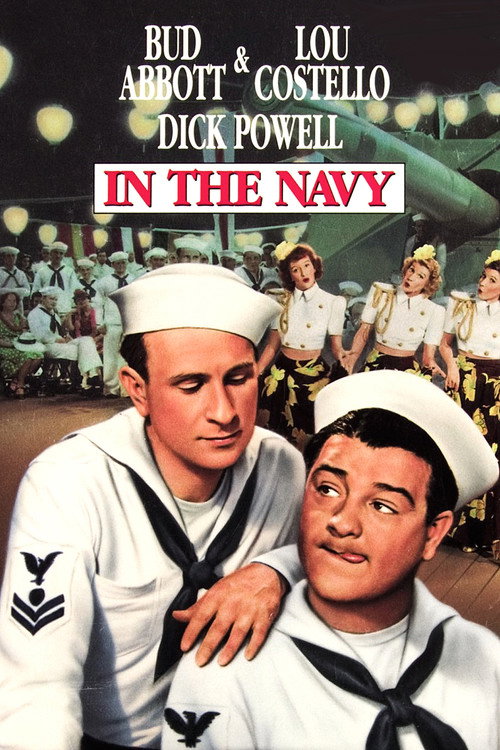
In the Navy1941
Abbott and Costello's rapid-fire physical comedy and verbal sparring translates perfectly to military settings. Their chemistry is infectious, and the sketch-style humour feels like watching live vaudeville on film.
But Their comedy relies heavily on puns and slapstick that hasn't aged gracefully, and the plots are often negligible. If you need narrative drive, you'll be disappointed.
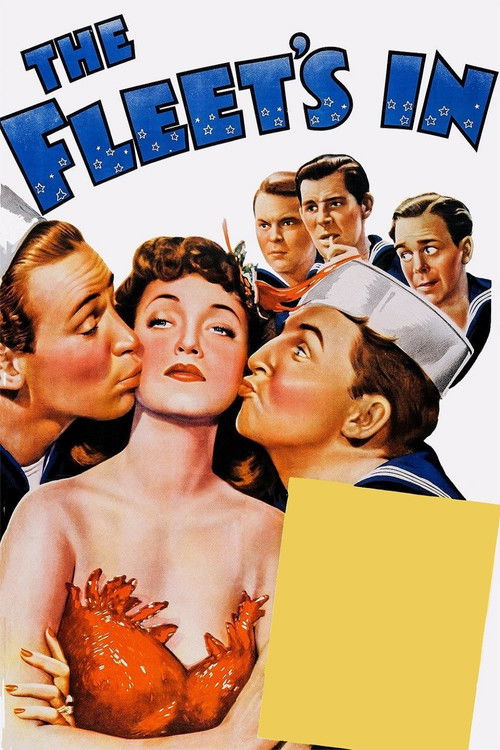
The Fleet's In1942
A vibrant, music-filled musical comedy with William Holden and Dorothy Lamour. The production values are high, the tunes are genuinely catchy, and it captures the era's romantic optimism during wartime.
But The romance is predictable and saccharine by modern standards. The pacing relies on musical numbers that interrupt rather than propel the story.
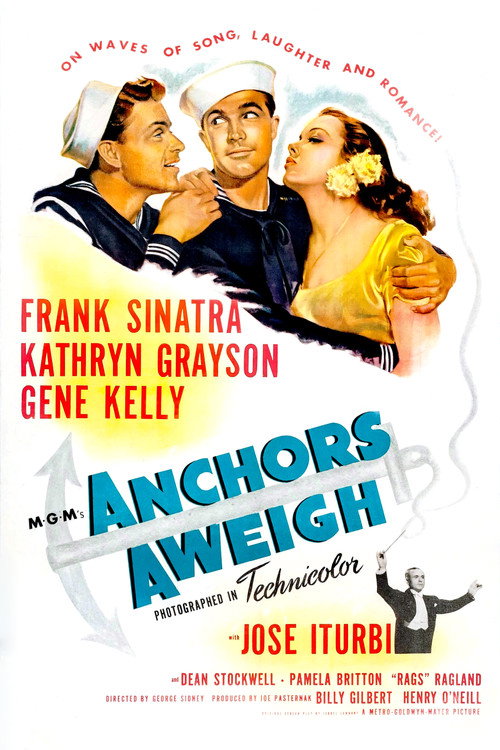
Anchors Aweigh1945
Gene Kelly and Frank Sinatra in a Technicolor dream of a film about sailors on leave. Kelly's dancing is astonishing, Sinatra is charming, and it's pure escapist joy with genuine artistry behind it.
But It's overlong and the plot is forgettable. Some of the gender dynamics will make modern viewers squirm.
Not sure tonight? Get a pick in a minute, starting from Seven Days Ashore
The wildcard
Something you would not have found on your own.
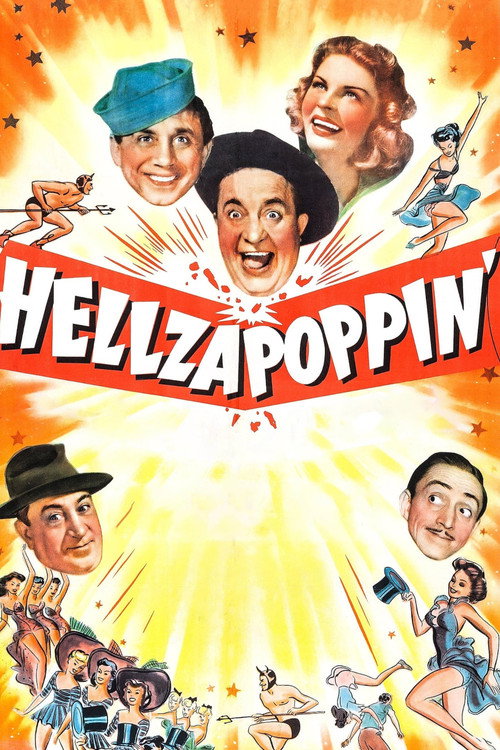
Hellzapoppin'1941
Both are products of vaudeville sensibilities transplanted into film—sketch-based, performer-driven, indifferent to narrative logic. Both exist primarily to showcase comedians doing their bit.
An anarchic, anything-goes comedy that breaks the fourth wall, ignores plot, and throws non-sequiturs at the screen like grenades. It's formally wild in ways that make most 1944 comedies look quaint. Watching it feels like someone threw vaudeville logic at cinema and saw what stuck.
But There is genuinely no plot. It's exhausting rather than funny if you need a story to follow or rhythm to the laughs. Some gags simply don't land.
More like this (7)
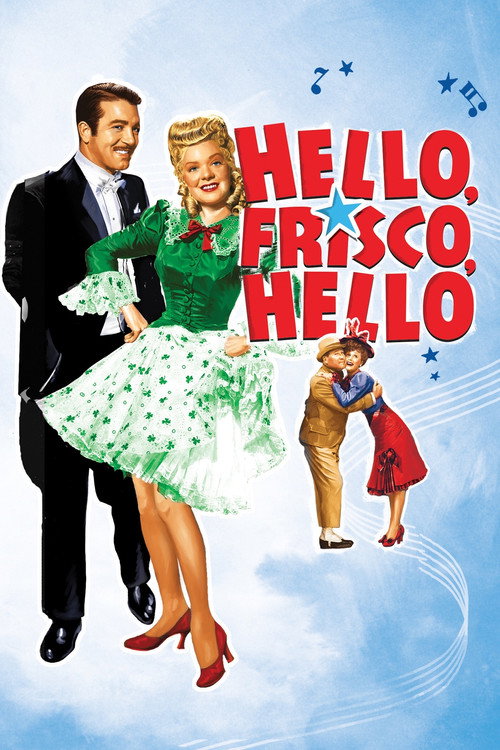
Hello, Frisco, Hello1943
Alice Faye and John Payne in a lush, tuneful backstage romance set during wartime San Francisco. The music is excellent, the Technicolor is gorgeous, and it's genuinely entertaining.
But The story is thin and formulaic. It's entirely dependent on whether you're in the mood for that particular brand of Golden Age sentimentality.
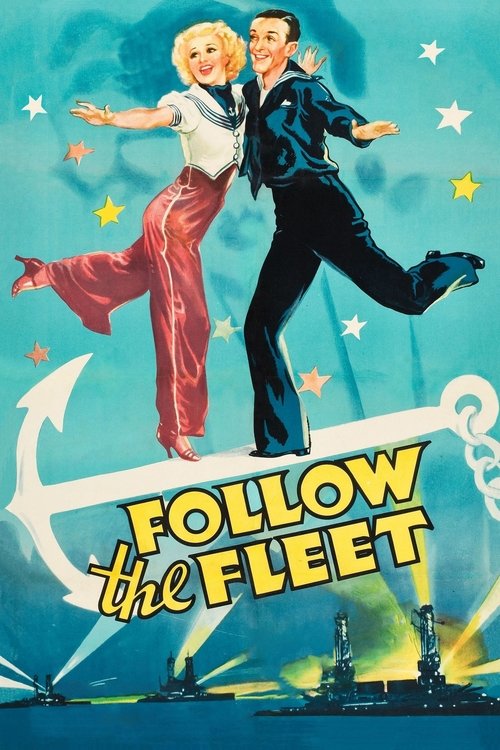
Follow the Fleet1936
Fred Astaire and Ginger Rogers dancing on a Navy ship—that's the whole pitch, and it works beautifully. The dance sequences are inventive and the romantic banter is sharp enough to hold up.
But The plot drags between musical numbers, and the supporting romance is tedious. It's primarily for people who came for the dancing.
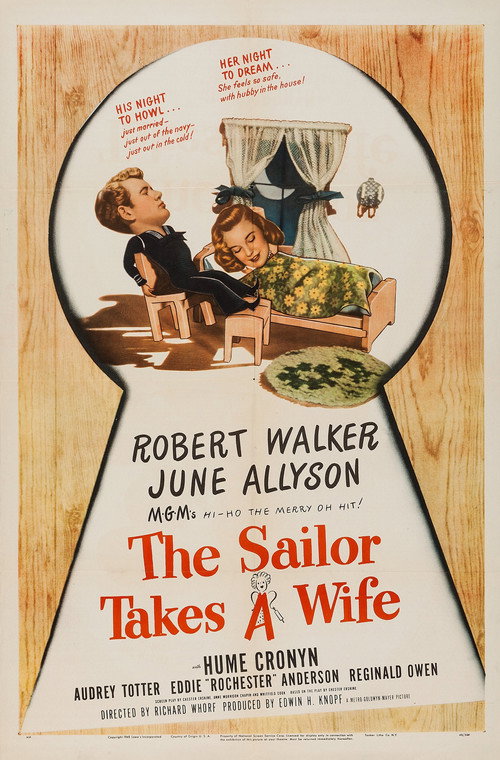
The Sailor Takes a Wife1945
A gentler, more character-driven comedy about a sailor and a woman finding love during wartime. Robert Walker and June Lockhart have real chemistry, and it balances humour with genuine warmth.
But It's slower-paced and less frenetic than comparable comedies of the era. The emotional beats might feel slight if you're looking for comedy fireworks.
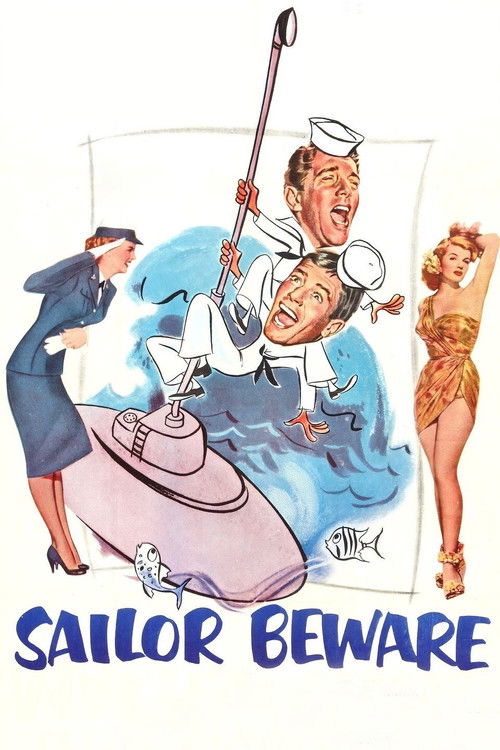
Sailor Beware1952
Dean Martin and Jerry Lewis as sailors getting into ridiculous trouble. Lewis's physical comedy is manic and inventive, and the film leans into absurdity rather than winking at the audience.
But Jerry Lewis's comedy style is very specific and divisive—some find him hilarious, others grating. The plot is nonexistent.
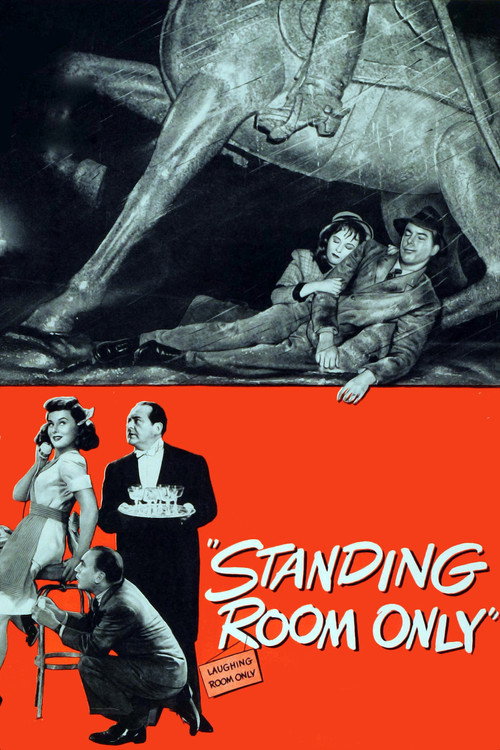
Standing Room Only1944
Fred MacMurray and Paulette Goddard in a clever comedy about wartime labour shortages and impersonation. It's more sophisticated than the average 1944 comedy, with some genuine wit in the writing.
But It's a screwball comedy that relies on verbal humour and logical twists rather than physical comedy or big musical numbers. The pace is deliberate.
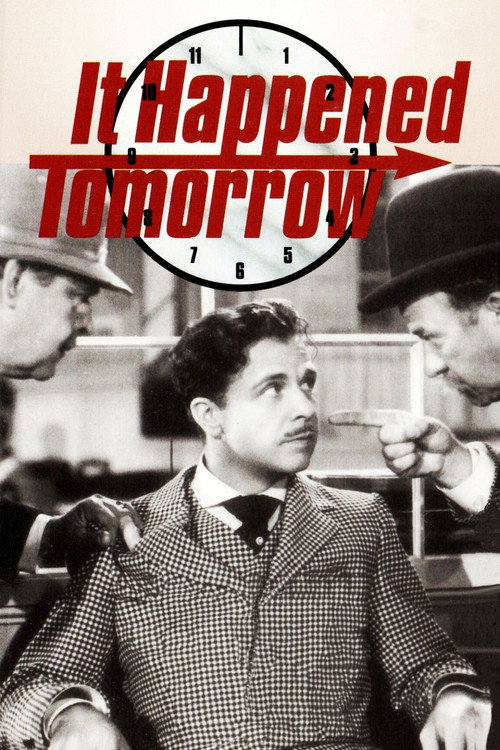
It Happened Tomorrow1944
Both are 1944 Hollywood comedies built on a silly, lightweight premise that exists chiefly to string together character moments and comedy bits. Both rely entirely on their performers' charisma to carry a thin narrative.
A fantasy-comedy where a newspaper reporter gets tomorrow's edition. It has the same wartime lighter-than-air tone as *Seven Days Ashore*, but with an actual clever premise and Dick Powell's understated charm. It's escapism with an inventive edge.
But The premise squanders itself partway through. The romance feels obligatory and interferes with the better parts of the film.
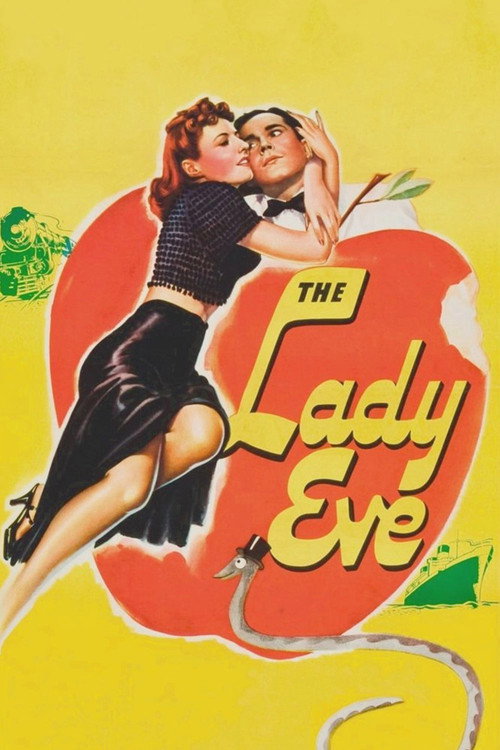
The Lady Eve1941
Both centre on romantic deception and setup between sailors/passengers and women during a brief time together. Both use the conceit of mistaken identity and playing roles. But where *Seven Days Ashore* is lightweight, *The Lady Eve* is perfectly constructed—the same engine, running at full capacity.
Preston Sturges's masterpiece of romantic screwball comedy, where Barbara Stanwyck and Henry Fonda play the same game *Seven Days Ashore* plays but with genuine sophistication and control. Stanwyck is magnificent—clever, cutting, sexual without being crude. It's what happens when a great director and great writer meet great actors.
But It's faster and more verbal than *Seven Days Ashore*; if you want broad physical comedy, this will feel cerebral by comparison. Some modern viewers find the gender politics uncomfortable.
People
Cast
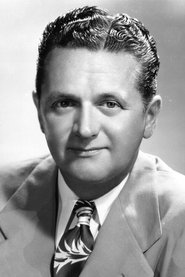 Wally BrownMonty Stephens
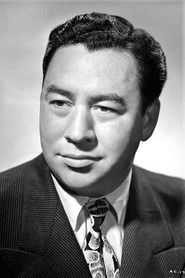 Alan CarneyOrval 'Handsome' Martin
 Virginia MayoCarol Dean
 Marcy McGuireDot Diamond
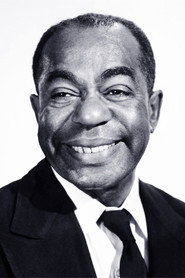 Dooley WilsonJason
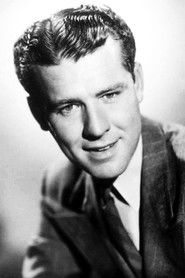 Gordon OliverDan Arland Jr.
 Amelita WardLucy Banning
 Elaine ShepardAnnabelle Rogers
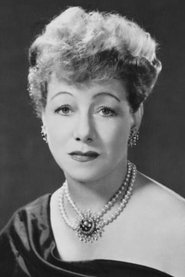 Marjorie GatesonMrs. Elizabeth Arland
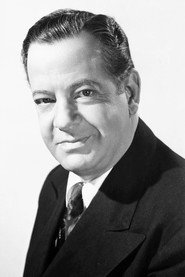 Alan DinehartDaniel Arland
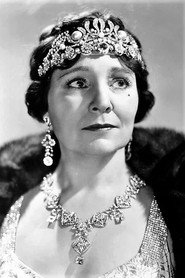 Margaret DumontMrs. Croxton-Lynch
- Miriam LaVelleHazel - Acrobatic Dancer
Directing
- Harry ScottAssistant Director
- John H. AuerDirector
Writing
- Edward VerdierScreenplay
- Irving PhillipsScreenplay
- Lawrence KimbleScreenplay
- Jacques DevalStory
Production
- John H. AuerProducer