
Film
Swing Parade of 1946
- Musical
- Light-hearted
A wartime romance tucked into a musical revue. A young singer and a nightclub owner navigate love while dodging a tycoon's schemes to shut the place down. It's a breezy 74 minutes of swing standards, comedy patter, and the kind of low-stakes charm that works best as a Friday night palate cleanser—not meant to move you, just to entertain.
If you liked this
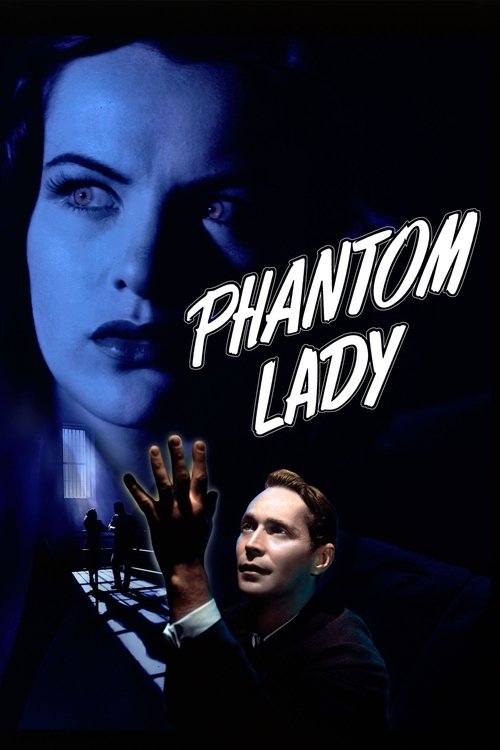
Phantom Lady1944
A superior 1940s noir-romance with genuine suspense, gorgeous cinematography, and a climax built on drum solo and pure mood. Shows what the studio system could do when it tried.
But It's dark and twisty in ways Swing Parade never is—if you want lightness, this trades it for genuine dread.
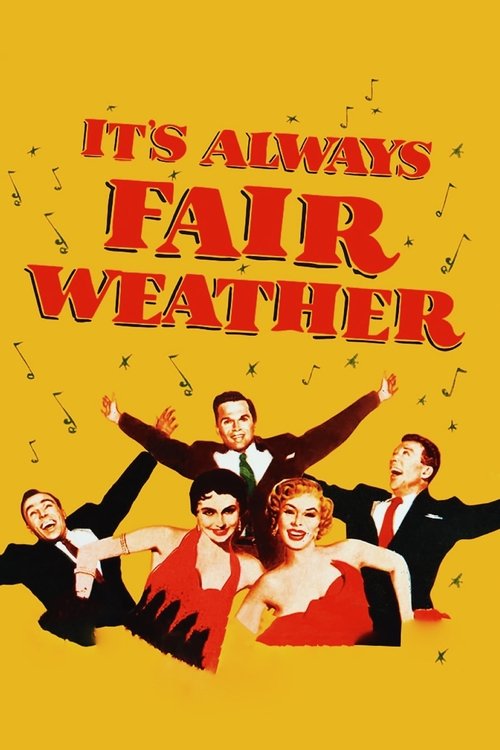
It's Always Fair Weather1955
Reunites three soldiers in a musical that understands post-war disillusionment beneath the songs and colour. The dancing is astounding, and it actually has something to say.
But Longer, moodier, and the happy ending is more complicated than it first appears. Not as frothy.
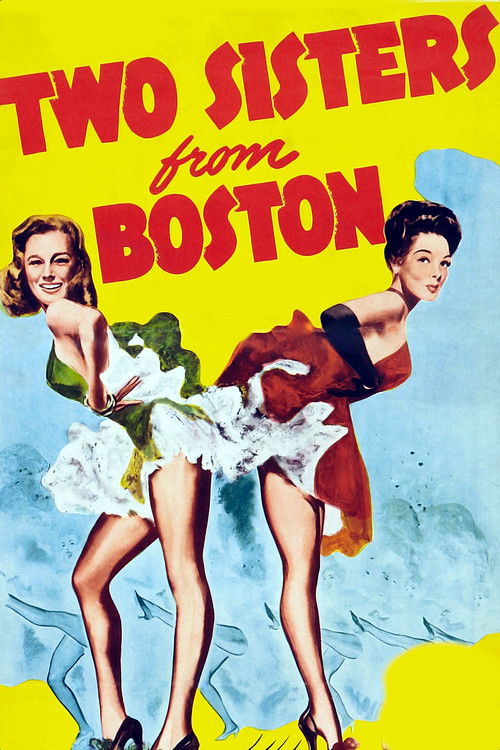
Two Sisters from Boston1946
Released the same year, same DNA—sisters trying to make it in music while dodging family schemes. June Allyson, Kathryn Grayson, and Jimmy Durante make it effortless fun.
But The plot is tissue-thin and none of it matters. If you need actual stakes, look elsewhere.
Not sure tonight? Get a pick in a minute, starting from Swing Parade of 1946
The wildcard
Something you would not have found on your own.
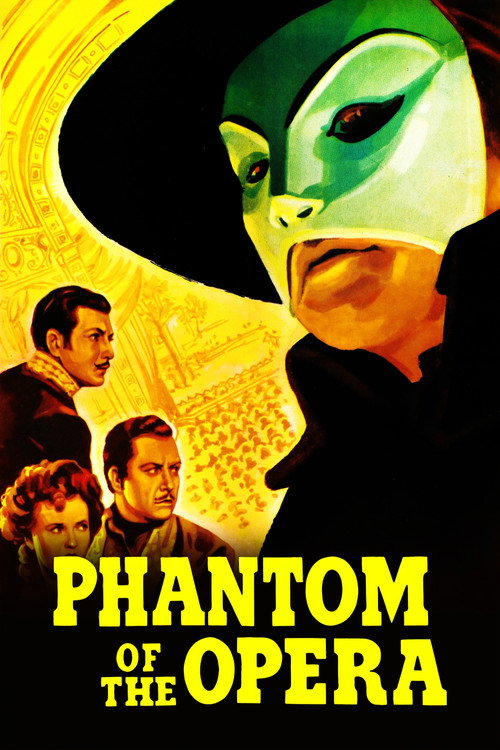
Phantom of the Opera1943
Both are 1940s vehicles built around songs and romance, but this one proves the format could go dark—it shows what studio musicalslooked like when they bent toward genuine mystery rather than comfort.
Claude Rains and Nelson Eddy in Universal's Technicolor monster-musical. It's bonkers—a genuinely eerie Gothic romance with production design that swallows the story whole. The mood is totally distinct from Swing Parade's brightness, but the architecture is similar: love subplot inside spectacle.
But The singing can feel overwrought, the pacing drags in stretches, and if you hate operatic tenor vocals you'll be gritting your teeth.
More like this (8)
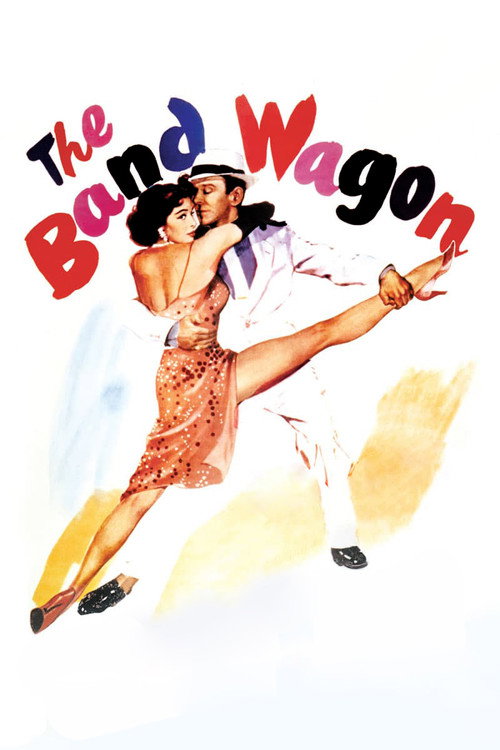
The Band Wagon1953
Fred Astaire in a Broadway musical wrapped around a romance. The production numbers are inventive, the script is clever, and it's genuinely funny without punching down.
But At 112 minutes it takes its time. Much more ambitious than a quickie like Swing Parade.
Singin' in the Rain1952
The gold standard: a 1920s Hollywood musical with romance, comedy, and three of the greatest dance sequences ever filmed. Pure craft and joy.
But So famous it can feel like a monument rather than a film. Watching it feels like cultural obligation rather than discovery.

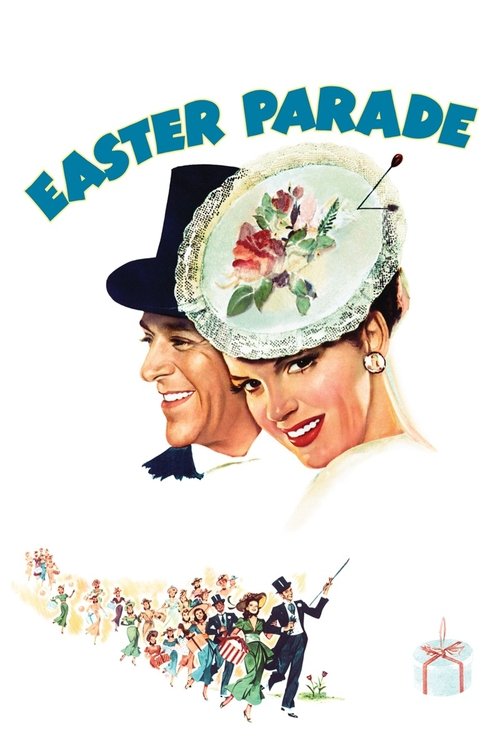
Easter Parade1948
Astaire and Garland as feuding song-and-dance partners forced to work together. It's light, the songs are hummable, and they have real chemistry.
But The production is less imaginative than other Astaire pictures, and plot-wise it's completely predictable from frame one.
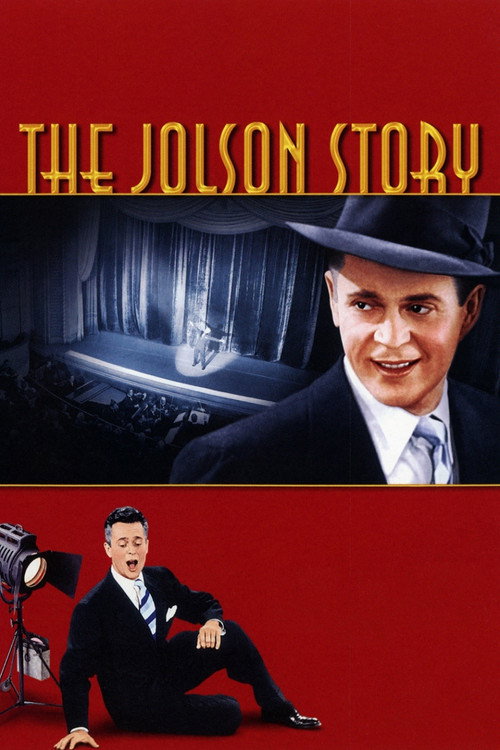
The Jolson Story1946
Another 1946 release about a performer chasing success—this one a biopic with genuine glamour and songs that still stick. Shows the darker ambition underneath the entertainment.
But It's hagiography dressed as biography, and three hours of unquestioned admiration gets wearing.
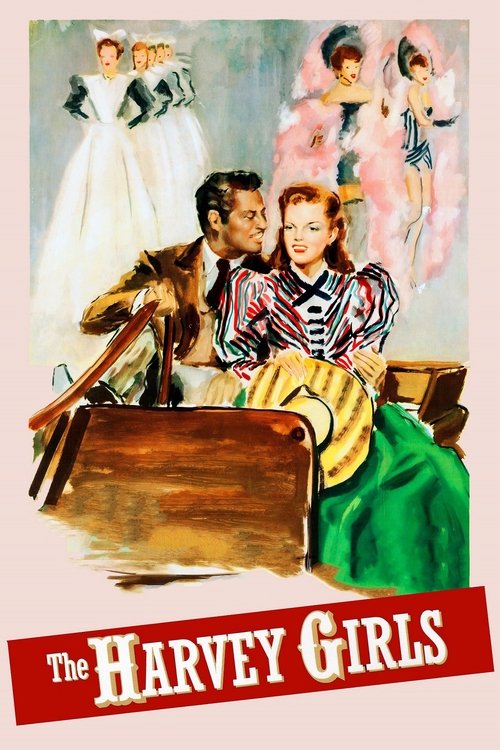
The Harvey Girls1946
Judy Garland and Ray Bolger in the Old West doing vaudeville numbers. Loose, silly, and the ensemble work is genuinely inventive. Technicolor at its best.
But Plot is nonsense and some of it hasn't aged well. The Western setting is mostly window dressing.
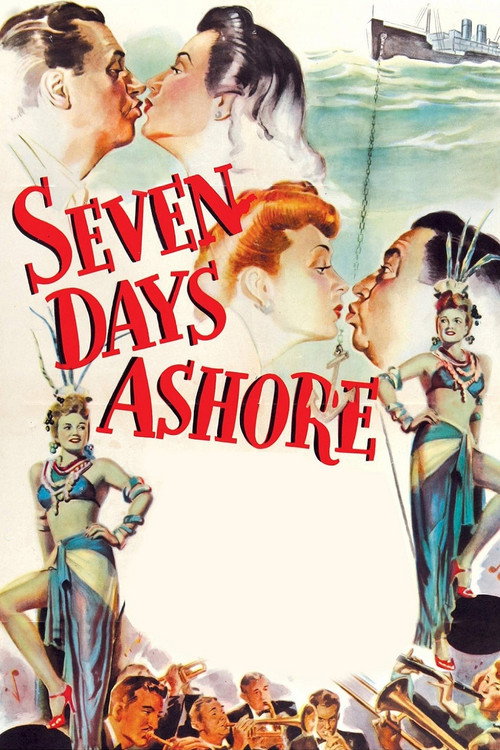
Seven Days Ashore1944
A wartime romance-musical with genuine warmth and songs by figures who mattered at the time. Short, direct, and honest about what it is.
But It's utterly forgotten for good reason—the songs don't linger, the romance is perfunctory, and it feels slight even by 1944 standards.
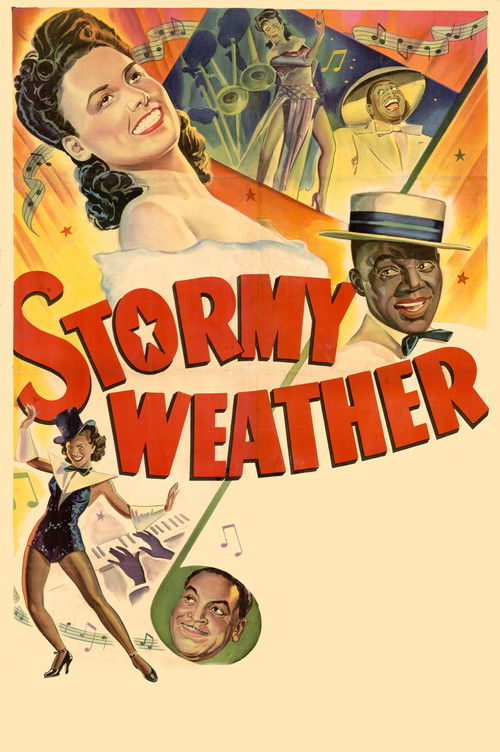
Stormy Weather1943
Structurally identical—nightclub setting, romance woven through performance numbers—but one was made for a segregated audience and one wasn't. Swing Parade shows the system from one angle; this shows what the same system denied.
Lena Horne, Bill Robinson, and a Black cast given a rare studio musical centred on their talent and dignity. It's a revue like Swing Parade but with genuine stakes—watching a love story unfold in a world that barely let these artists exist is powerful in ways accidental.
But It's a relic of segregated cinema; watching it means confronting that context directly. The film can't escape its own era no matter how good the performances.
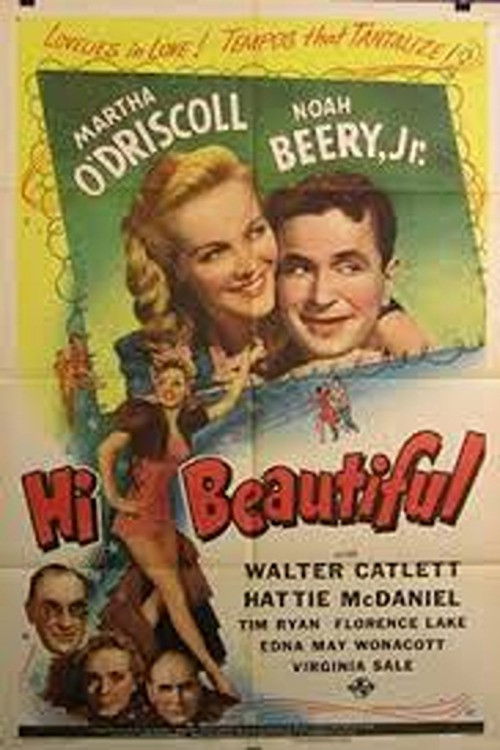
Hi, Beautiful1944
Both are exactly what they say they are—no pretence, no inflated ambition. But this one leans into the scrappiness while Swing Parade reaches for polish. They're the same impulse expressed in high and low register.
A forgotten musical shot in just two weeks during a studio cleanup, with Dinah Shore and Mark Platt. It's endearingly ramshackle—songs, romance, and low production values that somehow feel honest. Catches the wartime B-musical energy better than anything polished.
But The print quality is rough, nobody in it became a star, and the plot is even more transparent than Swing Parade. It asks very little of you and gives proportionally.
People
Cast
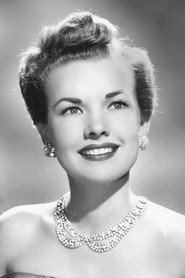 Gale StormCarol Lawrence
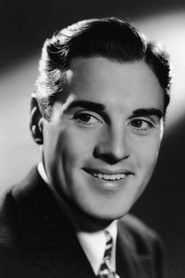 Phil ReganDanny Warren
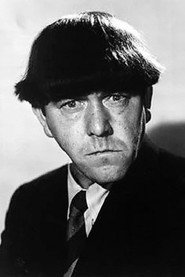 Moe HowardMoe
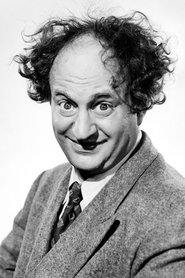 Larry FineLarry
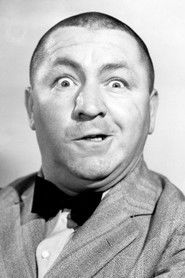 Curly HowardCurly
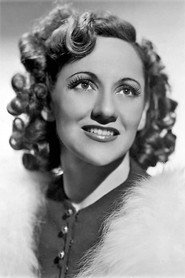 Connee BoswellHerself
- Louis JordanHimself
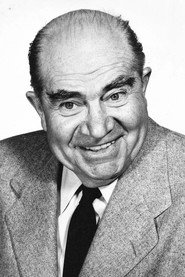 Edward BrophyMoose
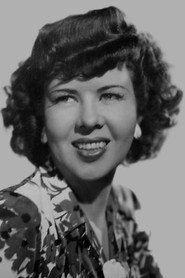 Mary TreenMarie Finch
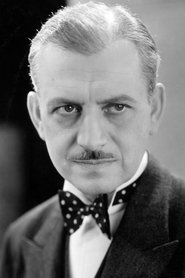 Russell HicksDaniel Warren Sr.
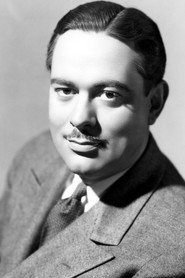 John EldredgeBascomb
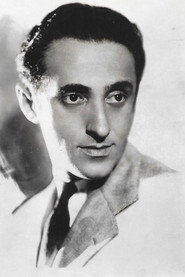 Leon BelascoPete
Directing
- Phil KarlsonDirector
Writing
- Edmond KelsoWriter
- Nicholas RayWriter