
Film
Orchestra Wives
A 1942 musical romance that captures the glamour and gossip of touring big-band life. Connie marries a trumpeter and discovers that orchestra wives operate as a pecking order unto themselves, full of intrigue and rivalry. It's warm, funny, and genuinely interested in the small dramas of women's lives on the road. A delight for anyone who loves the golden-age Hollywood musical or the particular texture of wartime entertainment.
If you liked this
Singin' in the Rain1952
A backstage musical about the mechanics and chaos of entertainment production, with the same breezy charm and romance. Gene Kelly and Donald O'Connor capture the joy and camaraderie that Orchestra Wives celebrates—the bond between performers.
But Its fame can make it feel inevitable. Some find the whimsy exhausting rather than delightful, and the plot is genuinely thin.

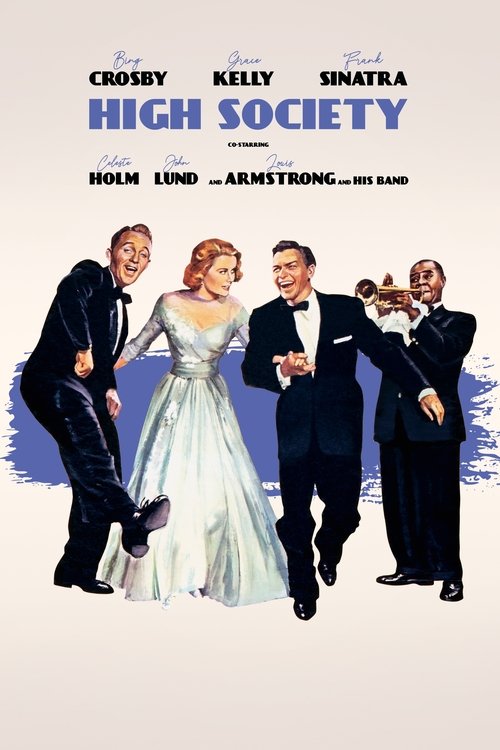
High Society1956
Grace Kelly, Bing Crosby, and Frank Sinatra navigate wealth, love, and social expectations with a light touch. It has the same romantic warmth and the same interest in how women navigate hierarchies and judgment.
But It's a Cole Porter musical from the 1950s—if that sounds saccharine to you, it will be. The gender politics are dated in ways that matter.
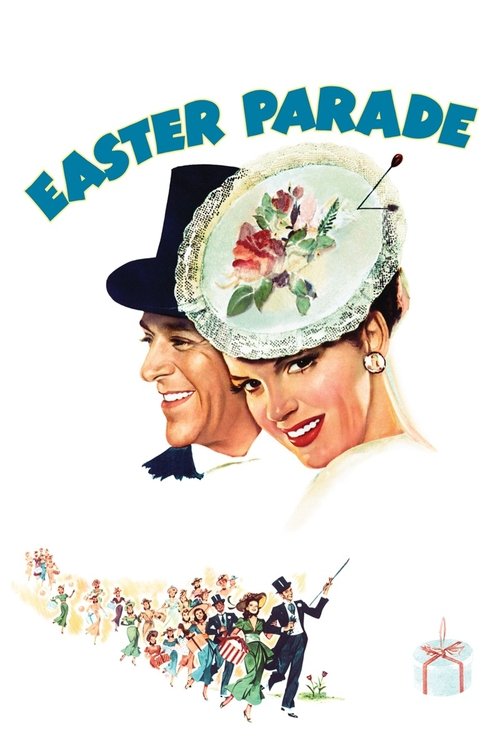
Easter Parade1948
Judy Garland and Fred Astaire as performers whose lives are entangled with their work. It's tender, funny, and captures the loneliness of entertaining life as deftly as it captures its shine.
But Watching Garland is bittersweet when you know her story. And the film's sentiment can curdle into saccharine if you're not in the mood.
Not sure tonight? Get a pick in a minute, starting from Orchestra Wives
The wildcard
Something you would not have found on your own.
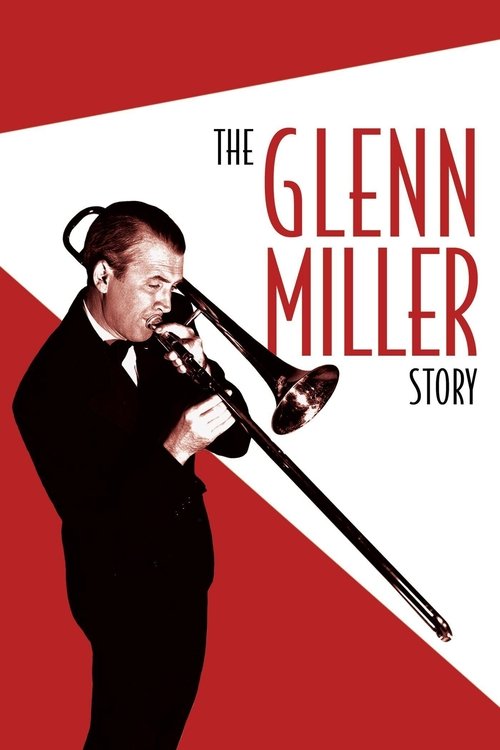
The Glenn Miller Story1954
Glenn Miller appears in Orchestra Wives as the bandleader and composer; this film tells his actual story and lets you see what was real.
The actual biographical film of Glenn Miller, who plays himself as a composer in Orchestra Wives. It's a window into the real history behind the entertainment, and how much was fact and how much was Hollywood invention. James Stewart plays Glenn Miller in the dramatized portions, which creates an odd, fascinating doubling.
But It's a biopic made a decade later, so the tone is more reverent and less playful. If you want the immediate wartime energy of Orchestra Wives, this institutionalizes it into history.
More like this (7)
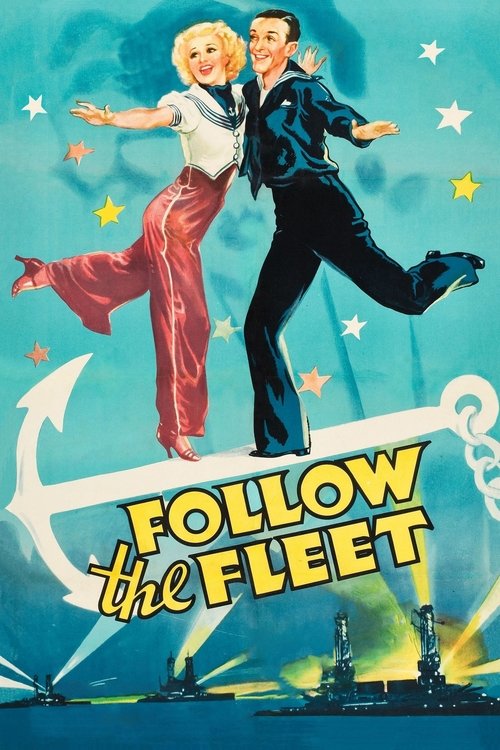
Follow the Fleet1936
Fred Astaire and Ginger Rogers as sailors on leave, with music, romance, and a genuine interest in how couples navigate work, duty, and each other. The dancing is matchless.
But It's over 100 minutes and spends considerable time on plot that exists only to connect dance numbers. The pacing feels slack by modern standards.
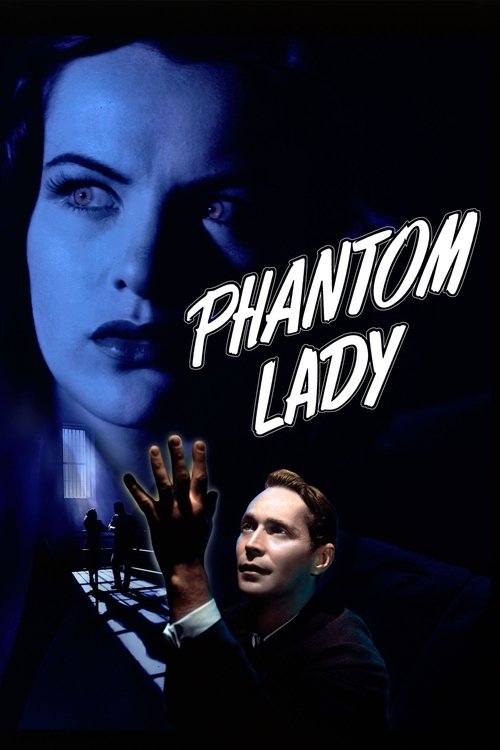
Phantom Lady1944
A noir thriller that shares Orchestra Wives' interest in women's lives and female friendship, but darkens it entirely. Ella Raines is wonderful, and the nightclub sequences have a kinetic energy that's intoxicating.
But It's a murder mystery that gets increasingly convoluted. If you want clarity of plot, you won't find it—but that's partly the fun.
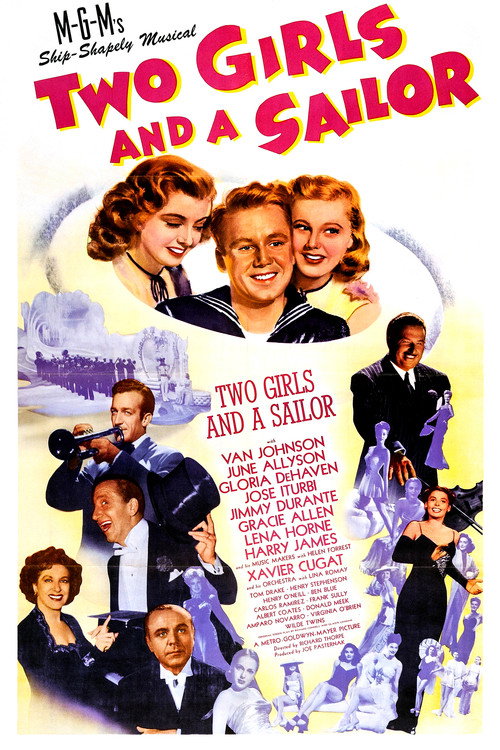
Two Girls and a Sailor1944
Another wartime musical with June Allyson and Gloria DeHavilland, centered on female friendship and aspiration. It has the same generous spirit and the same faith in entertainment as comfort.
But It's sentimentally patriotic in a way that's harder to embrace now. And the plot is genuinely thin—thinner than Orchestra Wives.
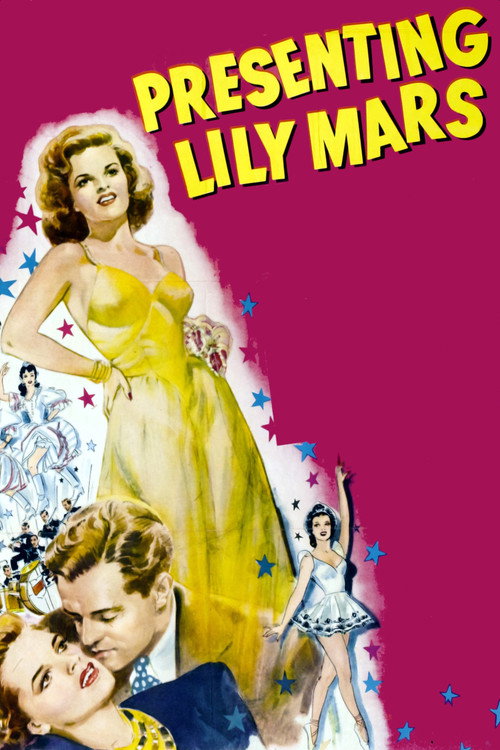
Presenting Lily Mars1943
Judy Garland as an ambitious young woman trying to make it in show business. It's warm and funny about ambition, performance, and the cost of wanting to be seen.
But The pacing is uneven and it drags in the middle. Van Heflin is charming but insubstantial as a love interest.
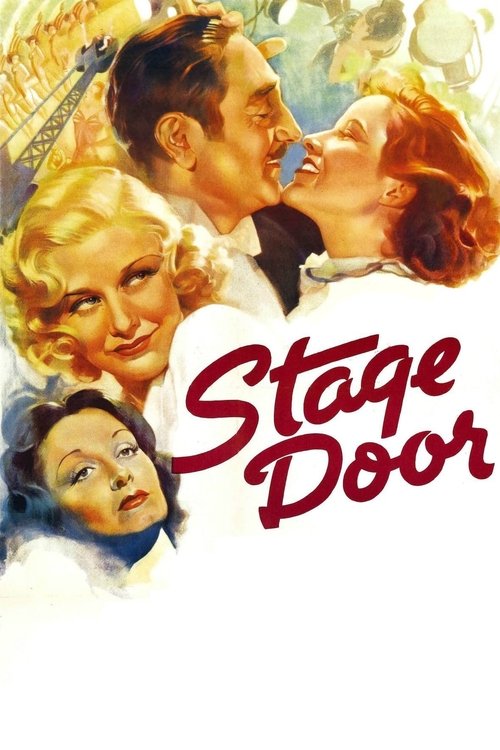
Stage Door1937
Ginger Rogers, Katharine Hepburn, and an ensemble of women sharing a boarding house while pursuing theater work. It's genuinely sharp about ambition, friendship, and the hierarchies women create among themselves.
But It's a play adapted to film and it shows—lots of talk, minimal movement. If you need visual storytelling, this will feel static and theatrical.
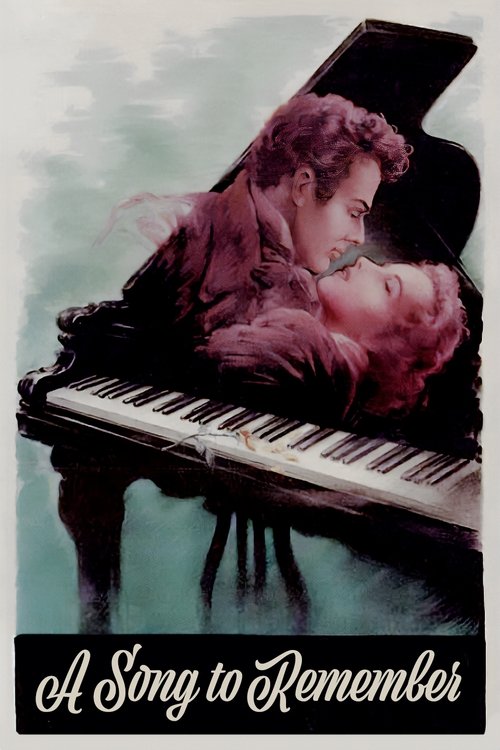
A Song to Remember1945
Both films dramatize the lives of working musicians as romantic tragedy and comedy, treating their private relationships as central to their art.
A Technicolor biopic of Chopin, lavishly mounted and surprisingly weird. It's the same impulse as Orchestra Wives—making the private lives of musicians into high-stakes romance—but applied to classical music and Polish exile. Cornel Wilde is absurdly earnest, and the film is genuinely strange.
But It's unintentionally funny in ways that can derail your investment in the emotion. The historical accuracy is approximate at best, and the political allegory is heavy-handed.
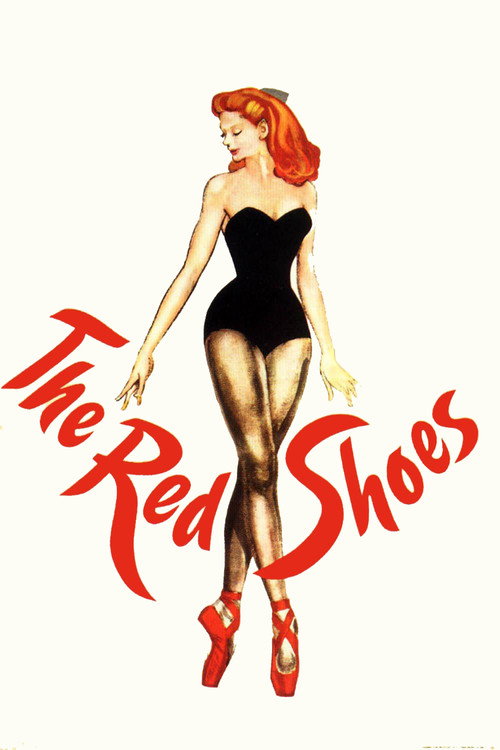
The Red Shoes1948
Both explore the tension between artistic dedication and personal happiness, and both make that tension the center of their story.
A ballet film made by Powell and Pressburger that treats dance and performance as a kind of obsession that consumes life. It's infinitely more surreal and severe than Orchestra Wives, but it shares the fascination with how artists live off stage and how their work bleeds into their relationships.
But It's visually overwhelming and deeply strange. If you go in expecting narrative clarity, you'll be frustrated. And the gender politics, while different from 1942, are still troubled.
People
Cast
 George MontgomeryBill Abbot
 Ann RutherfordConnie Ward Abbot
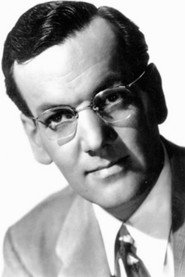 Glenn MillerGene Morrison
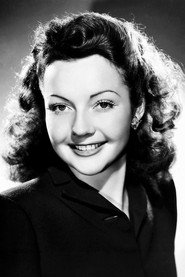 Lynn BariJaynie Stevens
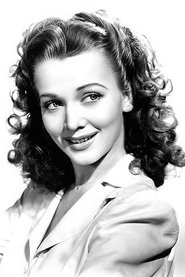 Carole LandisNatalie Mercer
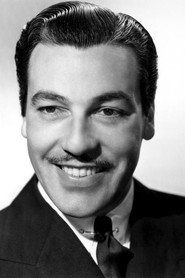 Cesar RomeroSt. John "Sinjin" Smith
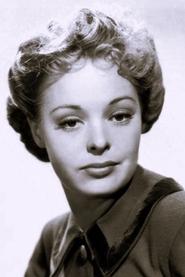 Virginia GilmoreElsie
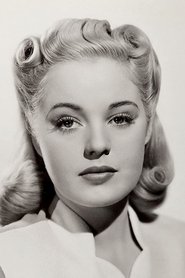 Mary Beth HughesCaroline Steele
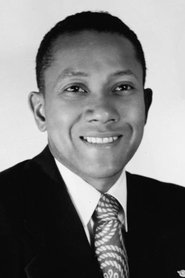 Fayard NicholasDancer (as Nicholas Brothers)
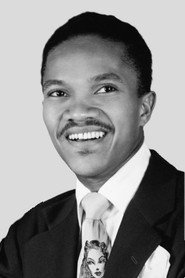 Harold NicholasDancer (as Nicholas Brothers)
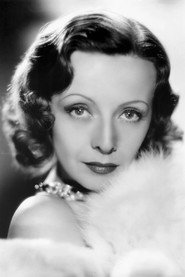 Tamara GevaMrs. Betsy Beck
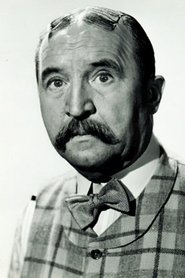 Frank OrthRex Willet
Directing
- Archie MayoDirector
Writing
- Darrell WareScreenplay
- Karl TunbergScreenplay
- James PrindleStory
Production
- William LeBaronProducer
Recommended by
Stage Door Canteen, The Fleet's In, Sun Valley Serenade, Let's Make Music, Moonlight in Hawaii