
Film
Presenting Lily Mars
- Musical
- Light-hearted
A 1943 musical romance where Judy Garland plays an audacious small-town girl chasing her Broadway dreams by pursuing a jaded theatrical producer. It's bubbly and purposeful—Garland gets to sing, scheme, and transform from pest to star. Perfect for anyone who loves Golden Age MGM musicals and the particular chemistry of a woman who simply refuses to take no for an answer.
Should you watch it?
Watch it if you love backstage musicals where ambition is bubbly and sincere, and a determined heroine talks her way into the spotlight with more charm than strategy.
Skip it if you want a tight, modern pace; this 1943 musical lingers on song and banter, and its romance is gentle, familiar and rarely in any hurry to surprise you.
What it asks of you: Roughly an hour and three-quarters of old-fashioned studio comedy, easygoing rather than frantic, with the musical numbers arriving as warm breaks in the chatter.
Not sure? Find tonight's pick in a minute.
If you liked this
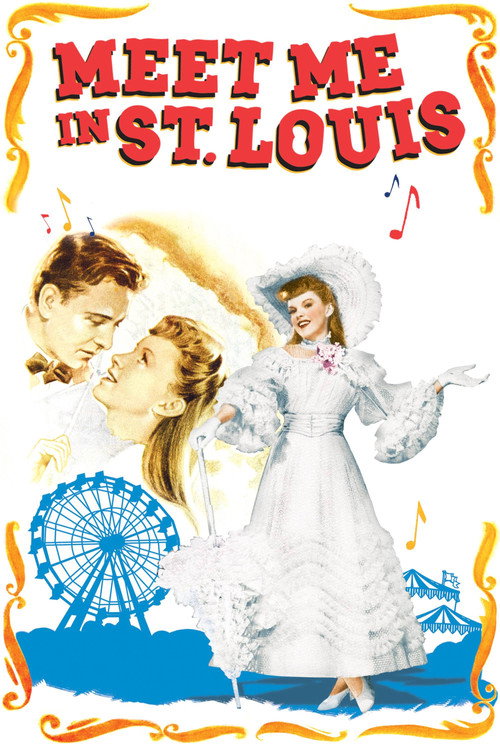
Meet Me in St. Louis1944
Judy Garland at her warmest, singing through a turn-of-the-century family's year of longing and small-town magic. The songs are immortal and the period detail is sumptuous without feeling stuffy.
But The plot meanders gently and refuses high stakes—if you need propulsive narrative, this will feel like watching paint dry in a mansion.
Singin' in the Rain1952
The peak of the Hollywood musical: three leads of nuclear charisma, a script that's both satire and love letter, and choreography that makes you believe humans were designed to move this way.
But Nearly eighty years old and it shows—if you need contemporary dialogue and pacing, the artifice might feel quaint rather than joyful.

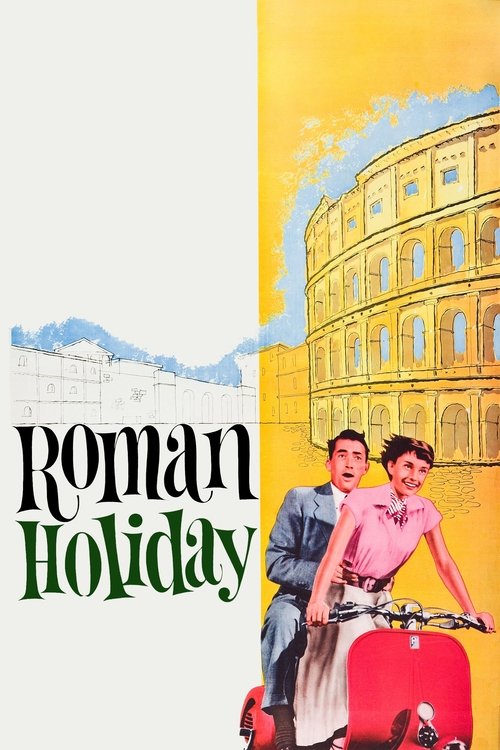
Roman Holiday1953
A princess escapes her handlers and falls for an American reporter in Rome. It's romance as pure escapism: gorgeous, witty, and so perfectly calibrated it doesn't put a foot wrong.
But The ending is deliberately bittersweet and some find it unsatisfying after two hours of charm and chemistry.
Not sure tonight? Get a pick in a minute, starting from Presenting Lily Mars
The wildcard
Something you would not have found on your own.
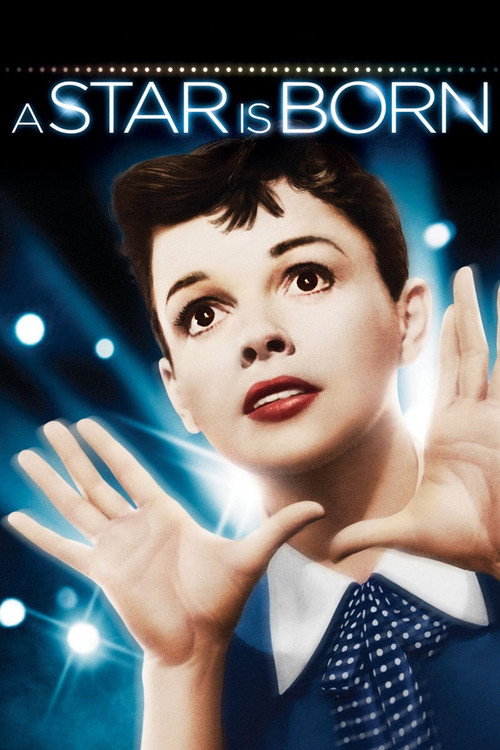
A Star Is Born1954
Both follow an ambitious young performer pursuing stardom through an older man's patronage, but this one asks: what if success doesn't fix anything?
Judy Garland as an ingénue who becomes a star while her mentor-lover destroys himself. It's darker and rawer than Presenting Lily Mars—a musical about ambition that doesn't flinch from its cost.
But At three hours, with a suicide and genuine psychological damage, it's exhausting rather than escapist. The restored version has tonal whiplash between acts.
More like this (8)
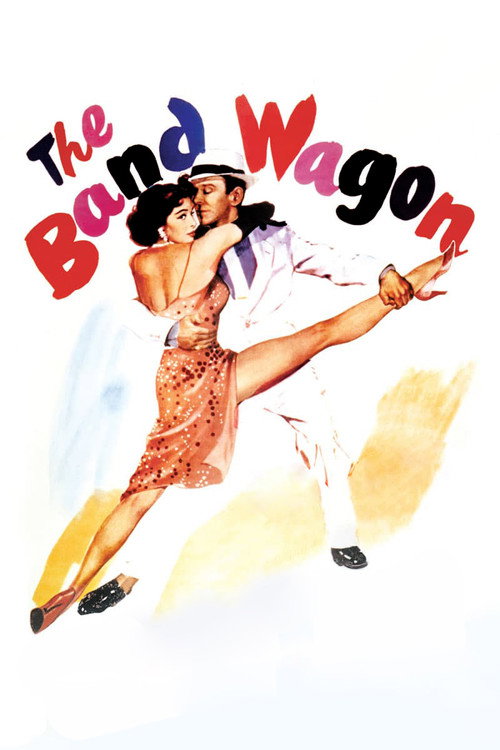
The Band Wagon1953
Fred Astaire and Cyd Charisse in a backstage romance that's actually about artistic reinvention and ego. The 'Dancing in the Dark' sequence alone justifies the entire runtime.
But It's deliberately theatrical and arch—if you prefer naturalism, the stylisation might feel suffocating rather than liberating.
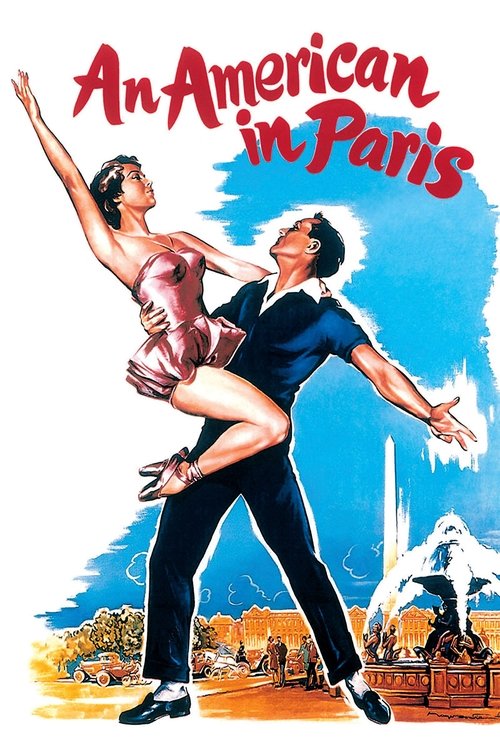
An American in Paris1951
Gene Kelly, Leslie Caron, and Paris itself become a musical argument about ambition and belonging. The closing ballet is audacious and the whole film swoons without apology.
But At two hours-plus, with a twenty-minute ballet finale, patience is mandatory. It can feel bloated if you're not in the mood.
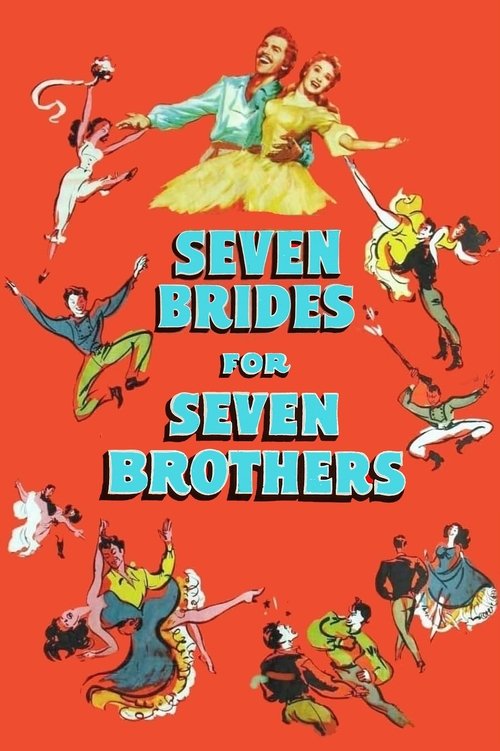
Seven Brides for Seven Brothers1954
A boisterous barn-raising musical that's genuinely fun: the choreography is joyful, the score bounces, and it commits fully to its absurd premise without winking.
But The gender politics are strictly 1950s—it's essentially about women accepting abduction, which no amount of charm can fully sand down.
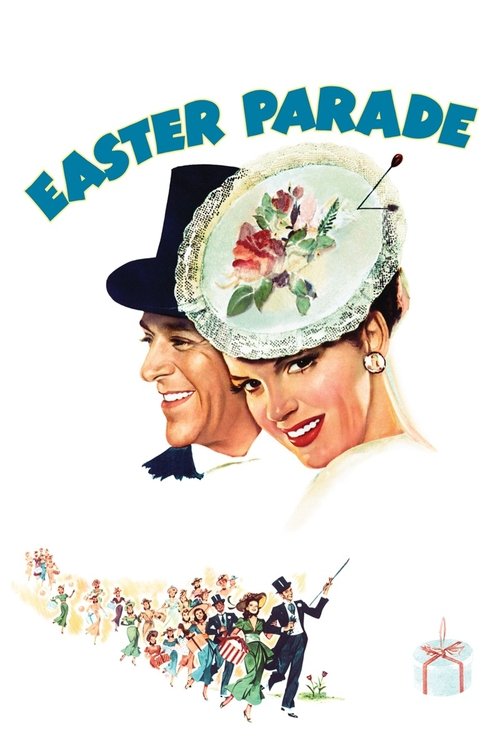
Easter Parade1948
Fred Astaire and Judy Garland as dance partners rebuilding their careers. The films trades on their mutual affection and Astaire's effortless elegance; the songs are Irving Berlin at his most tuneful.
But The plot is gossamer-thin and exists purely as scaffolding between musical numbers. Story matters less than spectacle.
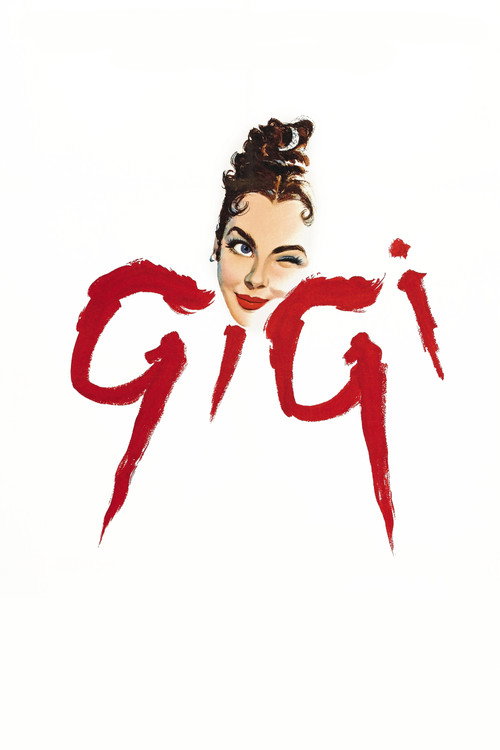
Gigi1958
A musical-romance about a girl trained to be a courtesan who wants love instead. It won Best Picture; Lerner and Loewe's score is sumptuous and it moves like honey through sunlight.
But The pacing is glacial, the subject matter can feel creepy on modern viewing, and whole sequences exist only to showcase production design.
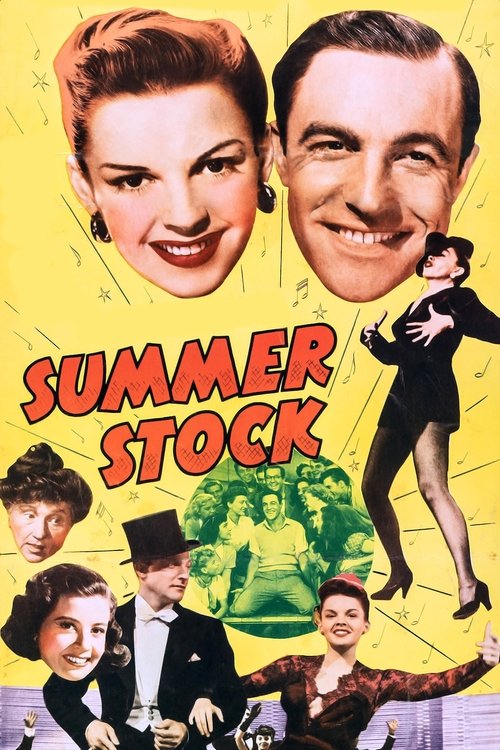
Summer Stock1950
Judy Garland and Gene Kelly on a farm, putting on a show. Less polished than the other MGM musicals but rawer—you can feel the chemistry and the effort underneath the gloss.
But Production troubles show: the film feels uneven, some numbers drag, and Garland's visible struggle during filming haunts it with melancholy.
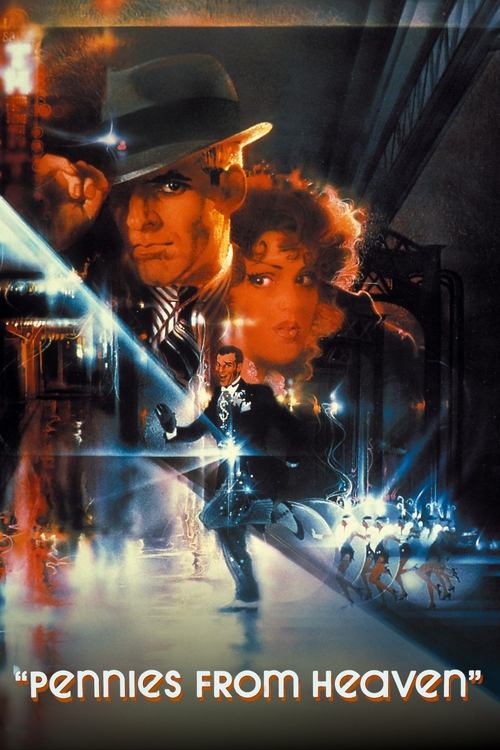
Pennies from Heaven1981
Both are musicals about escape and reinvention, but this one reveals the machinery—it shows you that the fantasy is a coping mechanism for people whose real lives are crushing them.
Steve Martin in Depression-era Chicago, fantasies bleeding into reality via elaborate song-and-dance sequences from old Hollywood. It's a musical that questions whether musicals are lies we tell ourselves.
But Visually stunning but narratively bleak—it's about infidelity, impotence, and despair. The juxtaposition of elaborate production numbers against grinding misery is intentionally disorienting.
The Red Shoes1948
Like Lily Mars, it's about a young performer desperate to impress an older man in power. But this one treats that dynamic as tragedy rather than romance—the mentor is a tyrant, and the ending doesn't celebrate ambition.
A dancer must choose between art and love when her impresario demands total devotion. Powell and Pressburger made a film about artistic obsession that's visually and emotionally overwhelming—every frame is designed.
But It's a British film made by theatre people and it shows: operatic, stylised, sometimes overwrought. If you prefer restraint, this will seem histrionic and exhausting.

People
Cast
 Judy GarlandLily Mars
 Van HeflinJohn Thornway
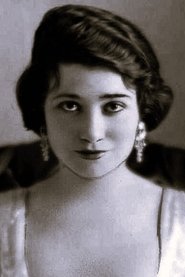 Fay BainterMrs. Thornway
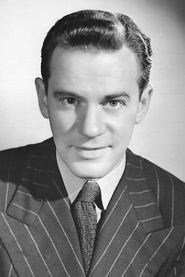 Richard CarlsonOwen Vail
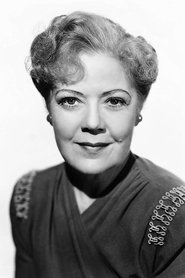 Spring ByingtonMrs. Mars
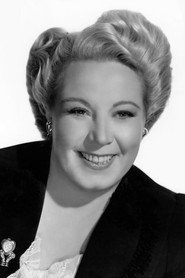 Connie GilchristFrankie
 Mártha EggerthIsobel Rekay
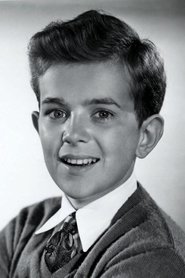 Douglas CroftDavey
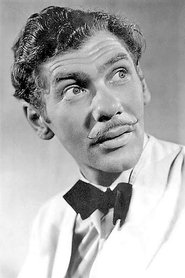
- Patricia BarkerPoppy
 Janet ChapmanViolet
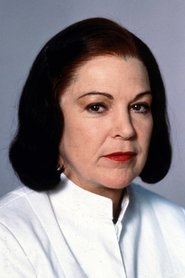 Annie RossRosie
Directing
- Norman TaurogDirector
Writing
- Booth TarkingtonNovel
- Gladys LehmanScreenplay
- Richard ConnellScreenplay
Production
- Joe PasternakProducer