
Film
Stage Door Canteen
- Romantic comedy
- Light-hearted
A 1943 wartime musical romance where a young soldier on leave discovers New York's Stage Door Canteen, a real USO-style venue staffed by Broadway stars. It's a breezy, star-stuffed affair that trades plot for personality—a love letter to theatrical generosity and the morale-boosting power of entertainment. Perfect for viewers drawn to Golden Age Hollywood's service-oriented idealism.
Should you watch it?
Watch it if you find wartime morale pictures charming as time capsules, and you enjoy a loose, variety-show parade of entertainers stitched around a sweet, low-stakes romance.
Skip it if you need a tight plot or a romance with real friction, since the story is thin and much of the 132 minutes is a string of performances.
What it asks of you: Long, meandering and light on tension, it runs on the rhythm of acts and cameos rather than anything building toward a climax.
Not sure? Find tonight's pick in a minute.
If you liked this
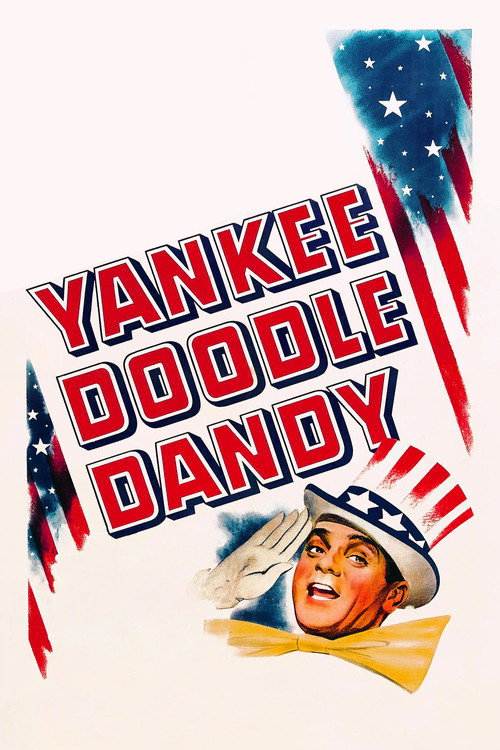
Yankee Doodle Dandy1942
James Cagney's electric performance as George M. Cohan captures the same theatrical verve and patriotic energy. A backstage musical that celebrates vaudeville tradition with genuine joy and spectacular production numbers.
But The tone can feel aggressively cheerful by modern standards, and the plot is fairly thin—it's really just an excuse for Cagney to dance and sing.
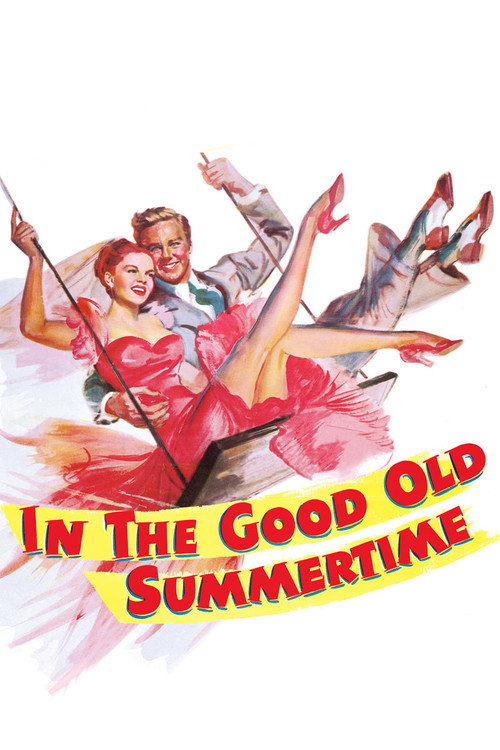
In the Good Old Summertime1949
A charming romantic comedy with Judy Garland set in a music shop, built on the same formula of likeable people, musical interludes, and sweetly old-fashioned courtship rituals.
But The romance feels quaint and the comedic timing depends on physical farce that doesn't always land. Some may find it too slight for two hours.
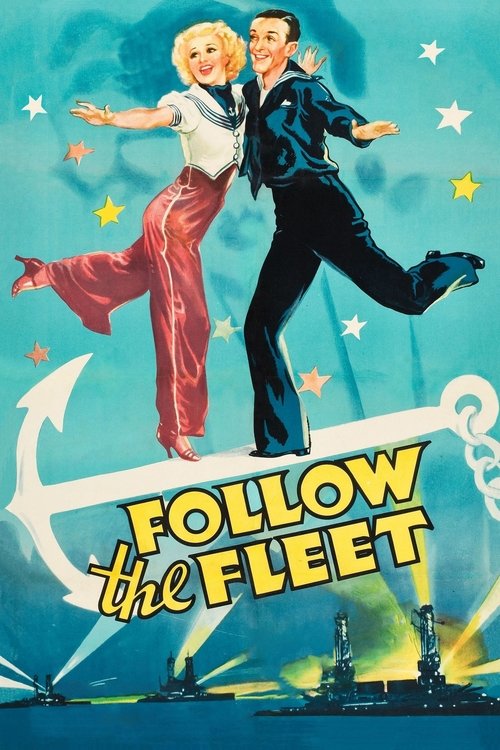
Follow the Fleet1936
Fred Astaire and Ginger Rogers deliver effortless glamour in this nautical romance with wonderful tap numbers. It captures that same era's blend of military setting, entertainment, and sparkling chemistry.
But The plot exists purely to connect dance sequences, and the pacing can feel languid if you're not entranced by the choreography.
Not sure tonight? Get a pick in a minute, starting from Stage Door Canteen
The wildcard
Something you would not have found on your own.
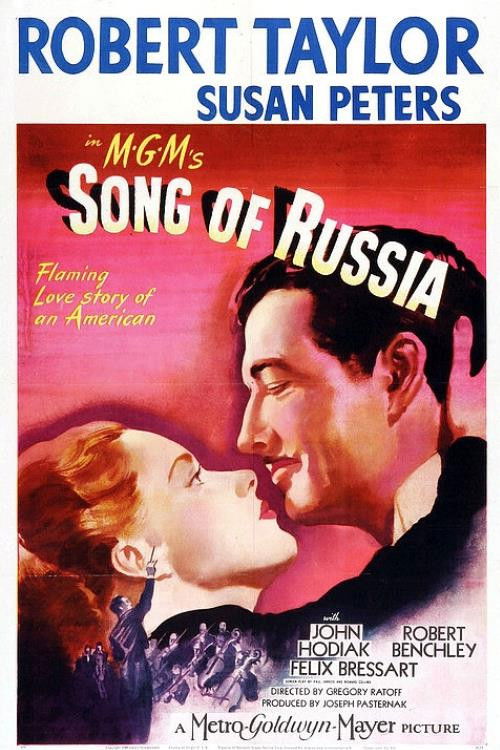
Song of Russia1944
Both are 1943-1944 wartime musicals where entertainment becomes the engine of the plot; both feature propaganda wrapped in genuine charm and production gloss; both believe that stars lifting soldier morale is heroic work.
A romantic musical about an American conductor and Russian pianist during wartime, made with comparable production values and idealism. It shares Stage Door Canteen's faith in art and entertainment as diplomatic force.
But The Cold War would make this film's Soviet Union sympathy historically awkward. It also feels longer than it is, with pacing that assumes audiences will sit through entire concerts.
More like this (8)
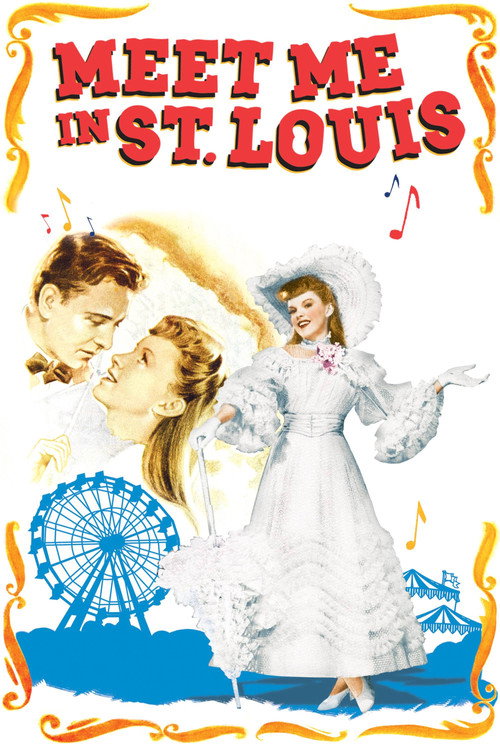
Meet Me in St. Louis1944
Judy Garland in an ensemble piece about American life during a specific historical moment, with gorgeous production design and infectious musical numbers celebrating community and tradition.
But Its sentimentality is extreme—the film genuinely believes in small-town warmth as the highest good. Some viewers find that suffocating.
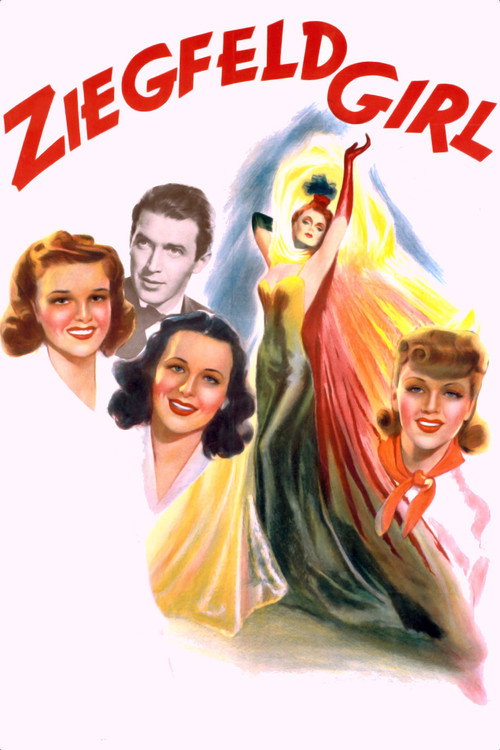
Ziegfeld Girl1941
A glamorous ensemble piece about show business ambition with Judy Garland, Hedy Lamarr, and Lana Turner. Like Stage Door Canteen, it's more about atmosphere and spectacle than narrative coherence.
But The moral framework feels dated and constraining. Three parallel stories of women in entertainment end with varying amounts of judgment based on their personal choices.
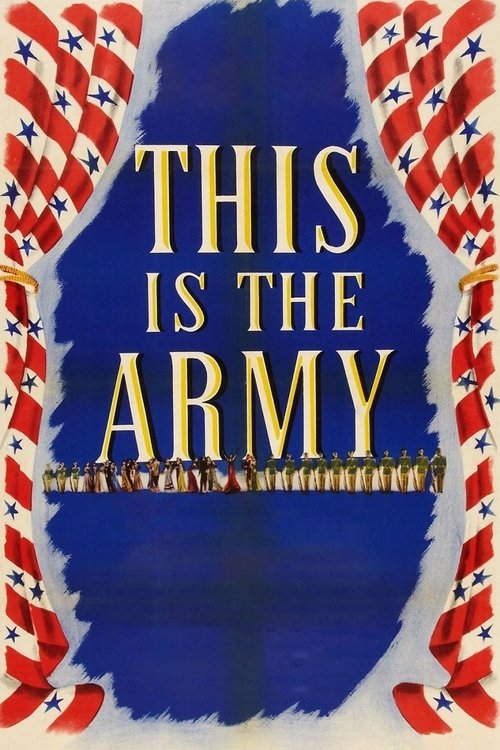
This Is the Army1943
Released the same year and in the same patriotic spirit, this Irving Berlin musical weaves military life, entertainment, and romance with genuine energy and a large-scale production number finale.
But The propagandistic elements are unmissable and sometimes heavy-handed. The love story is thin even by the standards of the time.
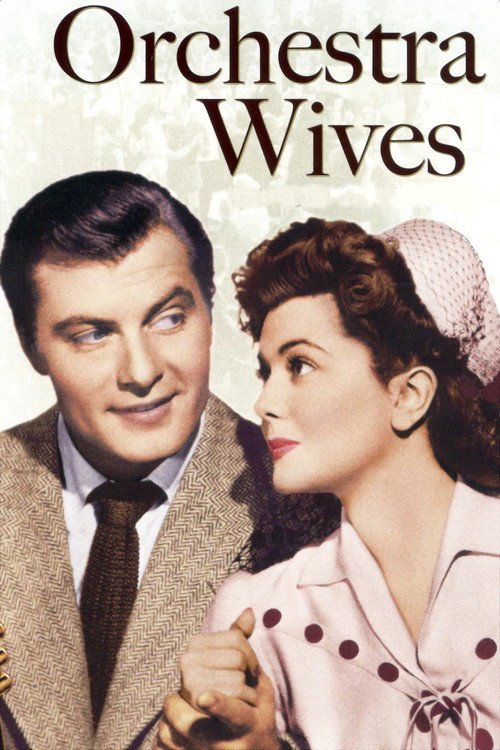
Orchestra Wives1942
A backstage musical about musicians and their relationships, combining Glenn Miller's orchestra, several musical numbers, and that same wartime-era charm and camaraderie.
But The band plot takes precedence over the actual narrative, and if you're not invested in early 1940s swing music, long stretches will feel like filler.
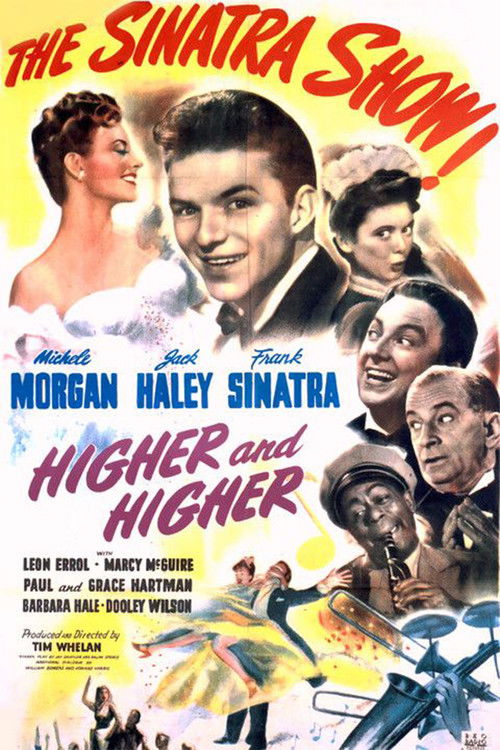
Higher and Higher1943
Produced the same year with Frank Sinatra, this musical romance has that same wartime optimism and lightweight charm—a Cinderella story told through songs and good humor.
But Sinatra's acting is workmanlike at best, and the plot hinges on deception that strains credibility. The pacing is deliberately casual in ways that test patience.
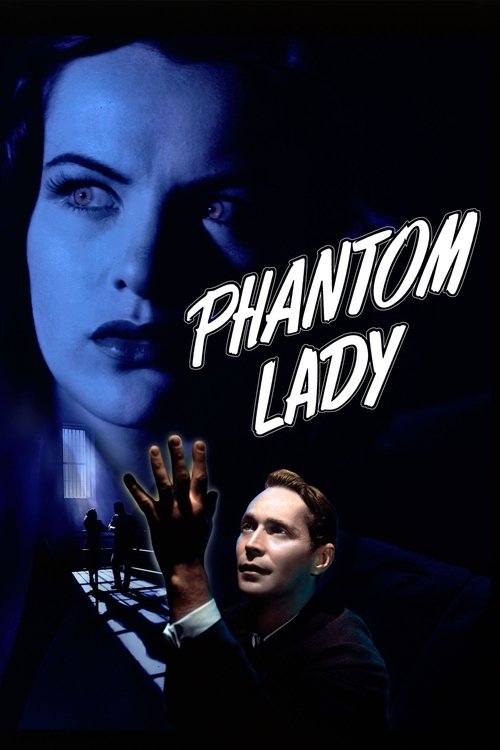
Phantom Lady1944
A stylish film noir with Ella Raines that captures the same 1944 New York setting and era, though it trades comedy for intrigue and features an extraordinary nightclub musical number sequence.
But It's genuinely dark—a murder mystery with stalking and menace. Tonal whiplash if you're expecting wartime musical lightness; genuinely unsettling if you're seeking escapism.
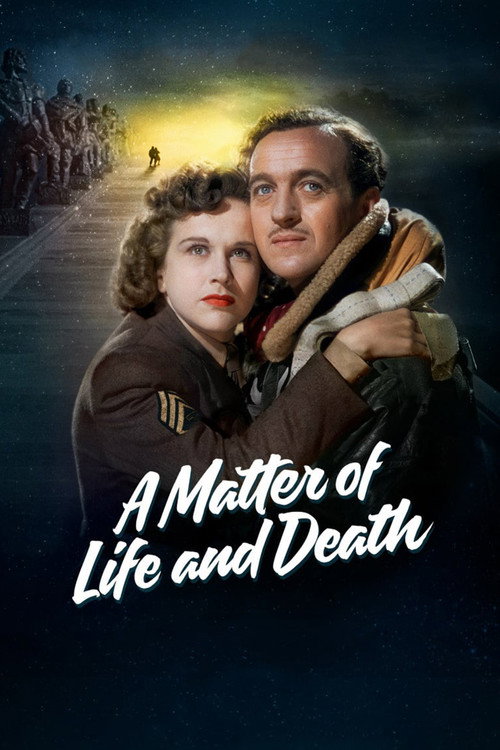
A Matter of Life and Death1946
Both celebrate wartime sacrifice through spectacle and performance; both believe military service is worthy of mythic treatment; both use theatrical artifice (bright colors, stagey sets, music) to elevate ordinary human moments into something transcendent.
A Powell and Pressburger fantasy about an RAF pilot judged in the afterlife, it has the theatrical grandeur and moral idealism of Stage Door Canteen but pushed into metaphysical territory. Visually audacious.
But It's deadly serious about death, sacrifice, and British-American relations—not escapism. The pacing is meditative and the dialogue often abstract. Some find it pretentious.
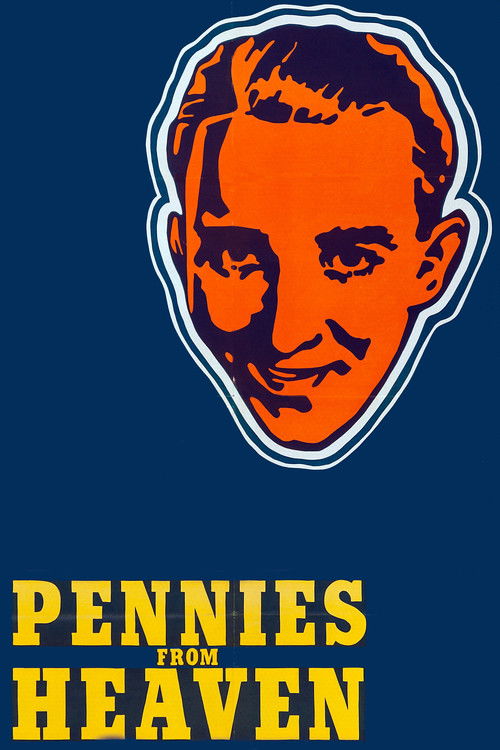
Pennies from Heaven1936
Both use musical numbers and romance as psychological survival tools during national crisis; both feature realistic working people and authentic venues; both suggest that entertainment matters not because it's fun but because it helps people endure.
A Depression-era musical romance where a unemployed man and a schoolteacher find solace in music and each other. It has Stage Door Canteen's belief that entertainment sustains people through hard times, but filtered through real economic desperation.
But It's melancholic beneath the songs—the romance doesn't solve anything. Poverty hangs over the whole film. Viewers seeking pure escapism will find the undercurrent of hardship depressing rather than uplifting.
People
Cast
 Cheryl WalkerEileen
 William TerryDakota
 Marjorie RiordanJean
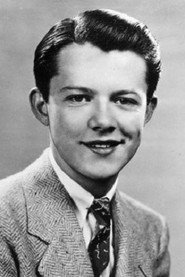 Lon McCallisterCalifornia
 Margaret EarlyElla Sue

 Dorothea KentMamie
 Frederick BradyJersey
 Judith AndersonJudith Anderson
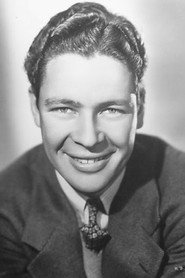 Kenny BakerKenny Baker
 Tallulah BankheadTallulah Bankhead
 Ralph BellamyRalph Bellamy
Directing
- Lew BorzageAssistant Director
- Virgil HartAssistant Director
- Frank BorzageDirector
Writing
- Lorenz HartLyricist
- Delmer DavesScreenplay
Production
- Barney BriskinAssociate Producer
- Frank BorzageProducer
- Sol LesserProducer