
Film
Higher and Higher
- Screwball comedy
- Light-hearted
A 1943 musical comedy about a valet scheming to restore his bankrupt boss's fortune by disguising a scullery maid as a socialite. It's a breezy, good-natured romp through mistaken identity and class confusion, powered by charm, music, and the kind of slapstick logic that only works in wartime escapism. For anyone who loves old Hollywood's frothy side and doesn't mind paper-thin plots.
If you liked this
Singin' in the Rain1952
A masterpiece of musical comedy that shares the same DNA: infectious charm, genuine dancing brilliance, and a plot so thin it barely needs to exist. Pure joy made tangible.
But It's been canonized to death, and if you've seen it before, revisiting it feels obligatory rather than surprising.

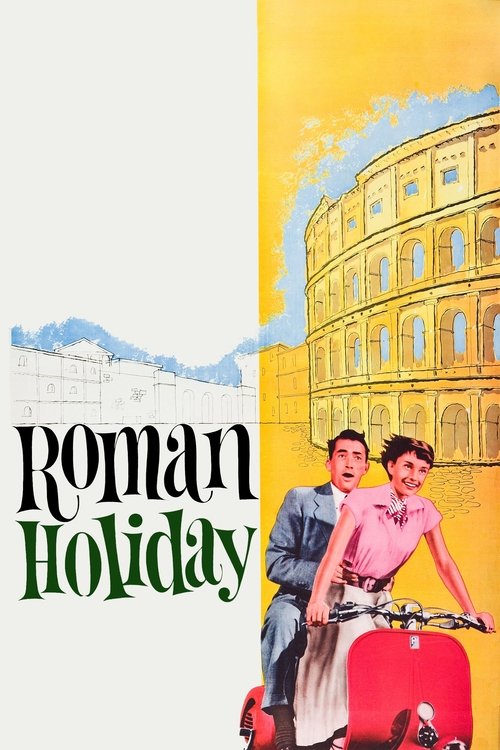
Roman Holiday1953
Another wartime-era romance built on a deception—a princess pretending to be ordinary. It has Audrey Hepburn, actual emotional stakes, and a lightness that makes the artifice feel earned.
But It's more romantic than comedic, and if you want laughs over sentiment, you'll be disappointed.
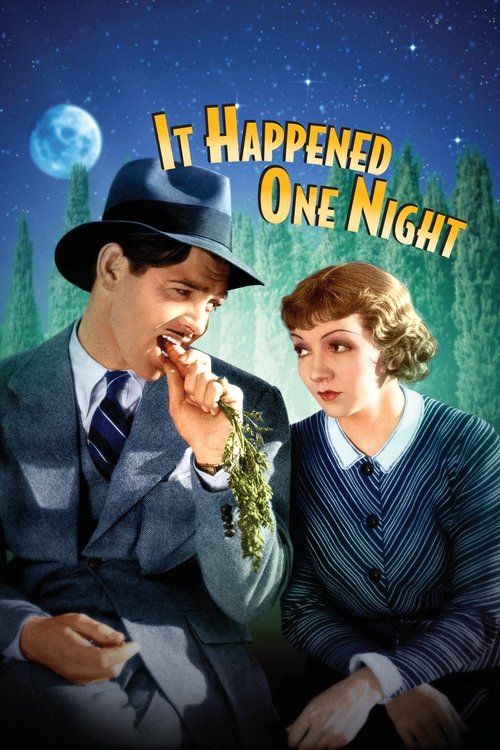
It Happened One Night1934
The gold standard for screwball class-clash romance. A reporter and a runaway heiress discovering each other across social boundaries, with snappy dialogue and genuine chemistry doing all the heavy lifting.
But At 105 minutes it outstays the welcome of its slim premise, and the pacing can feel slack by modern standards.
Not sure tonight? Get a pick in a minute, starting from Higher and Higher
The wildcard
Something you would not have found on your own.
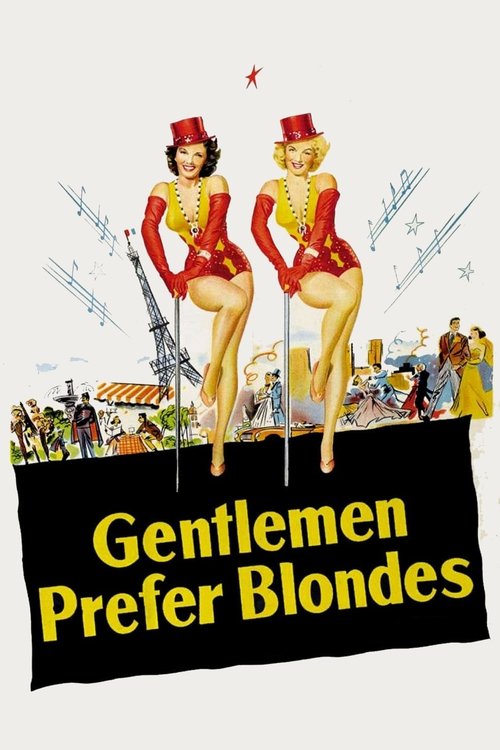
Gentlemen Prefer Blondes1953
Both hinge on the performance of social identity as a tool for advancement, but this one gives the performance to the women with agency, not to those being deceived about them.
Marilyn Monroe and Jane Russell flip the class-deception premise: they're pretending to be naive gold-diggers while orchestrating their own rise. It's what Higher and Higher could be if it had real bite and sexuality instead of timidity.
But The portrayal of women as strategic manipulators dates awkwardly, and the humor can feel mean-spirited toward its female characters.
More like this (8)
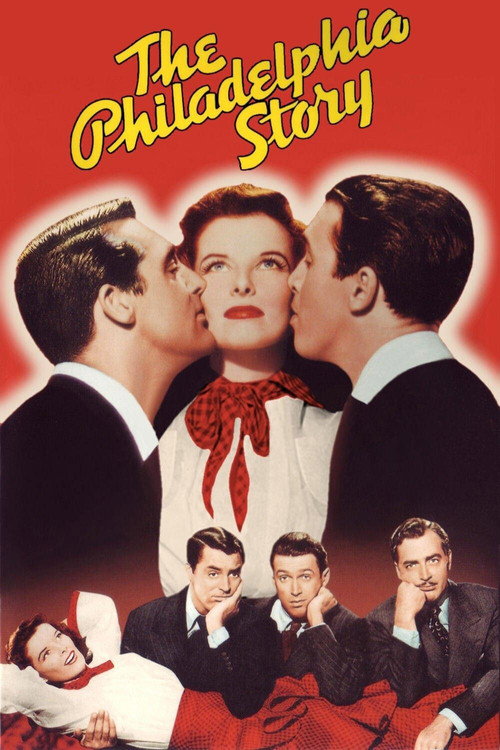
The Philadelphia Story1940
Cary Grant, James Stewart, and Katharine Hepburn trading barbs about class, marriage, and pretense. It's smart, funny, and makes you believe these people actually like each other even while mocking them.
But The gender politics are period-specific in ways that can sting, particularly around women's autonomy and forgiveness.
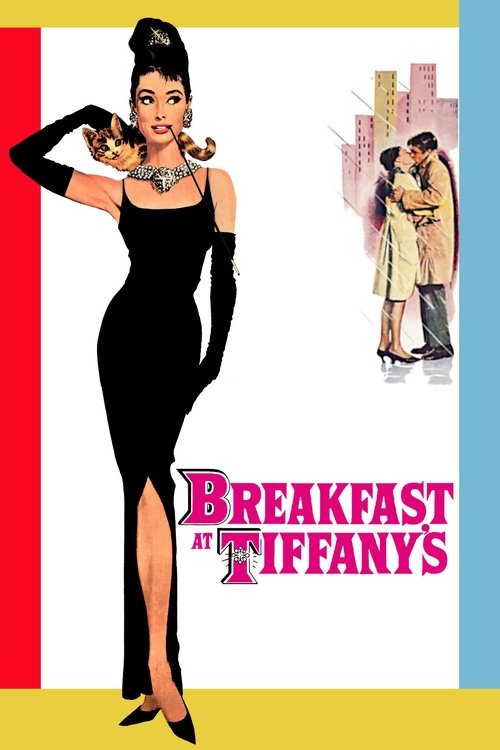
Breakfast at Tiffany's1961
Audrey Hepburn as a free-spirited woman whose background doesn't match her present—another variation on the theme of reinvention and class performance, but with genuine melancholy underneath.
But The cat-themed subplot feels dated, and Henry Grossman's portrayal hasn't aged well by any measure.
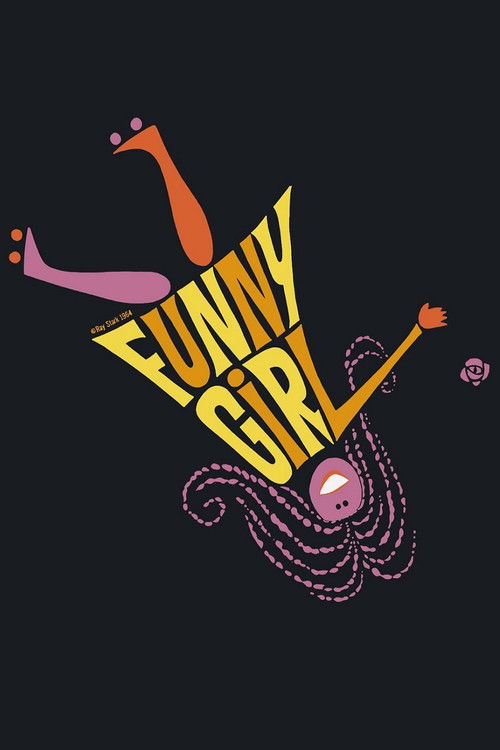
Funny Girl1968
Barbra Streisand as a woman who performs her way up and out, with real stakes attached to her ambition. The musical numbers are thrilling and the emotional weight is genuine.
But It's three hours long and doesn't always justify its length; the second half slackens considerably.
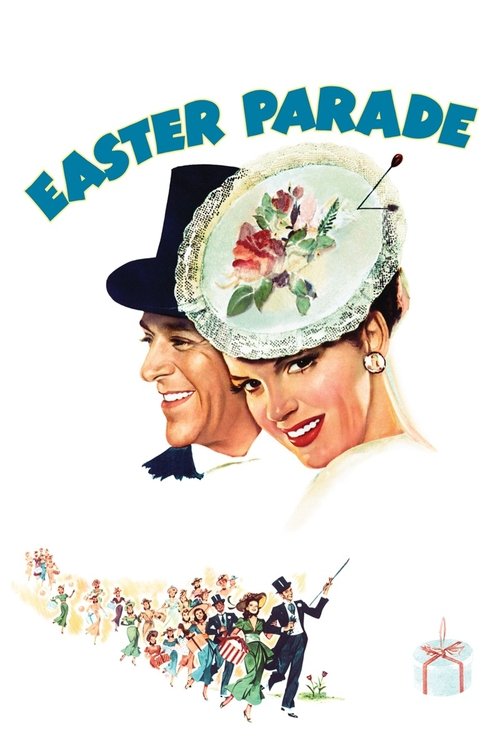
Easter Parade1948
Fred Astaire and Judy Garland proving again that two great dancers can carry a flimsy plot through sheer talent and star power. The musical sequences are pure entertainment.
But The story really is negligible, and if you're not enchanted by old Hollywood dance numbers, there's not much underneath.
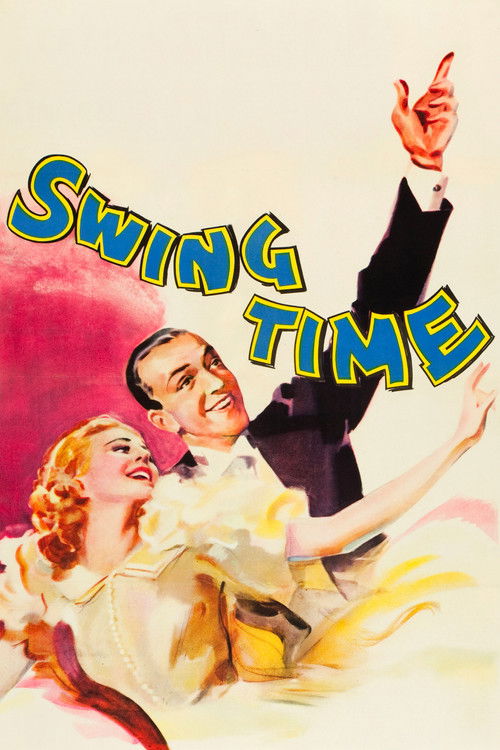
Swing Time1936
Fred Astaire and Ginger Rogers in perhaps their most effortless pairing, built around a con-artist premise that gives the dancing real purpose. The title number alone is worth the ticket.
But The plot mechanics require you to accept some pretty cynical behavior from the leads, and it doesn't always sit comfortably.
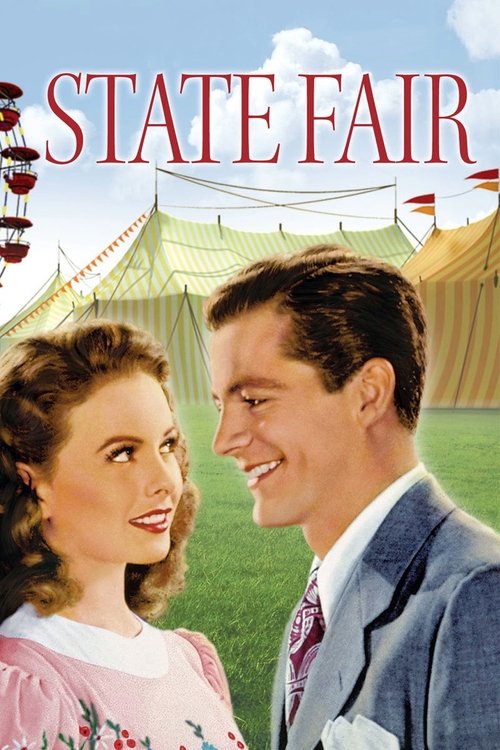
State Fair1945
A Rodgers and Hammerstein musical from the same era, full of genuine warmth and Americana charm. It's slight, but made with actual craft and affection.
But Slight is the operative word; it's so genial it barely registers, and there's nothing to latch onto emotionally.
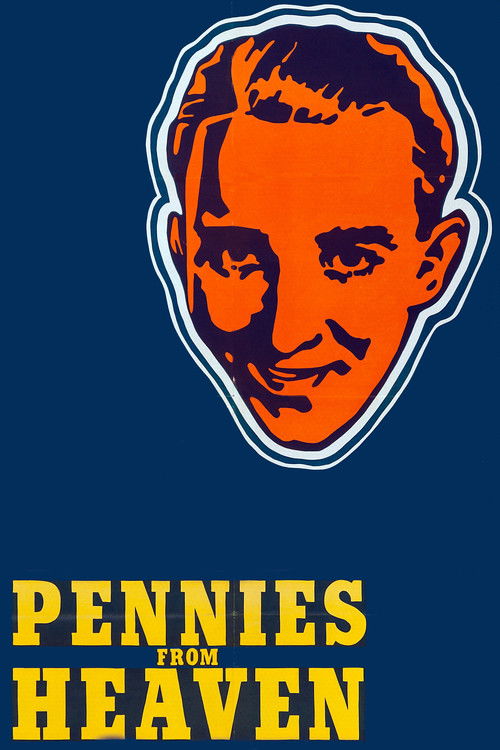
Pennies from Heaven1936
Same year, same era, same costume of musical comedy—but this one uses the form to tell you something true about economic precarity instead of escaping it.
A Depression-era musical that looks similar but operates in a completely different register: it's about desperation dressed up in song, about people doing whatever they can to survive. Depression-era sadness wrapped in Cole Porter.
But It's darker and more genuinely desperate than its plot summary suggests, and the tonal whiplash between musical and melodrama won't appeal to everyone.
The Red Shoes1948
Both are about the machinery of reinvention and the cost of performance, but this one recognizes that the masquerade never ends and that it can consume you.
A complete departure in tone and ambition: a film about performance and social performance, but psychological and operatic. It takes the costume of fantasy seriously and makes you believe in its logic completely.
But It's visually overwhelming and emotionally intense in ways that demand your full attention; nothing like the breezy escapism of Higher and Higher.

People
Cast
 Michèle MorganMillie
 Jack HaleyMike O'Brien
 Frank SinatraFrank
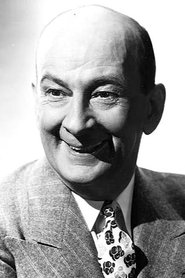 Leon ErrolCyrus Drake
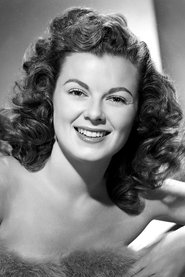 Barbara HaleKatherine
 Mel TorméMarty
 Victor BorgeSir Victor
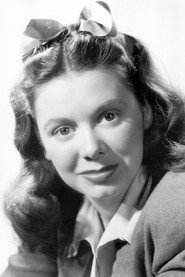 Marcy McGuireMickey
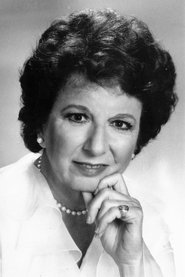 Mary WickesSandy Brooks
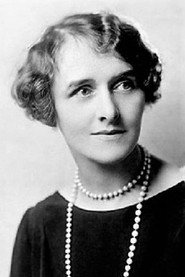 Elisabeth RisdonGeorgia Keating
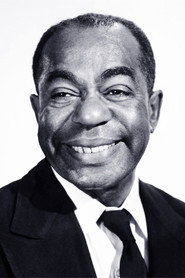 Dooley WilsonOscar
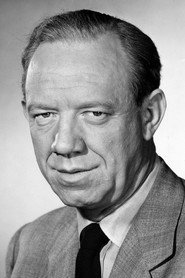 Paul HartmanByngham
Directing
- Tim WhelanDirector
Writing
- Harold AdamsonLyricist
- Gladys HurlbutMusical
- Joshua LoganMusical
- Jay DratlerScreenplay
- Ralph SpenceScreenplay
Production
- Tim WhelanProducer