
Film
Song of Russia
A 1944 American wartime romance where a conductor falls for a Soviet pianist amid a 40-city concert tour, right as Nazi Germany invades. It's technically a love story and musical drama, but really it's wartime propaganda dressed in orchestra clothes—earnest, sentimental, designed to build American sympathy for our Soviet allies. For viewers curious about how Hollywood sold the Russia alliance, or who love golden-age melodrama regardless of its politics.
If you liked this
The Red Shoes1948
A ballet dancer torn between love and art, shot with such visual rapture that the dancing becomes the emotional heart. Like Song of Russia, it uses music and romance to explore impossible choices, but with infinitely more sophistication and without the propaganda angle.
But It's a British film from the late 1940s and moves at its own unhurried pace. If you want plot momentum over mood and beauty, it will feel slow.

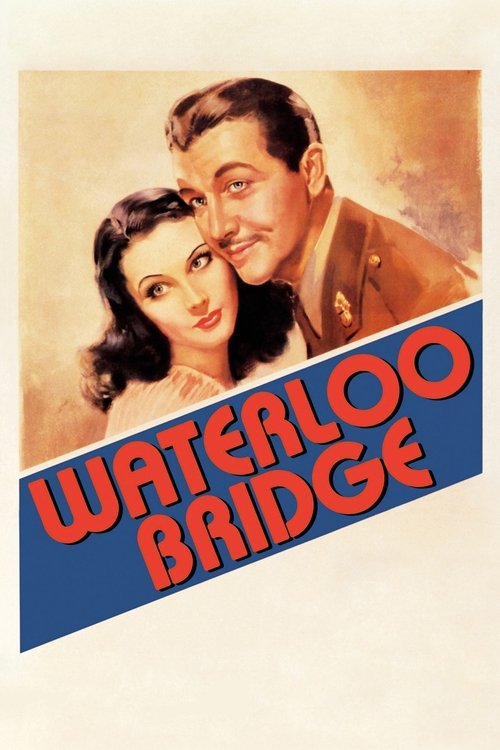
Waterloo Bridge1940
Vivien Leigh and Robert Taylor in a wartime romance about a ballerina and a soldier, all fog-lit London streets and tragic inevitability. It has the same sweep and emotional melodrama as Song of Russia, but the tragedy actually lands.
But It's fundamentally bleak. If you want your 1940s romance to end hopefully, this is going to sting.
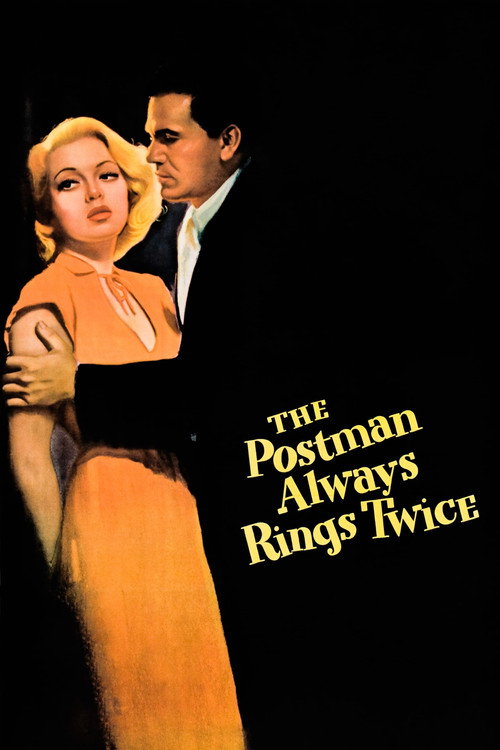
The Postman Always Rings Twice1946
Lana Turner and John Garfield in a noir-tinged romance that proves the 1940s could do dangerously carnal passion when they wanted to. It's proof the decade had range beyond noble wartime sentimentality.
But It's morally murky and sexually charged in ways that might feel slow-burn compared to modern pacing. Also, the ending is grimly fatalistic.
Not sure tonight? Get a pick in a minute, starting from Song of Russia
The wildcard
Something you would not have found on your own.
The Third Man1949
Both center an American's idealistic arrival in a war-torn Eastern European sphere, but where Song of Russia sees hope, this sees the machinery beneath it. One is wartime propaganda; the other is postwar disillusionment.
A post-war Vienna thriller with Joseph Cotten as an American arriving in occupied Austria, discovering betrayal and compromise at every turn. Like Song of Russia, it's about an American confronting a damaged Soviet-adjacent world—but this time as moral skeptic rather than romantic fool. Carol Reed's direction and that zither score make it transcendent.
But It's a spy thriller, not a romance, and it moves through shadow and ambiguity rather than light. The ending offers no comfort, only clarity about human nature.

More like this (8)
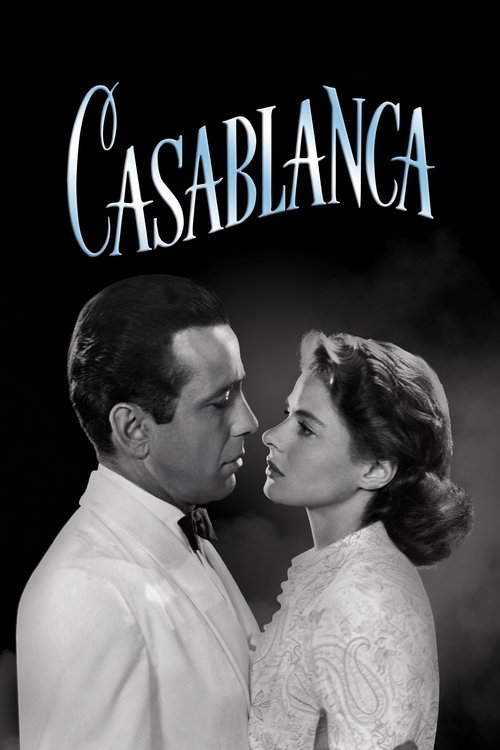
Casablanca1943
The definitive wartime romance: American, pianist, star-crossed lovers, and Nazis in the background. It does everything Song of Russia attempts but with actual suspense, wit, and Humphrey Bogart.
But If you haven't seen it yet, that's a separate conversation. But yes, the obvious choice is obvious for a reason.
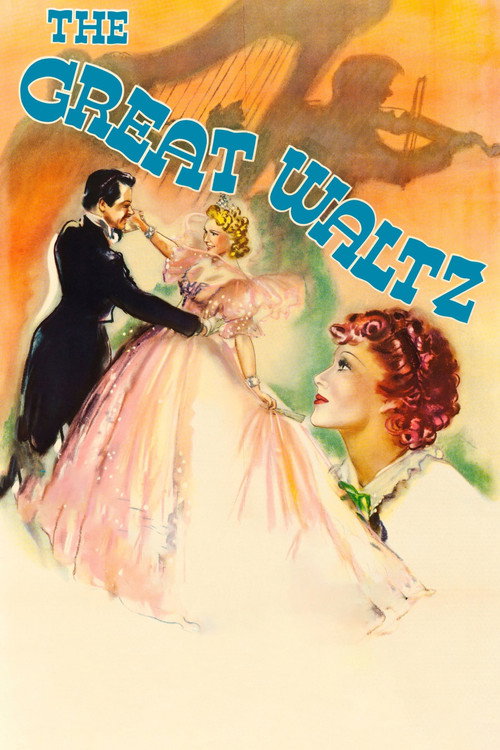
The Great Waltz1938
Luise Rainer as a composer's wife, built around actual musical performances and a sweeping romance. It's the same DNA as Song of Russia—music, love, spectacle—executed by a studio at peak resources.
But It's a biopic first and a romance second. If the historical framework of Strauss's life doesn't interest you, the emotional stakes feel thin.
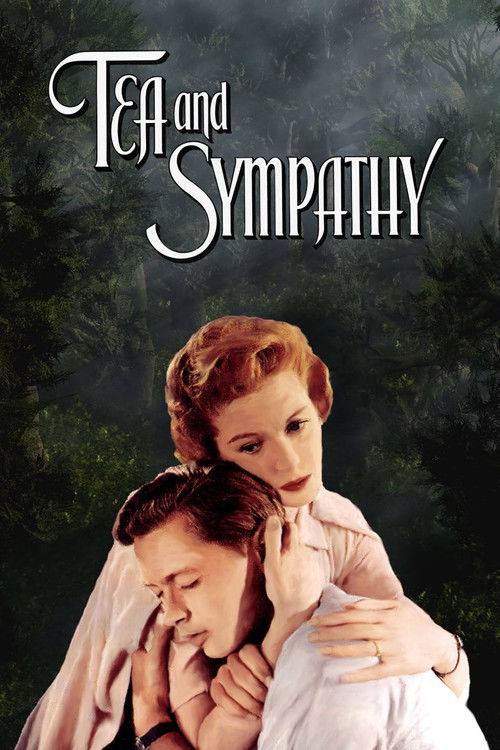
Tea and Sympathy1956
Deborah Kerr and John Kerr in a drama about a lonely boy and a schoolmaster's wife, set against 1950s masculine anxiety. It has the same quiet emotional intensity as the best moments of Song of Russia, without the historical awkwardness.
But It's a small, interior drama about suburban unhappiness. There's no spectacle, no music, no sweep—just loneliness and longing.
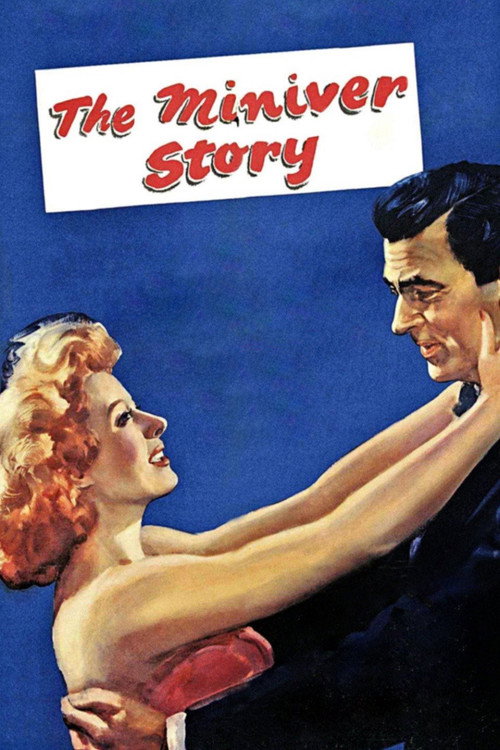
The Miniver Story1950
Greer Garson returning as Mrs. Miniver, now facing a new chapter of marriage and mortality. It's sentimental in the way Song of Russia is, but earned through character and time rather than propaganda.
But It's a sequel nobody asked for, and it feels like it. The magic of the original doesn't sustain through two hours of middle-aged domesticity.
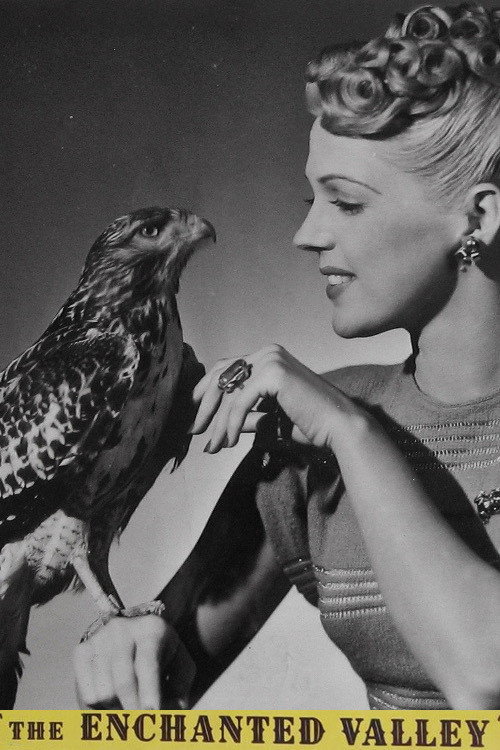
The Enchanted Valley1948
A modest romance set in the American West, it has the earnest emotional sincerity of Song of Russia without the Soviet backdrop. Good for understanding how wartime sentiment carried into immediate postwar storytelling.
But It's genuinely obscure for a reason. The production values are modest and the plot is simple to the point of thinness.
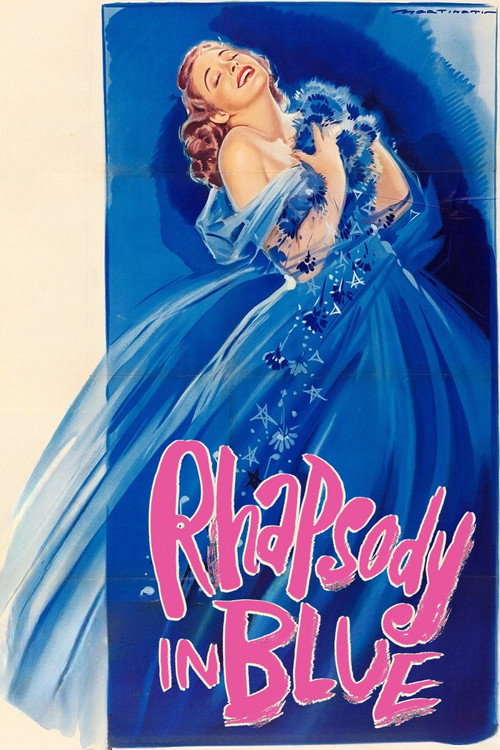
Rhapsody in Blue1945
Robert Alton's film about George Gershwin, packed with music and Oscar Levant's sardonic presence. It's another 1940s music-centered drama, but one that commits harder to the artistry angle.
But The Gershwin score is the real star here. If you're watching for narrative coherence or character depth, you'll be disappointed.
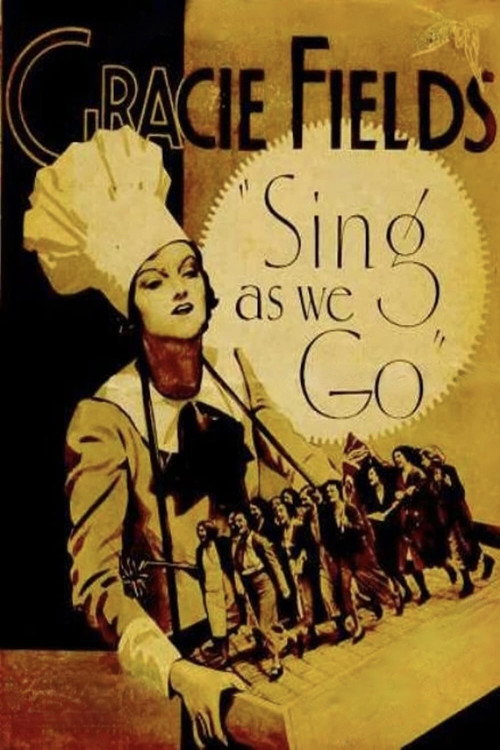
Sing As We Go1934
Both are musicals about ordinary people and national character built through song, but this one is from Britain and predates the American wartime project by a decade. It's the source code Song of Russia doesn't acknowledge.
Gracie Fields in a British working-class musical about a mill-girl during the Depression, her voice carrying the whole film. It's a music-centered drama from a different country and an earlier era, proving the form was universal—and that American wartime sentiment borrowed from decades of European tradition.
But It's in broad regional dialect from 1930s Lancashire. If you need clear diction and modern pacing, it's going to feel distant and strange.
Come and See1985
A direct moral inversion: where Song of Russia shows Soviets as happy and blessed, this shows the true cost paid by Soviet children. Both are films about how Americans and Soviets saw themselves during and after the war.
Elem Klimov's Belarusian film about a boy joining the Soviet resistance against the Nazis—a brutal, unflinching portrait of what war actually cost the Soviet people. If you've watched Song of Russia's rosily-lit Soviet citizens and want to understand the gap between propaganda and reality, this is the counterargument, told with devastating power.
But It's grotesque and traumatic. This is not entertainment. It's an ordeal designed to change how you think about war and innocence. Not everyone needs that experience.

People
Cast
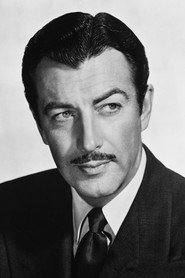 Robert TaylorJohn Meredith
 Susan PetersNadya Stepanova
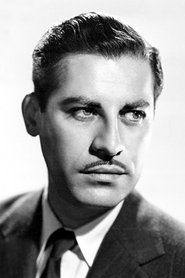 John HodiakBoris Bulganov
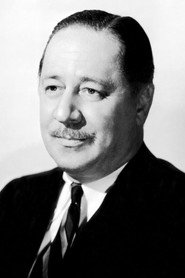 Robert BenchleyHank Higgins
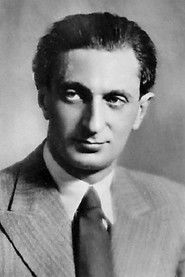 Felix BressartPetrov
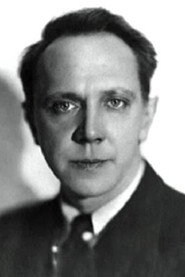 Michael ChekhovIvan Stepanov
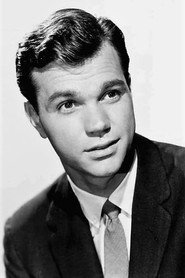 Darryl HickmanPeter Bulganov
 Jacqueline WhiteAnna Bulganov
- Patricia PrestStasha Bulganov
 Joan LorringSonia
- Julius CramerGerman (uncredited)
Directing
- Gregory RatoffDirector
Writing
- Paul JarricoScreenplay
- Richard CollinsScreenplay
- Guy EndoreStory
- Leo MittlerStory
- Victor TrivasStory
Production
- Joe PasternakProducer