
Film
Sing As We Go
- Comedy
- Light-hearted
A 1934 British comedy built around Gracie Fields' infectious charm and surprising vocal talent. When a mill closure leaves her unemployed, she breezes through Blackpool's seaside pleasures, singing her way through mishaps and small-scale adventures. It's unpretentious entertainment designed to showcase a star, and it works precisely because Fields refuses to let sentiment creep in. For anyone curious about pre-war British film or how star vehicles actually function.
If you liked this
It Happened One Night1934
The same year, the same lightness of touch—a road movie where charm and banter matter more than plot. Claudette Colbert and Clark Gable prove that romantic comedies work best when the leads actually enjoy each other's company.
But Blackand-white screwball pacing can feel dated. If you need plot momentum to stay engaged, this will test your patience.

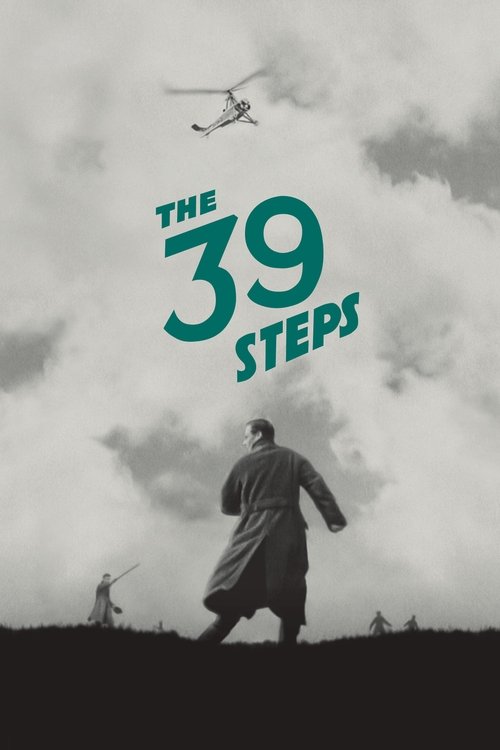
The 39 Steps1935
Hitchcock's own masterclass in forward motion and character: a wronged man on the run, pursued across Scotland with wit intact. If Gracie Fields proves that personality carries a film, Hitchcock proves it works in any genre.
But It's a thriller disguised as a comedy, which means tonal whiplash. The central premise requires you to swallow an absurdity whole.
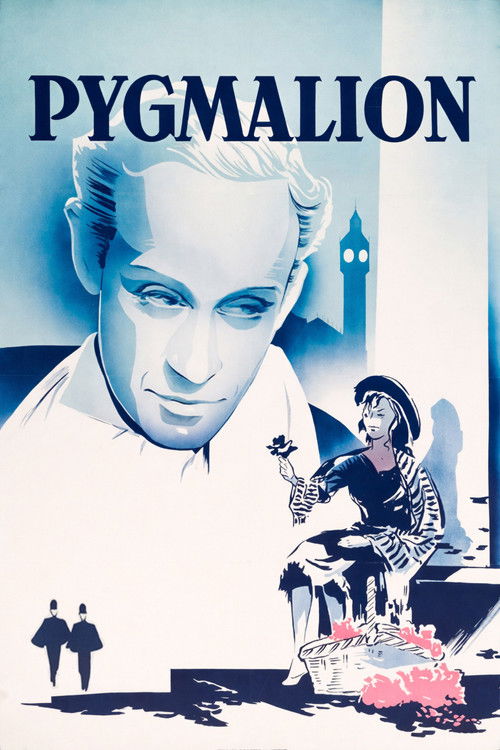
Pygmalion1938
Shaw's play about class, speech, and reinvention, with Leslie Howard and Wendy Hiller. Like Sing As We Go, it's fascinated by how people move between worlds—but with bite and real tenderness underneath.
But It's a play on film, which means static scenes of conversation. If you came for spectacle, this won't deliver it.
Not sure tonight? Get a pick in a minute, starting from Sing As We Go
The wildcard
Something you would not have found on your own.
Kes1970
Like Sing As We Go, it's rooted in British working-class life and finds grace in constraint. But where Fields sings her way through hardship, Loach's boy speaks through a hawk—different register, same hunger for connection.
Ken Loach's film about a working-class boy in Yorkshire who trains a hawk. It's tender, unpatronizing cinema about a person finding their way when the system has written them off. Social realism that never condescends.
But It's grim. The world it shows is genuinely hostile. There's no Blackpool beach trip to reset the mood; hardship is just how things are.

More like this (7)
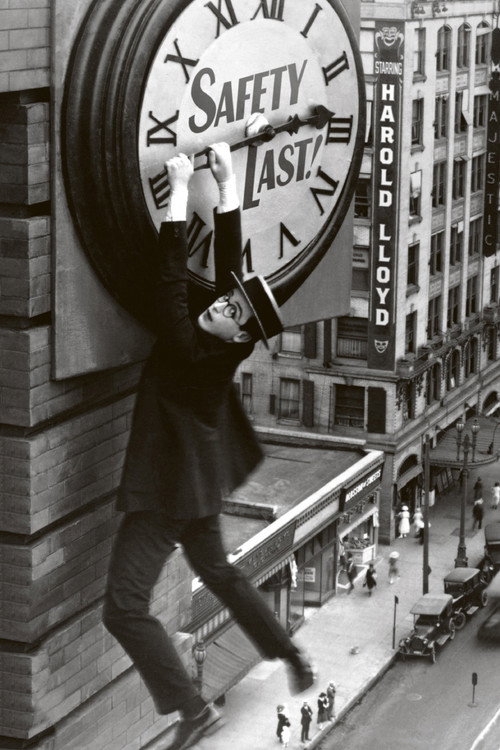
Safety Last!1923
Harold Lloyd climbing a building while his face registers every fear and joy. Pure comedy of physical vulnerability and determination—the ancestor of everything Gracie Fields does, just without sound.
But Silent film pacing and iris shots will feel alien if you've never seen them. You have to meet it halfway.
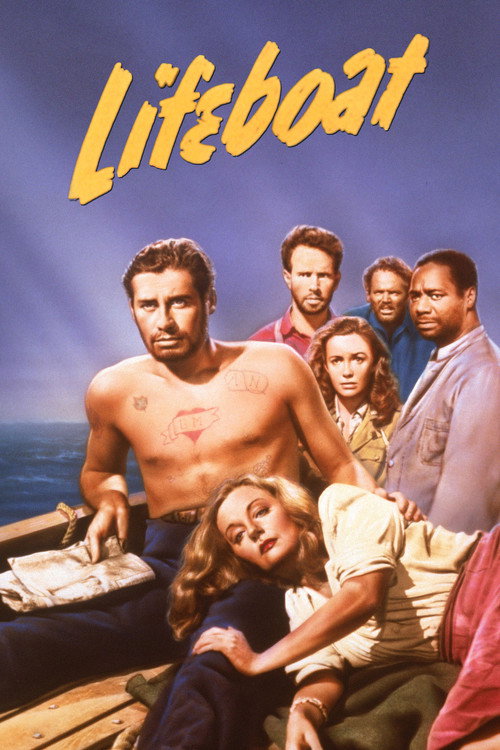
Lifeboat1944
Hitchcock traps eight people in a boat and mines genuine comedy from catastrophe. It's proof that constraints breed invention, and that you don't need Blackpool's amusements to keep an audience engaged.
But The tonal shifts between funny and dark can feel uncomfortable. It's not as breezy as it pretends to be.
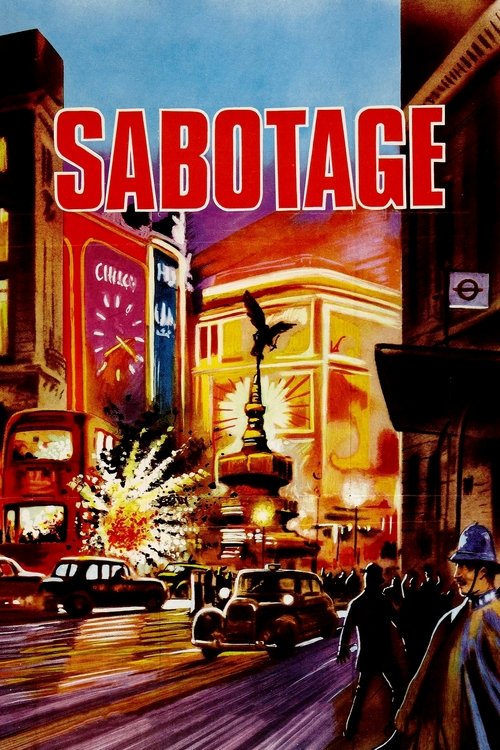
Sabotage1936
Another Hitchcock, but one that lives between comedy and menace—a cinema owner whose wife doesn't know he's a spy. British cinema's gift for understatement makes the dread funnier and the jokes sharper.
But It's genuinely upsetting in places, which catches many viewers off guard. The title isn't misleading, but the opening is.
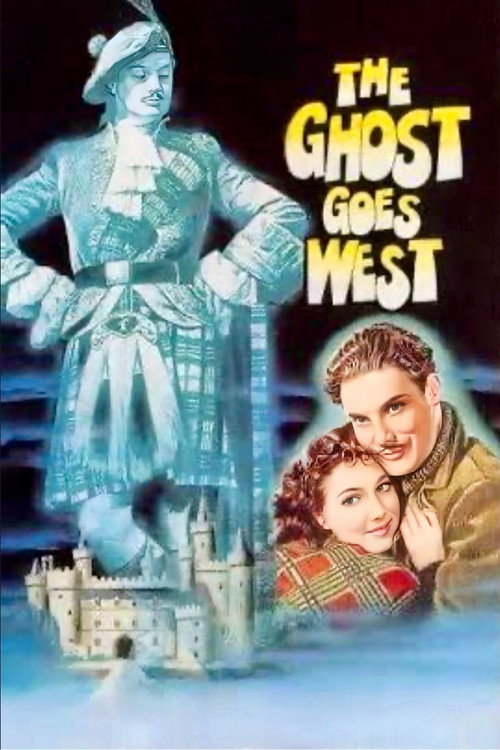
The Ghost Goes West1935
A Scottish castle haunted by a cheerful ghost who falls in love with an American heiress. René Clair directs with such warmth that you forget you're watching special effects—it's really about kindness surviving modernity.
But The romance is saccharine. If you're allergic to sentiment, this will not work for you.
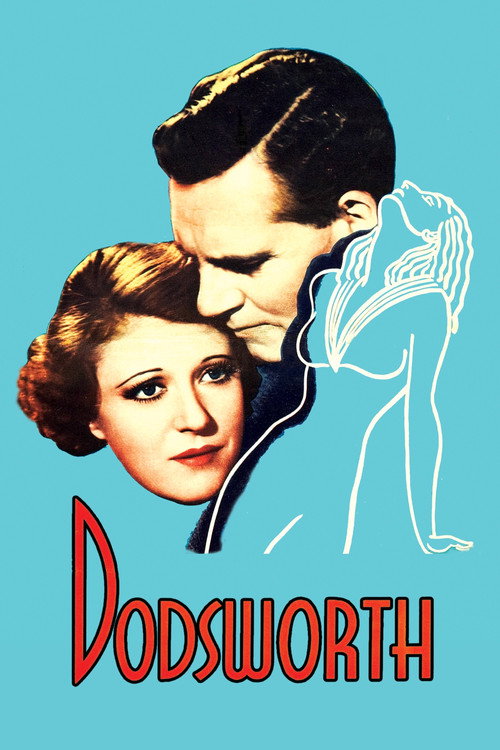
Dodsworth1936
Walter Huston as a retired industrialist discovering Europe and himself. It's quieter than Sing As We Go, but the same DNA: a person finding who they actually are when routine disappears.
But It's a drama, not a comedy, which means slower pacing and real melancholy. You need patience with character over incident.
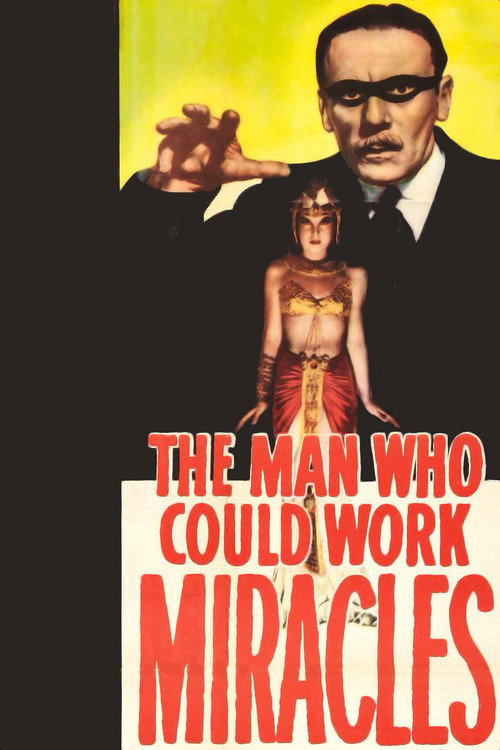
The Man Who Could Work Miracles1936
H.G. Wells wrote this: an ordinary man given the power to reshape reality, and he has absolutely no idea what to do with it. It's optimistic about human nature in a way that feels earned, not sentimental.
But The effects look precious by modern standards. The pacing is genteel—nothing rushes.
Singin' in the Rain1952
Both films are star vehicles, but Kelly's engineering is visible—the camera loves him, the music lifts him, Hollywood itself is the engine. Gracie Fields' charm works because it's accidental, homemade. They're opposites of how cinema can use a star's personality, and seeing them together teaches you something.
Gene Kelly and Stanley Donen built Hollywood's greatest musical around the simple question: how do you stay human when you're a commodity? Kelly's joy is earned, not assumed. It rewrites the rules of what a star vehicle can do.
But Its perfection is exhausting. Every frame is polished. If you prefer messiness or reality, this gleaming construction will feel plastic.

People
Cast
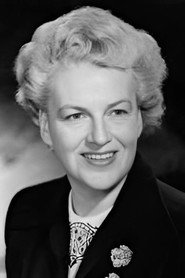 Gracie FieldsGracie Platt
 John LoderHugh Phillips
 Dorothy HysonPhyllis
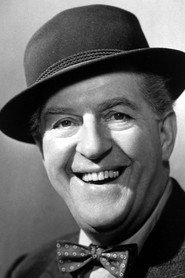 Stanley HollowayPoliceman
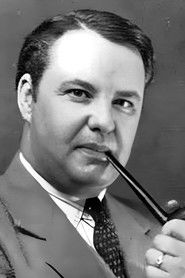 Frank PettingellUncle Murgatroyd
 Maire O'NeillMadame Osiris
- Olive SloaneViolet
- Norman WalkerHezikiah
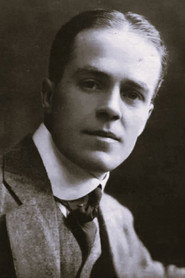 Lawrence GrossmithSir William Upton
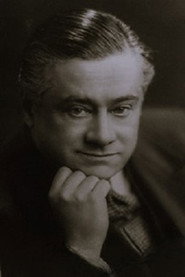 Morris HarveyThe Cowboy
- Arthur SinclairThe Great Maestro
- Ben FieldNobby