
Film
Rhapsody in Blue
A 1945 biographical drama about George Gershwin's rise from Tin Pan Alley to Broadway's classical crossroads. Robert Alda plays the composer navigating love, ambition, and the tension between commercial and serious music. It's lush, earnest, and steeped in Gershwin's own compositions—a love letter to a transformative artist and an era.
Should you watch it?
Watch it if you enjoy backstage stories about a composer wrestling with whether his jazz-tinged tunes can earn a place in the concert hall, and don't mind your musicals arriving with a lot of sincere sentiment.
Skip it if you find 1940s studio polish and gushing romance hard going, since the sound and sweep are big but the love-story plotting is conventional and sentimental.
What it asks of you: Settle in for a long, generous run of nearly three hours, with the pace set by stacked musical numbers and a gentle, mostly buoyant tone that rarely asks for dark attention.
Not sure? Find tonight's pick in a minute.
If you liked this
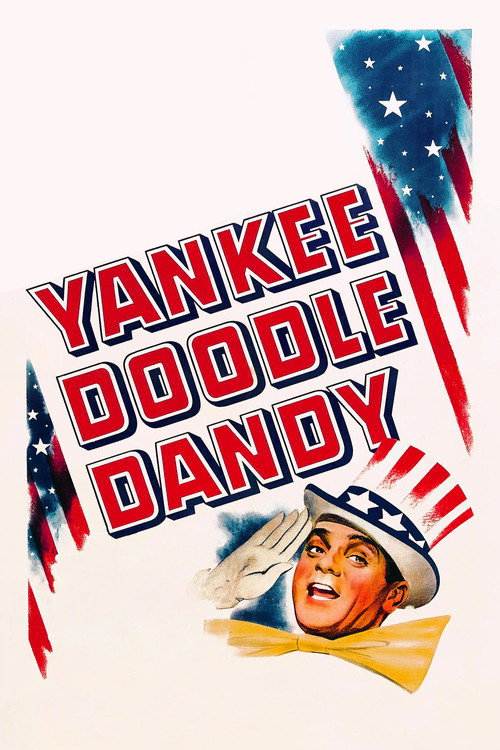
Yankee Doodle Dandy1942
James Cagney electrifies as George M. Cohan in this musical biography. Energetic, technicolor, brilliantly choreographed, and deeply felt about artistic legacy and showmanship. If you loved Gershwin's ambition, this captures the same hunger.
But It's relentlessly upbeat and patriotic in a way that can feel thin. Emotional nuance takes a back seat to spectacle and sentiment.
Singin' in the Rain1952
A musical about the birth of sound cinema with Gene Kelly and Donald O'Connor. Exuberant, inventive, and genuinely about artists learning to adapt. Captures that same moment of transformation that drives Rhapsody in Blue.
But It's much lighter in tone—almost weightless. If you want drama to match the music, this won't deliver it.

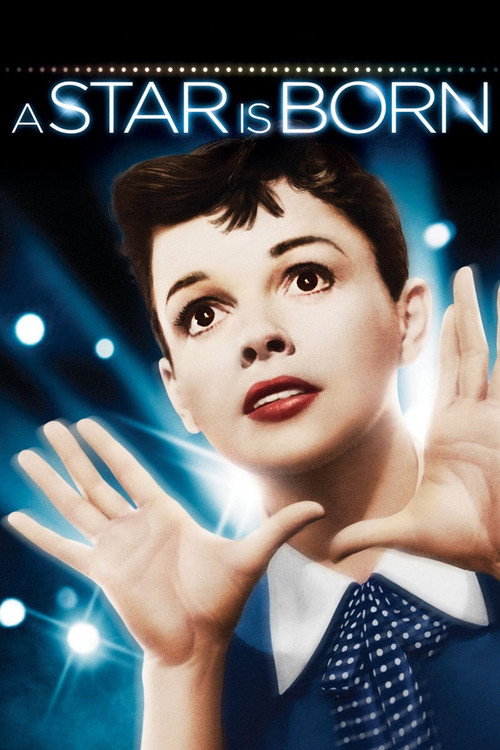
A Star Is Born1954
Judy Garland and James Mason in a richly colored examination of artistic ambition, romance, and the cost of success. It has the same earnestness about talent and the same willingness to let love and work collide.
But It's long, melancholic, and doesn't resolve neatly. The ending asks a lot of the viewer.
Not sure tonight? Get a pick in a minute, starting from Rhapsody in Blue
The wildcard
Something you would not have found on your own.
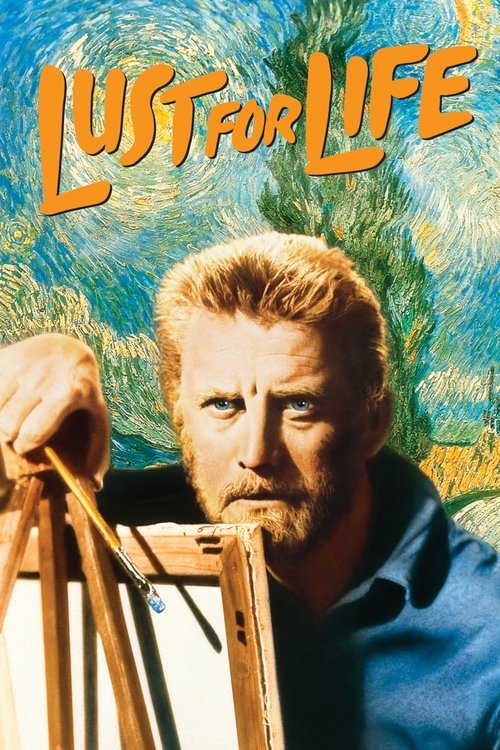
Lust for Life1956
Both are biopics that understand artistic ambition not as triumph but as compulsion—a force that drives the subject forward whether they want it to or not. Both use the medium itself (music in one, painting in the other) to show what the artist sees.
Kirk Douglas as Vincent van Gogh: tortured, driven, utterly committed to his vision. Vincent Minnelli's film is paint and passion—color, struggle, the way genius and suffering can become indistinguishable. It feels like watching genius combust from the inside.
But It's relentlessly dark and psychologically exhausting. There's almost no joy in it, only the necessity of creation. Van Gogh's mental illness is the engine, and it doesn't soften.
More like this (8)
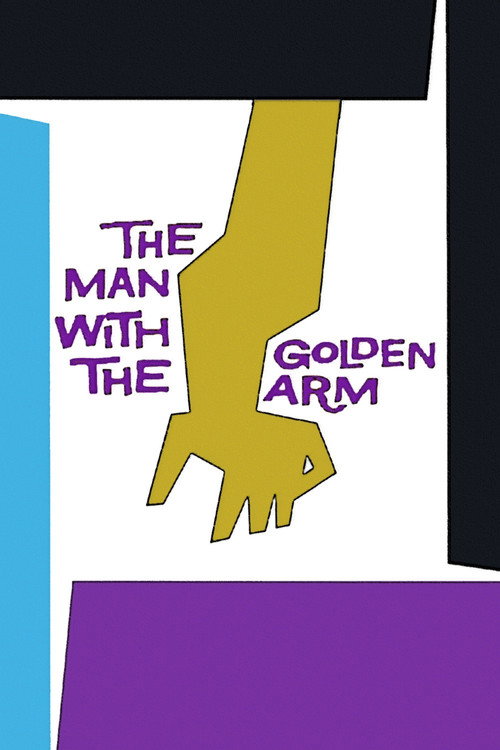
The Man with the Golden Arm1955
Frank Sinatra in a serious dramatic role about addiction and redemption. It shows a real artist pushing beyond what audiences expected of him—the artistic gamble at the heart of Rhapsody in Blue.
But It's dark and often uncomfortable. There's no musical comfort here, just struggle and consequence.
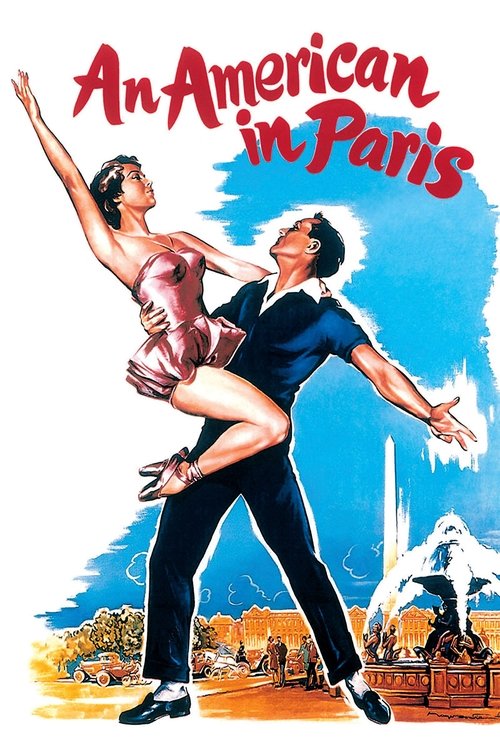
An American in Paris1951
Gene Kelly and Leslie Caron in a Gershwin-scored romance about artists in postwar Paris. Visual, romantic, and genuinely interested in the creative life. The music is Gershwin; the longing is everywhere.
But The plot is thin—it exists mostly to string together dance numbers. Some viewers find it pretty but hollow.
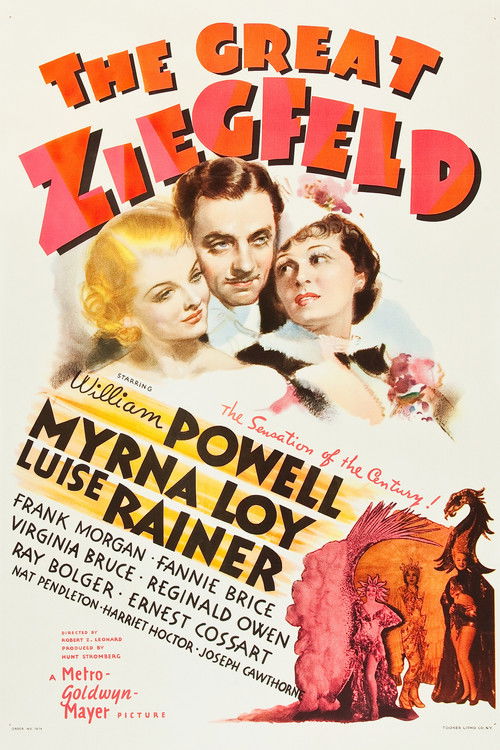
The Great Ziegfeld1936
A sprawling biography of Broadway's most famous impresario. Like Rhapsody in Blue, it's about spectacle, ambition, and the men and women who shaped American entertainment. Lavish and deeply invested in its subject.
But It's three and a half hours of MGM excess. The structure is loose, and some sequences feel dated even for 1936.
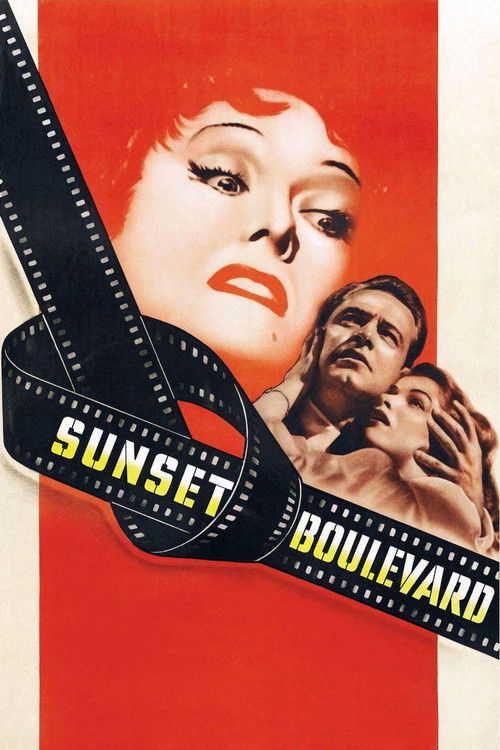
Sunset Boulevard1950
Billy Wilder's masterpiece about an aging silent film star and a struggling screenwriter. A darker, far more sophisticated look at artistic ambition, fame, and the cost of both. Shows what happens when the dream curdles.
But It's cynical, bleak, and features a corpse in the first frame. Rhapsody in Blue is earnest; this is ruthless.
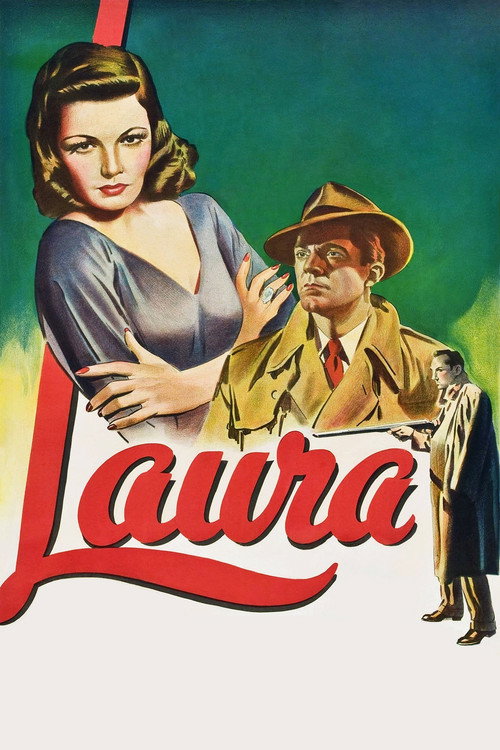
Laura1944
A moody noir from the same year as Rhapsody in Blue, with a soaring theme and an architecture of longing. Different genre entirely, but the same sense of beauty built around obsession. Beautifully composed.
But It's a mystery that prioritizes mood over clarity. Some find it deliberately obscure, and the resolution can feel anticlimactic.
The Red Shoes1948
Powell and Pressburger's visually intoxicating film about a dancer, a composer, and the art that destroys them. It's operatic, gorgeous, and unflinchingly about the collision between love and ambition.
But It's quite abstract. The logic is dream-logic, not plot-logic. The ending is devastating in a way that can feel almost cruel.

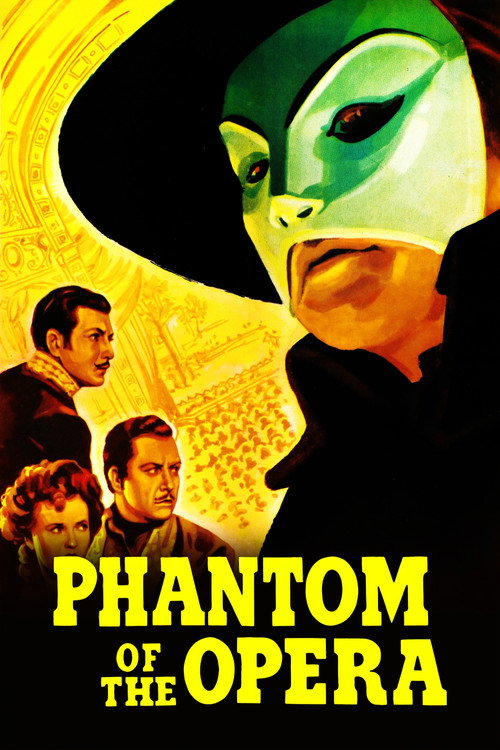
Phantom of the Opera1943
Both films are about the redemptive and destructive power of music. Both use gorgeous production design to make music visible. Both characters (Gershwin and the Phantom) are defined by what they create rather than who they are.
Claude Rains in a baroque, technicolor melodrama about music, obsession, and the impossible distance between love and art. It's unabashedly romantic and operatic—all passion and shadow and the transformative power of music itself.
But It's overwrought to the point of camp. The logic is purely emotional. If you're looking for restraint or psychological realism, look elsewhere.
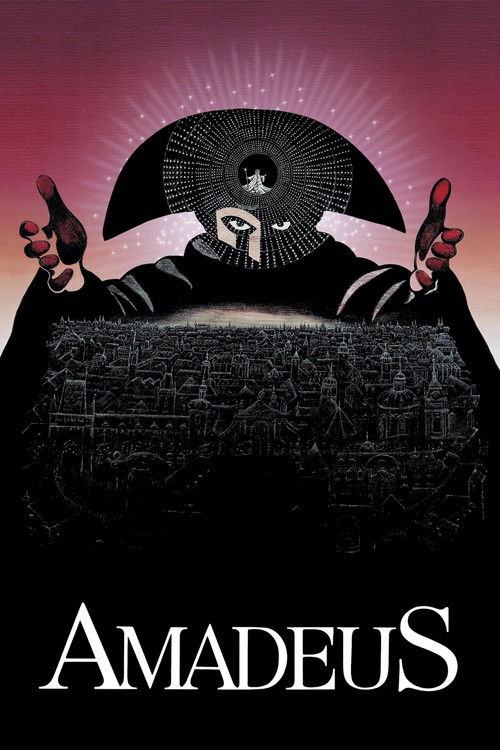
Amadeus1984
Like Rhapsody in Blue, Amadeus builds drama from the question: what does it cost to create? What drives a young artist to reshape his form? Both are biographical dramas that use real music to suggest why these men mattered.
F. Murray Abraham and Tom Hulce in Milos Forman's three-hour opera-drama about Mozart, Salieri, and the question of genius. It's theatrical, gorgeous, and deeply interested in the machinery of artistic envy and creation. Uses music as character.
But It's a heavily fictionalized drama masquerading as biography. The rivalry with Salieri is invented. Some classical purists find it blasphemous; some find it exhaustingly self-important.
People
Cast
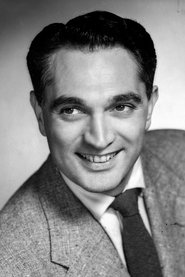 Robert AldaGeorge Gershwin
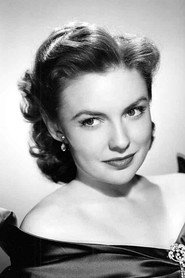 Joan LeslieJulie Adams
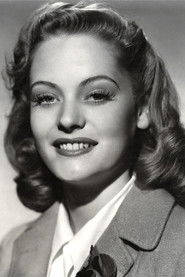 Alexis SmithChristine Gilbert
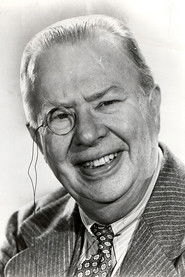 Charles CoburnMax Dreyfus
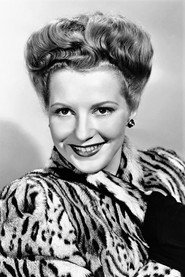 Julie BishopLee Gershwin
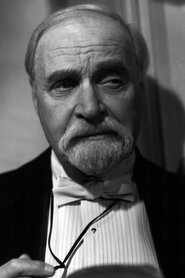 Albert BassermannProf. Franck
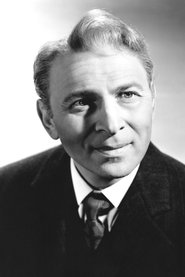 Morris CarnovskyMorris Gershwin
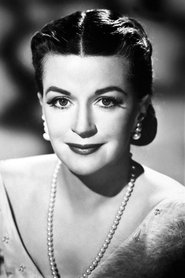 Rosemary DeCampRose Gershwin
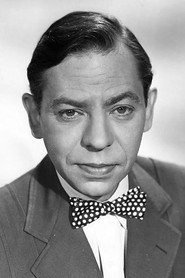 Oscar LevantOscar Levant
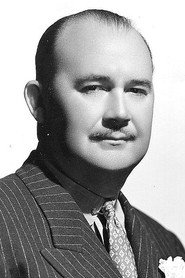 Paul WhitemanPaul Whiteman
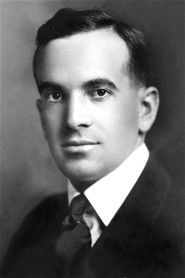 Al JolsonAl Jolson
- George WhiteGeorge White
Directing
- Irving RapperDirector
Writing
- Ira GershwinLyricist
- Elliot PaulScreenplay
- Howard E. KochScreenplay
- Sonya LevienStory
Production
- Hal B. WallisExecutive Producer
- Jesse L. LaskyProducer
Recommended by
Black and Tan, Song of Russia, The Benny Goodman Story, The Fabulous Dorseys