
Film
Black and Tan
A 19-minute 1929 film where Duke Ellington plays himself leading his orchestra, built around a spare melodrama about sacrifice and art. It's a document of early jazz in motion—raw, brief, urgent—with genuine emotional weight beneath the simple story. For anyone curious about how jazz sounded and felt in the moment.
Should you watch it?
Watch it if you love the sound of a working jazz band caught on film in its prime, and you're happy to let a music-first short linger on performance rather than plot.
Skip it if you want a slick modern pace or sharp dialogue; the story is thin and creaky, and the early sound recording is muffled and hard going for some ears.
What it asks of you: Under twenty minutes, and it moves at the loose tempo of a club set, asking you to sit with the music rather than chase a plot.
Not sure? Find tonight's pick in a minute.
If you liked this
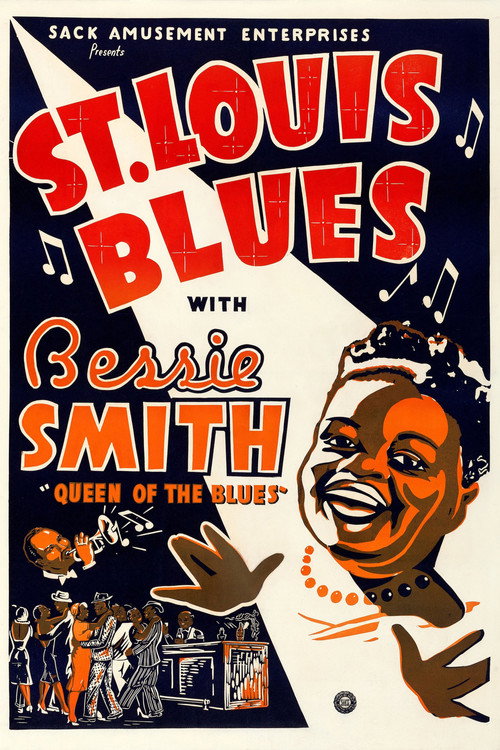
St. Louis Blues1929
Bessie Smith's only filmed performance, singing the blues she made legendary. Seventeen minutes of raw vocal power captured on camera—essential for understanding jazz's emotional core.
But The sound is thin and tinny; the acting around Smith feels quaint and distracts from her presence.
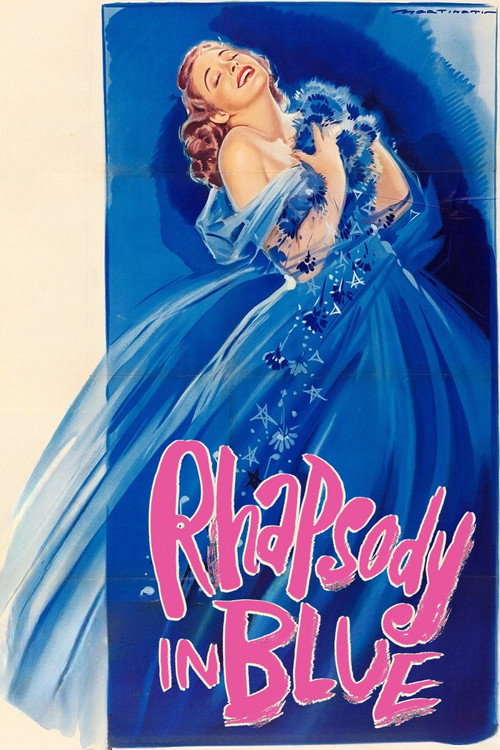
Rhapsody in Blue1945
Gershwin's life as backdrop for a film about composing American music. Robert Alton's choreography makes the music visible; it's alive in ways most musical biopics aren't.
But The biographical plot is melodramatic and simplistic; long stretches feel like a vehicle for musical numbers rather than a story.
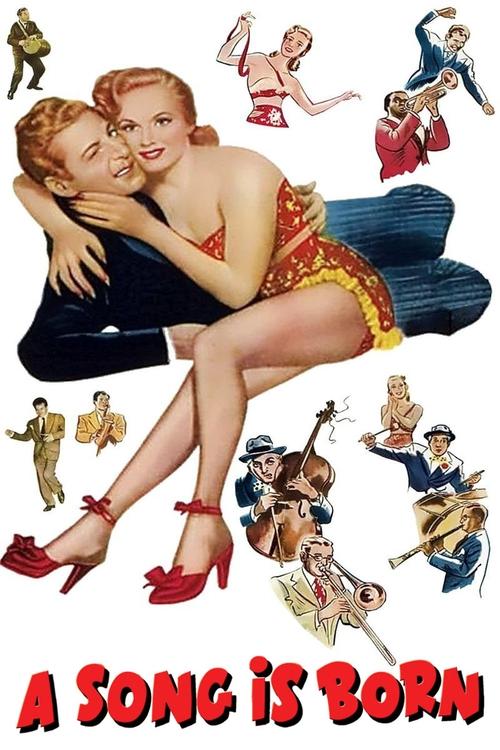
A Song Is Born1948
Danny Kaye and a stacked cast of real jazz musicians playing a scrappy comedy about scholars discovering jazz. It's silly but genuinely celebrates the music and the people who made it.
But The comedy is broad and dated; the plot barely hangs together, which some will find charming and others tedious.
Not sure tonight? Get a pick in a minute, starting from Black and Tan
The wildcard
Something you would not have found on your own.
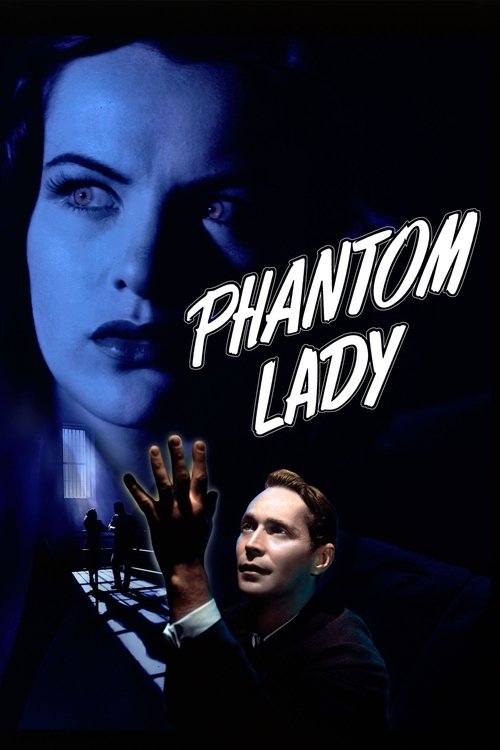
Phantom Lady1944
Both use music and visual rhythm to create emotional truth faster than dialogue or plot exposition can—showing what characters feel by how the camera and sound move.
A film noir where the visual language of shadows and geometry mirrors the emotional logic of jazz—elliptical, improvisational, building tension through rhythm rather than plot. Elmer Bernstein's score pulses like a good band.
But It's a mystery thriller first, not a music film; if you're looking for jazz, it's embedded in the filmmaking itself, which is a harder sell than a performance.
More like this (8)
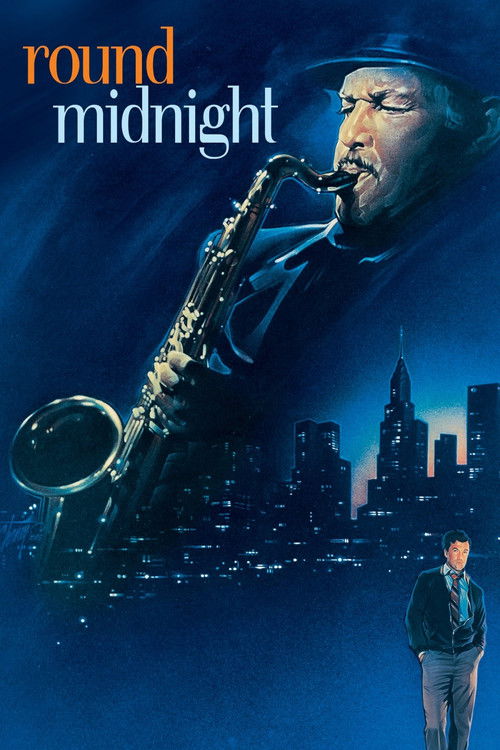
'Round Midnight1986
Dexter Gordon's only acting role, playing a saxophonist in Paris. Bertrand Tavernier directs with real tenderness toward jazz life and aging artists; the film moves like music.
But It's slow and melancholic; if you want plot momentum or conventional drama, you'll find it frustratingly quiet.
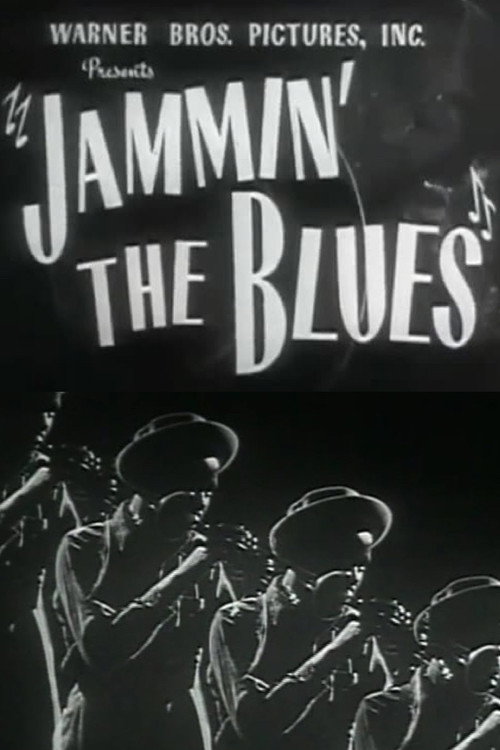
Jammin' the Blues1944
Eleven minutes of pure performance: Lester Young, Teddy Wilson, and others playing in a stylized, beautifully lit studio. It's what the music looks like when someone cares about making the camera see jazz.
But There's no narrative at all; it's experimental and formal in ways that can feel remote if you're used to traditional film.
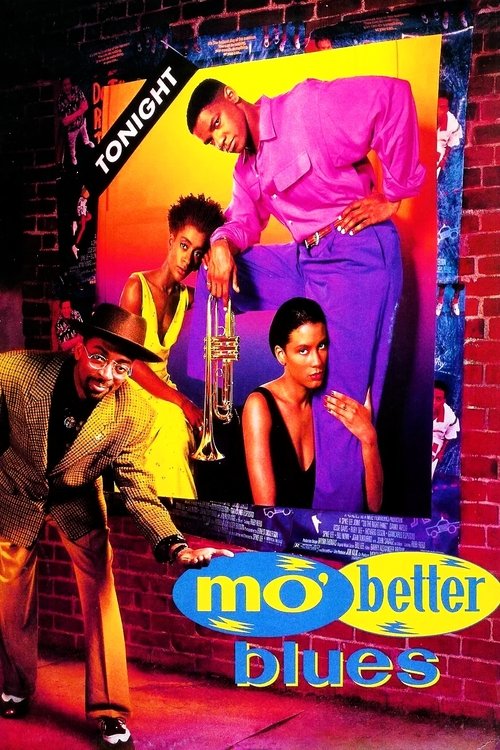
Mo' Better Blues1990
Spike Lee's love letter to jazz and jazz musicians, with Denzel Washington as a trumpet player caught between art and ego. The film moves with jazz logic, not plot logic.
But The romantic subplots are weaker than the music; Lee's didacticism about the art form occasionally overwhelms the drama.
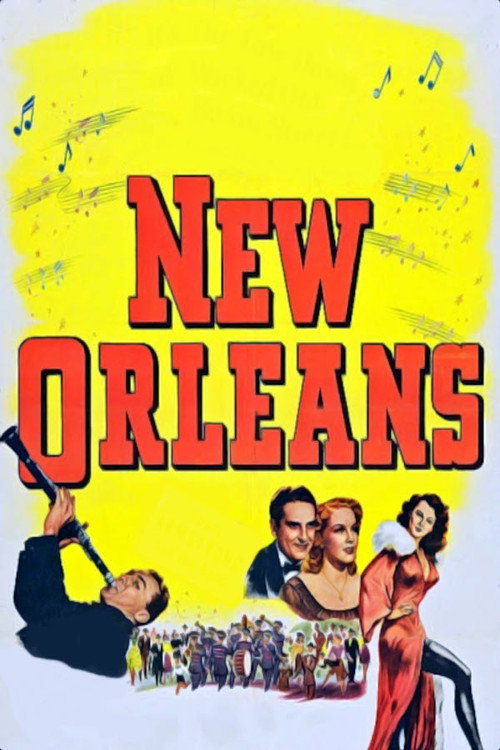
New Orleans1947
An attempt at a jazz history film with genuine musicians (Art Tatum, King Cole, Kid Ory) and Billie Holiday. Flawed but ambitious in scope and earnest in its effort to honor the music's origins.
But The narrative is hokey and the lead actors can't match the musicians' presence; historical accuracy takes a backseat to Hollywood melodrama.
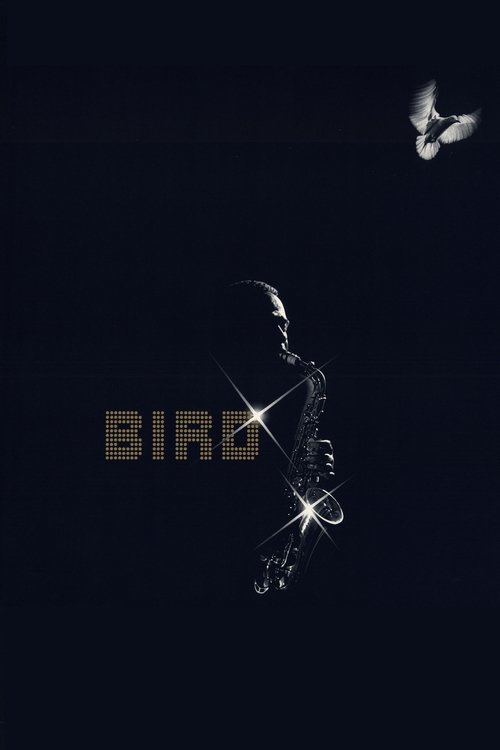
Bird1988
Clint Eastwood's portrait of Charlie Parker, focusing on the marriage of genius and destruction. The music is everywhere; it shapes how the film moves and feels.
But It's bleak and repetitive by design, hammering the same tragic notes; that honesty can feel punishing rather than illuminating.
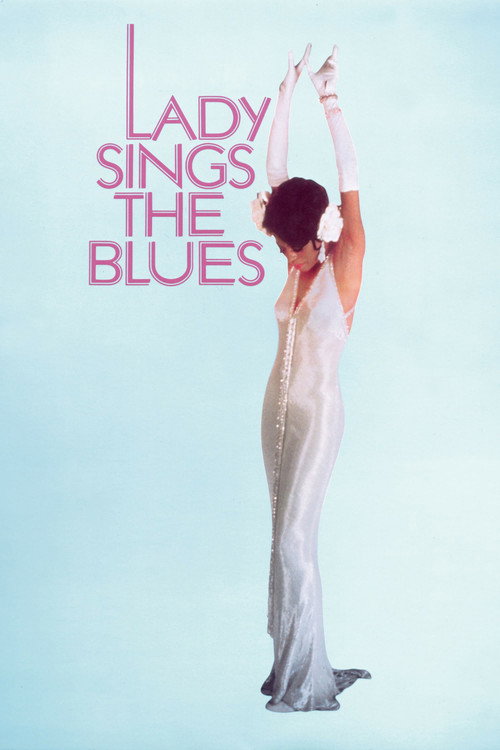
Lady Sings the Blues1972
Diana Ross as Billie Holiday in a lavish, theatrical interpretation of her life. It's a movie version of a legend, not a documentary, but Ross commands every scene.
But It simplifies Holiday's complexity and softens her story's hardest edges for the sake of narrative drama and audience comfort.
The Last Temptation of Christ1988
Both films use art and performance as a path toward something sacred—not church, not money, but a kind of grace that only happens in the moment.
Scorsese directing Passion and torment through rock music and unlikely performances. Peter Gabriel's score treats the spiritual crisis like jazz treats emotion: elliptical, dissonant, pushing for transcendence through struggle.
But It's theologically provocative and deliberately uncomfortable; the length and repetition will exhaust viewers unsympathetic to its argument.
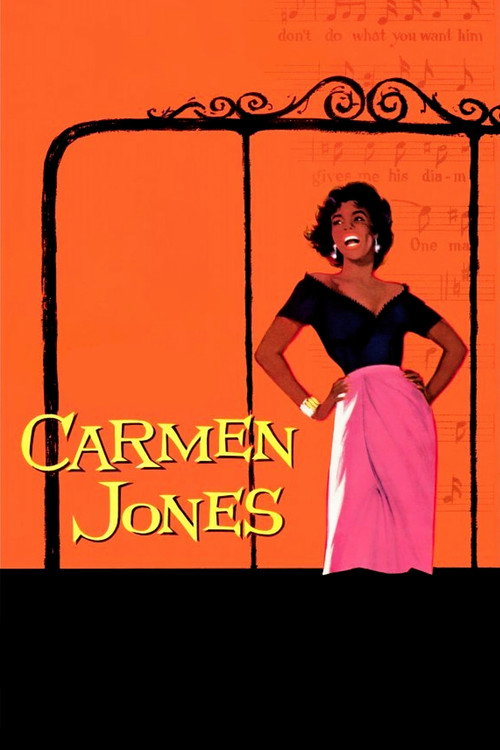
Carmen Jones1954
Both are about making high art urgent and alive in a specific moment, using performance to insist that Black musicians and stories matter as much as any Parisian concert hall.
Otto Preminger's radical decision to cast an all-Black production of Bizet's opera set in the American South. The music is classical but lived in contemporary bodies and contexts; it's a collision that changes what you hear.
But The dubbed vocals (not sung by the actors) will feel strange; some find that alienating rather than fascinating, a reminder that cinema and opera sit uneasily together.
People
Cast
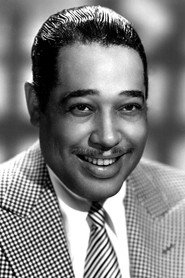 Duke EllingtonDuke Ellington
- Barney BigardBand Member - Clarinet Player
- Wellman BraudBand Member - Bass Player
- Joe 'Tricky Sam' NantonBand Member -Trombone Player
- Edgar ConnorPiano Mover
 Alec LovejoyPiano Mover
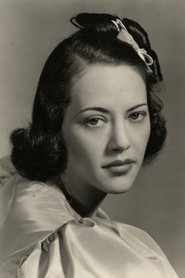 Fredi WashingtonFredi - Duke's Girlfriend
- Arthur WhetsolTrumpet Player
Directing
- Dudley MurphyDirector
Writing
- Dudley MurphyWriter
Recommended by
St. Louis Blues, Sanders of the River, Cab Calloway's Hi-De-Ho