
Film
Sanders of the River
A 1935 British adventure film set in colonial Nigeria, following a District Officer and a local chief battling smugglers and slavers. It's a product of its era—visually sumptuous, narratively straightforward, and deeply complicated by its racial politics. Essential viewing for understanding how cinema once saw empire, though the experience demands critical distance.
If you liked this
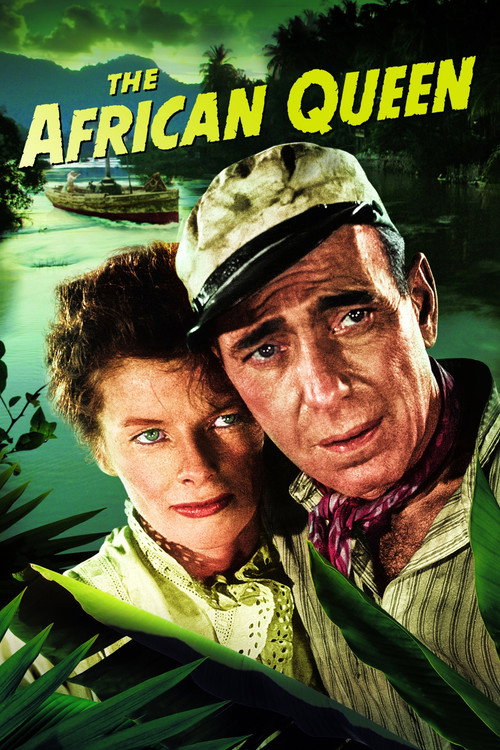
The African Queen1952
Humphrey Bogart and Katharine Hepburn navigate colonial Africa during wartime, with adventure, romance, and genuine chemistry. The film treats the setting and its people with far more nuance and humor than Sanders manages.
But The pacing slackens in the middle, and some period attitudes toward race still linger despite the film's relative progressiveness.
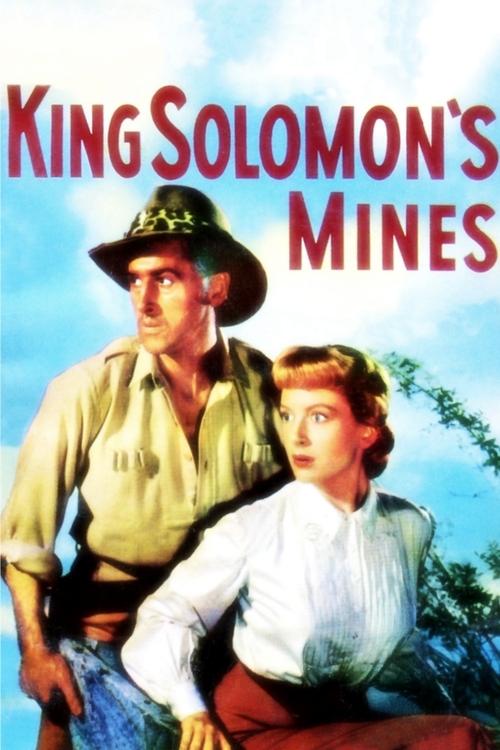
King Solomon's Mines1950
A Technicolor adventure through African landscapes with Stewart Granger and Deborah Kerr. Thrilling, beautifully shot, and it understands that spectacle and sentiment can coexist without condescension.
But The plot is fairly thin—it's really a travelogue with a frame story, which some find slack.
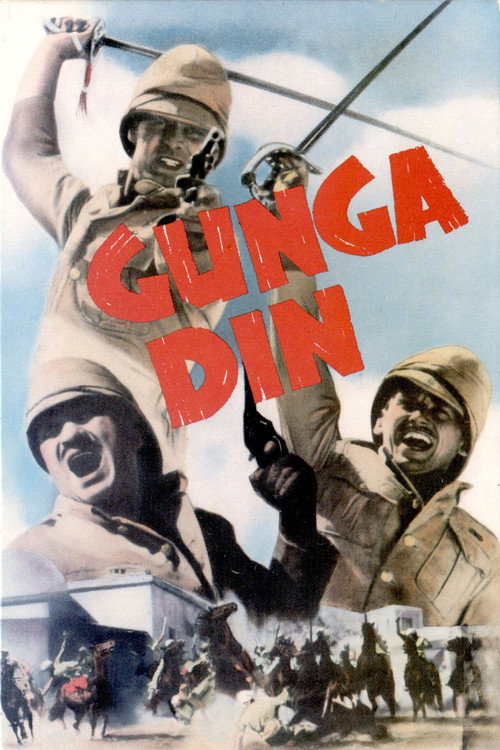
Gunga Din1939
Cary Grant, Douglas Fairbanks Jr., and Victor McLaglen as soldiers in colonial India. Rousing, funny, and visually inventive—it's adventure filmmaking at its most confident and charming.
But It's equally of its time in how it handles India and Indians, though with slightly more warmth than some contemporaries.
Not sure tonight? Get a pick in a minute, starting from Sanders of the River
The wildcard
Something you would not have found on your own.
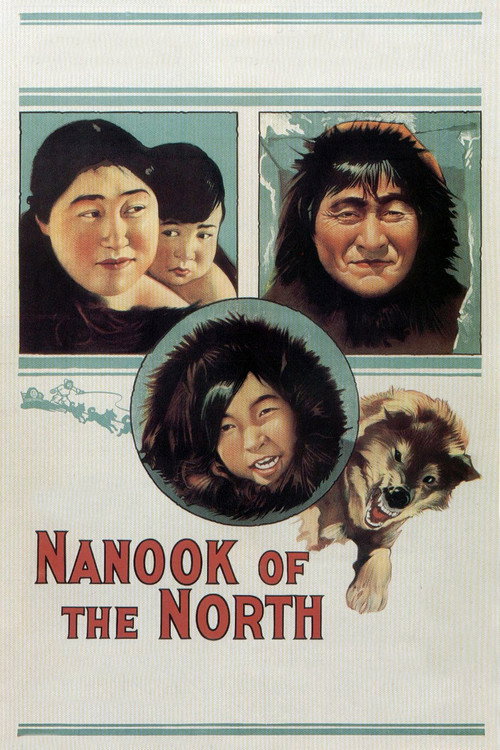
Nanook of the North1922
Both films present colonized or marginalized peoples through the lens of empire, but Nanook at least attempts intimacy rather than authority. They're mirror images: Sanders asserting order, Nanook asserting humanity. Watching them together reveals how differently cinema could have chosen.
Robert Flaherty's documentary-or-is-it about an Inuit hunter and his family. It's the ancestor of all ethnographic cinema, visually stunning and genuinely moving—and it asks uncomfortable questions about representation that Sanders was never equipped to ask.
But The film stages and manipulates its material extensively; watching it means grappling with the gap between documentary claim and directorial construction. It's slow by modern standards.
More like this (6)
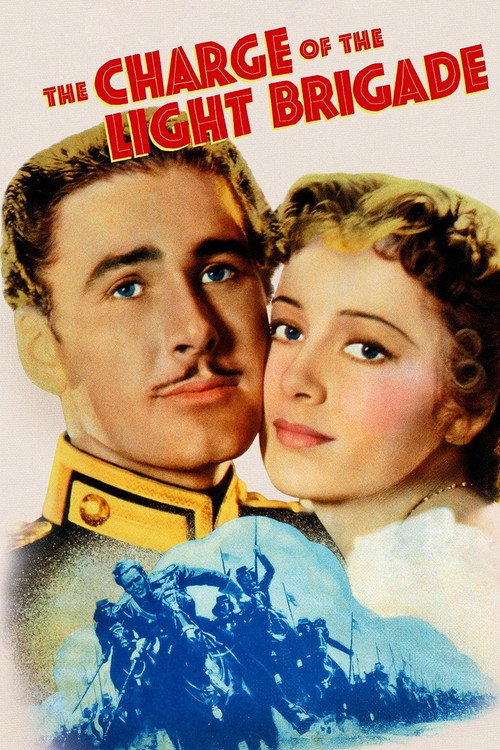
The Charge of the Light Brigade1936
Errol Flynn in a swashbuckling imperial adventure with Olivia de Havilland. Lavishly mounted, dramatically absurd, and completely entertaining if you surrender to its logic.
But The history is invented wholesale, and the racial attitudes are predictable for the period.
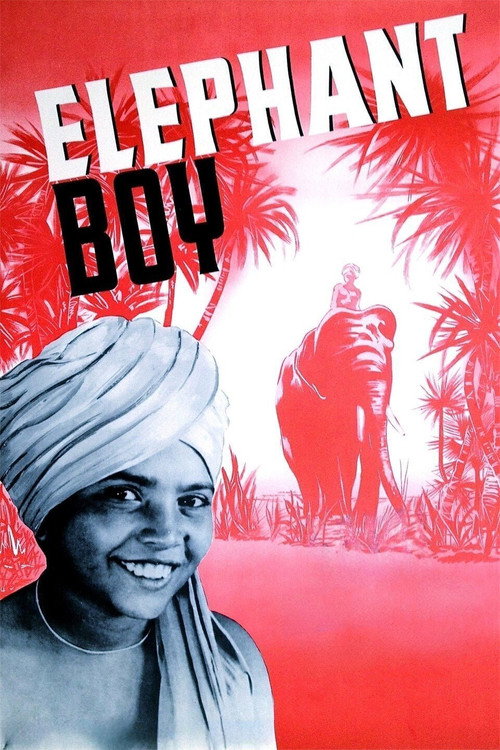
Elephant Boy1937
Sabu in a beautifully shot adventure about a boy and his elephant in India. It has genuine charm and some striking animal footage, and Sabu became a major star afterward.
But The narrative is thin and the dialogue often feels forced. The colonial framework is present but less aggressively wielded.
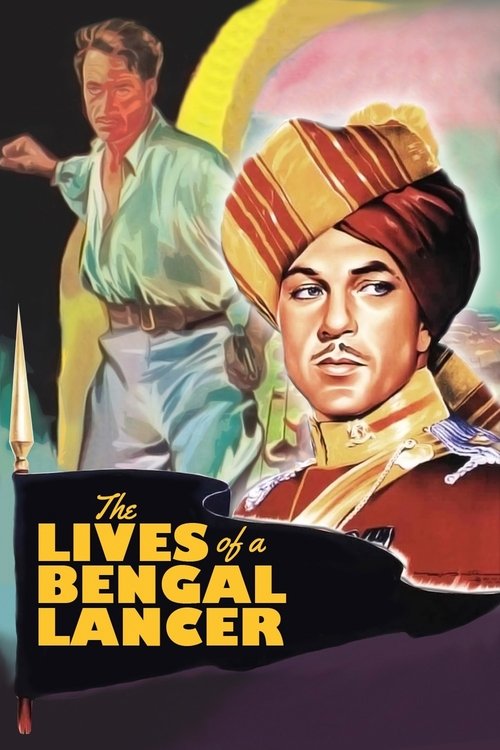
The Lives of a Bengal Lancer1935
Gary Cooper leading a cavalry regiment in India with style and humor. The adventure and camaraderie are genuine, and the film moves with real pace and wit.
But The tortured British officer subplot becomes melodramatic, and the worldview is aggressively imperial despite the charm.
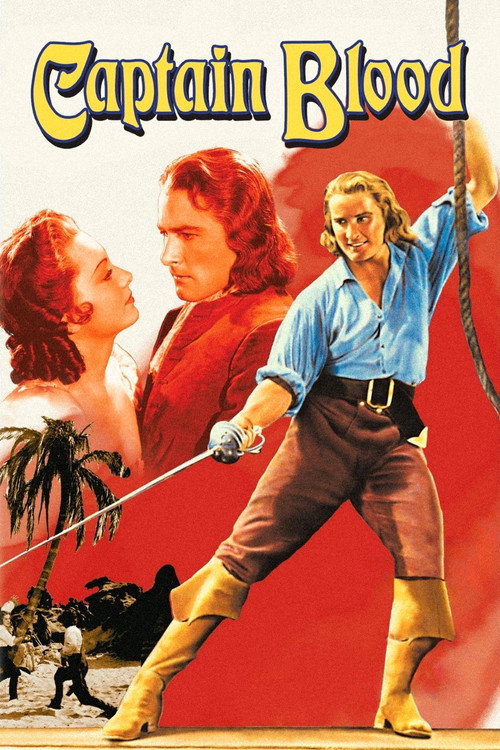
Captain Blood1935
Errol Flynn's debut as a swashbuckling pirate, directed by Michael Curtiz with real visual flair. Pure adventure DNA—it defined the template and mostly succeeds at it.
But The political subplot about slavery is treated casually, and modern viewers may find the pacing stiff after seeing what the template became.
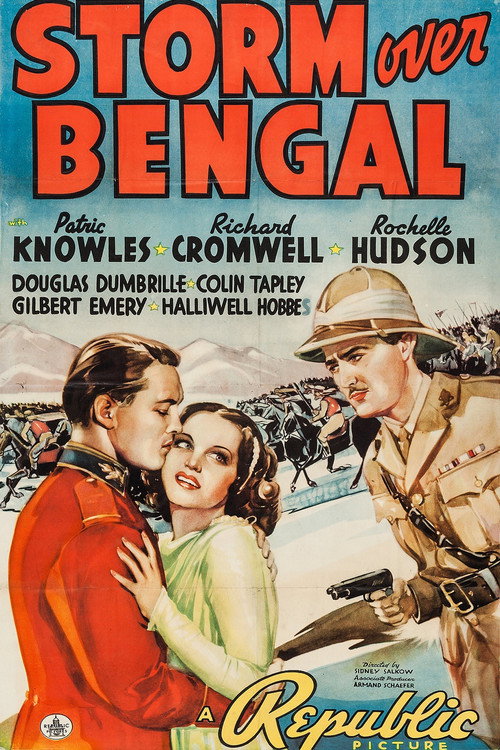
Storm Over Bengal1938
An adventure set in India with Akim Tamiroff and Patric Knowles. It's energetic enough and moves without pretension, offering straightforward thrills if you're in the mood.
But It's forgettable even by the standards of 1938 adventure films. There's nothing here you'll remember a week later.
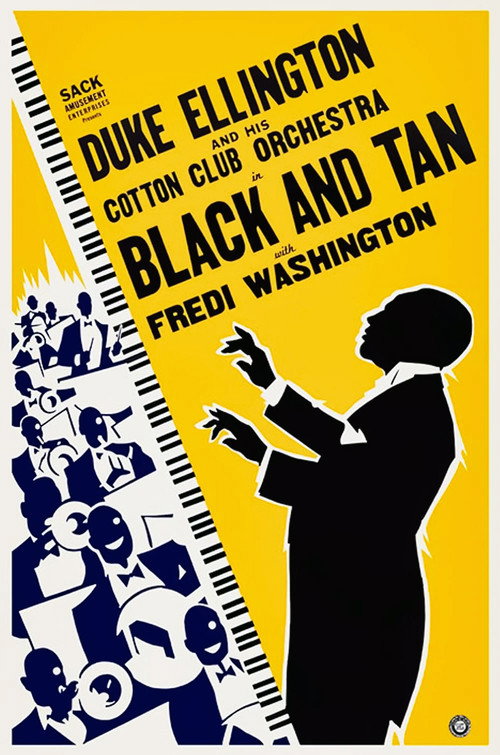
Black and Tan1929
Robeson's presence in Sanders is complicated by what he was forced to do there. This short is what he could have been doing—leading, not serving, being looked at as an artist rather than a character type. It's the road not taken.
A 13-minute experimental short with Duke Ellington and his orchestra, directed by Dudley Murphy. Paul Robeson's contemporary working in a form that refused the colonial narrative entirely—just virtuosity, dignity, and music.
But It's fragmentary and surreal, more a visual poem set to jazz than a narrative. It requires patience with modernist form.
People
Cast
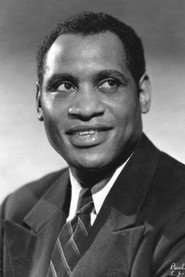 Paul RobesonBosambo
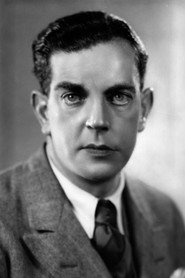 Leslie BanksR.G. Sanders
 Nina Mae McKinneyLilongo
- Robert CochranLieutenant Tibbets
 Martin WalkerJ. Ferguson
- Tony WaneKing Mofolaba
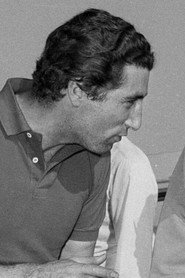 Marqués De PortagoFarini
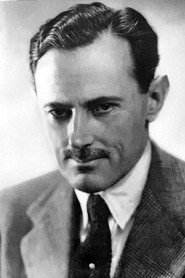 Eric MaturinSmith
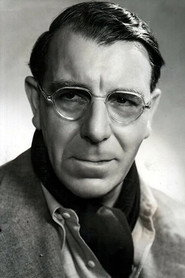 Allan JeayesFather O'Leary
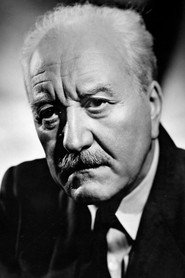 Charles CarsonGovernor of the Territory
- Richard GreyCaptain Hamilton
Directing
- Stanley IrvingAssistant Director
- Zoltan KordaDirector
Writing
- Jeffrey DellDialogue
- Lajos BiróDialogue
- Edgar WallaceNovel
- Jeffrey DellScenario Writer
- Lajos BiróScenario Writer
Production
- Alexander KordaProducer