
Film
White Cargo
A 1942 colonial melodrama set in the Congo, where romantic triangles and masculine egos collide against a backdrop of rubber plantations and imperial ambition. It's a steamy, overwrought affair—part adventure, part psychological drama—that captures both the allure and the seediness of wartime Hollywood's take on Africa. For anyone curious about how studio films handled desire and danger in the forties.
Should you watch it?
Watch it if you like pulpy, sweaty melodrama where jealousy and rivalry simmer between two men who should know better, and you enjoy seeing old studio tropes played with full-blooded commitment.
Skip it if the colonial attitudes feel dated and uncomfortable, and the heavy dark makeup on Lamarr is hard to look past, so the racial politics will sour much of the enjoyment.
What it asks of you: A brisk 88 minutes, but talky and sweltering, with jealousy simmering slowly among three people in one humid outpost; patience for dialogue matters more than action.
Not sure? Find tonight's pick in a minute.
If you liked this
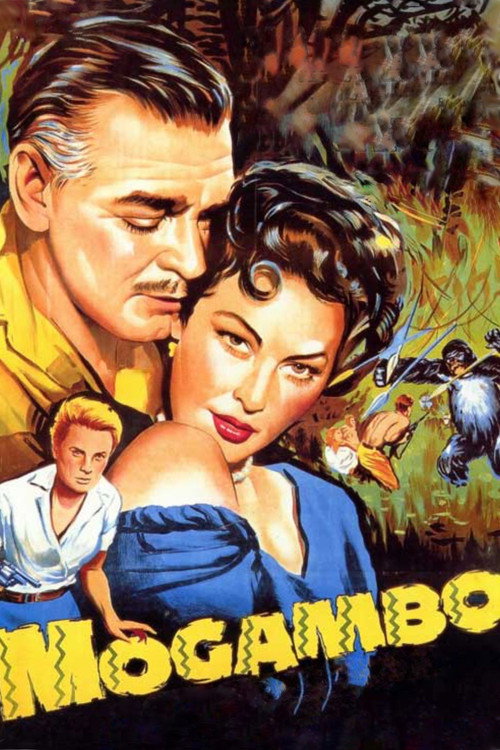
Mogambo1953
A more polished, Technicolor version of the same colonial romance template: big stars, big landscapes, and a love triangle that simmers beneath the safari. Ava Gardner and Grace Kelly against African backdrop, with genuine tension between duty and desire.
But It's considerably more restrained than White Cargo—less florid melodrama, more sophisticated restraint. If you want the raw, lurid energy, this feels like the cleaned-up version.
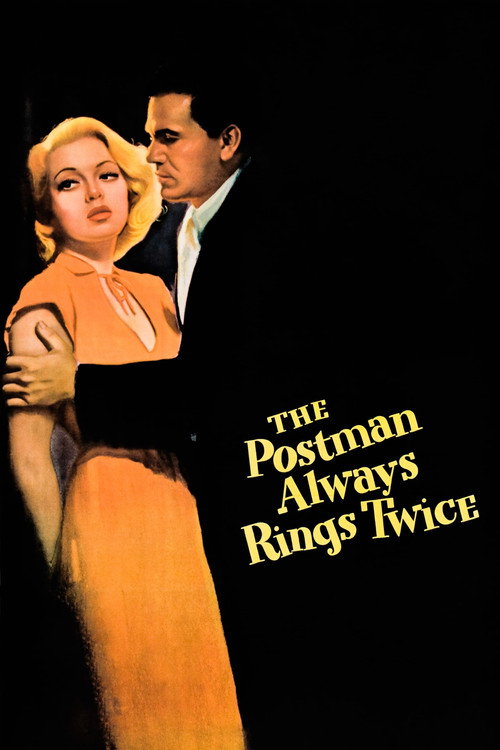
The Postman Always Rings Twice1946
The same obsessive triangle dynamic—manipulation, jealousy, two men undone by one woman's beauty—but transplanted to a diner instead of the Congo. Lana Turner is devastating, and the film crackles with genuine noir cynicism.
But It's tighter and darker, with less adventure-story padding. If you're watching White Cargo partly for exotic locale and incident, this stripped-down version may feel claustrophobic.
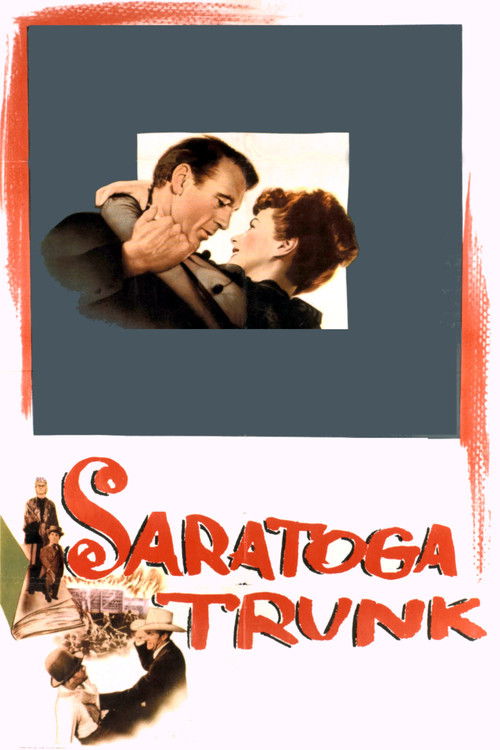
Saratoga Trunk1945
Ingrid Bergman plays another morally ambiguous woman using her wiles to survive and prosper, opposite Gary Cooper. It has the same postwar Hollywood fascination with female manipulation and male weakness, wrapped in period elegance.
But The pacing is leisurely and the plot meanders. If you're after narrative drive and exotic incident, it moves like a drawing-room play.
Not sure tonight? Get a pick in a minute, starting from White Cargo
The wildcard
Something you would not have found on your own.
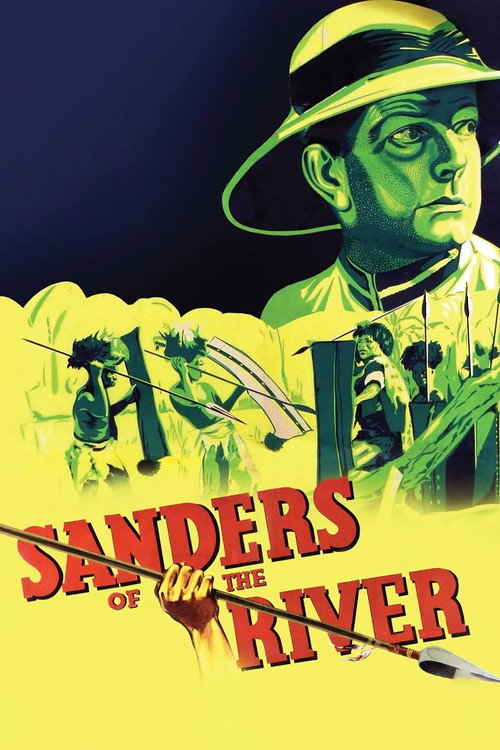
Sanders of the River1935
Both use Africa as backdrop for masculine power games, but Sanders interrogates the colonial project itself while White Cargo treats it as exotic scenery. Watching them together reveals what each one is really about.
Paul Robeson in a film that uses colonial Africa as a setting for exploring paternalism, dignity, and the lie of the benevolent empire. It's infuriating and fascinating in equal measure—a film that reveals exactly what White Cargo takes for granted.
But It's a complex, uncomfortable viewing experience. Robeson's dignity shines through material designed to diminish him, and watching that tension is enlightening but not easy.
More like this (6)
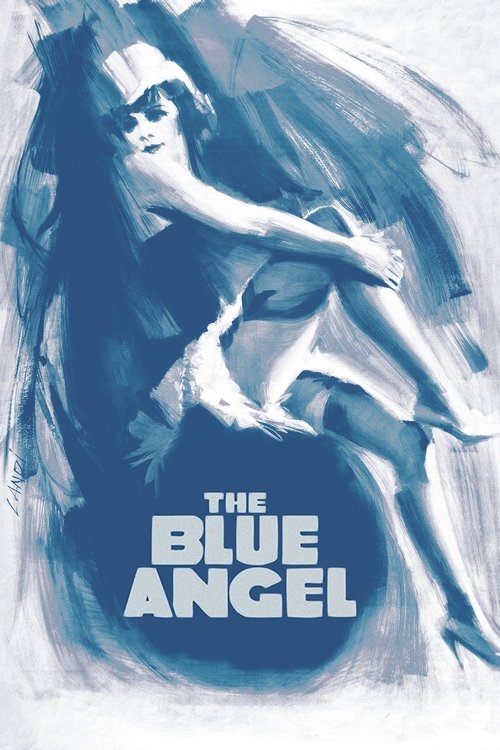
The Blue Angel1930
The template for all of this: Emil Jannings as the dignified man destroyed by Marlene Dietrich's siren power. It's the film that taught Hollywood how to photograph desire as danger, and it does both with German Expressionist intensity.
But It's in German with subtitles, shot in low-contrast black and white, and moves at a pace that feels deliberate rather than propulsive. The eroticism is also far more subtle than you might expect.
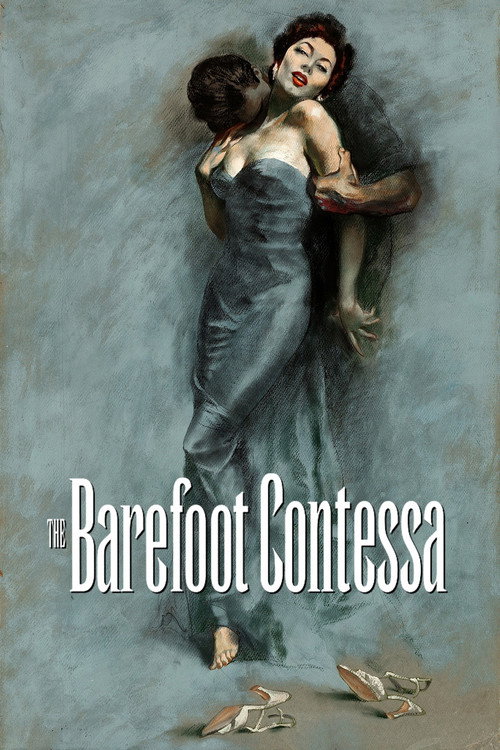
The Barefoot Contessa1954
Ava Gardner again, this time as a woman who uses beauty as a weapon to claw her way up from nothing. The film is cynical about masculine desire and female survival in ways that feel almost modern, shot across glamorous European locations.
But It's long, digressive, and more interested in character wreckage than plot momentum. Some will find it indulgent rather than absorbing.
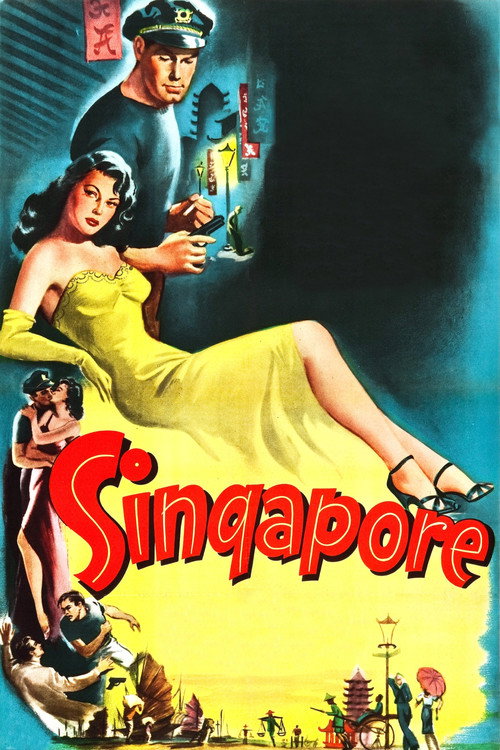
Singapore1947
Fred MacMurray and Ava Gardner in another colonial intrigue story with amnesia, betrayal, and a woman caught between two men's versions of the truth. It has that same postwar sense that desire and duty are irreconcilable.
But It's a B-picture that knows it's a B-picture. The plotting is creaky and the dialogue often awkward in ways that feel unintentional rather than charming.
The Killers1946
Burt Lancaster and Ava Gardner in a noir that begins with a man's mysterious past and spirals into a woman's destructive beauty. It has genuine fatalism—the sense that some men are simply doomed by what they desire.
But It's structured as a detective investigation rather than a continuous narrative, which can feel fragmented. The femme fatale role is well-trodden ground by now.

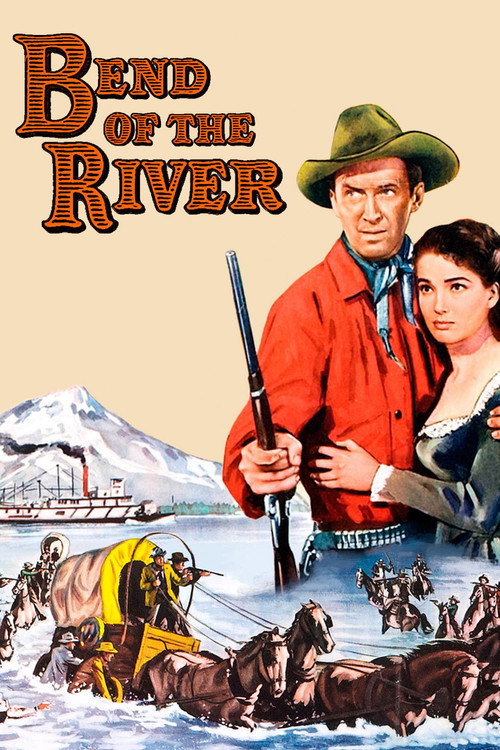
Bend of the River1952
James Stewart in a western where masculine pride and romantic jealousy drive the plot in ways that echo the colonial melodrama formula. It's a western that thinks like a psychological drama, with real moral ambiguity about who deserves what.
But It's a western, which changes the register entirely. If you're specifically drawn to the colonial/tropical setting and its implications, this relocates the idea to the Oregon frontier.
The Night of the Hunter1955
Both films are fascinated by how desire unmakes men, but Hunter externalizes it into pure visual symbolism while White Cargo keeps it grounded in plot and character. Together they show the same psychological truth told two completely different ways.
Charles Laughton's only film as director—a psychological thriller where male desire and masculine performance become the actual monster. It's stylized, nightmarish, and operates on pure mood rather than realism. Nothing like White Cargo in setting, everything like it in theme.
But It's expressionist and arch, shot in black and white, operating in register closer to nightmare than melodrama. If you want realism or conventional narrative, it will feel overwrought and strange.

People
Cast
 Hedy LamarrTondelayo
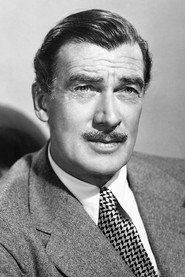 Walter PidgeonMr. Harry Witzel
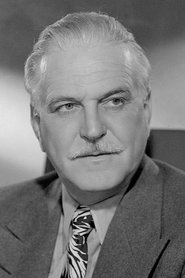 Frank MorganThe Doctor
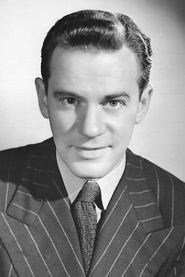 Richard CarlsonMr. Langford
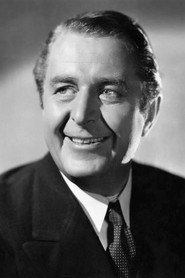 Reginald OwenSkipper of the Congo Queen
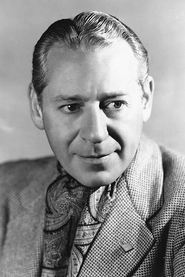 Henry O'NeillThe Reverend Dr. Roberts
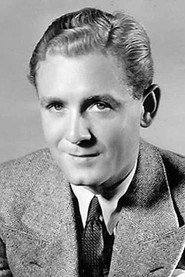 Bramwell FletcherWilbur Ashley
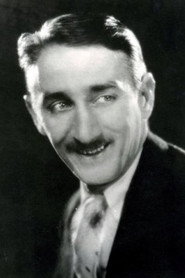 Clyde CookTed, First Mate of the Congo Queen
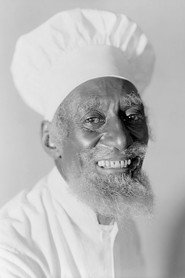 Leigh WhipperJim Fish
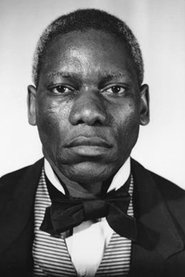 Oscar PolkUmeela
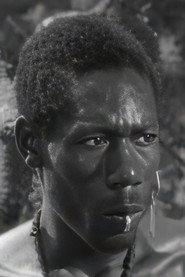 Darby JonesDarby
 Richard AinleyMr. Worthing
Directing
- Al JenningsAssistant Director
- Richard ThorpeDirector
Writing
- Ida Vera SimontonNovel
- Leon GordonScreenplay
- Leon GordonTheatre Play
Production
- Victor SavilleProducer