
Film
Saratoga Trunk
A 1945 romantic drama where Gary Cooper's Texas gambler and Ingrid Bergman's exiled Creole noblewoman form an unlikely partnership to reclaim their place in society. It's old Hollywood at its most lavish—costumes, scheming, genuine chemistry—wrapped around a revenge plot that lets both leads shine. For anyone who loves classical cinema and period intrigue.
If you liked this
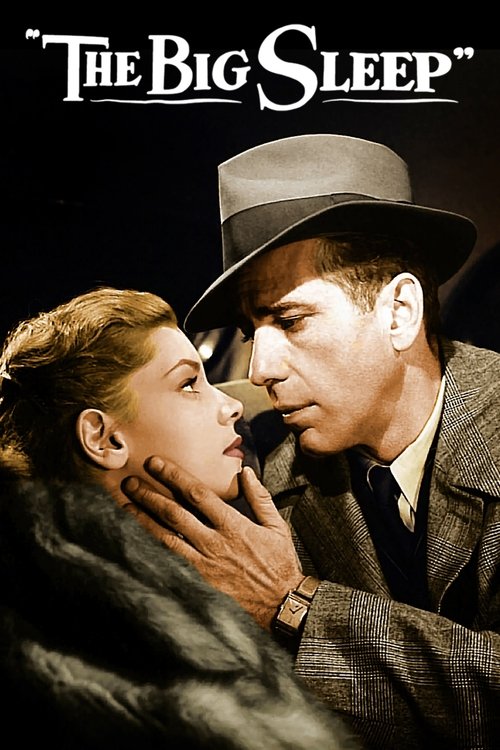
The Big Sleep1946
Humphrey Bogart and Lauren Bacall crackle with the same electric chemistry Cooper and Bergman have here. It's a noir with humor, style, and two leads who seem to be having a blast outsmarting everyone around them.
But The plot is genuinely confusing—nobody, not even the screenwriters, could fully explain it. You're here for the stars and banter, not narrative clarity.
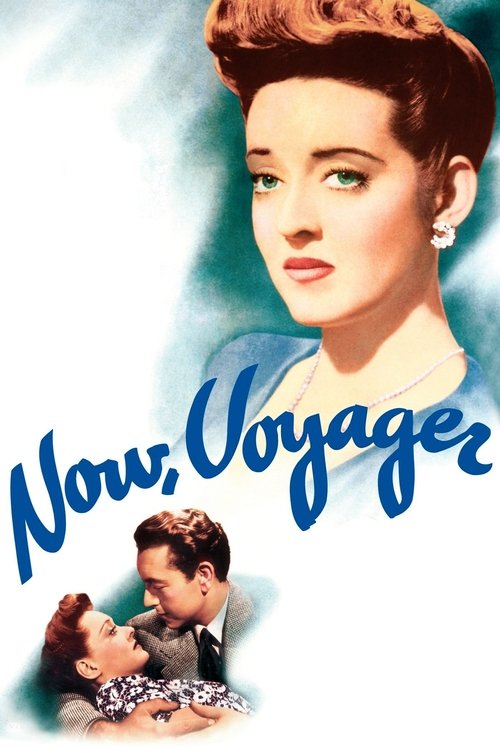
Now, Voyager1942
Bette Davis transforms from dowdy spinster to glamorous woman of the world, reclaiming her life on her own terms. Like Bergman's arc here, it's about self-determination wrapped in gorgeous costume drama and real emotional stakes.
But The pacing is deliberate, almost stately. If you want constant plot momentum, this moves at a 1940s parlor tempo that demands patience.
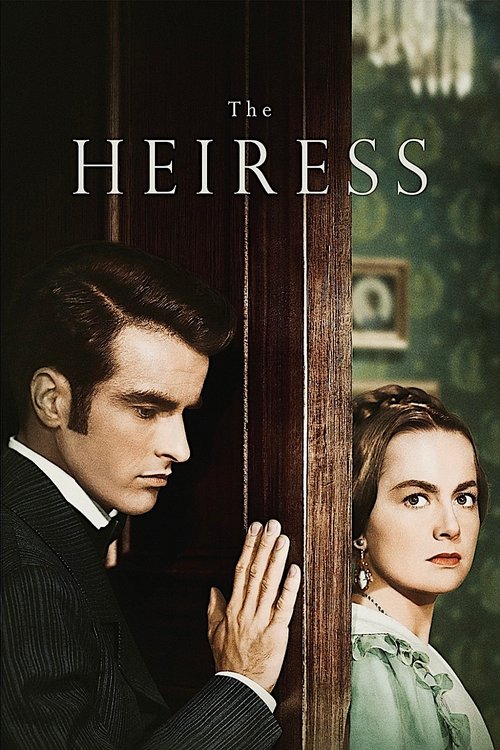
The Heiress1949
Another rich woman learning to play society's games on her own terms, with Olivia de Havilland giving one of cinema's great transformations. It has the same blend of romance, scheming, and that delicious moment when the heroine stops being a victim.
But It's a slow burn into darkness. The film earns its cynicism, but if you're expecting romance, the final act will sting.
Not sure tonight? Get a pick in a minute, starting from Saratoga Trunk
The wildcard
Something you would not have found on your own.
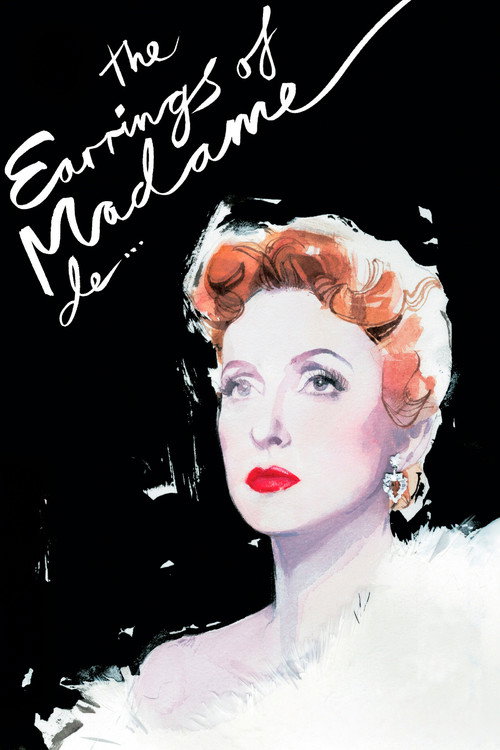
The Earrings of Madame de...1953
Both films are obsessed with how women navigate rigid social hierarchies through charm, calculation, and the strategic deployment of beauty. But where Saratoga Trunk believes in triumph, Madame de... knows better.
A French film about a woman's social ambition and the intricate games people play within aristocratic circles. It's achingly beautiful, witty, and far more interested in the mechanics of class and desire than in straightforward plot. The camera loves every frame.
But It's a European art film with a melancholic center—no happy ending, no catharsis. The pacing is deliberate; the rewards come from visual and emotional subtlety, not action.
More like this (7)
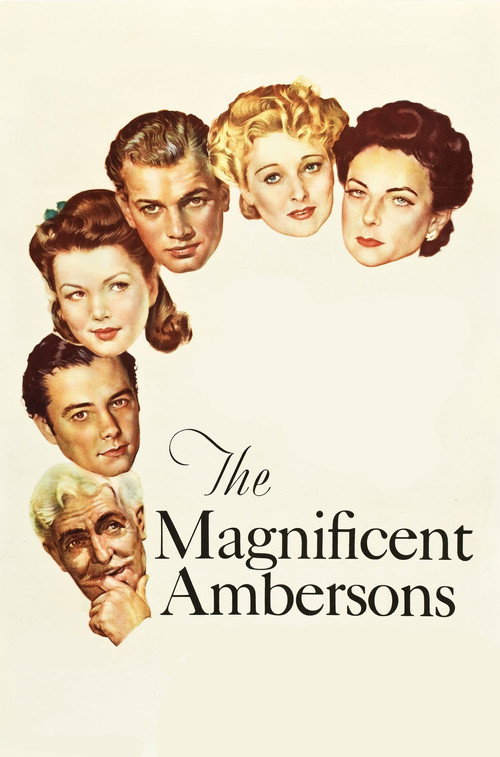
The Magnificent Ambersons1942
Orson Welles directing a sweeping American family saga with real grandeur and intimacy. Like Saratoga Trunk, it's about power, class, and how the past shapes who gets to belong.
But Studio interference means the ending feels truncated. What's there is brilliant, but you'll sense what was lost.
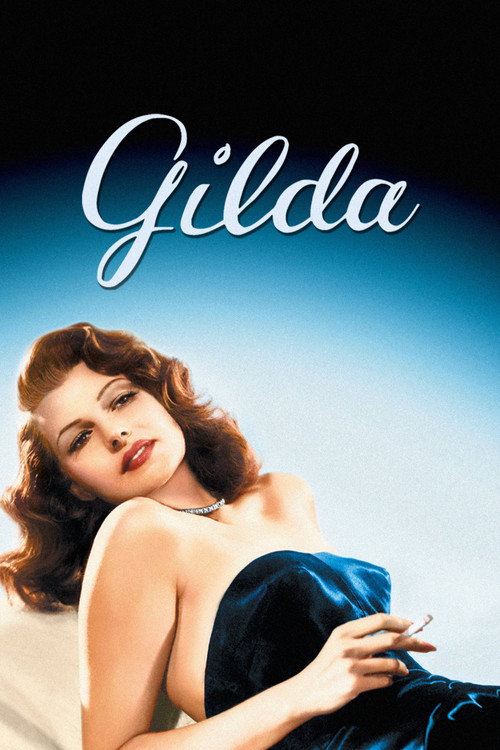
Gilda1946
Rita Hayworth in a Buenos Aires nightclub drama with Glenn Ford—it's all suggestion, sexual tension, and gorgeous black-and-white cinematography. Pure 1940s glamour with a plot that's really just an excuse for the leads to drive each other wild.
But The story is flimsy and the film's attitudes toward women haven't aged brilliantly. You're really watching for Hayworth's presence and that one unforgettable musical number.
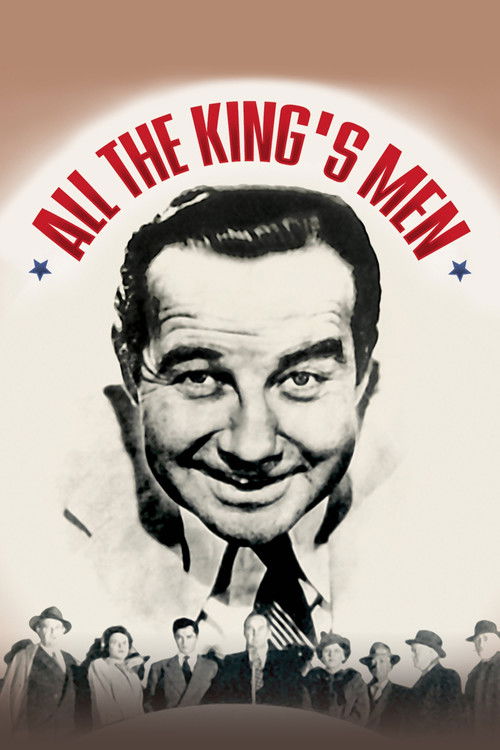
All the King's Men1949
Broderick Crawford's Louisiana politician rises and falls in a tale of corruption and moral compromise. It shares Saratoga Trunk's fascination with how people manipulate power and society to get what they want.
But It's darker and far less romantic than this film—more interested in cynicism than in happy endings. The pacing can feel heavy-handed.
The Killers1946
Burt Lancaster's debut is a noirish tale of a man with a mysterious past. Like Cooper's gambler, Lancaster plays someone whose charm and secrets make him irresistible and dangerous in equal measure.
But It's structurally fractured, jumping around in time before that technique was familiar. Some find it exciting; others find it disorienting.

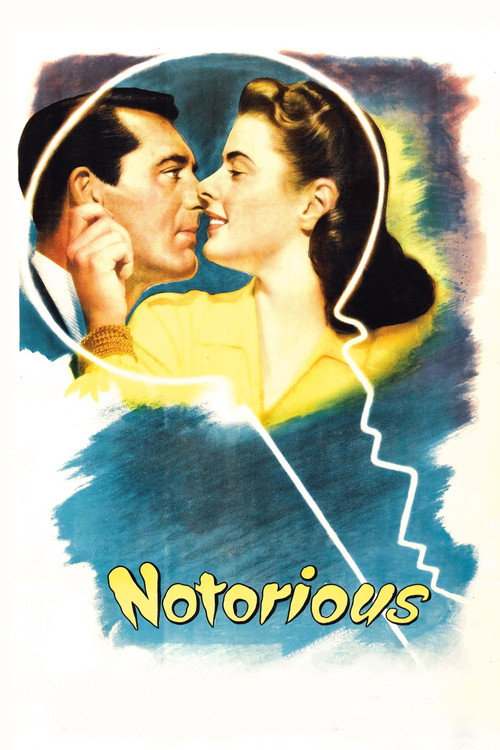
Notorious1946
Hitchcock's thriller with Cary Grant and Ingrid Bergman—yes, the same Bergman. She's asked to do something morally ambiguous and dangerous. The romance is real, the plot is taut, the stakes are lethal.
But It's grittier and far darker than a straight romance. If you want Bergman in full glamour mode, this asks her to inhabit moral shadows.
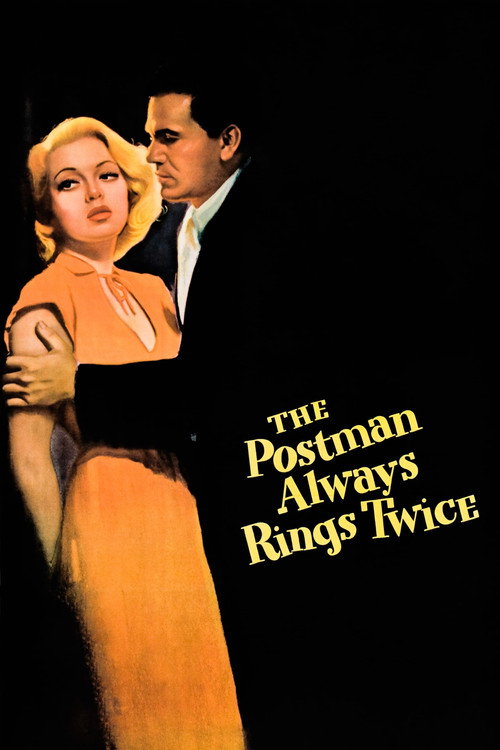
The Postman Always Rings Twice1946
Lana Turner and John Garfield in a noir about attraction, ambition, and schemes that spiral catastrophically. It's got the same plotting energy as Saratoga Trunk but replaces aristocratic revenge with crimes of passion.
But The censors forced cuts that soften the sexual content and moral danger. The film still works, but you'll sense what's been erased.
Johnny Guitar1954
Both are 1940s-adjacent westerns where the real power lies with a woman of uncertain social standing who refuses to be dismissed. But Johnny Guitar is far stranger and darker—it's what happens when a western lets its female lead be genuinely complex.
Nicholas Ray's western where Joan Crawford runs a saloon and dominates everyone around her—a film where the woman is the actual protagonist and the gunfighter is secondary. It's sexually charged, visually strange, and utterly committed to its star's authority.
But It's avant-garde for a western and feels genuinely odd—the morality is murky, the aesthetic is high and strange, and if you want a conventional gunslinger story, this isn't it.

People
Cast
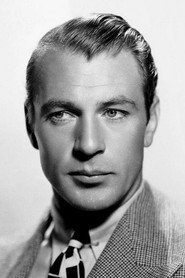 Gary CooperColonel Clint Maroon
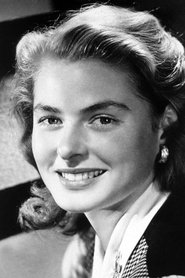 Ingrid BergmanClio Dulaine
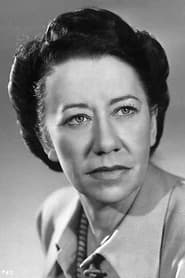 Flora RobsonAngelique Buiton
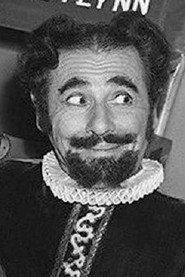 Jerry AustinCupidon
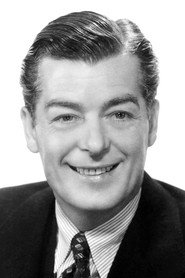 John WarburtonBartholomew Van Steed
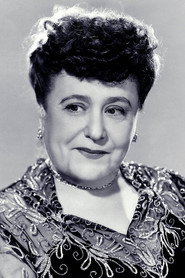 Florence BatesSophie Bellop
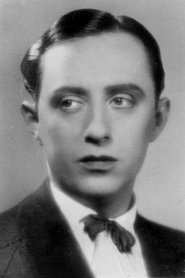 Curt BoisAugustin Haussy
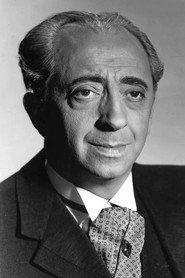 John AbbottRoscoe Bean
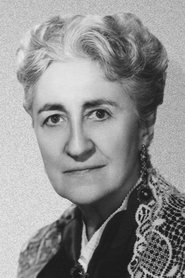 Ethel GriffiesClarissa Van Steed
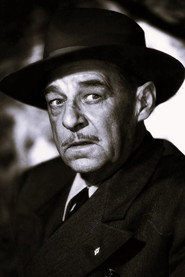 Al BridgeSoule Gang Engineer (uncredited)
- James CarlisleCostume Ball Attendee (uncredited)
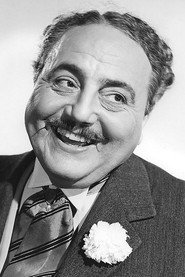 Gino CorradoDiner (uncredited)
Directing
- Sam WoodDirector
Writing
- Edna FerberNovel
- Casey RobinsonScreenplay