
Film
Storm Over Bengal
A sprightly 1938 Republic adventure set in British India, where two officers navigate romance, rebellion, and redemption in 65 brisk minutes. It's a B-movie with genuine charm: confident filmmaking, a villain worth hating, and the kind of knockabout energy that knows exactly what it is. For anyone who loves old-fashioned swashbucklers and doesn't mind the creaky politics that came with them.
Should you watch it?
Watch it if you like lean, old-fashioned colonial adventure, where a clear-cut regiment-versus-rebels plot and a sturdy romance do the heavy lifting, and a studio programmer from 1938 feels like a treat.
Skip it if you need psychological depth or morally complicated Empire politics, since this is a sturdy, cheerfully simple B-picture whose characters are sketched in broad strokes and whose villain is villainous from the first frame.
What it asks of you: Very little of your attention: it runs barely an hour, moves briskly from skirmish to skirmish, and takes its good guys and bad guys at face value.
Not sure? Find tonight's pick in a minute.
If you liked this
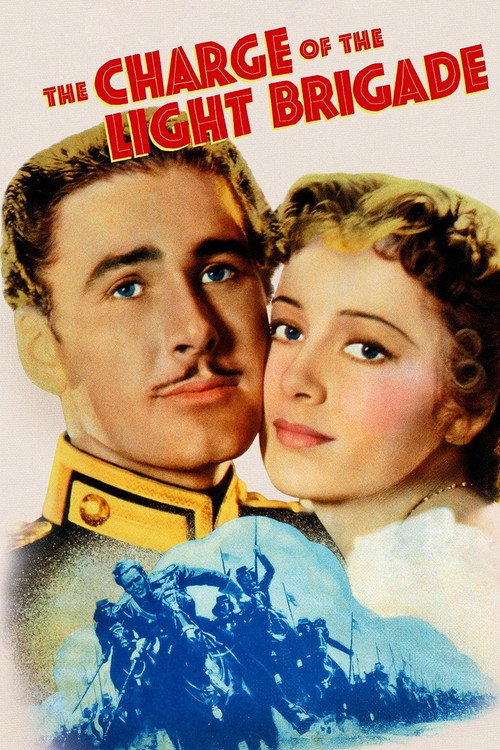
The Charge of the Light Brigade1936
Errol Flynn at peak charisma in Michael Curtiz's lavish Technicolor spectacle. The same adventure-serial DNA as Storm Over Bengal, but with triple the budget and some of the era's finest action sequences.
But Nearly two hours of florid melodrama and romantic subplot that can feel airless. The politics are predictably of their time, and Flynn's heroics occasionally tip toward the insufferable.
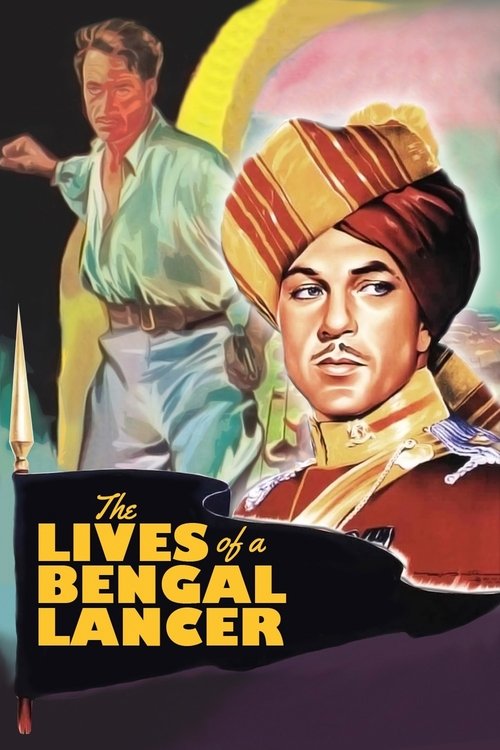
The Lives of a Bengal Lancer1935
Gary Cooper and Franchot Tone in an earlier, meatier take on the same milieu. More serious in tone, more invested in character, with sequences that genuinely grip. The template that Storm Over Bengal cheerfully borrows from.
But Ponderously paced by modern standards, and the torture sequences (which amused Roger Dooley) land harder than you might expect. A long sit for a thin story.
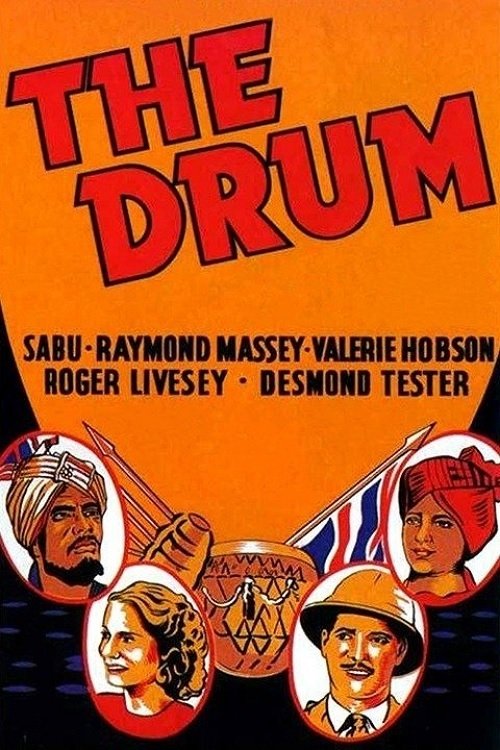
The Drum1938
Sabu in a Korda adventure that matches Storm Over Bengal's year and energy while adding genuine spectacle. It's colonial adventure at its most unbothered and exuberant—vivid, quick-moving, and completely sure of itself.
But The cultural attitudes are even more dated and casual than in Storm Over Bengal. It's unapologetic period piece stuff, which is part of its charm and part of its problem.
Not sure tonight? Get a pick in a minute, starting from Storm Over Bengal
The wildcard
Something you would not have found on your own.
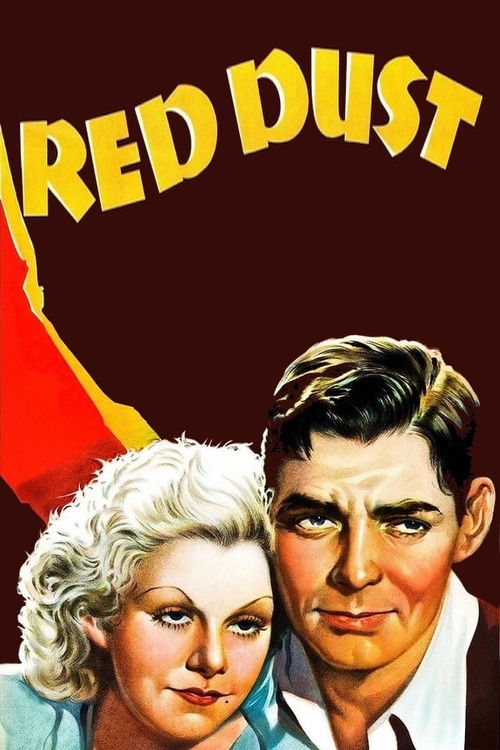
Red Dust1932
Both are colonial-adventure tales about men and women navigating duty, desire, and danger in exotic locations, but Red Dust inverts the moral certainty—here, honor and loyalty are luxuries nobody can afford.
Clark Gable, Jean Harlow, and a rubber plantation in Indochina instead of British India—same colonial-adventure DNA, same steamy romance, but it's sex and cynicism rather than duty and honor. Josef von Sternberg's direction gives it a weightier atmosphere than Storm Over Bengal's sprint.
But It moves slowly on purpose, luxuriating in shadow and innuendo. The whole film hinges on your investment in a love triangle that the plot doesn't really resolve. And it's a genuine melodrama, not a adventure-movie lark.
More like this (7)
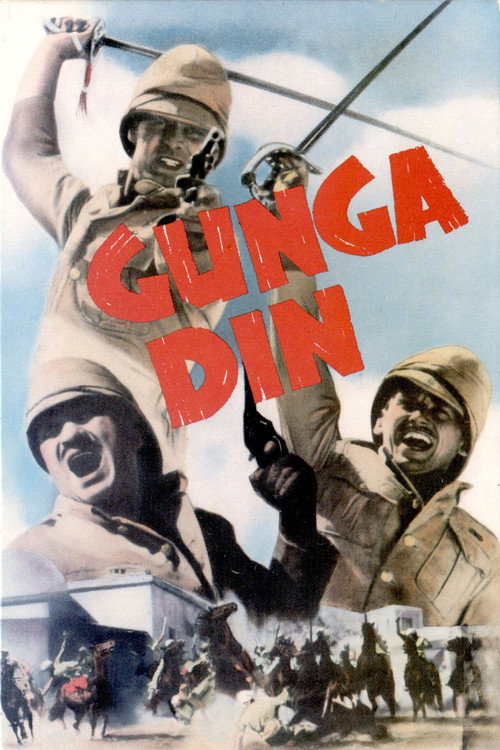
Gunga Din1939
Cary Grant, Douglas Fairbanks Jr., and Victor McLaglen in George Stevens' masterclass in adventure filmmaking. It has everything: humor, spectacle, genuine stakes, and three leads with such easy chemistry that you forget to question the premise.
But The racial caricatures are savage even by 1939 standards. It's a film that asks you to overlook its worst self to enjoy its best, which some won't, and shouldn't.
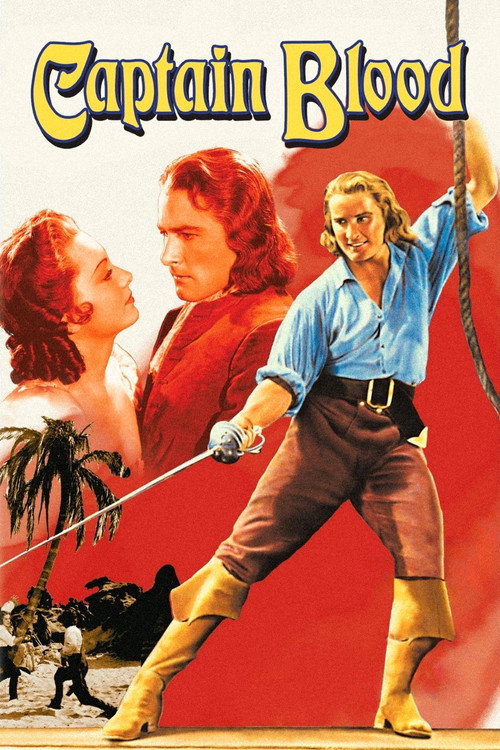
Captain Blood1935
Errol Flynn and Michael Curtiz's first collaboration, which basically invented the modern adventure film. Faster and sharper than Charge of the Light Brigade, with sword work that still impresses and a romance that actually breathes.
But The plot is a clothes-hanger for spectacle, and if period swashbuckling leaves you cold, this won't convert you. Some of the process work is visibly stage-bound.
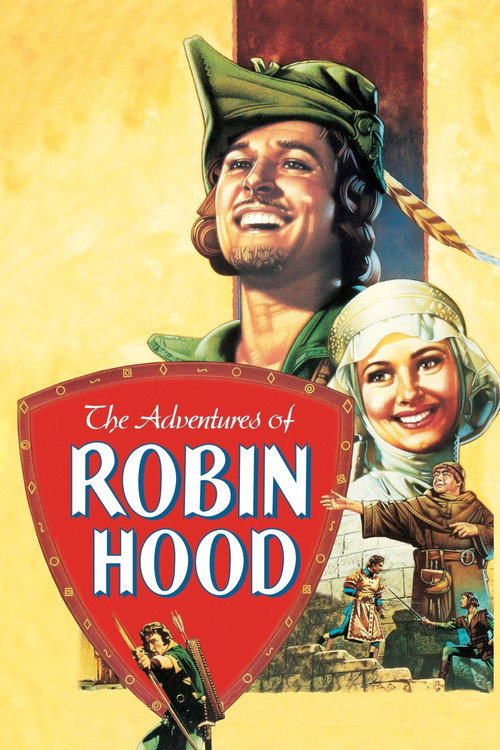
The Adventures of Robin Hood1938
Errol Flynn and Michael Curtiz's Technicolor masterpiece. If you want to see what the adventure-film template looks like when everything clicks—direction, casting, design, action—this is it. Pure joy.
But It's so perfectly accomplished that it casts a long shadow. Other swashbucklers can feel thin next to it, and the fairy-tale tone isn't for everyone.
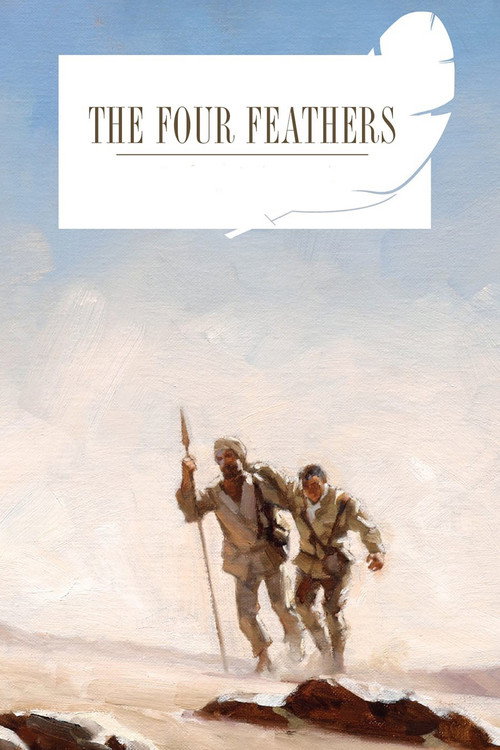
The Four Feathers1939
A Korda production with genuine emotional weight beneath its adventure-serial surface. The action is thrilling, but it's the moral uncertainty—the questions about honor and cowardice—that stays with you.
But The adventure sequences, good as they are, serve a character study that can feel slow. It's not a romp; it asks you to care about its protagonist's redemption.
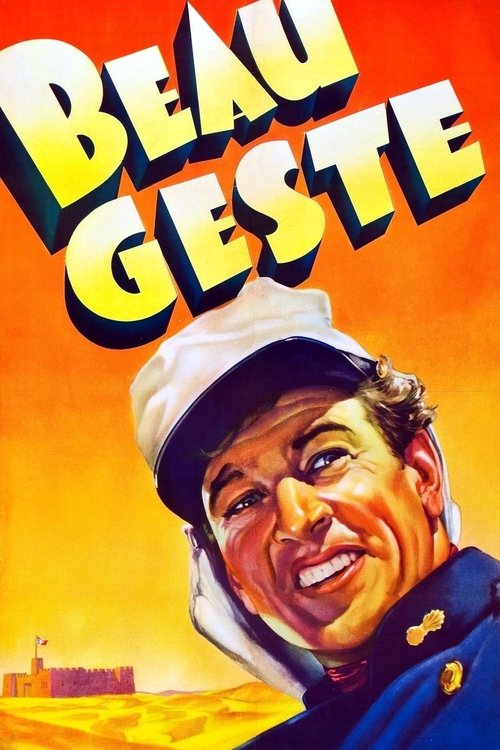
Beau Geste1939
Gary Cooper and Ray Milland in William Wellman's Foreign Legion tale. It's got mystery, action, friendship, and a real narrative engine—the plot always moves, and the mystery pays off.
But The emotional beats can feel corny, and the setup (three brothers' parallel stories) gets tangled by the end. It's a bit overstuffed for what it needs to be.
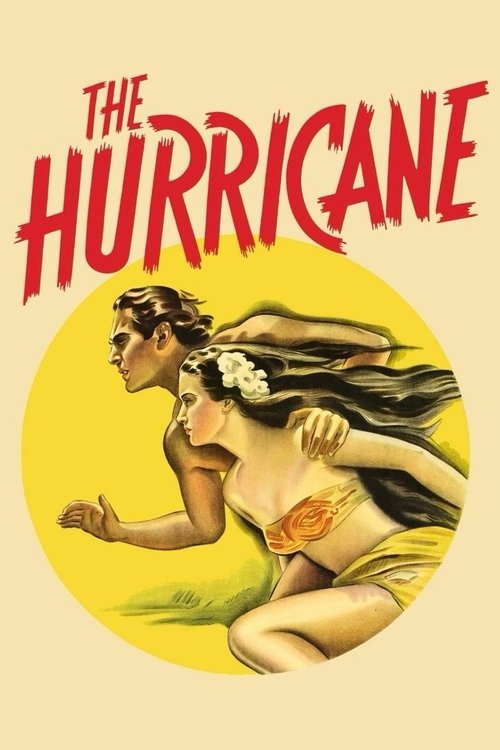
The Hurricane1937
Both films use adventure-movie genres to examine empire, but where Storm Over Bengal accepts imperial hierarchy, The Hurricane questions whether the colonizers deserve their power.
John Ford's spectacle about islanders and colonizers, with Dorothy Lamour and Jon Hall. The climactic hurricane is visual filmmaking of staggering ambition—it makes Storm Over Bengal's action look like a rehearsal. The moral architecture is far more complicated.
But The first hour is slow and romantic in a way that tests patience. The racial politics are complicated (not simple like Storm Over Bengal's), which means the film asks more of you and is harder to like cleanly.
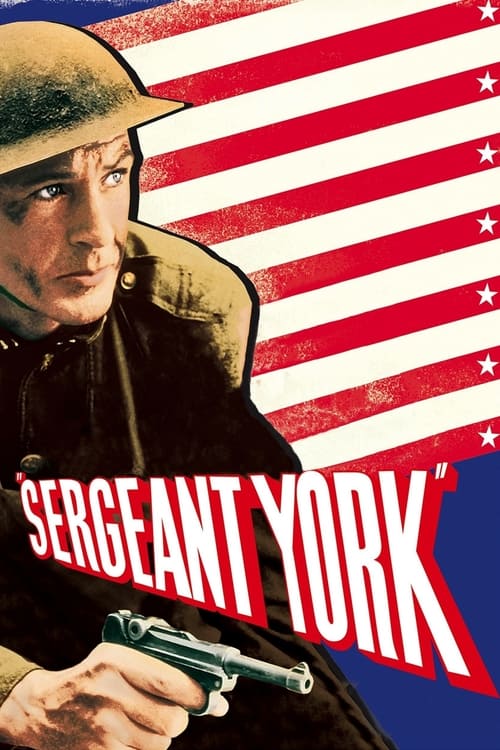
Sergeant York1941
Both follow a coward's (or reluctant man's) path to fighting, but where Storm Over Bengal treats it as romantic redemption, Sergeant York treats it as spiritual defeat—the hero doesn't become a hero, he just becomes a soldier.
Gary Cooper as a reluctant hero forced into war—it's the opposite of Storm Over Bengal's blood-and-honor mythology. Cooper's performance is quiet and uncomfortable, turning the adventure-film hero into a pacifist. Howard Hawks' direction is understated, almost documentary in its refusal to glorify combat.
But It's a war film that doesn't want to be one, a Western about a man who'd rather farm. If you came for action, you'll be disappointed. The register is solemn and unglamorous.
People
Cast
 Patric KnowlesCaptain Jeffrey Allison
 Richard CromwellLt. Neil Allison
 Rochelle HudsonJoan Lattimore
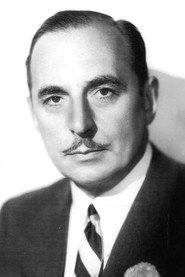 Douglass DumbrilleRamin Khan
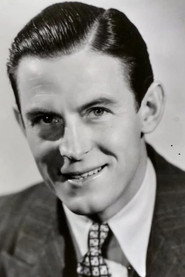 Colin TapleyHallett
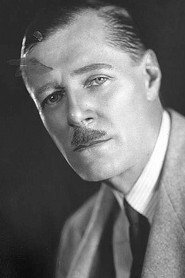 Gilbert EmeryColonel Torrance
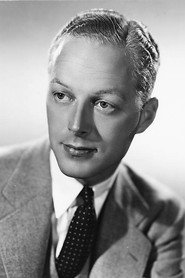 Douglas WaltonTerry
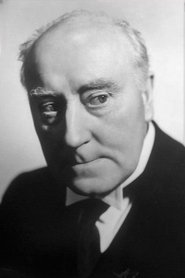 Halliwell HobbesSir John Galt
- John BurtonSir Austin Carter
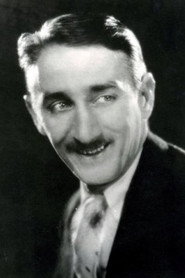 Clyde CookAlf
- Claud AllisterRedding
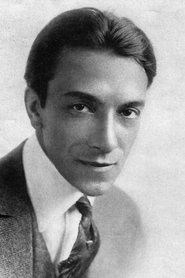 Pedro de CordobaAbdul Mir
Directing
- Sidney SalkowDirector
Recommended by
The Charge of the Light Brigade, Sanders of the River, Bengal Brigade