
Film
The Drum
A 1938 British adventure film set during the Raj, where a young Indian prince must prevent a treacherous coup using only a drum to warn British soldiers. It's a sprawling, colourful period piece designed as family spectacle—exotic locales, sword fights, loyal heroes and villainous schemers. Made in Technicolor when that was still wondrous, it exists in that vanished world of Empire cinema, unapologetically of its moment.
If you liked this
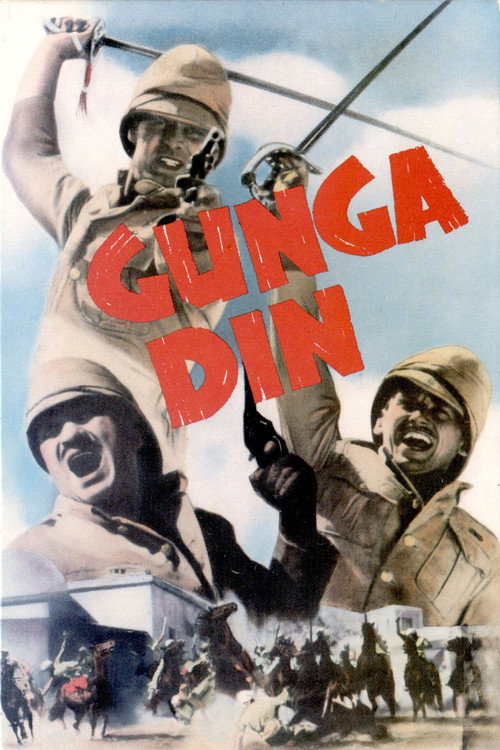
Gunga Din1939
Released the same year, another Technicolor adventure glorifying the Raj with sword fights, loyal sidekicks, and impossible heroics. Cary Grant, Douglas Fairbanks Jr., and a charismatic central performance make it irresistible fun.
But The colonial attitudes are baked in deep. It asks you to cheer for British imperial adventure in India without ever questioning the premise.
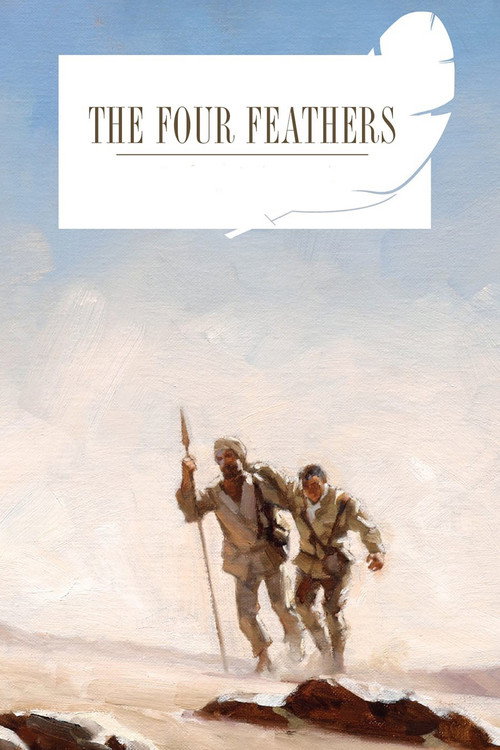
The Four Feathers1939
A gorgeously shot adventure about British honour and redemption, made just after The Drum with similar Raj-era sweep. The action sequences hold up, and it captures that specific thrill of 1930s prestige filmmaking.
But Slow by modern standards, and its ideas about manly virtue and British superiority won't sit comfortably with everyone watching.
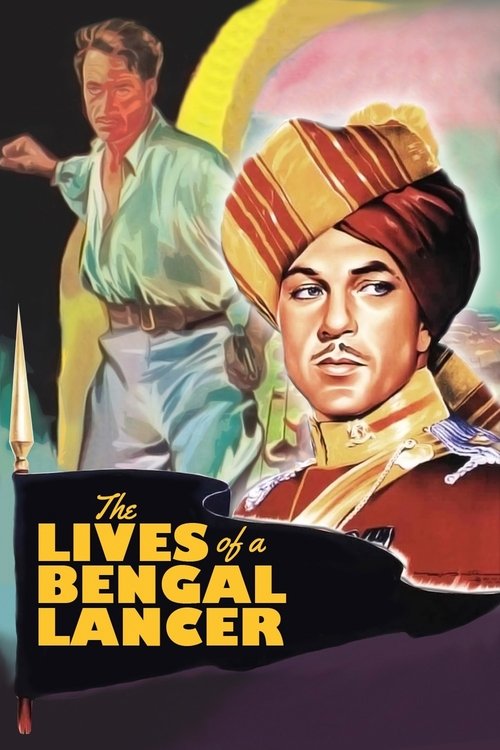
The Lives of a Bengal Lancer1935
Gary Cooper in a role tailor-made for him—brave, capable, embedded in an exotic military adventure. It has the same playbook as The Drum: pageantry, danger, a charismatic lead doing the right thing.
But It's a propaganda piece for imperial armed forces, and it shows. The Indian characters exist mainly to admire the British ones.
Not sure tonight? Get a pick in a minute, starting from The Drum
The wildcard
Something you would not have found on your own.
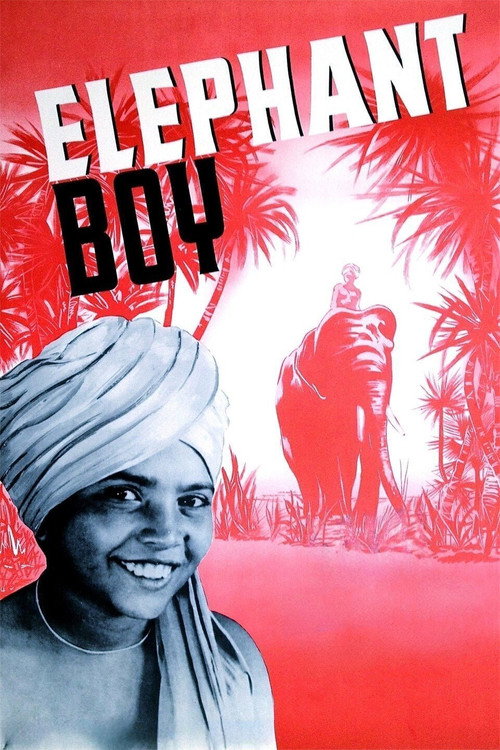
Elephant Boy1937
Sabu's breakthrough role, which led directly to The Drum and established him as a star. Both films use him as a figure of exotic innocence and loyalty, but Elephant Boy gives you the actor before the Raj machinery got him.
Sabu's debut, playing a boy raised by elephants in the Indian jungle. It's a semi-documentary adventure with real animals, real locations, and an extraordinary central performance from a child actor. Pure spectacle in a way cinema rarely attempts now.
But It's melodramatic and episodic—plot takes a backseat to showing off the elephant footage. The conservation message feels tacked on, and it's genuinely slow in stretches.
More like this (8)
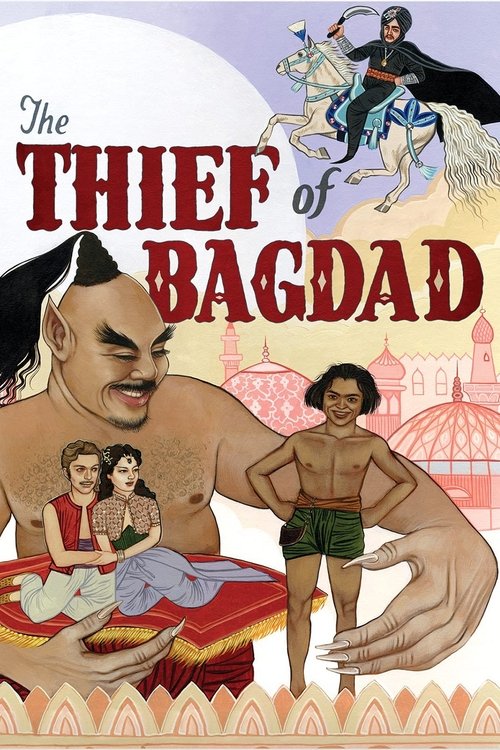
The Thief of Bagdad1940
Korda's masterpiece of colour and fantasy, made by the same team who gave you The Drum. Sabu again, now as the lead—a far richer role. The production design is still staggering after eighty years.
But It's fantasy-adventure rather than pseudo-historical, so the tone is quite different. Also runs long, and the pacing is leisurely.
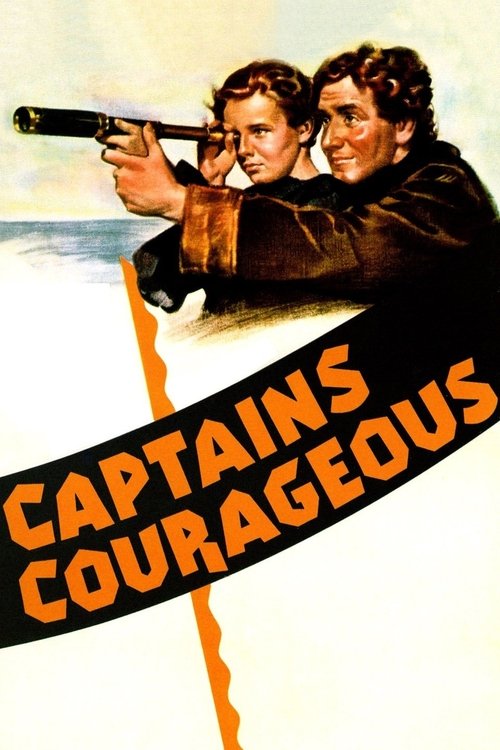
Captains Courageous1937
Freddie Bartholomew and Spencer Tracy in a rousing adventure about character and loyalty. It has The Drum's faith in decent people doing decent things, with excellent performances and real warmth throughout.
But Fundamentally sentimental, and the message about rich boys learning humility through hard work is laid on without irony. Some find it saccharine.
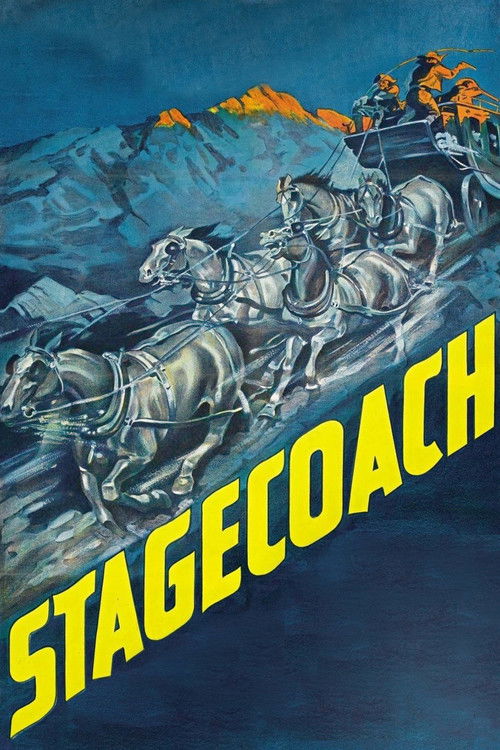
Stagecoach1939
John Ford's masterwork about strangers thrown together under pressure. It has adventure, moral complexity, and a narrative drive that makes the plot feel inevitable. Early John Wayne at his best.
But The treatment of Native Americans is period-typical and grim. Also, it's a Western, so if you wanted more Raj cinema this won't deliver that.
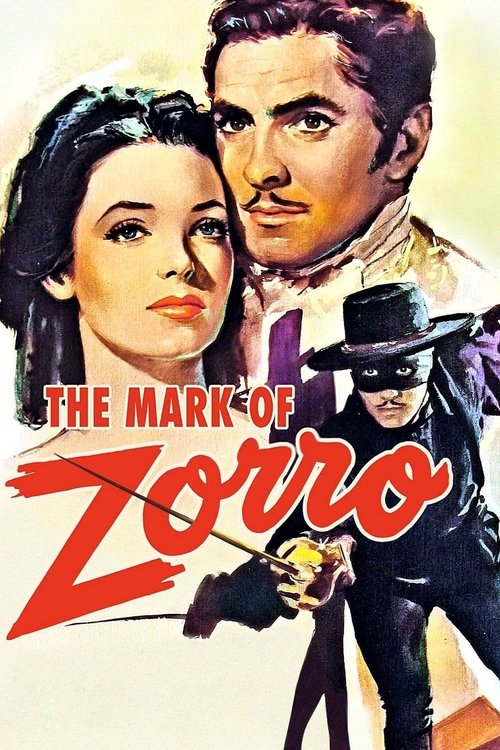
The Mark of Zorro1940
Tyrone Power as a masked avenger protecting the downtrodden against tyranny. It has The Drum's energy and moral clarity—the good guy is secretly capable, the villain is openly corrupt, and justice prevails.
But The plot is simple to the point of obviousness. It's all surface charm and sword choreography with no surprises whatsoever.
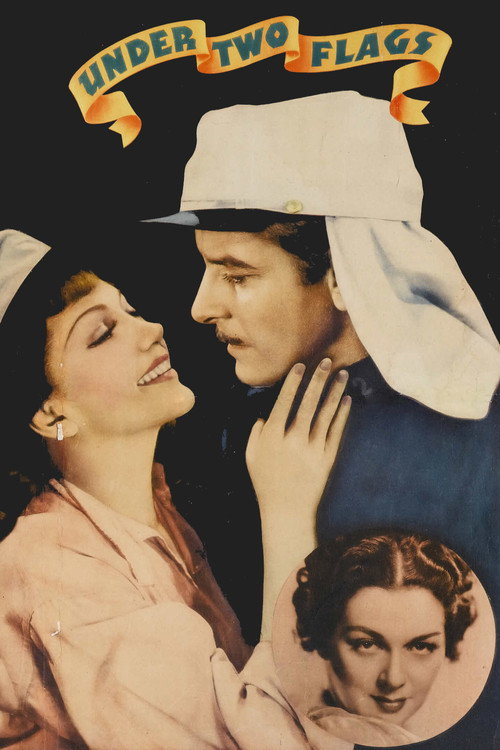
Under Two Flags1936
Ronald Colman as a dashing officer in the French Foreign Legion, unjustly accused and fighting to prove his honour. The same mid-30s adventure flavour as The Drum, with a charming lead and romantic complications.
But It's weaker than its ambitions—the plot meanders, the supporting cast is unmemorable, and it relies too heavily on Colman's charisma to carry weak material.
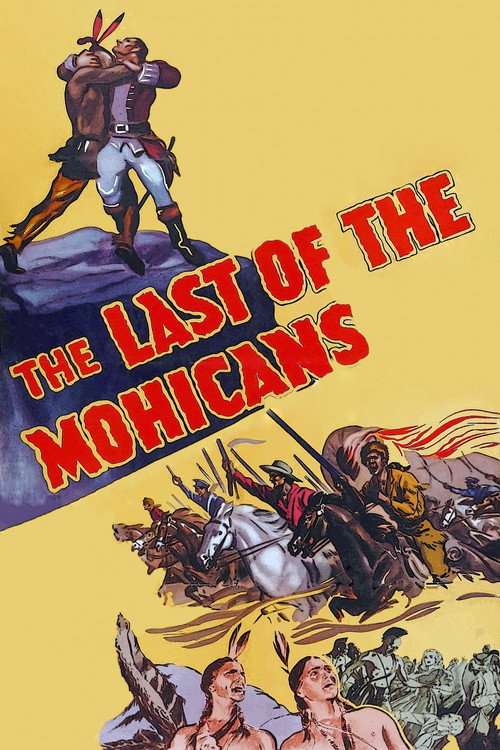
The Last of the Mohicans1936
Randolph Scott in an action-packed period adventure with genuine excitement and some memorable set pieces. It moves at pace and delivers exactly what the poster promises.
But The dialogue is often stilted, the characterisation thin, and it's a dated adaptation of dated source material. Production values are cheaper than The Drum's.
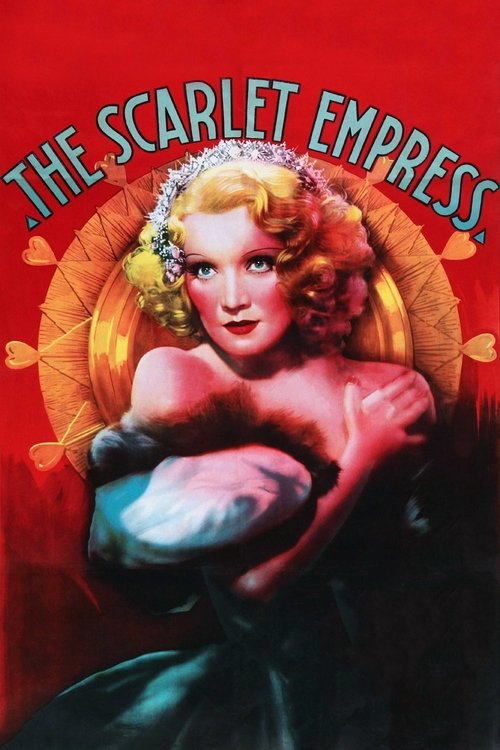
The Scarlet Empress1934
Both are Technicolor spectacles about court intrigue and treachery in exotic palaces, but Scarlet Empress is what happens when a visionary director weaponises the format. Where The Drum tells a story, Sternberg creates an atmosphere. Different registers of the same impulse.
Marlene Dietrich as Catherine the Great in Josef von Sternberg's fever dream of imperial power. It's gorgeously weird, visually baroque, darkly funny about ambition and sexuality. A masterpiece of style over substance, and utterly hypnotic.
But The plot is negligible, the dialogue can be purple, and it's shot through with Sternberg's obsessive stylisation. If you want realism or clarity, you will hate it. Also Sternberg's direction of female sexuality won't read as progressive.
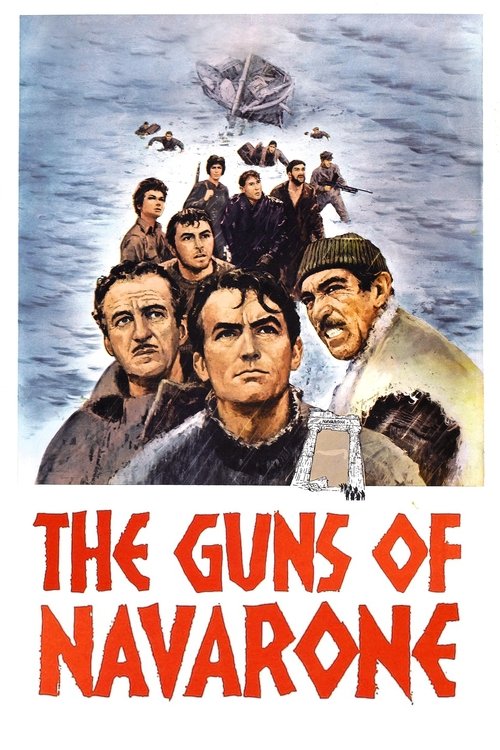
The Guns of Navarone1961
Same narrative engine as The Drum—loyal soldiers, a treacherous enemy, a desperate plan, loyalty tested under fire. But made twenty years later by filmmakers who knew how to make the formula actually work for adult audiences. It's what happens when the adventure story grows up without losing faith in its own heroism.
A WWII adventure that modernised the formula—tighter script, better acting, more credible stakes. Gregory Peck, David Niven, and a team executing an impossible mission. It's what The Drum's formula becomes when cinema moves forward.
But It's considerably more violent and morally ambiguous than 1930s adventure. Also over two hours and quite slow-burn in parts, despite the action.
People
Cast
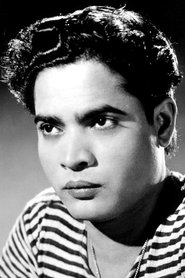 SabuPrince Azim
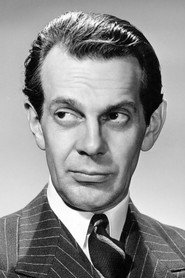 Raymond MasseyPrince Ghul
 Valerie HobsonMrs. Carruthers
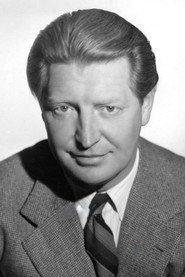 Roger LiveseyCapt. Carruthers
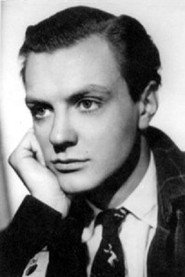 David TreeLieut. Escott
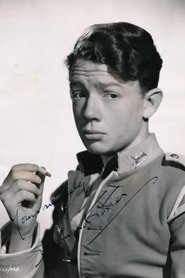 Desmond TesterBill Holder
- Francis L. SullivanGovernor
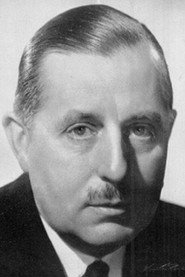 Archibald BattyMajor Bond
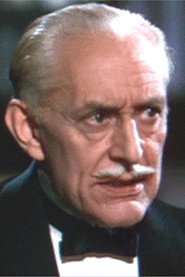 Frederick CulleyDr.Murphy
- Amid TaftazaniMohammed Khan
- Laurence BaskcombZarullah
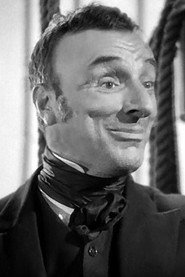 Roy EmertonWafadar
Directing
- Zoltan KordaDirector
Writing
- Lajos BiróAdaptation
- A.E.W. MasonWriter
Production
- Alexander KordaProducer