
Film
The Last of the Mohicans
Other titles called The Last of the Mohicans: the 1920 film, the 1932 film, the 1992 film.
A 1936 adventure film set during the French and Indian War, following a Mohican scout and his companion as they navigate warfare, treachery, and rescue through the American wilderness. It's sweeping frontier drama with rousing action sequences, historical sweep, and a romantic edge. For anyone who wants old Hollywood spectacle, authentic period detail, and the kind of earnest heroism that doesn't apologize for itself.
If you liked this
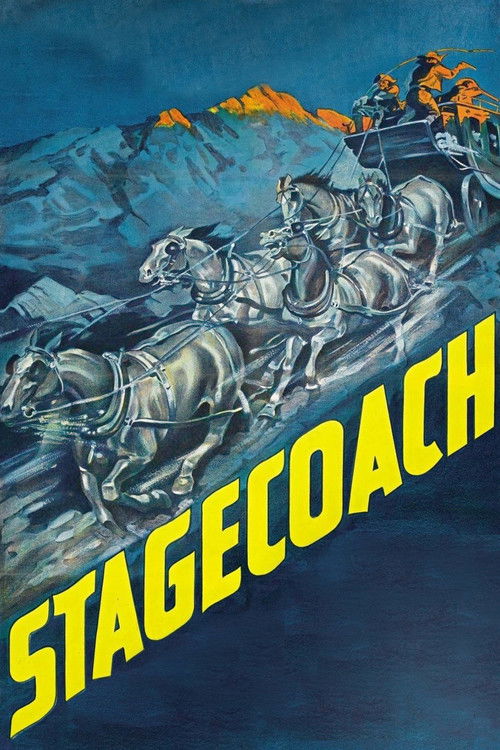
Stagecoach1939
John Ford's masterpiece of movement and tension across hostile territory. A diverse group thrown together, moral compromises, and landscape as character. If you love the scale of *Mohicans*, this refines it into something even sharper.
But It's a chamber piece compared to the earlier film's scope—mostly confined to a coach. And it predates the revisionist Western; the politics won't surprise a modern viewer.
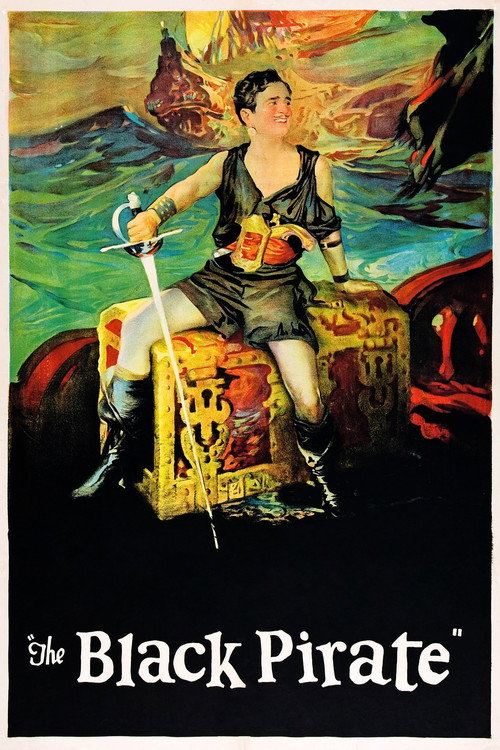
The Black Pirate1926
Douglas Fairbanks in his prime, doing what Randolph Scott learned from: swashbuckling adventure, physical comedy, and genuine innovation in action cinematography. Pure escapism with style and wit intact after a century.
But It's silent, which demands patience. And Fairbanks' mugging occasionally tips into territory that feels dated—not always in a fun way.
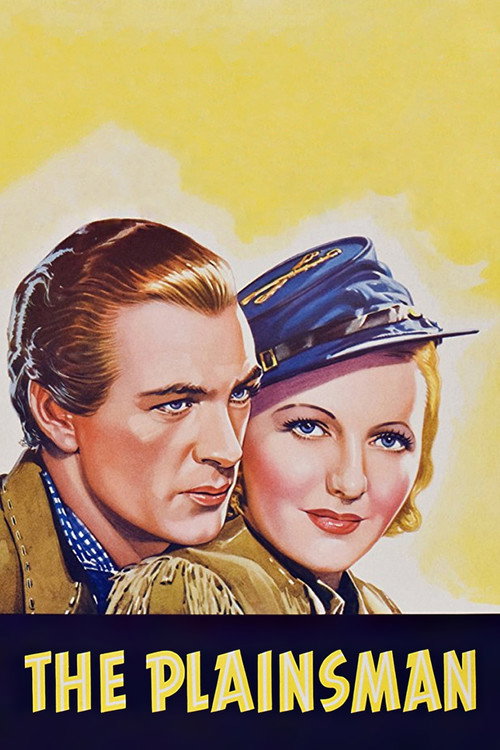
The Plainsman1936
Made the same year, with similar ambitions: Wild West legend-building, frontier action, historical figures colliding with drama. Gary Cooper and Jean Arthur, DeMille's hand on it. The DNA is identical.
But DeMille's tendency to bloat everything occasionally overwhelms the narrative. And the historical liberties are so extreme they circle back into being silly.
Not sure tonight? Get a pick in a minute, starting from The Last of the Mohicans
The wildcard
Something you would not have found on your own.
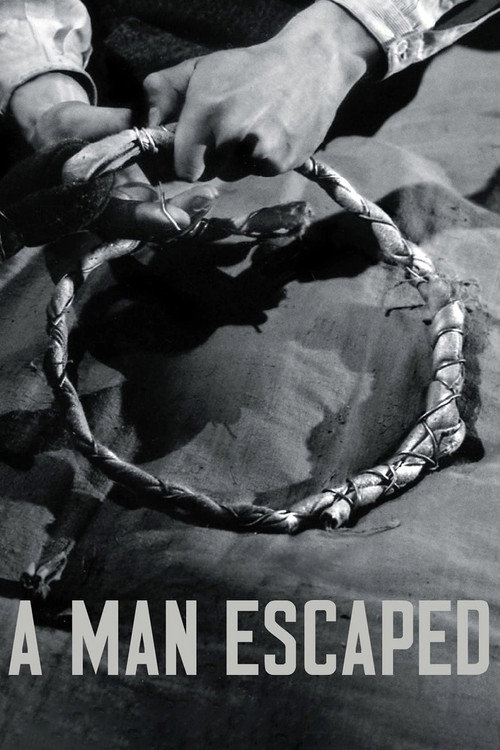
A Man Escaped1956
Both films make their landscapes into characters and their heroes' survival into moral rather than just physical tests. Both trust the audience to care about incremental forward motion.
Robert Bresson's prisoner-of-war escape film from a completely different tradition: French, spare, deeply spiritual, focused on minute details of tunnel-digging and planning. It shares *Mohicans*' core engine—survival, movement through hostile space, moral authority tested—but strips away all spectacle to find something harder and stranger beneath.
But It's austere and meditative rather than thrilling. Bresson's style demands active watching; if you're looking for swashbuckling action, this will frustrate you deeply.
More like this (8)
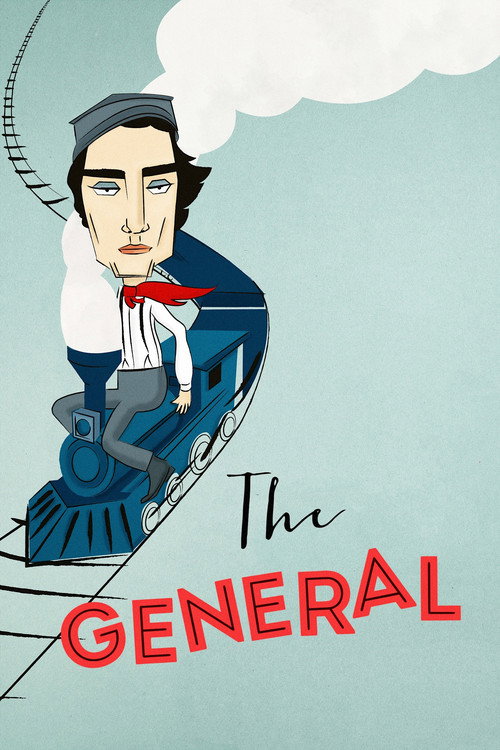
The General1926
Buster Keaton's Civil War chase film is a masterclass in action design and pacing. The train sequences are ingeniously choreographed, the emotional beats are real, and it's *funny* without undermining the stakes.
But Silent films aren't for everyone, and Keaton's deadpan style can feel remote if you're unprepared for it. The politics are period-specific in ways that sting.
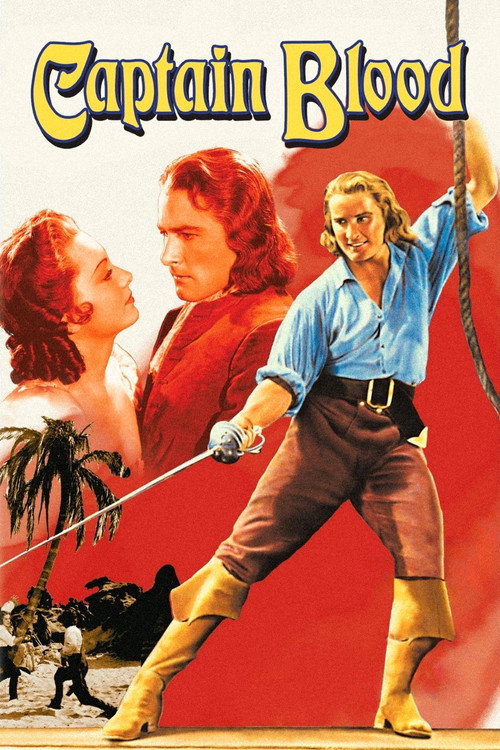
Captain Blood1935
Errol Flynn and Michael Curtiz's prototype for every adventure film that followed. Swashbuckling, wronged men, rebellion, and action that still moves. If *Mohicans* excited you, this is the adjacent masterpiece.
But The romantic subplot is obligatory and feels padded. And Flynn's charm, while undeniable, can veer into lightweight territory in stretches.
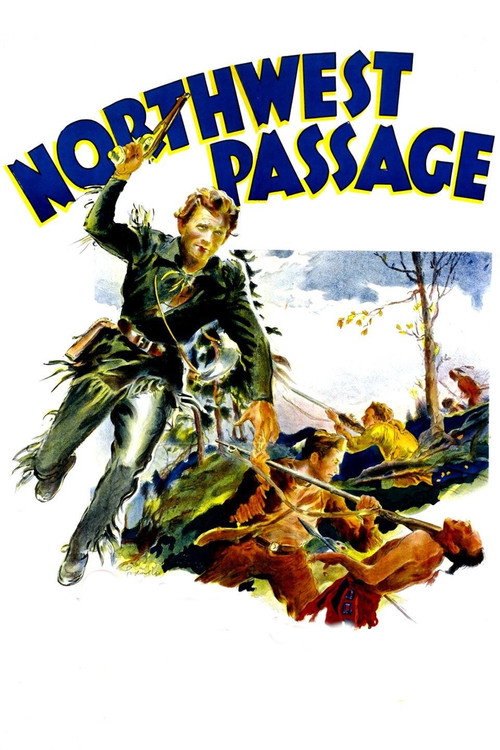
Northwest Passage1940
Spencer Tracy leading an expedition through wilderness and moral compromise. It's *Mohicans*' thematic cousin—frontier brutality, Indigenous peoples caught in historical machinery, loyalty tested.
But It's troubled by its own politics in ways it doesn't acknowledge. The film's treatment of Native Americans is complicated and sometimes uncomfortable.
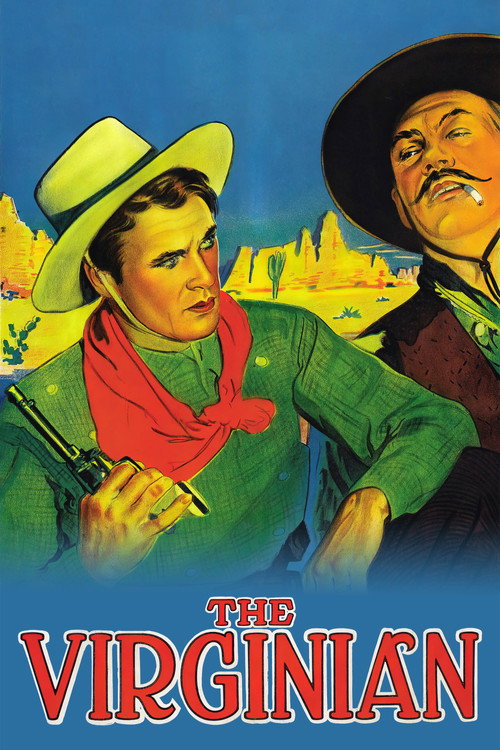
The Virginian1929
Gary Cooper as the archetype of the noble Western hero. It's the template—quiet authority, landscape heroism, romance subplot, frontier code. If you're drawn to Scott's Hawkeye, you're drawn to this lineage.
But It moves slowly by modern standards, and the love story halts momentum repeatedly. Some of the dialogue is overwrought even for 1929.
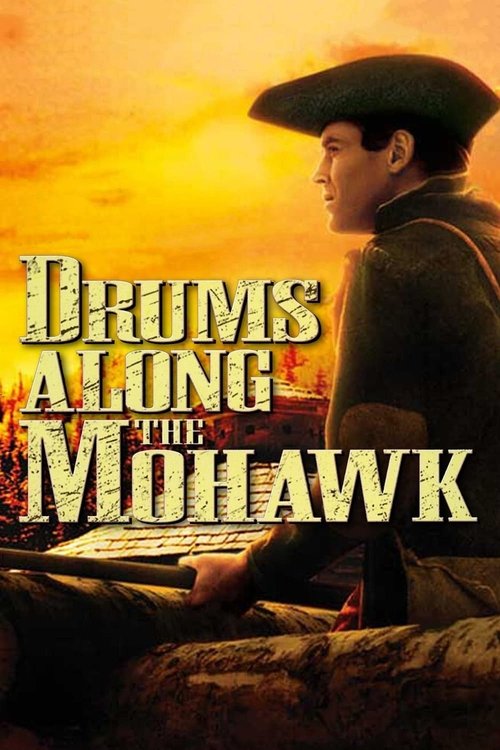
Drums Along the Mohawk1939
John Ford's revisit to Revolutionary War-era New York, with Henry Fonda and Claudette Colbert. Frontier life under siege, community against wilderness, historical sweep with domestic texture. Ford learned from *Mohicans* and made something richer.
But The romantic comedy elements feel at odds with the war setting. And Ford's sentimentalizing of frontier life doesn't sit comfortably with what we now know about displacement.
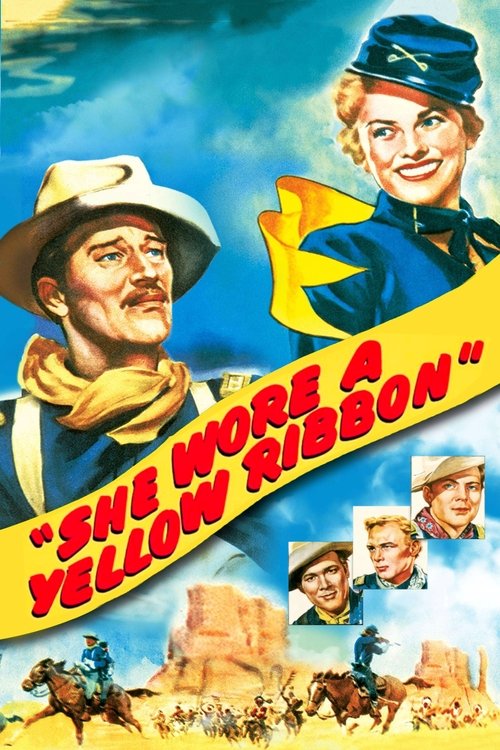
She Wore a Yellow Ribbon1949
John Wayne, Monument Valley, and John Ford in perfect alignment. It's the distilled essence of what *Mohicans* was reaching for—honor, landscape, the frontier as moral testing ground.
But It's meditative where *Mohicans* is urgent. And Wayne's presence is so dominant it can flatten other characters if you're not in the right headspace.
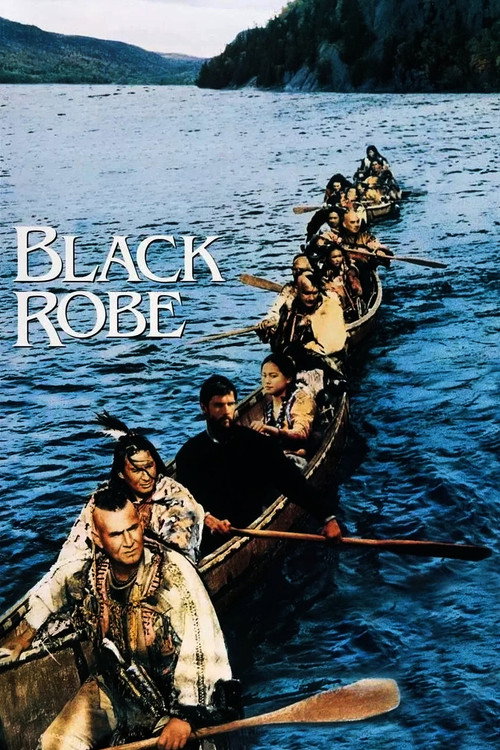
Black Robe1991
Both tell stories of cross-cultural encounter in colonial America, but where *Mohicans* centers white heroism and Indigenous nobility, *Black Robe* dismantles those categories entirely and asks harder questions about conversion, belonging, and whose story gets told.
A Jesuit priest travels through 17th-century Canada meeting Montagnais peoples and French fur traders. It has *Mohicans*' historical setting and wilderness movement, but inverts the power dynamics entirely—told from the perspective of a man out of place, morally certain but utterly lost, encountering cultures he does not understand as superior to his own.
But It's deliberately unglamorous and its violence is consequential rather than heroic. The ending is bleak and offers no redemption. And it moves slowly, building dread rather than excitement.
The Ballad of Little Jo1993
Both are frontier narratives where survival depends on assuming or performing an identity the hero wasn't born to. Both use the wilderness as a space where reinvention is possible—but *Jo* asks whether that reinvention is freedom or just another prison.
A woman disguises herself as a man to survive the frontier alone, starring Suzy Amis. It's a Western but told in a documentary-realist mode, plainly lit, unromantic. It has the same wilderness-survival DNA as *Mohicans* but asks completely different questions about identity, passing, and what's actually being heroic.
But It's intentionally undramatic; there are no rousing moments. Maggie Greenwald's style is deliberately anti-spectacle. And its gender politics, while central, might feel preachy if you're not already sympathetic.

People
Cast
 Randolph ScottHawkeye
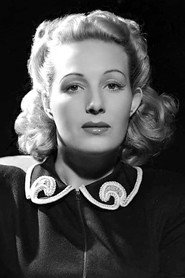 Binnie BarnesAlice Munro
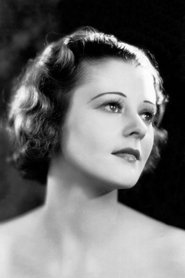 Heather AngelCora Munro
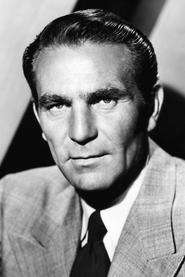 Henry WilcoxonMaj. Duncan Heyward
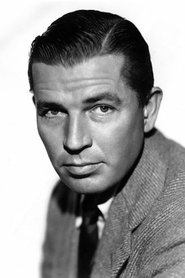 Bruce CabotMagua
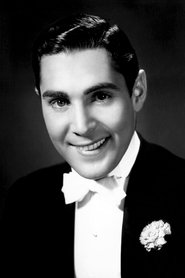 Phillip ReedUncas
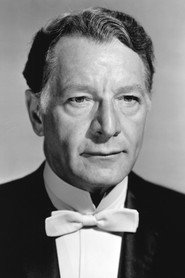 Robert BarratChingachgook
- Hugh BucklerColonel Munro
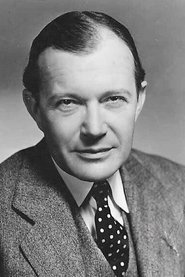 Willard RobertsonCaptain Winthrop
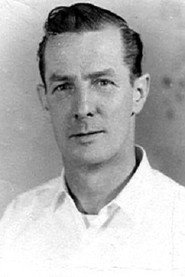 William StackGeneral Montcalm
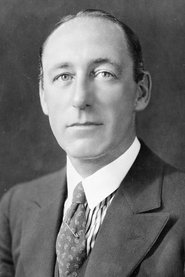 Lumsden HareGeneral Abercrombie
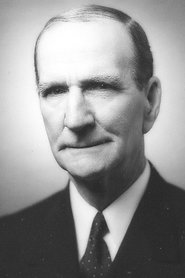 Frank McGlynn Sr.Gamut
Directing
- Clem BeauchampAssistant Director
- George B. SeitzDirector
Writing
- Daniel MooreAdaptation
- John L. BalderstonAdaptation
- Paul PerezAdaptation
- James Fenimore CooperNovel
- Philip DunneScreenplay
Production
- Edward SmallProducer