
Film
Come and Get It
A Depression-era timber baron trades his true love for social advancement, then decades later finds himself drawn to her daughter. Wyler's film captures small-town Wisconsin ambition with raw emotional stakes, built on performances that feel lived-in. It's for anyone who knows that wanting the wrong thing can feel exactly like wanting the right thing.
If you liked this
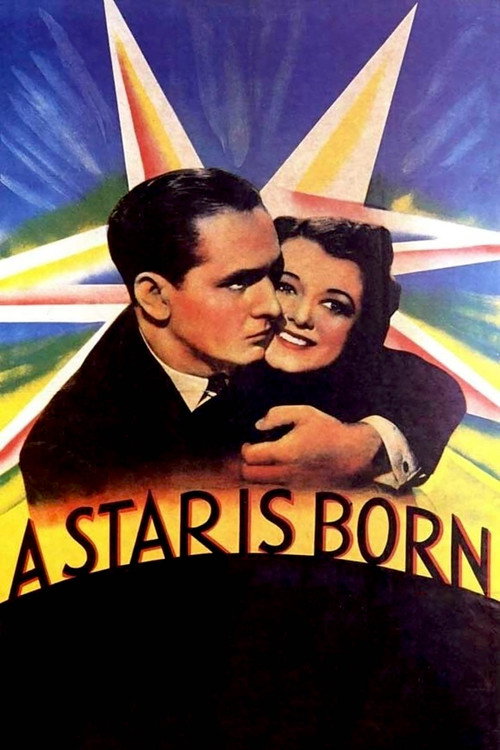
A Star Is Born1937
Cukor's parallel tale of ambition corroding love, with Janet Gaynor and Fredric March delivering performances of bruising honesty. Both films understand that success can be the cruelest betrayal of yourself.
But The pacing is measured in ways modern audiences find testing; it asks you to sit with regret rather than resolve it quickly.
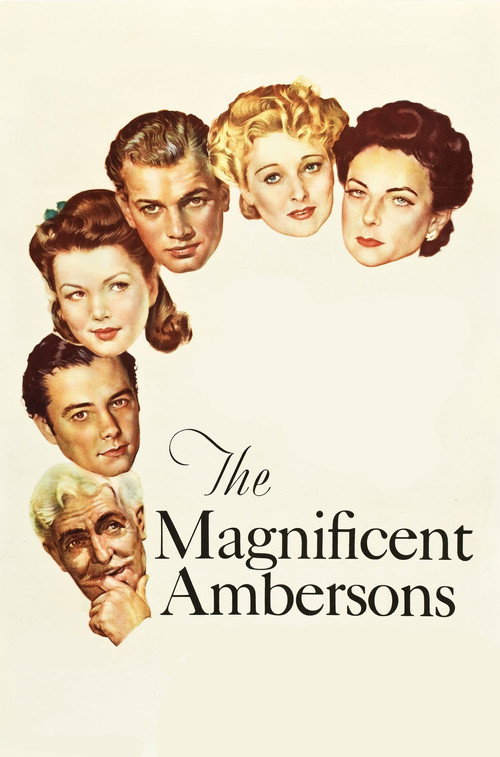
The Magnificent Ambersons1942
Welles explores the same wound—a family destroyed by one man's refusal to change. The visual language is richer, but the moral horror is identical: watching someone love the wrong thing at the cost of everyone around them.
But It's more baroque and elliptical; if you want clarity, this isn't it. Welles also doesn't give you the mercy of a neat ending.
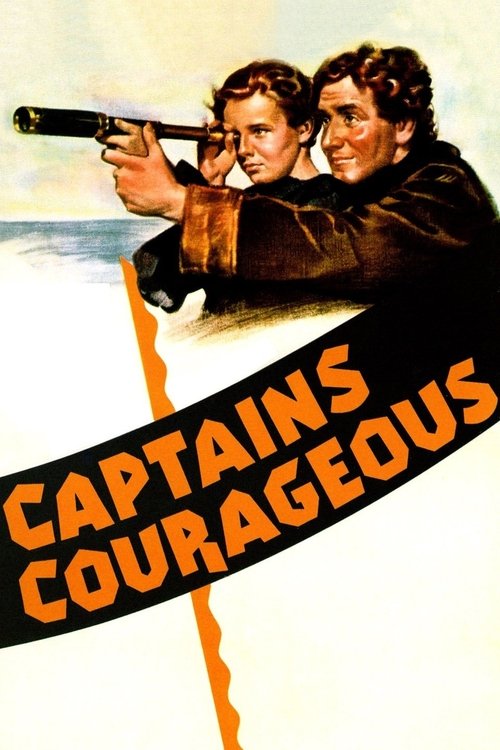
Captains Courageous1937
Spencer Tracy and Freddie Bartholomew in a story about a man undone by his own choices, learning too late what matters. Fleming shoots it with the same affection for working men that Wyler brings to loggers and saloon keepers.
But It's warmer and more forgiving than Come and Get It, which some will find sentimental. The redemption arc here is gentler than the one you'll find in Wyler.
Not sure tonight? Get a pick in a minute, starting from Come and Get It
The wildcard
Something you would not have found on your own.
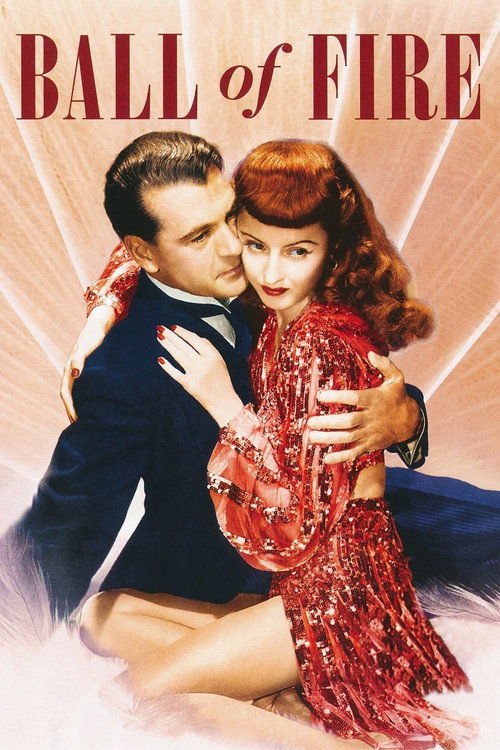
Ball of Fire1941
Both use the choice between love and social advancement as their moral center; Ball of Fire simply argues the opposite case.
Hawks' screwball comedy where Gary Cooper plays a scholar who falls for Barbara Stanwyck. It's the inverse of Come and Get It: instead of a man choosing status over love, it's a man choosing love despite status. Same crossroads, opposite direction. Both films understand that desire and ambition are often the same force.
But It's a comedy in a very specific Howard Hawks register—fast, overlapping dialogue, sometimes arch. If you want emotional directness, this is oblique.
More like this (8)
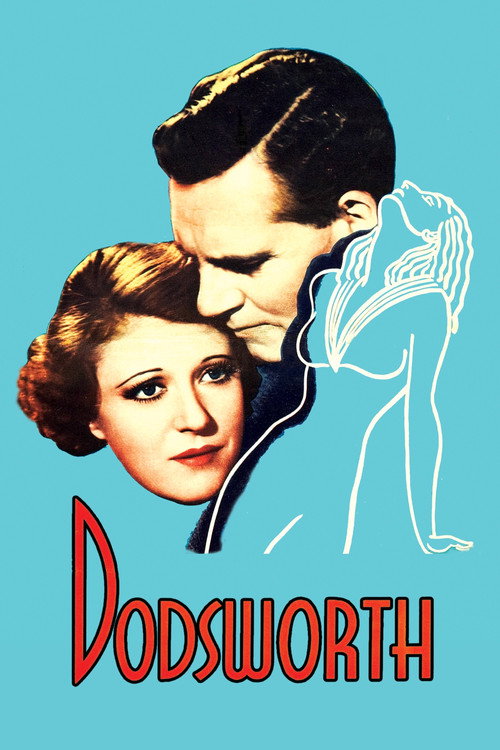
Dodsworth1936
William Wyler again, this time following a retired industrialist abroad as his marriage fractures. Walter Huston gives one of cinema's greatest performances of a good man watching his life disappear. Identical DNA to Come and Get It.
But It's 101 minutes of watching things fall apart without much reprieve. Not a film that offers you comfort.
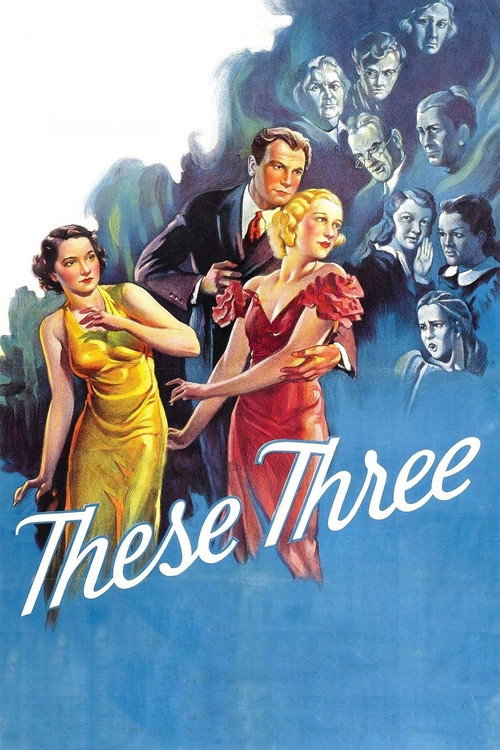
These Three1936
Wyler's adaptation of Lillian Hellman about the corrosive power of secrets and lies. The emotional precision matches Come and Get It; both films understand that small towns make intimacy a weapon.
But The dialogue is theatrical and occasionally arch; if you want realism over style, it can feel mannered.
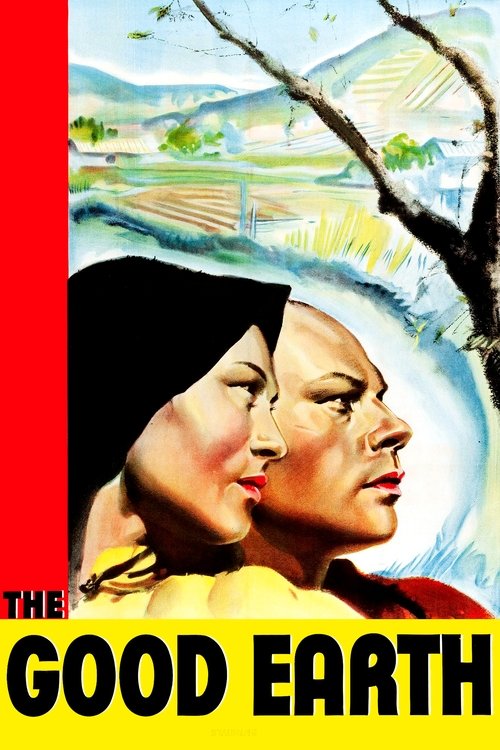
The Good Earth1937
Paul Muni and Luise Rainer trace a parallel arc: ambition that starts as survival becomes greed becomes spiritual death. Both films are interested in what success costs the soul.
But It's an adaptation of a novel about China made by Hollywood in 1937; the cultural lens is complicated and occasionally uncomfortable.
Stella Dallas1937
Barbara Stanwyck in a story about a working woman whose love for her daughter outlasts everything else—a different answer to the problem Come and Get It poses. Borzage's answer is maternal rather than romantic, but the emotional architecture is related.
But The melodrama is front-and-center; it's not trying for the realism that Wyler brings. Some will find it overwrought.

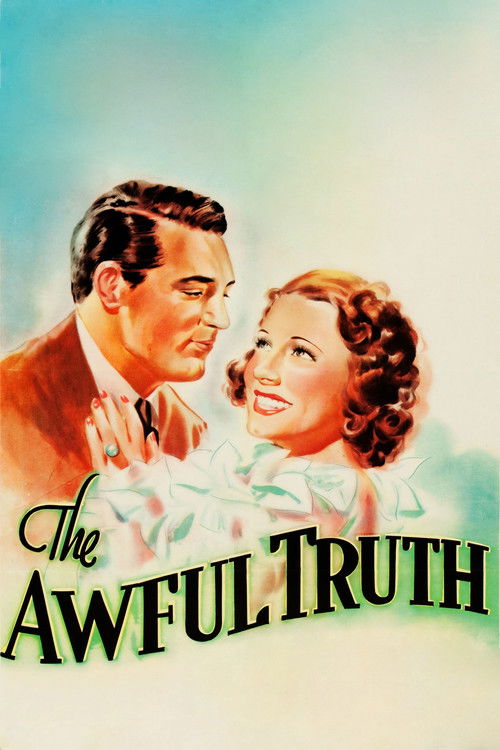
The Awful Truth1937
Mccarey's comedy about a marriage dissolving, but it shares Come and Get It's interest in why two people who love each other can't make it work. The register is entirely different—it's hilarious—but the skeleton is the same.
But Comedy and romance in equal measure can feel tonally scattered. If you want the film to pick a side, this won't satisfy you.
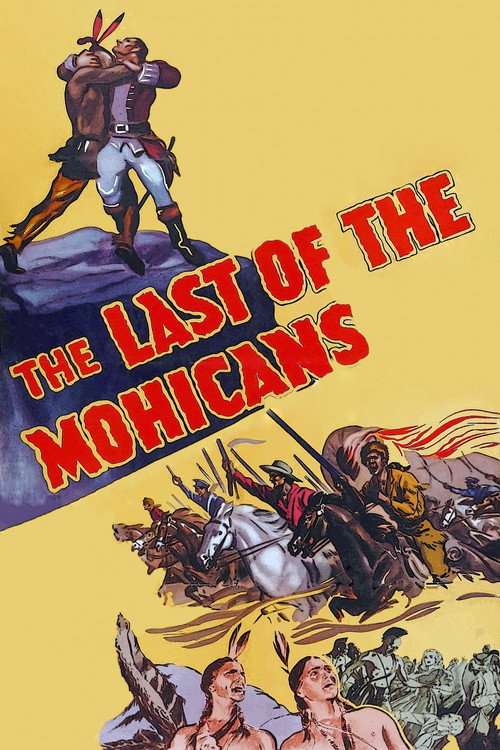
The Last of the Mohicans1936
George B. Seitz's adventure film, but what it shares with Come and Get It is a landscape—the American frontier as a place where men are tested and often fail. Both films use wilderness as a moral crucible.
But It's primarily an action film, and the action is occasionally clumsy. The emotional depth only appears in flashes.
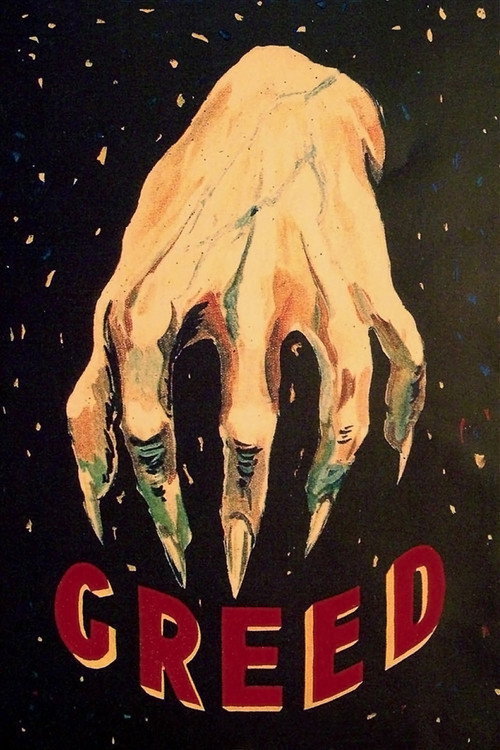
Greed1924
Both are Americana tragedies about men destroyed by wanting the wrong thing, but Stroheim is working in a more expressionistic register—Come and Get It is the realistic answer to Greed's nightmare.
Stroheim's silent masterpiece about how ambition poisons every human connection it touches. Shot in the desert with an almost documentary realism, it's the spiritual ancestor of Come and Get It—decades earlier, but more intense. Both films are furious about what greed does to the soul.
But It's silent and runs nearly four hours in the complete version. The emotional register is extremity itself; there's no relief.
Johnny Guitar1954
Both films use the saloon as a moral space where love, commerce, and ambition become impossible to separate—but Ray aestheticizes it while Wyler grounds it.
Ray's baroque western where Joan Crawford owns a saloon and Nicholas Ray films it all in vivid Trucolor with an almost Shakespearean intensity. It shares Come and Get It's fascination with saloon culture as a place where desire and commerce collide, but Ray treats it as epic tragedy rather than small-town realism.
But It's visually baroque in ways that can feel overwrought; the emotional register is operatic rather than intimate. Some will find it campy.

People
Cast
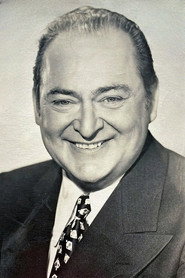 Edward ArnoldBarney Glasgow
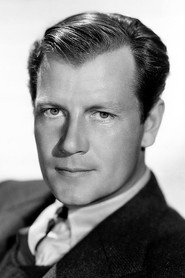 Joel McCreaRichard Glasgow
 Frances FarmerLotta Morgan / Lotta Bostrom
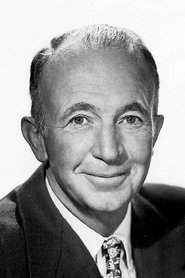 Walter BrennanSwan Bostrom
 Mady ChristiansKarie Linbeck
 Mary NashEmma Louise Glasgow
 Andrea LeedsEvvie Glasgow
 Frank ShieldsTony Schwerke
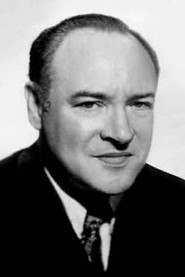 Edwin MaxwellSid LeMaire
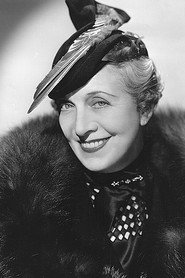 Cecil CunninghamJosie
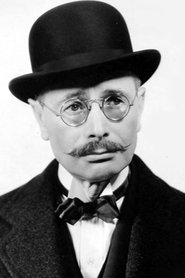 Charles HaltonJed Hewitt
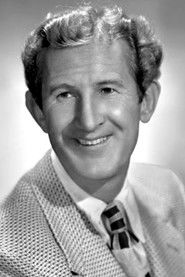 Doodles WeaverSourdough Barfly (uncredited)
Directing
- Howard HawksDirector
- William WylerDirector
Writing
- Edna FerberNovel
- Howard HawksScreenplay
- Jane MurfinScreenplay
- Jules FurthmanScreenplay
Production
- Samuel GoldwynProducer