
Film
The McConnell Story
A 1955 Korean War drama about the determined rise of Joe McConnell, an ordinary soldier who fights to become a fighter pilot. Alan Ladd carries the film with quiet intensity as the ambitious underdog, while June Allyson provides grounded warmth as his wife. It's a straightforward, earnest chronicle of perseverance against institutional obstacles—the kind of film that asks whether talent and will matter more than rank and luck.
If you liked this
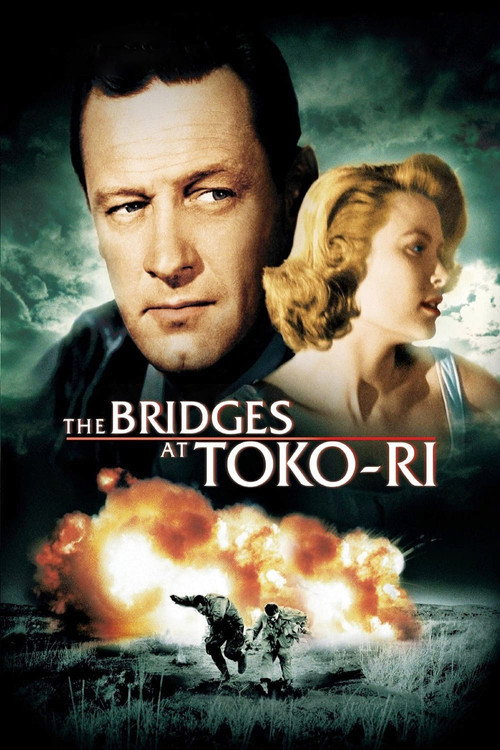
The Bridges at Toko-Ri1954
William Holden as a Navy pilot grappling with duty and mortality during Korean War combat missions. Morally complex, gorgeously shot, and quieter in its reflections on sacrifice than you'd expect.
But The aerial sequences, while striking, are brief. Long stretches are intimate character work rather than action spectacle.
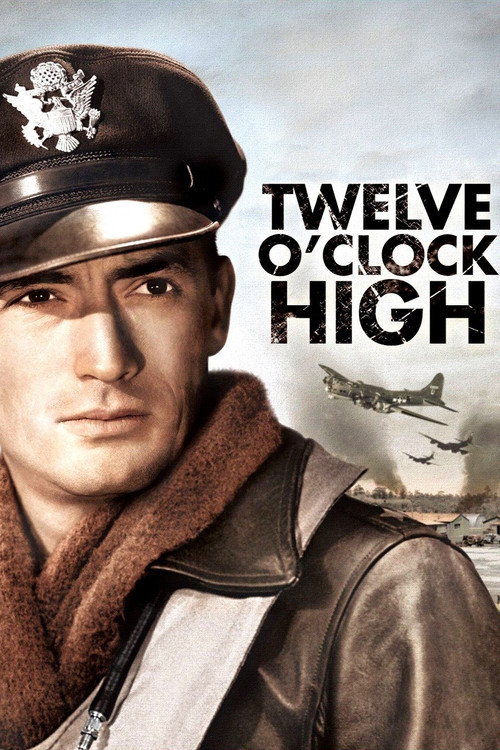
Twelve O'Clock High1949
Gregory Peck as an exacting commander rebuilding a damaged bomber squadron. A masterclass in how leadership and pressure shape men. Every scene carries weight and purpose.
But It's relentlessly tense and offers no easy comfort. The film doesn't soften its portrait of what ambition costs.
The Best Years of Our Lives1946
Three servicemen return home after World War II and discover civilian life is harder to navigate than combat. Profound, generous, and surprisingly funny without ever winking at its own intelligence.
But At three-and-a-half hours, it demands patience. Some will find the pacing deliberate to the point of slowness.

Not sure tonight? Get a pick in a minute, starting from The McConnell Story
The wildcard
Something you would not have found on your own.
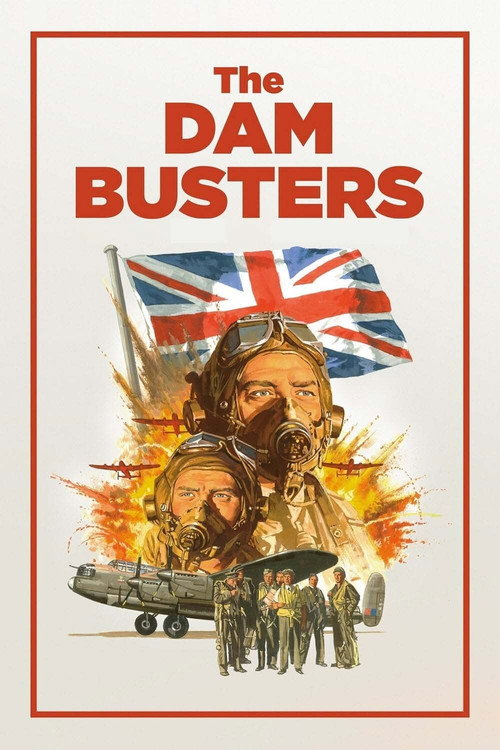
The Dam Busters1955
Both films believe that excellence is built in unglamorous stages before the moment of triumph arrives. The real story is the preparation.
British engineers and RAF pilots execute an audacious precision bombing raid in World War II. What connects it to McConnell is the obsessive focus on the technical mastery required before the mission even begins—the grinding work behind the heroism.
But It's more about systems and strategy than individual ambition. The emotional register is restraint and duty rather than personal drive.
More like this (8)
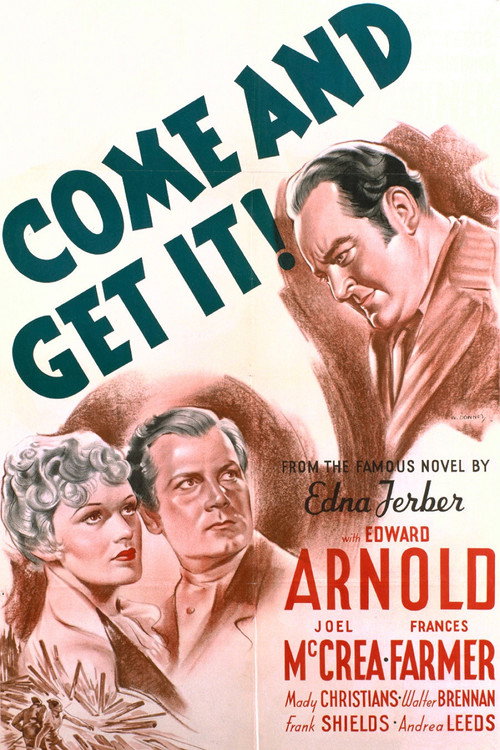
Come and Get It1936
Edward Arnold as a timber magnate who sacrifices everything for ambition and success. Hawks and Wyler co-directed this raw, unsentimental look at what hunger for advancement destroys.
But It's darker and more cynical than The McConnell Story, which may feel like a tonal whipsaw if you're hoping for steadiness.
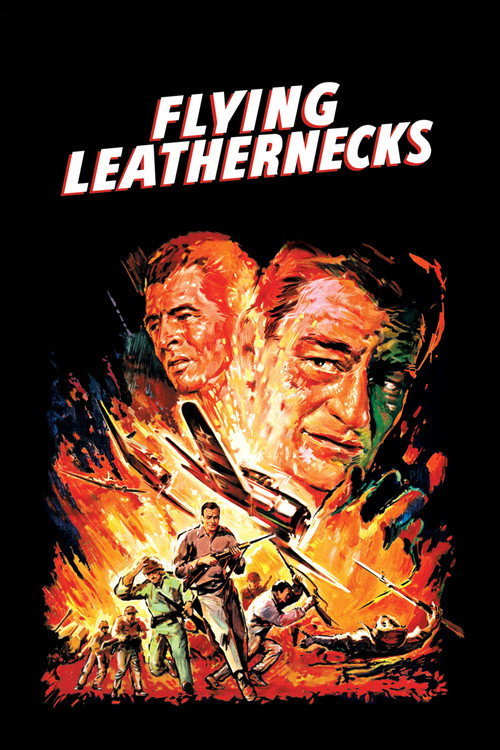
Flying Leathernecks1951
John Wayne as a Marine Air Group commander during the Pacific War, wrestling with tactical decisions and his own conscience. Direct, kinetic, and genuinely interested in military procedure.
But It's more action-focused than character-driven. Wayne's charisma dominates the screen; subtlety isn't the point.
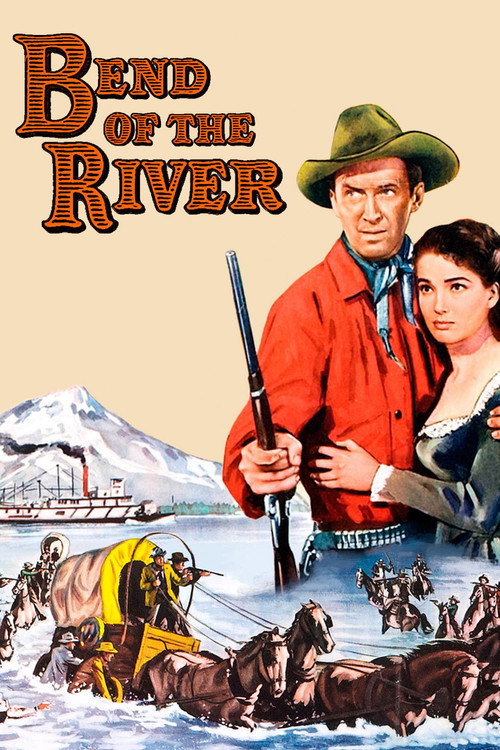
Bend of the River1952
James Stewart as a man trying to prove his worth and escape his past in the Oregon frontier. Same DNA as The McConnell Story—the quiet hero building credibility through grit—but in a Western register.
But The frontier setting is very different in feel. If you wanted more military specificity, the shift in environment may disappoint.
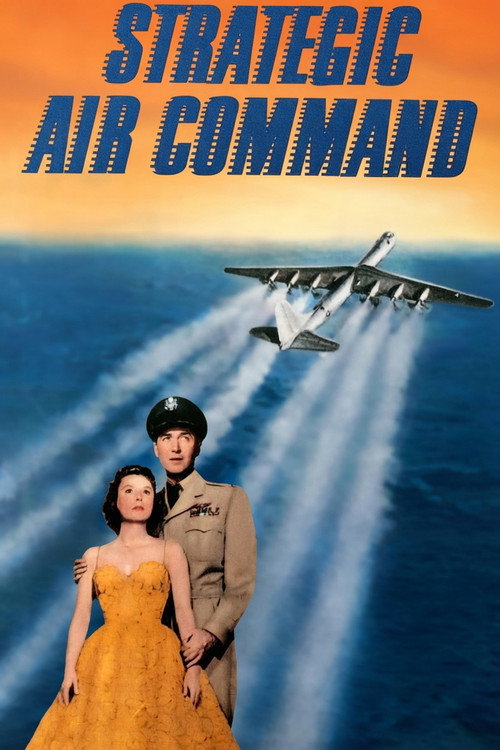
Strategic Air Command1955
James Stewart as a baseball player drafted into the Strategic Air Command during the Cold War. It shares McConnell's year and its fascination with men pulled into military excellence against their initial plans.
But It's essentially a recruiting film dressed as drama. The conflicts resolve with remarkable ease, and propaganda seeps through the seams.
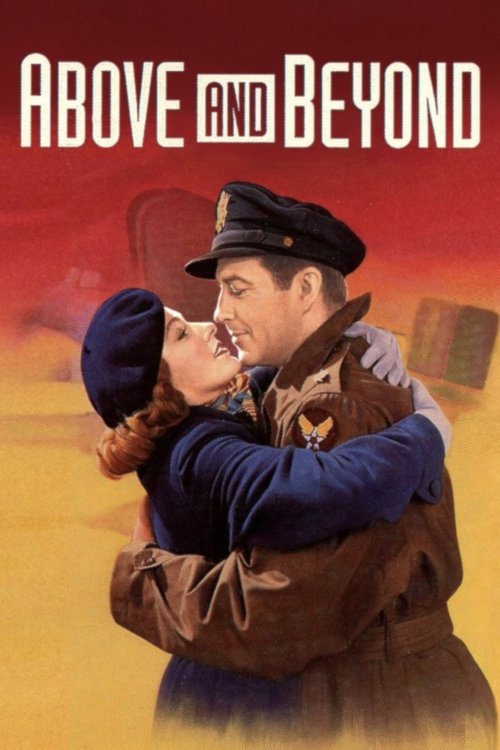
Above and Beyond1953
Robert Taylor as Col. Paul Tibbets, pilot of the Enola Gay, preparing for the atomic bombing of Hiroshima. Technically precise and unflinchingly serious about the burden of historical responsibility.
But The moral weight is heavy and deliberately unresolved. Some viewers will find it punishing rather than enlightening.
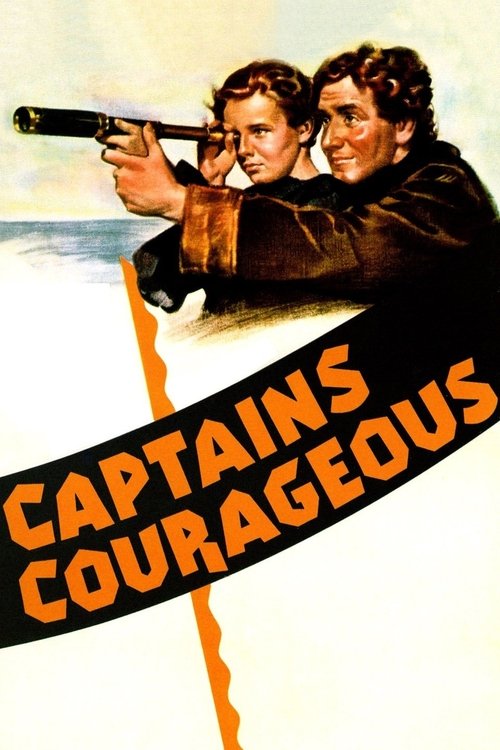
Captains Courageous1937
Spencer Tracy as a rough fishing captain who transforms a spoiled boy into a man through work and respect. It's The McConnell Story's DNA—stubborn will meeting firm mentorship—in maritime form.
But The class commentary feels dated, and the transformation happens almost too smoothly. It's gentler than modern audiences might expect.
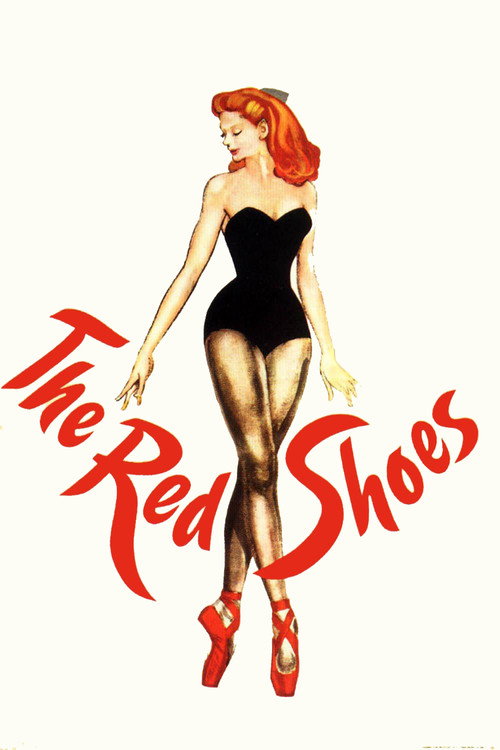
The Red Shoes1948
At its core, both McConnell and The Red Shoes ask whether ambition justified by real talent is noble or destructive. Neither film quite answers the question.
A ballet dancer must choose between love and her art. Powell and Pressburger's Technicolor masterpiece is formally rapturous—a different medium entirely, but the same story of someone chosen by their gift and willing to sacrifice for it.
But It's a fantasia, not a realistic drama. The visual style is operatic; if you're coming from a grounded war picture, the register shift is severe.
Ikiru1952
Like McConnell, it's about a small man within a massive institution discovering that persistence and human connection matter more than the system's rules allow. But Ikiru is a film of quiet grief, not triumph.
Kurosawa's masterpiece about a low-ranking Tokyo bureaucrat who discovers meaning by pushing a single meaningful project through a stacked bureaucratic system before he dies. It's about proving your worth through will and kindness, not rank.
But It's Japanese cinema from 1952, in black and white, and fundamentally pessimistic. The pacing is meditative. This requires you to meet it halfway.

People
Cast
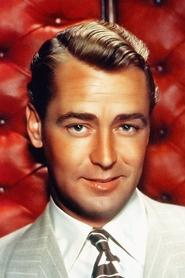 Alan LaddCapt. Joseph C. 'Mac' McConnell, Jr.
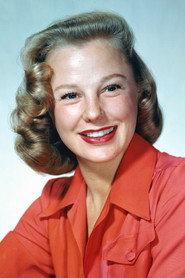 June AllysonPearl 'Butch' Brown
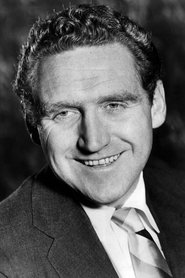 James WhitmoreSSgt. / Maj . / Col. Ty 'Dad' Whitman
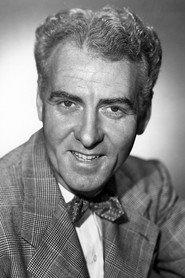 Frank FaylenSfc. Sykes
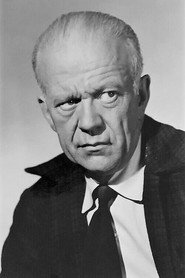 Willis BoucheyNewton Bass
 Sarah SelbyMrs. Brown
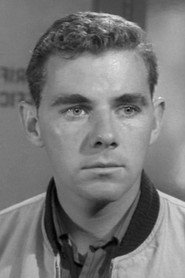 Robert EllisBob Brown
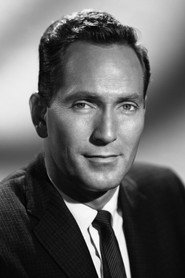 Gregory Walcott1st Military Policeman
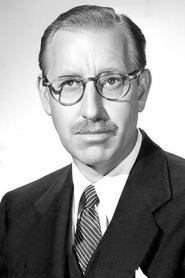 Frank FergusonMechanic
 Cindy CarolPatty McConnell - ages 9-12
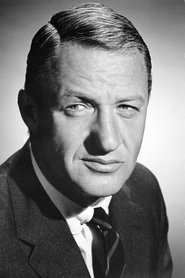
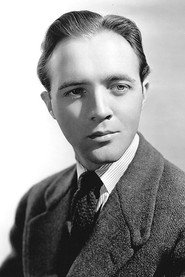 John AlvinJohnny
Directing
- Gordon DouglasDirector
Writing
- Sam RolfeScreenplay
- Ted SherdemanScreenplay