
Film
Flying Leathernecks
A Korean War drama about a strict Marine commander taking over a undisciplined fighter squadron and clashing with his talented but reluctant second-in-command over leadership philosophy. John Wayne brings granite authority to a story about the weight of command decisions. It's a solid military ensemble piece that treats duty seriously without pretense.
Should you watch it?
Watch it if you love a stern officer clashing with a loyal rival over how a unit should really be run, with the air combat and the tension between two strong personalities doing most of the work.
Skip it if you want a light or fast-moving picture, since it leans on its talk of discipline and command, and its 1951 wartime style is stiff and earnest by today's standards.
What it asks of you: Settle in for about an hour and forty minutes of mostly serious talk, unit squabbles and flight sequences, with little comic relief and a steady, patient pace throughout.
Not sure? Find tonight's pick in a minute.
If you liked this
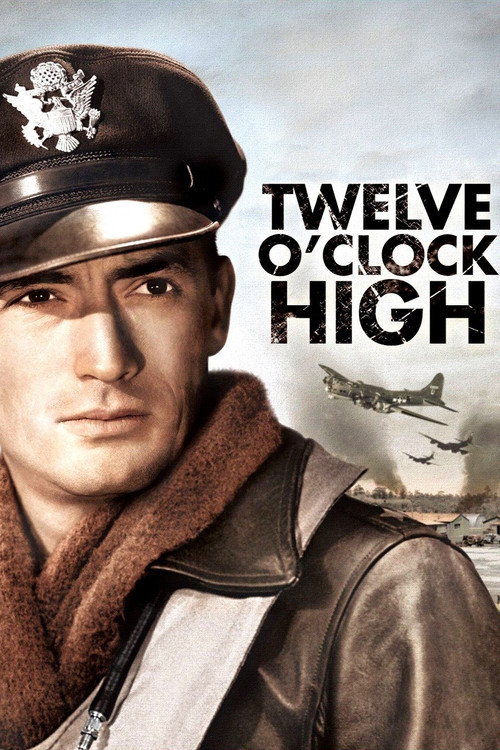
Twelve O'Clock High1949
Gregory Peck as a commander rebuilding a demoralized bomber squadron through discipline and will. It's the template for this exact story—officer arrives, fixes broken unit, explores the moral cost of sending men to their deaths.
But The pacing is deliberate and the emotional beats are familiar enough to feel predictable if you know the formula already.
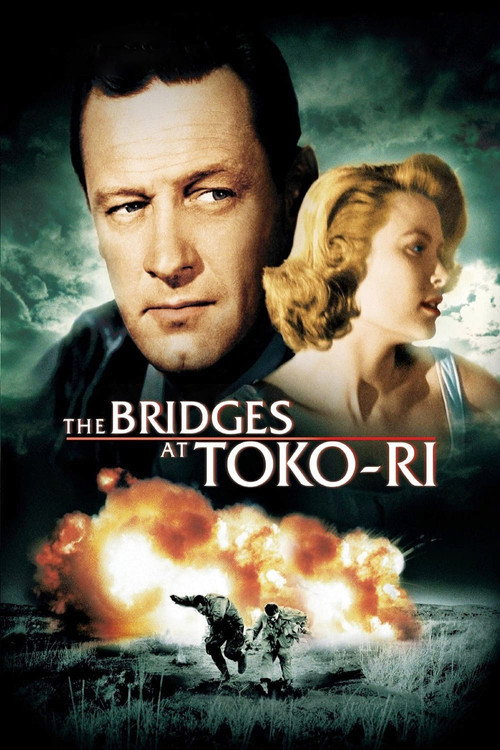
The Bridges at Toko-Ri1954
William Holden in another Korean War aviation drama with real aerial footage and a tougher moral ambiguity. It asks harder questions about why men keep flying dangerous missions and what it costs them.
But The ending is bleak in a way that doesn't offer the comfort of clear victory or clean resolution.
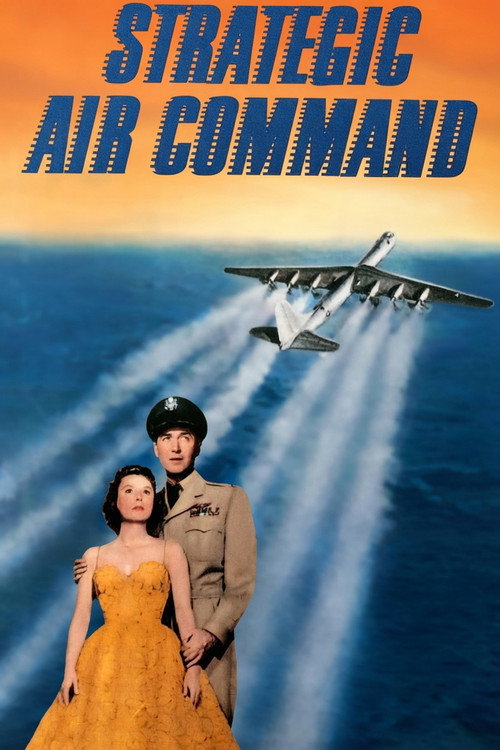
Strategic Air Command1955
James Stewart as a retired ballplayer recalled to command a bomber wing during the Cold War. It has the same tension between old-school authority and reluctant younger men, with excellent flying sequences.
But It skews toward celebrating military power in a way that feels dated and a bit propagandistic by modern standards.
Not sure tonight? Get a pick in a minute, starting from Flying Leathernecks
The wildcard
Something you would not have found on your own.
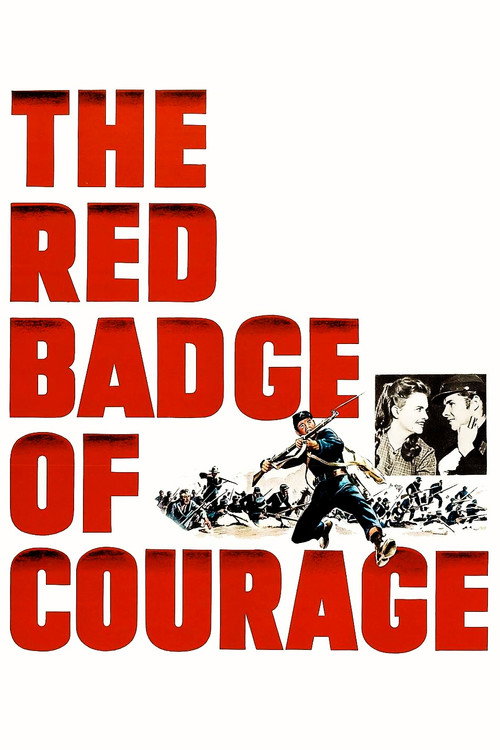
The Red Badge of Courage1951
Both explore the metaphysics of command and sacrifice through the eyes of men learning that leadership isn't about being liked—it's about accepting that your decisions kill people. Both ask what that does to your conscience.
Made the same year as Flying Leathernecks, John Huston's adaptation of Stephen Crane's Civil War novel is a meditation on courage, fear, and what command actually means. It's philosophical rather than tactical—less about strategy and more about the psychology of sending frightened men into fire. The black-and-white cinematography is haunting.
But It's deliberately slow and introspective; there's minimal action in the modern sense and the story structure is fragmented by design.
More like this (8)
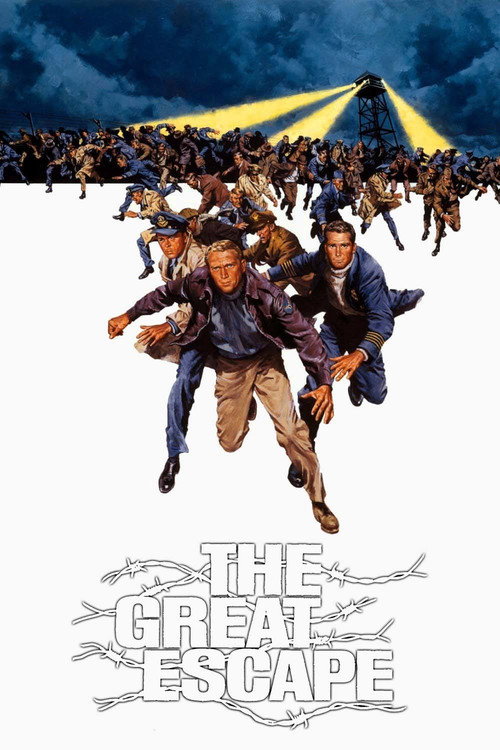
The Great Escape1963
Steve Reeves and an ensemble cast in a WWII POW film about resourceful men under pressure. The focus on planning and discipline over raw action gives it a cerebral quality that echoes this film's interest in command structure.
But It's long and episodic, and some sequences drag despite the high premise.
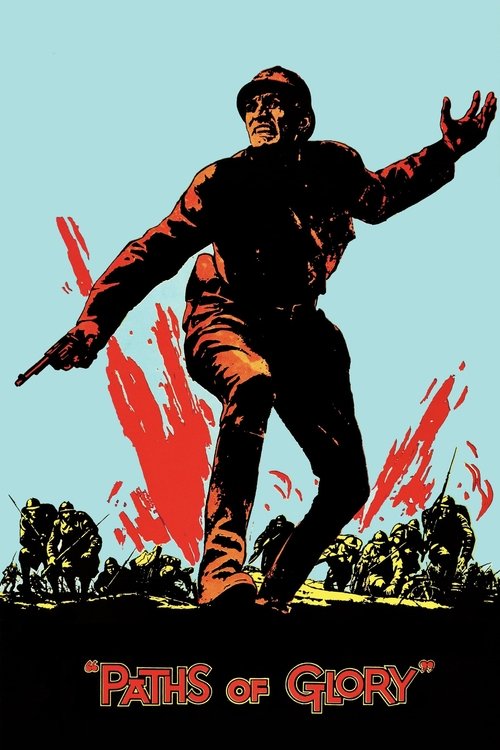
Paths of Glory1957
Kirk Douglas in Stanley Kubrick's brutal examination of command and the terrible mathematics of sacrifice in war. It shares this film's unflinching look at what officers owe their men and what they ask of them.
But It's far more cynical and darker; there's no heroic resolution here, only moral corruption and futility.
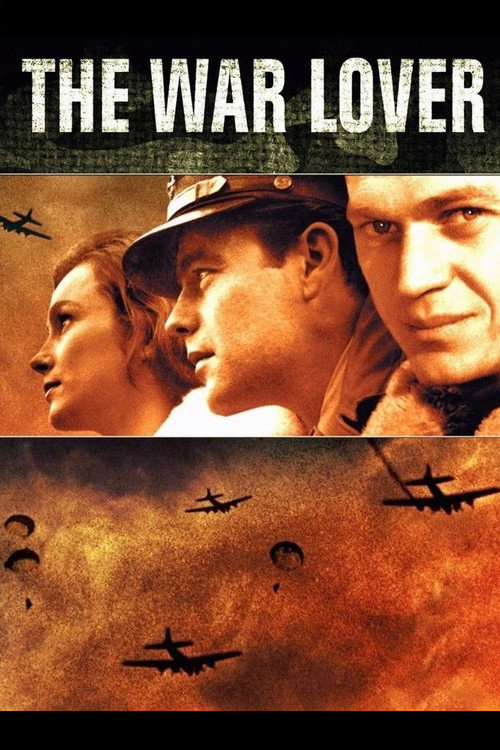
The War Lover1962
Steve Reeves and Robert Wagner as a bomber pilot and his navigator—a study of dangerous men and the ones who follow them. It probes obsession with combat in ways that complicate simple heroism.
But The tone is uneven and it never quite settles into what it wants to be thematically.
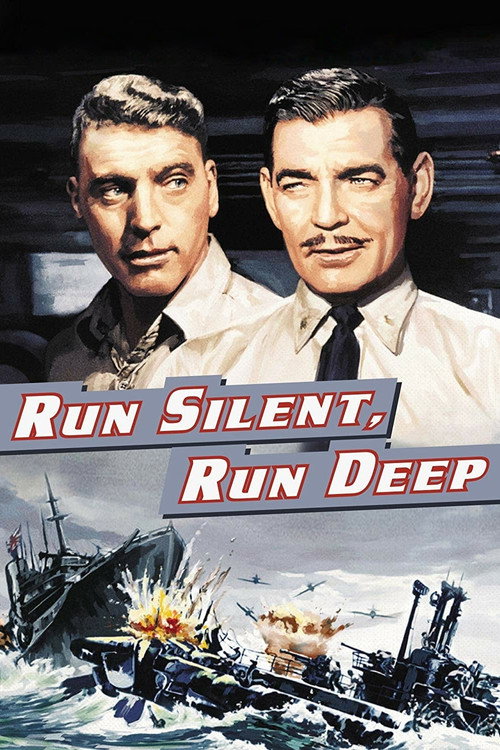
Run Silent, Run Deep1958
Clark Gable and Burt Lancaster aboard a submarine, exploring the same command tension—an older officer and a younger one with different philosophies. The claustrophobia adds real stakes to the arguments.
But Submarine mechanics dominate stretches of the film; if that doesn't interest you, the pace will feel flat.
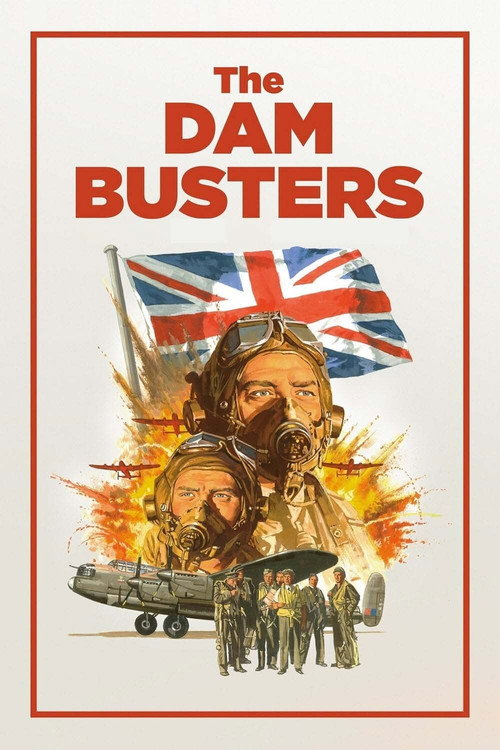
The Dam Busters1955
A British WWII film about training and discipline building a squadron for a specific impossible mission. It has the same methodical respect for military procedure and the men who follow orders.
But It's very British and very earnest; the restraint in emotion might feel cold to modern viewers expecting more obvious drama.
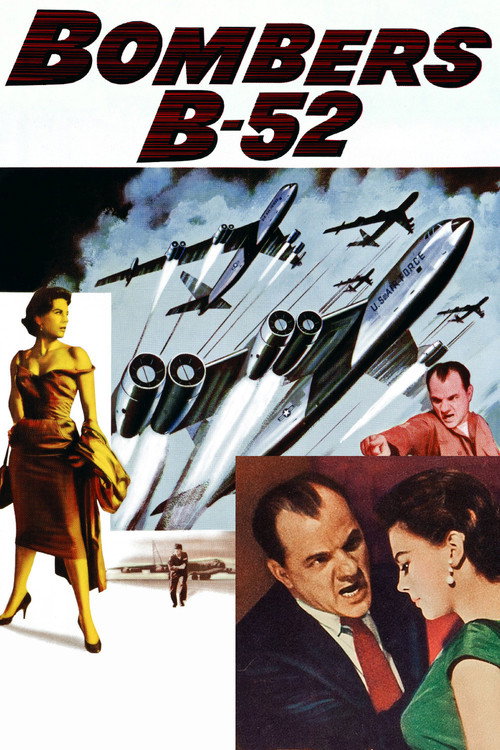
Bombers B-521957
Karl Malden and Efrem Zimbalist Jr. in a Cold War film about family and duty in the Strategic Air Command. It's solidly made military cinema with good ensemble work and real aircraft.
But The domestic subplot is thin and the film's pro-military stance is unexamined; it preaches rather than questions.
Ikiru1952
Wayne's Major Kirby and Kurosawa's bureaucrat are both men learning that real authority means putting others first and accepting the weight of your choices. Both films see duty as a path to self-respect rather than ego.
Akira Kurosawa's masterpiece about a Japanese bureaucrat discovering meaning through duty and responsibility in his final months. It's ostensibly about municipal governance, not war, but it's profoundly about a man wrestling with how to spend his authority before he dies, and finding dignity in service over self-interest.
But It's slow, sad, and entirely interior; if you want action or traditional narrative momentum, this will frustrate you. It's also a film about accepting your own mortality.

Come and See1985
Flying Leathernecks suggests that good commanders spare their men unnecessary death. Come and See is what happens when that fails—the accumulation of needless horror when systems are corrupted or broken. Together they frame the full moral question.
Elem Klimov's Soviet film about a teenage Belarusian boy conscripted into WWII. It's the moral and visceral inverse of the Hollywood war film—not about command structure but about what command costs the powerless. It devastates with its refusal to celebrate or heroize anything. Essential if you've absorbed the American war film mythology.
But It's brutally graphic and emotionally exhausting; scenes of atrocity are shown without mercy. This is difficult cinema that demands something from you. It's not entertainment.

People
Cast
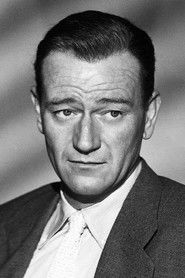 John WayneMaj. Daniel Xavier Kirby
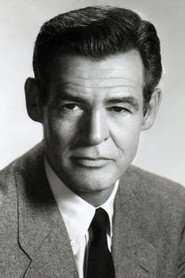 Robert RyanCapt. Carl 'Griff' Griffin
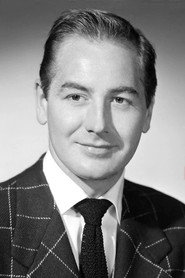 Don TaylorLt. Vern 'Cowboy' Blithe
 Janis CarterJoan Kirby
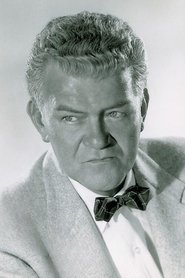 Jay C. FlippenMSgt. Clancy, Line Chief
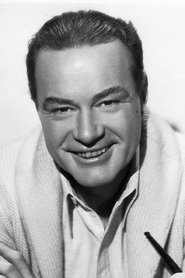 William HarriganDr. Lt.Cdr. Joe Curran
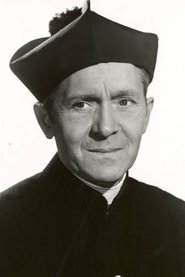 James BellColonel
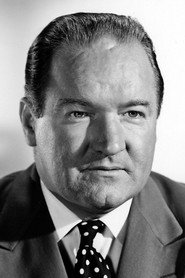 Barry KelleyBrigadier General
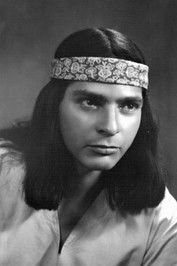 Maurice JaraShorty Vegay
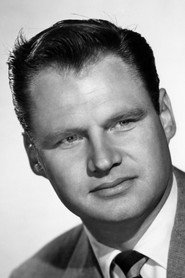 Adam WilliamsLt. Bert Malotke
- James DobsonLt. Pudge McCabe
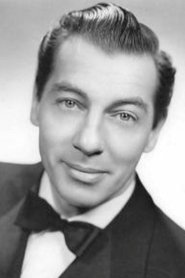 Carleton YoungCol. Riley
Directing
- Sam RumanAssistant Director
- Nicholas RayDirector
Writing
- Beirne Lay Jr.Screenplay
- Edmund GraingerScreenplay
- James Edward GrantScreenplay
- Kenneth GametStory
Production
- Edmund GraingerProducer
- Cliff P. BroughtonProduction Supervisor
Recommended by
Toward the Unknown, The Crowded Sky, Fighter Squadron, Thirty Seconds Over Tokyo, Winged Victory, The McConnell Story