
Film
The Bridges at Toko-Ri
A Korean War film about a Navy pilot wrestling with duty, mortality and the weight of an impossible mission. Taut, visually striking, and unusually introspective for its era—this is war cinema more interested in conscience than heroics. For anyone drawn to how soldiers actually think and feel under pressure.
Should you watch it?
Watch it if you want a sober, grounded Korean War film about duty and its price, where the jet combat carries real weight and the characters feel like working professionals rather than heroes.
Skip it if its home-front romance scenes run slower than the cockpit action, so if you want nonstop dogfights, the middle will drag.
What it asks of you: Settle in for about 102 minutes of patient setup, with briefings, waiting and quiet domestic talk before the mission takes over the screen.
Not sure? Find tonight's pick in a minute.
If you liked this
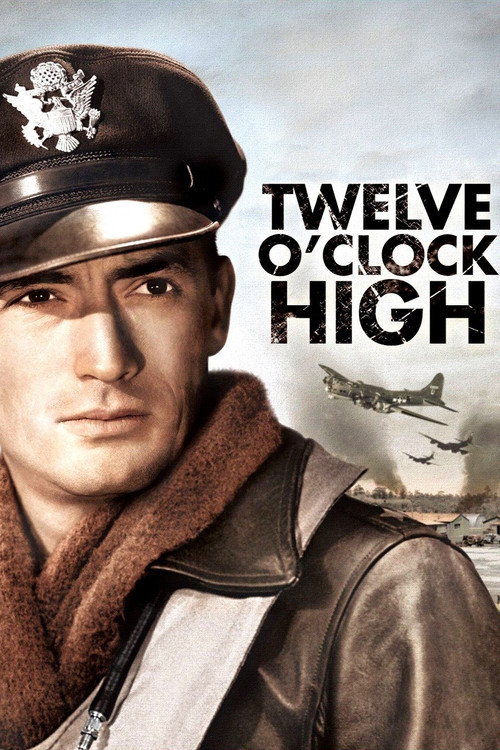
Twelve O'Clock High1949
A bomber commander's psychological unravelling under the strain of sending men to almost certain death. Tense, intelligent, and Gregory Peck at his finest—it's the thinking person's war film.
But The pacing is deliberate and the emotional toll accumulates quietly rather than explodes. Some find it slow.
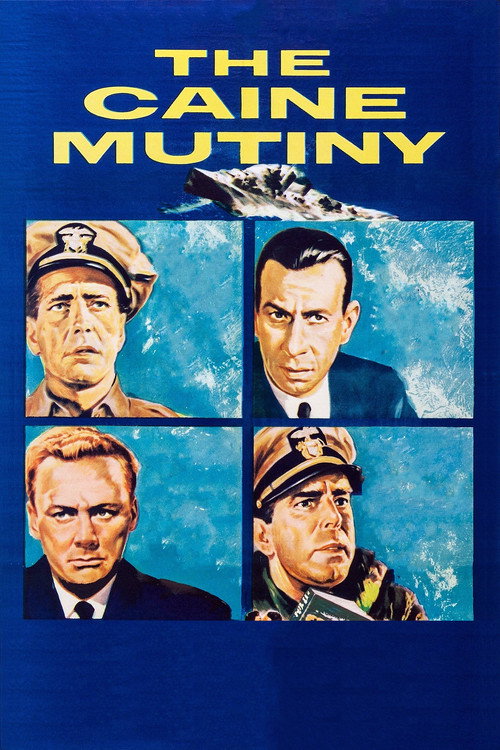
The Caine Mutiny1954
Courtroom drama meets naval psychology, with Humphrey Bogart as a captain whose grip on command corrodes under stress. Morally complex, superbly acted, and it questions what loyalty actually means.
But The trial sequences can feel theatrical, and the film doesn't always resolve its tensions cleanly. Some viewers want clearer answers.
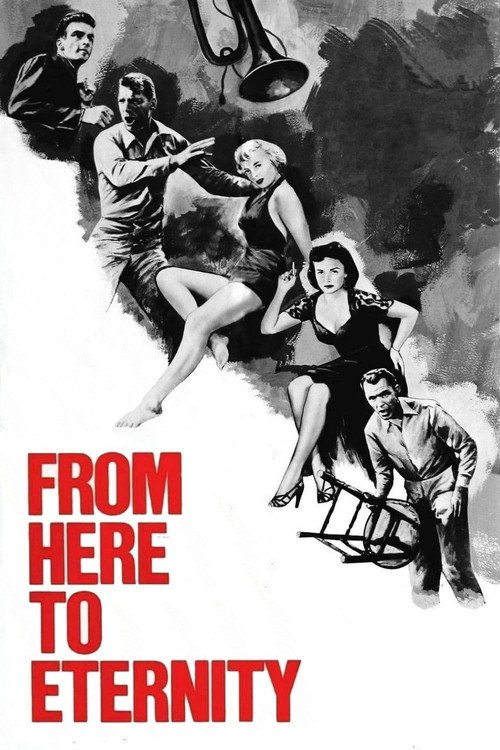
From Here to Eternity1953
Sweeping, beautifully shot portrait of military life and love in Hawaii before Pearl Harbor. Romance, action, and character drama intertwine with real consequence. A genuine classic.
But Three hours is a commitment. The melodrama occasionally overshadows the subtler emotional work, and some subplots outstay their welcome.
Not sure tonight? Get a pick in a minute, starting from The Bridges at Toko-Ri
The wildcard
Something you would not have found on your own.
Come and See1985
Both films centre on young men confronting the gap between duty and survival, and both refuse to let you feel noble about either. They share an almost documentary eye for how bodies and minds actually break.
Soviet film about a teenage boy conscripted into the Red Army during WWII. Visually apocalyptic and emotionally shattering—it peers into the genuine abyss of war rather than dramatising it. Essential viewing that justifies the medium.
But It's relentlessly horrific with no mercy or reprieve. Not cathartic. Some viewers feel traumatised rather than moved, and that's not hyperbole.

More like this (8)
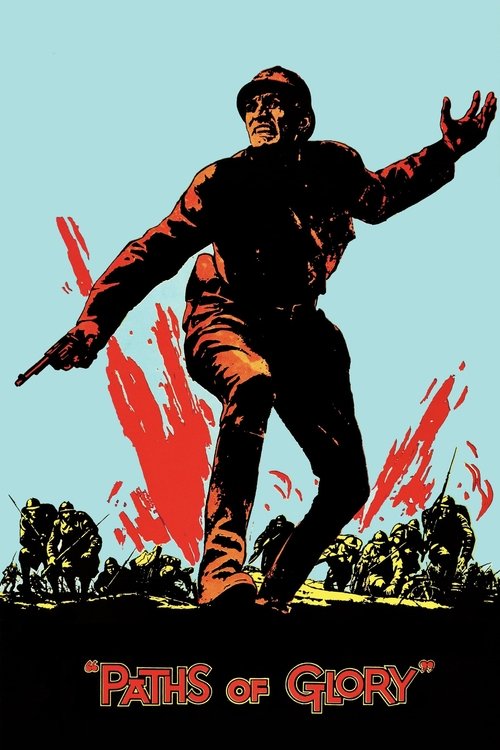
Paths of Glory1957
Kubrick's devastating indictment of military bureaucracy masquerading as justice. Taut, furious, and Kirk Douglas delivering a career-best performance. Brutally honest about sacrifice and culpability.
But The ending is bleak and offers no comfort. Some viewers find it punishing rather than cathartic—it doesn't let you off easy.
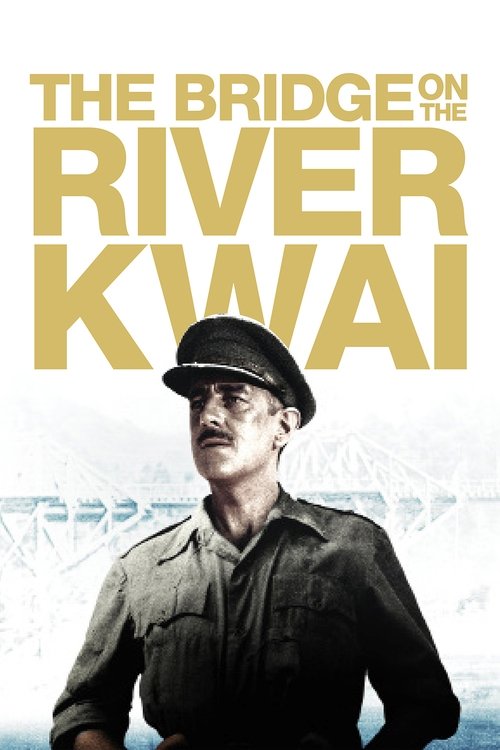
The Bridge on the River Kwai1957
Epic war film that's genuinely epic, with Alec Guinness as a colonel whose obsession with building a perfect bridge blinds him to larger truths. Thrilling, visually magnificent, philosophically rich.
But At 161 minutes it demands patience. The second half shifts tone in ways some find jarring, and Guinness's character is difficult to root for.
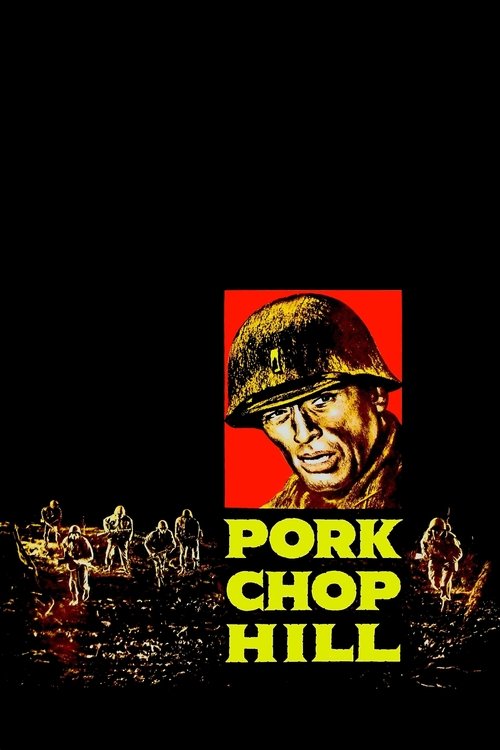
Pork Chop Hill1959
Lean, unsentimental Korean War film about a single battle for a hill that matters tactically but not strategically. Gregory Peck again, and the film's refusal to mythologise war is bracingly modern.
But It's intentionally bleak and repetitive—soldiers taking and retaking the same ground. The relentlessness exhausts some viewers rather than moves them.
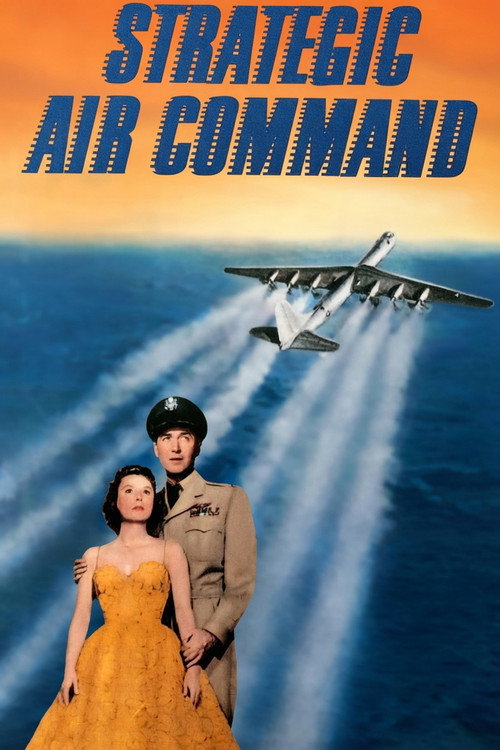
Strategic Air Command1955
James Stewart as a reservist called back during the Cold War, torn between baseball and duty. Quieter than expected, with genuine ambivalence about military service. A thinking man's flag-waver.
But It's more interested in domestic anxiety than action. There's no climactic mission—just the dawning realisation that duty and desire don't align.
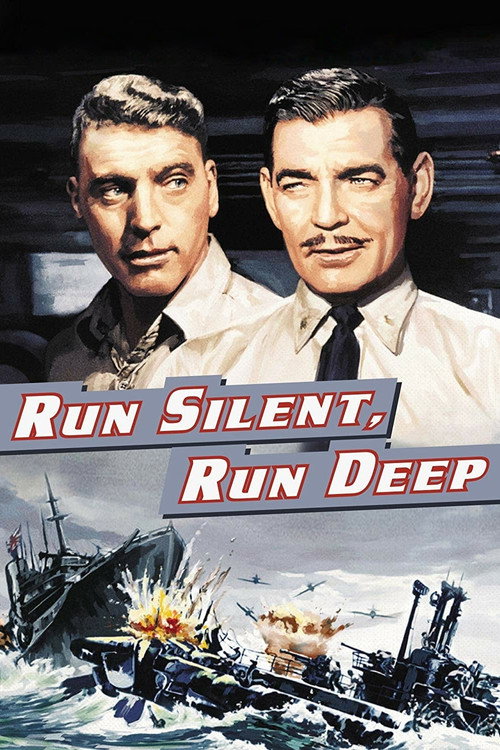
Run Silent, Run Deep1958
Submarine warfare film where the real battle is between Clark Gable and Burt Lancaster—old commander versus young officer. Tension simmers beneath every scene. Character-driven and psychologically intricate.
But The underwater action is limited and the pacing is glacial. If you want spectacle, this isn't it. It's a chamber piece in a metal tube.
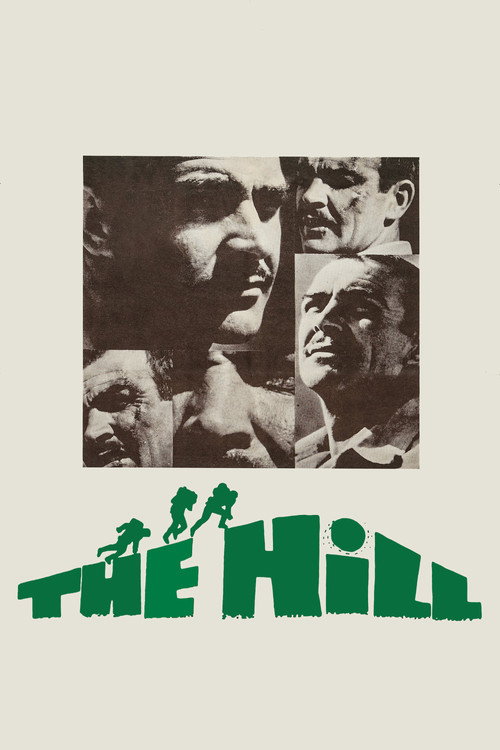
The Hill1965
A British Army punishment squad drilled to exhaustion by a sadistic sergeant. Sidney Lumet's direction is unflinching and the ensemble cast is superb. Grim, powerful, and feels urgent despite its age.
But It's visually bleak and morally punishing without offering any uplift. The repetitive brutality wears on you deliberately, which is the point—but it's hard to sit through.
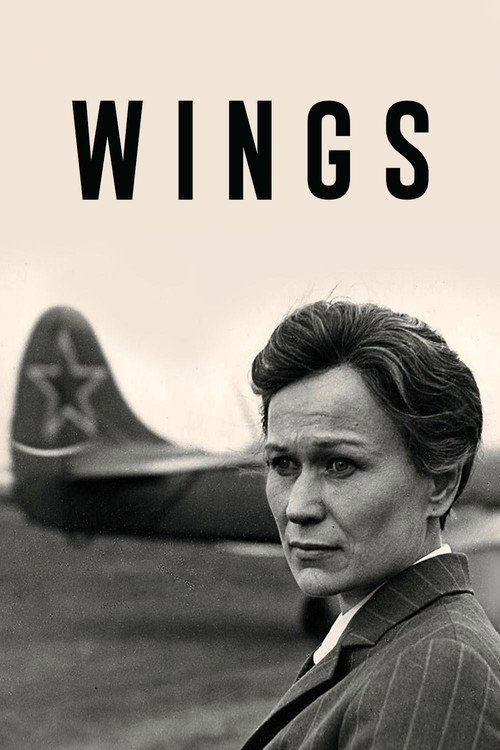
Wings1966
Both are about pilots flying into nearly impossible combat situations. But where Toko-Ri dramatises the interior struggle, Wings lets you see the actual sky and machinery, stripping away psychology to show pure logistics and luck.
Soviet documentary about combat pilots in the Great Patriotic War. Extraordinary aerial footage, minimal narration, and a spare beauty that lets the flying speak. A completely different visual language for the same theme.
But It's a documentary, not a narrative. No character arcs or dialogue. For some viewers that abstraction defeats the point; for others it's exactly why it matters.
The Ascent1977
All three are about men marching toward duty and possible death, but Tarkovsky replaces Brubaker's tactical anxiety with theology. It's what happens when war cinema becomes philosophy, shot in frozen time.
Stalker-era Tarkovsky: two Soviet partisans trek through snowy forest toward execution during WWII, debating faith and meaning as they walk. Meditative, metaphysical, shot in astonishing black-and-white. A spiritual reckoning.
But It's glacially paced, dialogue-heavy, and entirely interior. Not a war film by conventional measures. Requires absolute stillness from the viewer. Will exhaust those wanting conventional drama.

People
Cast
 William HoldenLt. Harry Brubaker
 Grace KellyNancy Brubaker
 Fredric MarchRear Adm. George Tarrant
 Mickey RooneyMike Forney
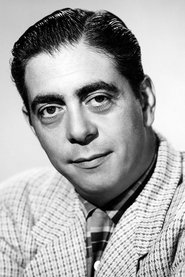 Robert StraussBeer Barrel
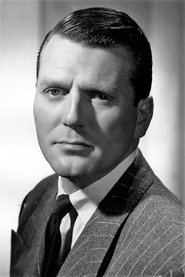 Charles McGrawCmdr. Wayne Lee
 Keiko AwajiKimiko
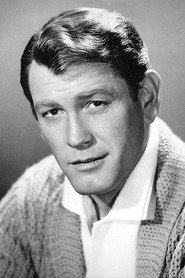 Earl HollimanNestor Gamidge
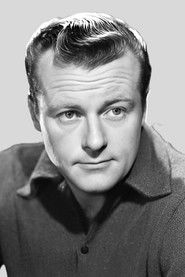 Richard ShannonLt. (j.g.) Olds
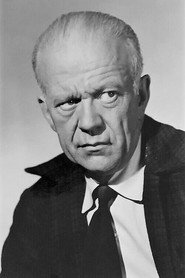 Willis BoucheyCapt. Evans
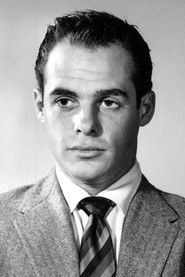 Corey AllenEnlisted Man
- Bill AshSpotter
Directing
- Mark RobsonDirector
Writing
- James MichenerNovel
- Valentine DaviesScreenplay
Production
- George SeatonProducer
- William PerlbergProducer
Recommended by
Top Gun: Maverick, Toward the Unknown, Interlude, Flying Leathernecks, The Seventh Sin, Bombers B-52, Men of the Fighting Lady, Dive Bomber, The McConnell Story, The Flying Misfits