
Film
Men of the Fighting Lady
A 1954 docudrama following a writer embedded on a Korean War aircraft carrier. Shot partly aboard an actual ship, it balances procedural detail with character study, capturing the routines and dangers of naval aviation. Engrossing for anyone interested in military history, aviation, or how Hollywood once made war films when the war was still happening.
If you liked this
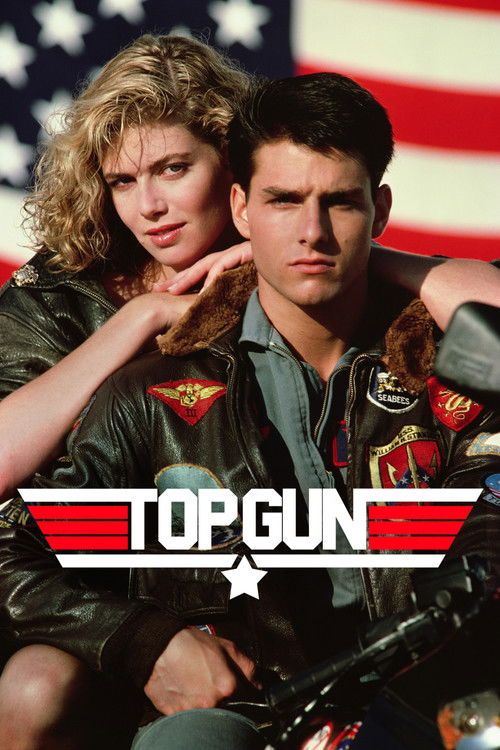
Top Gun1986
The template for the military aviation drama. Gorgeous flying sequences, genuine tension in the cockpit, and that particular tension between duty and ego that defines the genre. Maverick redefined what audiences expected from this material.
But The plot is thin, the dialogue occasionally creaky, and it's primarily interested in spectacle and posturing over authentic military procedure or moral complexity.
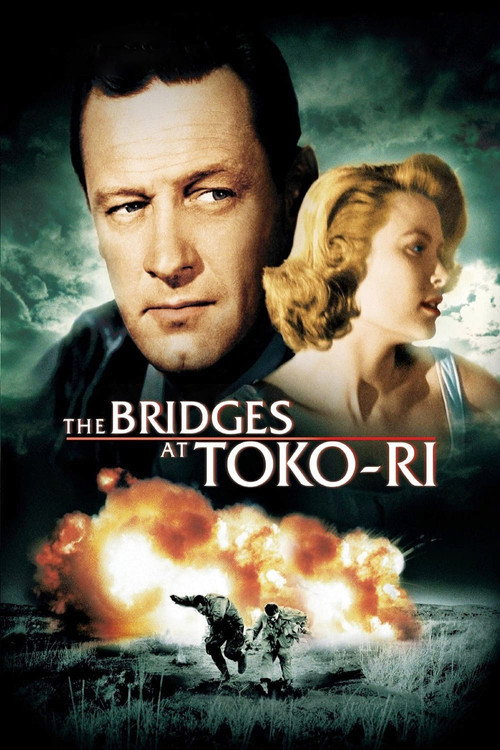
The Bridges at Toko-Ri1954
Released the same year and also about Korean War aviators, but far more serious about the cost of that conflict. William Holden carries genuine melancholy. It's a film about duty and futility that lands harder than it has any right to.
But It's bleak and slow by modern standards. There's no heroic crescendo, just resignation and small acts of grace.
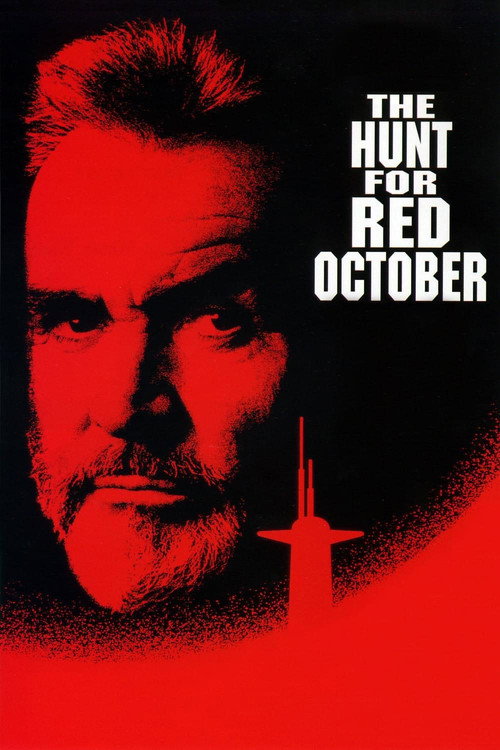
The Hunt for Red October1990
Another procedural thriller with a writer embedded in a military vessel learning its systems and secrets. Alec Baldwin and Sean Connery anchor it, the Cold War tension is palpable, and it respects both its audience and its subject matter.
But Submarine warfare is inherently less dynamic visually than aviation. Long stretches are quiet and technical, which some find absorbing and others find slow.
Not sure tonight? Get a pick in a minute, starting from Men of the Fighting Lady
The wildcard
Something you would not have found on your own.
Chungking Express1994
Both films are fascinated by the internal lives of people in constrained professional environments—carriers or apartments—watching them navigate duty and desire. But where the military film is measured and procedural, this one is all fever dream and longing.
Wong Kar-wai's dizzy, heartbroken love story shot in neon-soaked Hong Kong. Formally inventive, emotionally reckless, deeply moving. A film about connection and displacement and watching people pass through your life. Utterly unexpected but completely earned.
But The plot barely exists. It's dialogue-light, relies on mood and visual language, and if you need conventional narrative structure you'll bounce off it immediately.

More like this (6)
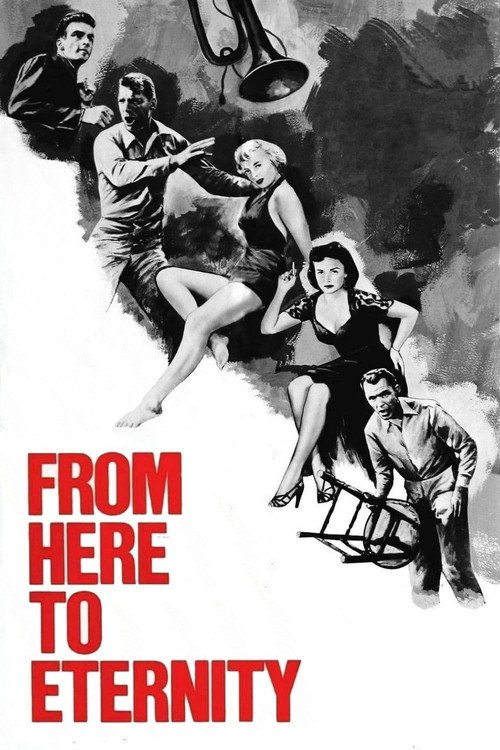
From Here to Eternity1953
The year before *Men of the Fighting Lady*, this Hawaii-set military drama took servicemen seriously as complicated people, not just icons. The famous beach scene, yes, but also real observation of military life and its contradictions.
But Nearly three hours long and structured like a novel, which means it meanders. The romantic plotting can feel dated and the treatment of female characters reflects its era unhappily.
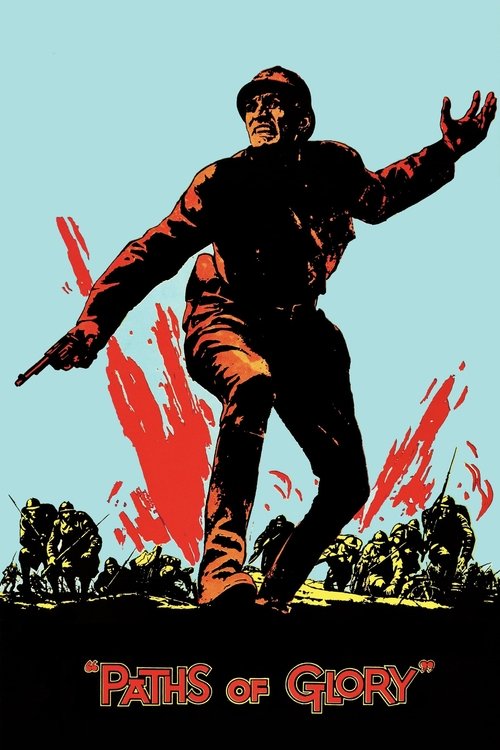
Paths of Glory1957
Kubrick's unflinching look at military command in World War I. It treats war as an absurd tragedy rather than a proving ground for heroes. If *Men of the Fighting Lady* leans toward procedure and duty, this one interrogates whether duty is ever justified.
But It's merciless about institutional cruelty. There is no catharsis, no redemption arc. It ends where it begins: with the system intact and individuals crushed.
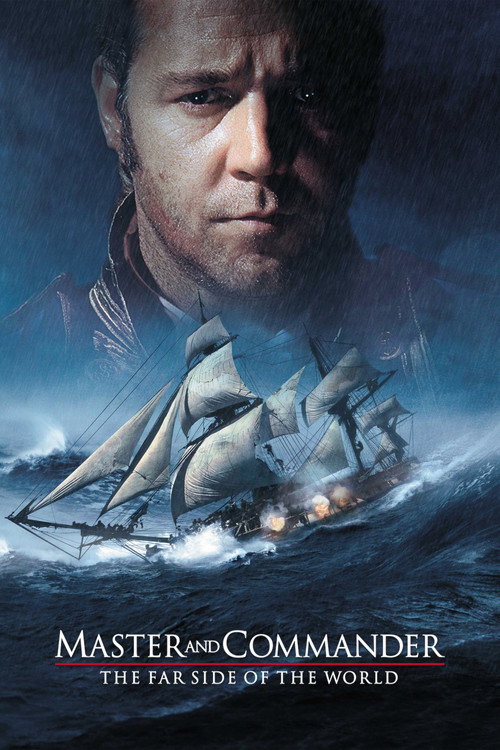
Master and Commander: The Far Side of the World2003
A film about a ship and its captain and crew under pressure, mixing technical detail with character observation. Russell Crowe commands without charm, and the film respects both the seamanship and the cost of command.
But It's a procedural first and a drama second. If you need plot momentum and character arcs, you'll find it slow and tangential.
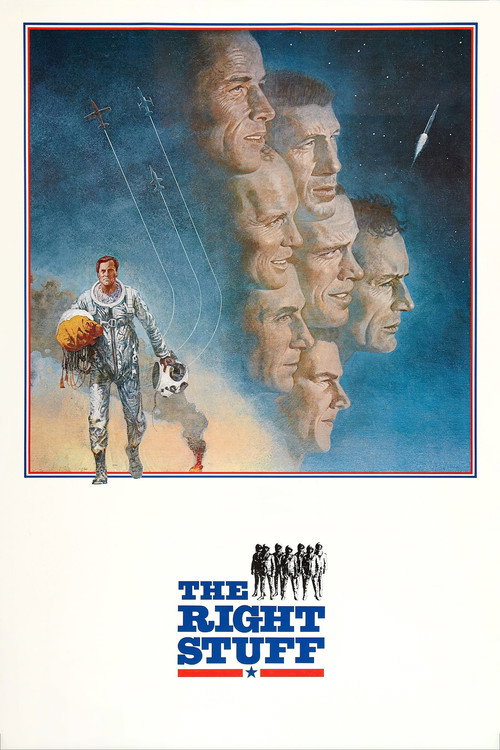
The Right Stuff1983
Balances ensemble storytelling with the individual achievement of test pilots and astronauts. It's about competing egos and institutional pressure and the specific kind of courage required when you know the odds. Beautifully made and genuinely moving.
But Three hours twenty minutes and it meanders across decades and multiple storylines. Some viewers find it indulgent; others find that's exactly the point.
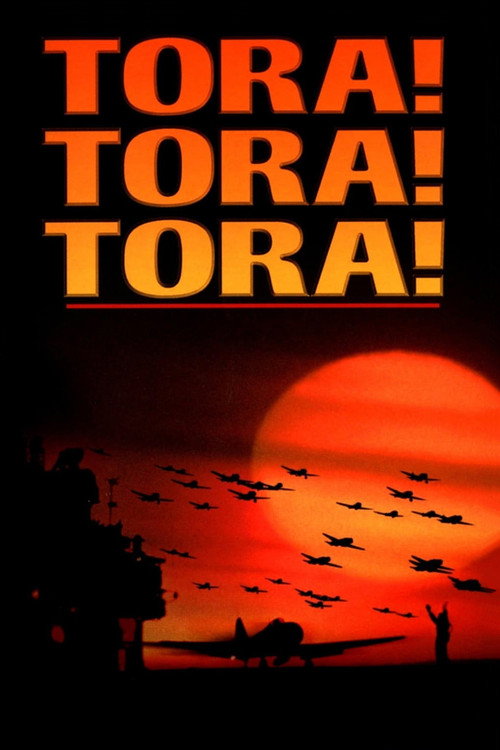
Tora! Tora! Tora!1970
A recreation of Pearl Harbor told from both American and Japanese perspectives with meticulous attention to procedure and command decisions. It treats war as strategy and logistics as much as heroism, and the action sequences still hold up.
But The dialogue is stiff and functional, the characters are archetypes, and the two-and-a-half-hour runtime is mostly exposition before the final attack sequences.
The River1951
Both 1950s films are interested in embedded observation—the writer watching the carrier, the camera watching the river—and both trust that paying attention to routine and small moments will reveal something true about human experience and loss.
Jean Renoir's film about childhood and family and rivers in India, shot in gorgeous color Technicolor. Languid, observant, melancholic. It's a masterpiece about growing up and loss disguised as a simple story about kids. Visually ravishing and emotionally complex.
But Nothing happens. There is no plot, no antagonist, no resolution. If you watch to know what happens next, you will be frustrated and bored.

People
Cast
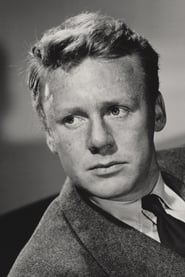 Van JohnsonLt. Thayer
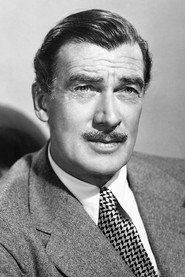 Walter PidgeonCmdr. Dowling
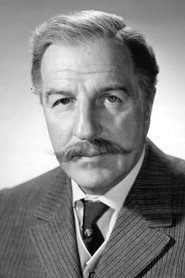 Louis CalhernJames A. Michener
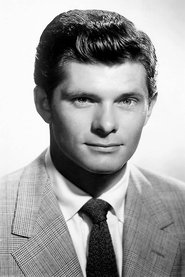 Dewey MartinSchecter
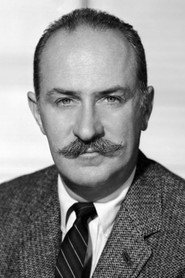 Keenan WynnLt. Cmdr. Dodson
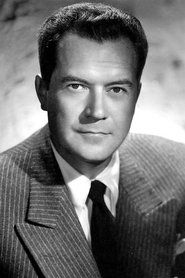 Frank LovejoyLt. Cmdr. Grayson
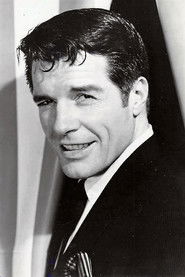 Robert HortonEnsign Neil Conovan
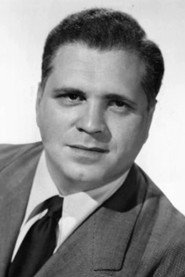 Bert FreedLt. (jg) Andrew Szymanski
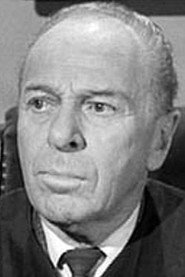 Lewis MartinComdr. Michael Coughlin
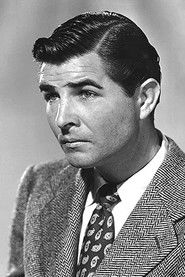 George CooperCyril Roberts
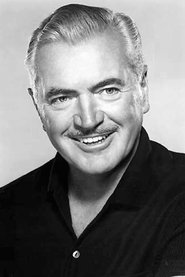 Dick SimmonsLt. Wayne Kimbrell
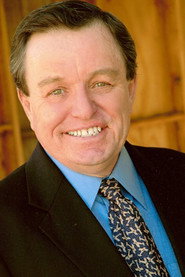 Jerry MathersRichard Dodson
Directing
- Al JenningsAssistant Director
- Joel FreemanAssistant Director
- Andrew MartonDirector
Writing
- Art CohnScreenplay
- Harry A. BurnsStory
- James MichenerStory
Production
- Henry BermanProducer