
Film
The Flying Misfits
A 1976 war film following real-life Marine pilot Gregory 'Pappy' Boyington as he assembles an unorthodox fighter squadron from disciplinary cases and misfits during WWII. It's rousing and propulsive—action beats punctuate character moments, and the ensemble cast creates a scrappy, charming unit dynamic. For viewers who want swaggering masculinity, aerial combat, and the satisfaction of underdogs proving themselves.
If you liked this
Twelve O'Clock High1949
A study of command, duty, and the psychological toll of leadership under extreme pressure. Gregory Peck's transformation from sympathetic to ruthless is quietly devastating, and the flying sequences still astound.
But Longer than you might expect, and the emotional weight can overwhelm the action. Some pacing drags in the middle.
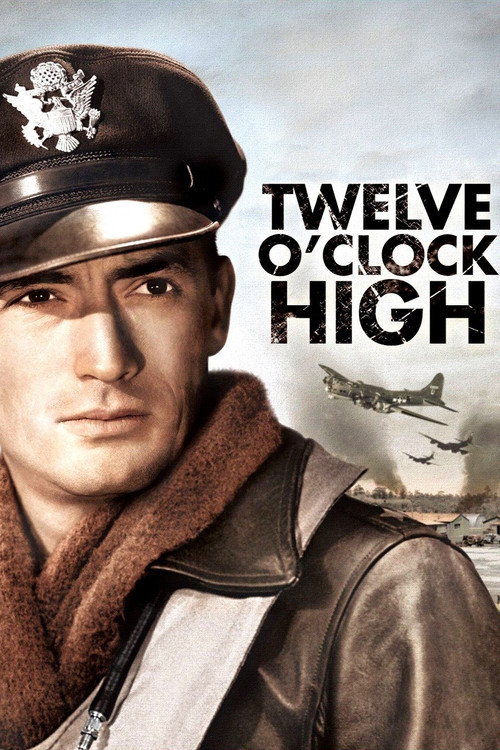
The Great Escape1963
An ensemble of distinctive personalities executing an impossible plan. Steve Reeves, James Garner, and Richard Attenborough create the same camaraderie and banter your misfits have, with equal charm and stakes.
But Nearly three and a half hours long, and the final act shifts tone considerably. Not all of it lands perfectly.
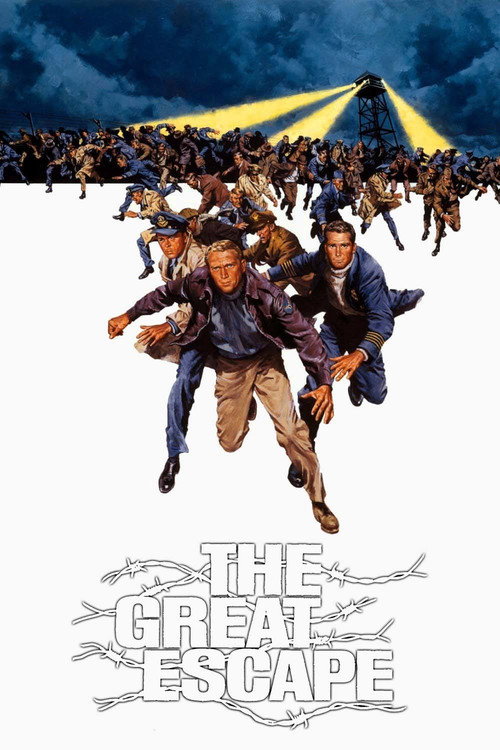
Black Sheep Squadron1976
This is the full television series spin-off of your film. Robert Conrad reprises Boyington, and the episodic format lets you live with the squadron longer. More flying, more character arcs, more of what you enjoyed.
But TV production values from the '70s show their age. If you found the film thin on character depth, the series doesn't always deepen it—sometimes it just stretches it.
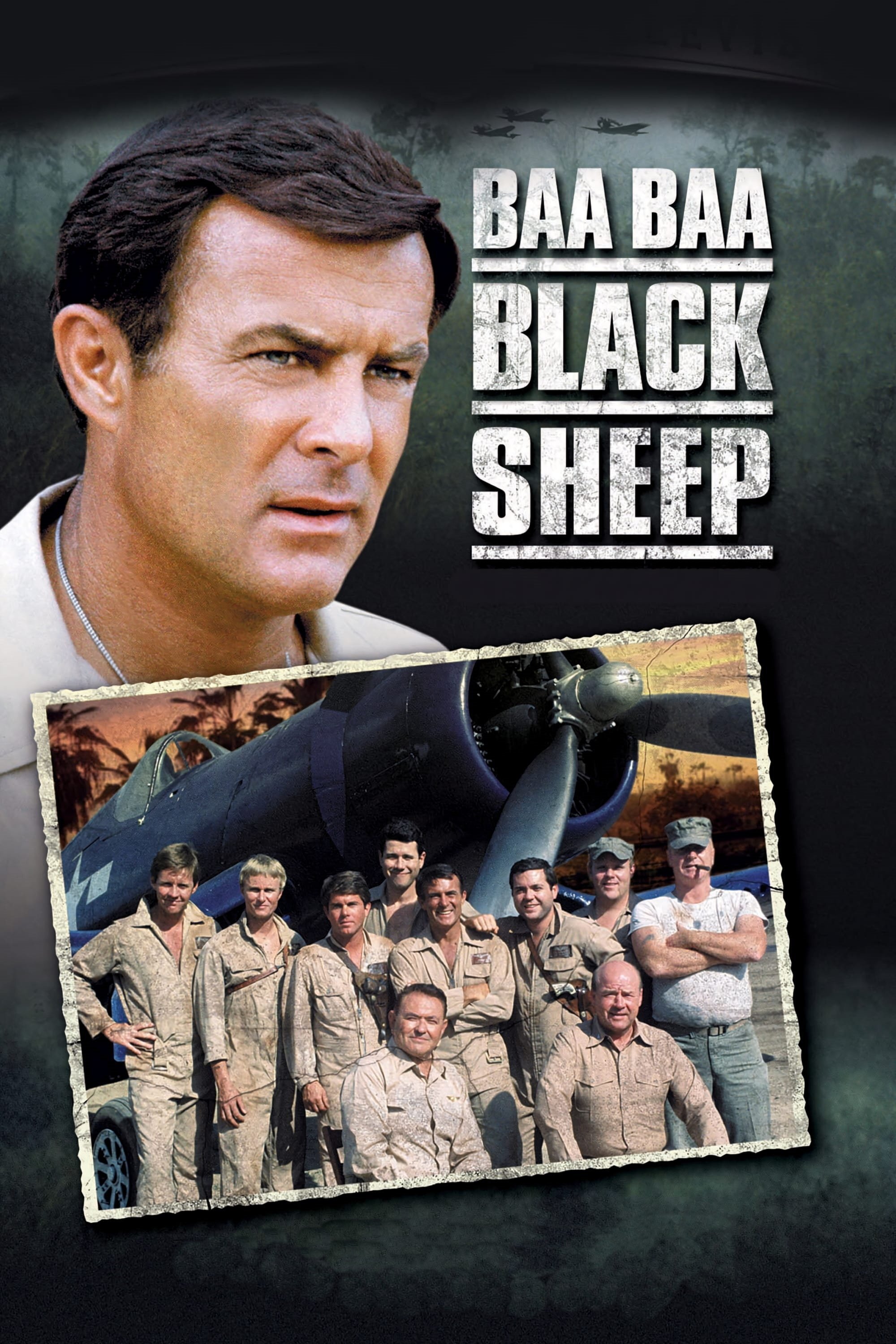
Not sure tonight? Get a pick in a minute, starting from The Flying Misfits
The wildcard
Something you would not have found on your own.
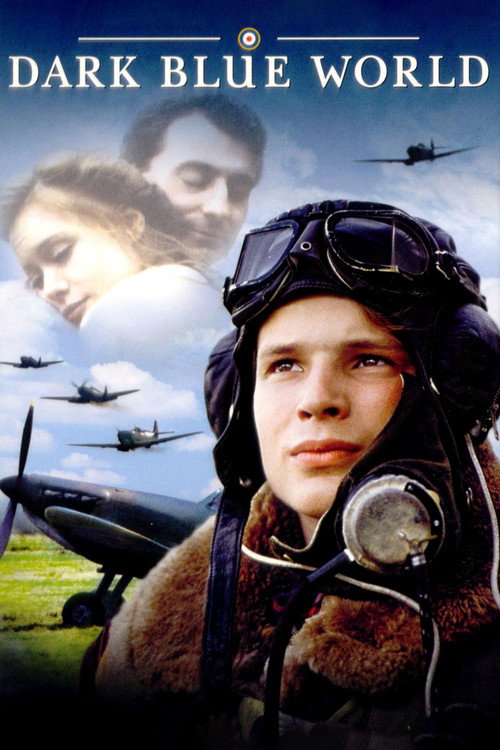
Dark Blue World2001
Both centre an underdog squadron bound by loyalty and mischief, but Dark Blue World uses that setup to explore how war fractures bonds, not just forges them.
Czech WWII fighter pilots, shot with modern sensibility but period authenticity. It has the squadron camaraderie and aerial action you love, but adds tragedy, moral complexity, and a romantic undercurrent that deepens the stakes. A film about war that doesn't simplify.
But Subtitled, and the historical moment (Czech pilots in exile) is less familiar to American audiences. Darker and more sexually explicit than typical war films.
More like this (8)
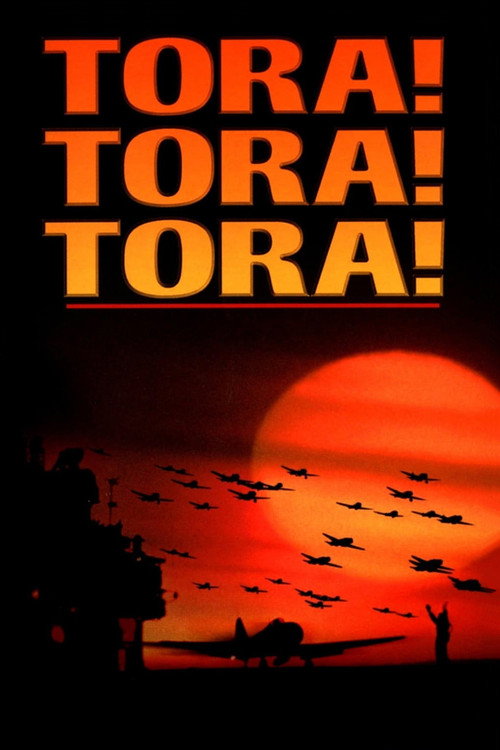
Tora! Tora! Tora!1970
An epic, twin-perspective account of Pearl Harbor from American and Japanese viewpoints. The aerial sequences are extraordinary, the scope is immense, and it treats both sides with intelligence and respect.
But It's a docudrama more than a narrative. Character is thin, and at two hours forty minutes, the pace is stately rather than urgent.
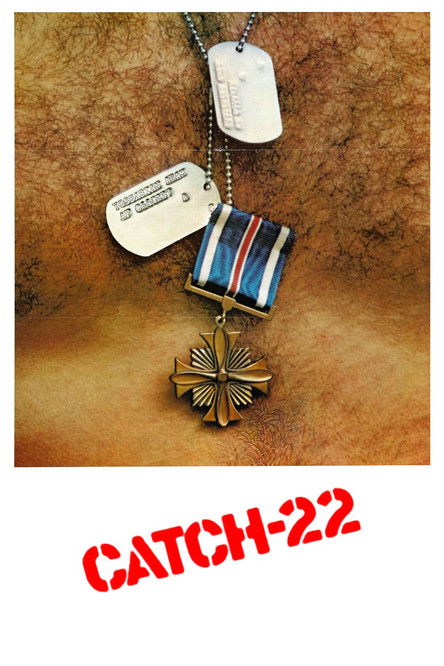
Catch-221970
World War II aviators, gallows humour, institutional absurdity, and an ensemble cast riffing against each other. Mike Nichols brings a cynical edge that complements rather than contradicts the valor in your film.
But Deliberately chaotic editing and a fractured narrative might feel self-indulgent. The anti-war sentiment could grate if you wanted straightforward heroism.
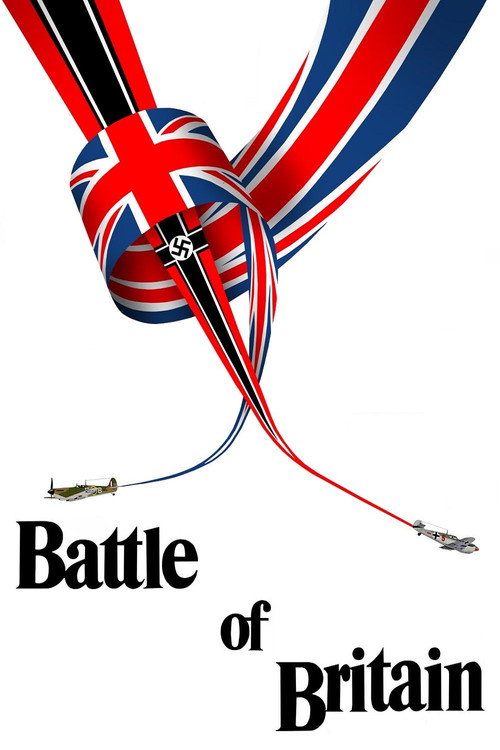
Battle of Britain1969
Another ensemble WWII aerial spectacular with similar verve and scope. The dogfights are visceral, the cast is stellar, and it captures the exhaustion and exhilaration of combat pilots under relentless pressure.
But Large cast means character development is often sacrificed for spectacle. The pacing can feel episodic, like a newsreel stitched together.
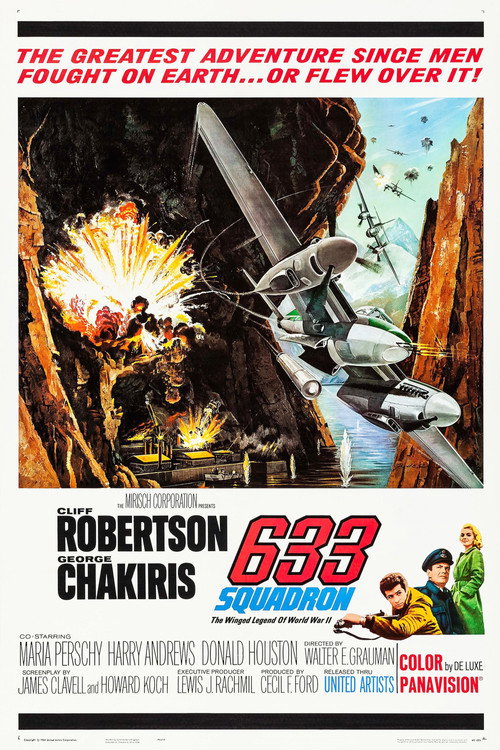
633 Squadron1964
A focused, propulsive WWII mission film built around a diverse squadron executing a dangerous task. Tighter than most, and the camaraderie between the pilots rings true even as the stakes mount.
But Lower budget shows in places, and the female lead feels obligatory. The plot is fairly straightforward, with few surprises.
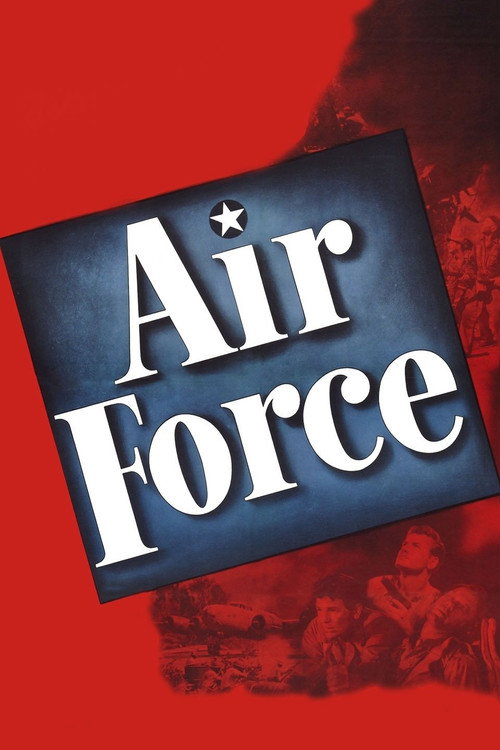
Air Force1943
Howard Hawks directing a WWII bomber crew learning to function as a unit. It's the DNA for every ensemble war film that followed, including yours. Rawer and more intimate than you might expect.
But Nearly two hours for what feels like a simpler story. The propaganda of the era is visible and can feel dated.
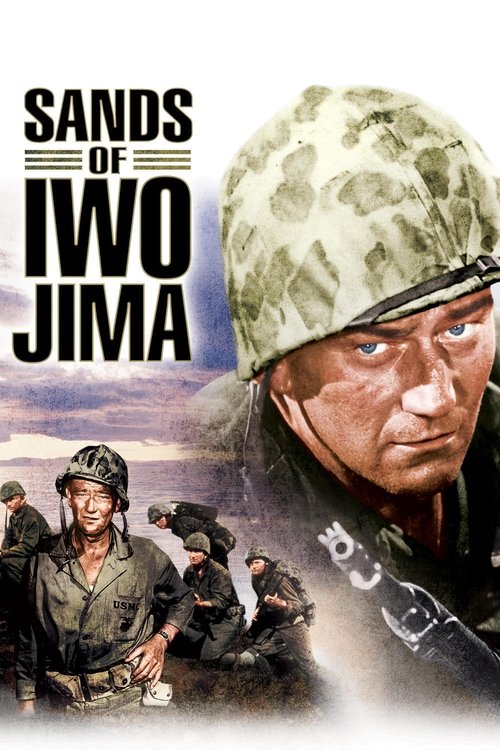
Sands of Iwo Jima1950
John Wayne leads a unit through training and into combat, building cohesion through conflict. It has the same unsentimental view of leadership and the raw practicality of warfare that grounds your film.
But Wayne's presence can overshadow everyone else, and the script sometimes leans into sentimentality. Not everyone loves that style of acting anymore.
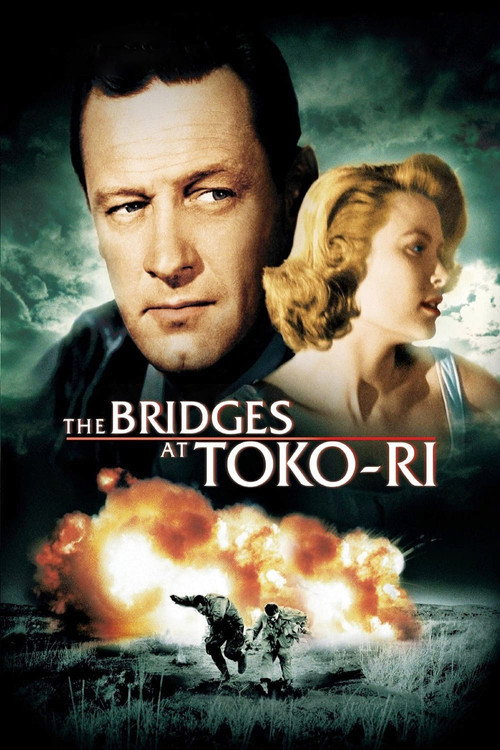
The Bridges at Toko-Ri1954
Both use military missions and camaraderie to ask what it costs to do your duty. But Toko-Ri weighs that cost differently, and much more heavily.
A Korean War film built on the same architecture as yours—a mission, a diverse crew, flying sequences—but made in 1954 with Technicolor and a narrative finality that's almost operatic. Haunting and humanistic where yours is rousing.
But Slower and more meditative. The ending is devastating in a way that some viewers find excessive. Not enough action for pure adrenaline-seekers.
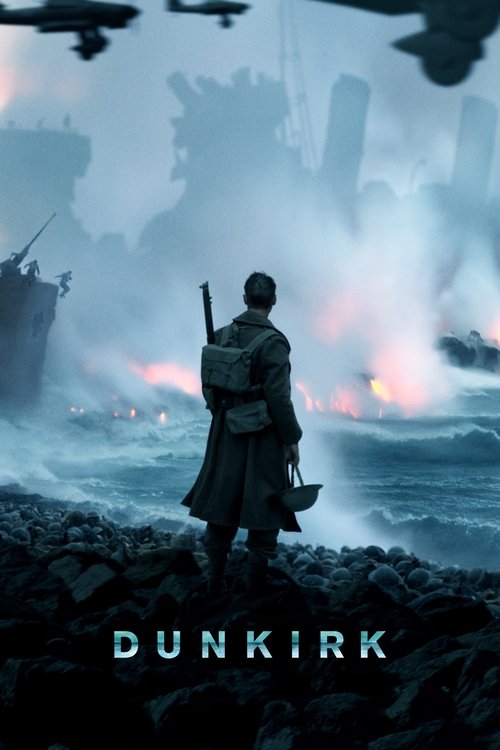
Dunkirk2017
Both use real historical moments involving fighter pilots, but Dunkirk deliberately fragments the heroism of The Flying Misfits into something fractured and ambiguous—same medium, opposite register.
Nolan's fragmented narrative across land, sea, and air follows RAF Spitfire pilots alongside the retreat. The flying sequences are visceral and modern, but the structure breaks what you'd expect—it's abstract, disorienting, and urgent in ways that shift how you feel about war.
But Non-linear storytelling and Hans Zimmer's relentless sound design can feel exhausting rather than gripping. Some viewers find it cold and mannered.
People
Cast
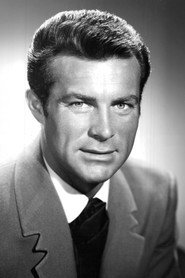 Robert ConradMaj. Greg 'Pappy' Boyington
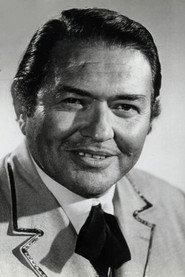 Simon OaklandBrig. Gen. Thomas Moore
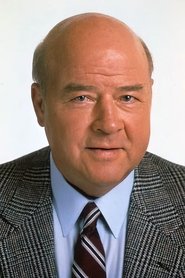 Dana ElcarCol. Thomas A. Lard
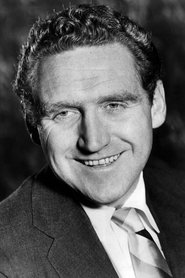 James WhitmoreCapt. James 'Jim' Gutterman
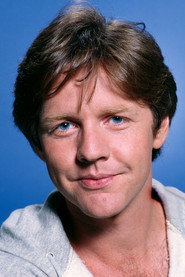 Robert Ginty1st Lt. Thomas Joseph 'T.J.' Wiley
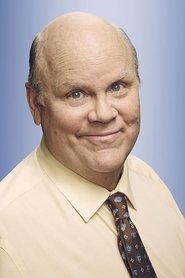 Dirk Blocker1st Lt. Jerome 'Jerry' Bragg
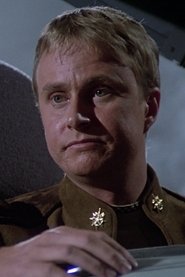 W.K. Stratton2nd Lt. Lawrence 'Larry' Casey
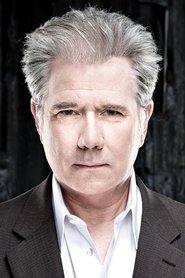 John Larroquette2nd Lt. Robert 'Bob' Anderson
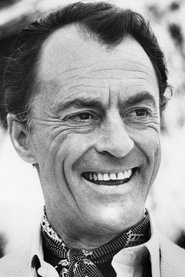 Peter DonatCol. Mathis
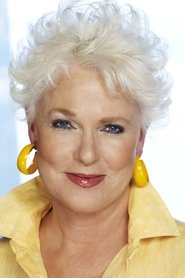 Sharon GlessNurse 1st Lt.
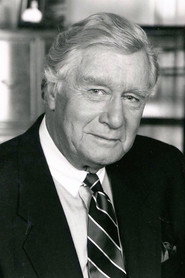 George GaynesMaj. Gen. Claire Lee Chennault
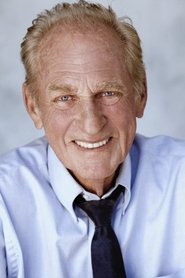 Lance LeGaultLt. Huck
Directing
- Russ MayberryDirector