
Film
Sands of Iwo Jima
John Wayne stars as a ruthless Marine sergeant whose brutal training methods alienate his men—until combat on Iwo Jima reveals the brutal wisdom behind his approach. A foundational war film that captures the collision between peacetime resentment and wartime necessity, elevated by Wayne's willingness to play a man nobody likes.
Should you watch it?
Watch it if you like classic studio war films built on a hard, prickly leader and the grinding friction inside a squad, and you're happy to let tension simmer between the rare bursts of action.
Skip it if you want modern battle realism or a fast pace, since the 1950s style is stagey, talky in places and gives the action a rather polished, old-fashioned gloss.
What it asks of you: A patient, mostly talky first stretch before the landing, so settle in for around a hundred minutes of measured pacing with the grit arriving in bursts.
Not sure? Find tonight's pick in a minute.
If you liked this
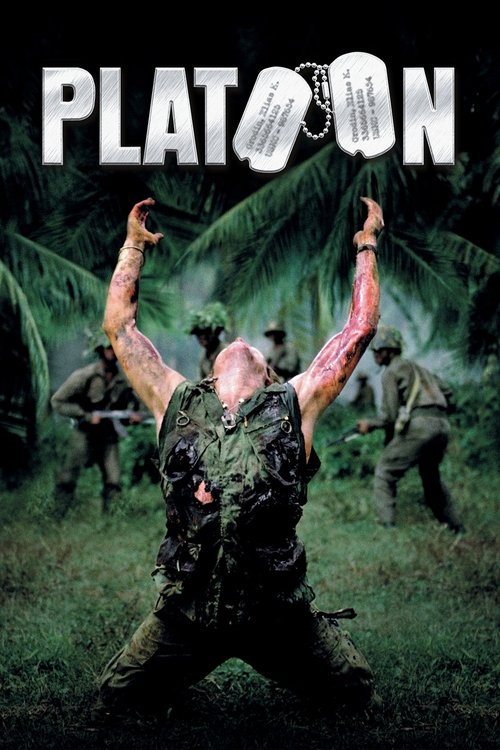
Platoon1986
Oliver Stone's Vietnam epic mirrors Iwo Jima's central tension: a harsh sergeant whose cruelty and compassion are inseparable, and raw recruits learning that survival demands transformation. The parallel is direct and devastating.
But It's grueling and graphic in ways that feel designed to wound rather than entertain. Some find Stone's moral clarity heavy-handed.
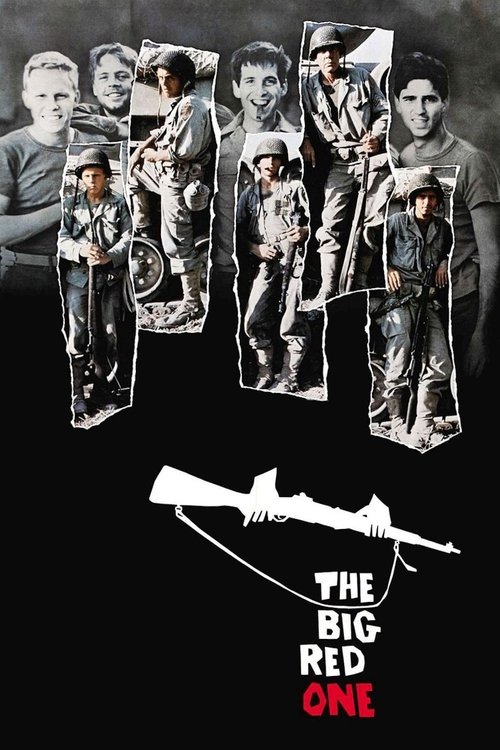
The Big Red One1980
Sam Fuller's autobiographical war film follows a seasoned sergeant and his squad through North Africa and Europe. It captures the same sardonic wisdom—the idea that a good soldier must be part father, part executioner—with startling poetry.
But It's episodic and contemplative rather than propulsive. The pacing can feel old-fashioned even though it was made in 1980.
Come and See1985
Elem Klimov's Soviet film traces a boy's induction into a partisan unit and the moral annihilation war creates. Like Iwo Jima, it's about youth colliding with the real cost of combat, but it goes to places Wayne's film couldn't.
But It's one of the most harrowing films ever made. Not cathartic or uplifting. Genuinely difficult to sit through.

Not sure tonight? Get a pick in a minute, starting from Sands of Iwo Jima
The wildcard
Something you would not have found on your own.
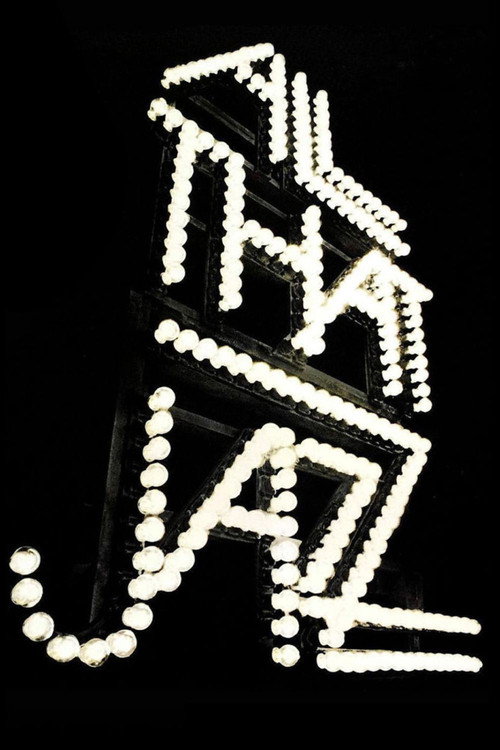
All That Jazz1979
Both films are about leaders who make their men/dancers resent them in order to forge something excellent. Both ask whether that trade-off is worth it, and both answer in different ways.
Bob Fosse's fever dream about a choreographer destroying himself through perfectionism and control. It's Sands of Iwo Jima transplanted into the dance world—a man who demands precision and sacrifice from those around him, convinced it's the only way to create something true.
But It's deliberately messy and self-indulgent. The connection between its wild stylization and actual human stakes can feel broken.
More like this (8)
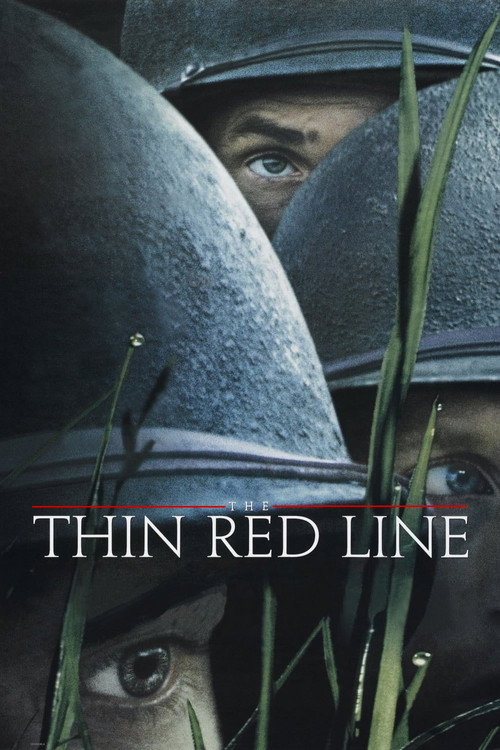
The Thin Red Line1998
Terrence Malick's meditation on a single battle in the Pacific. It has the same respect for the individual Marine caught between nature, chaos, and command—and the same belief that war contains both profound meaning and absolute meaninglessness.
But It's deliberately slow and philosophical. If you want kinetic action and clear narrative momentum, this isn't it.
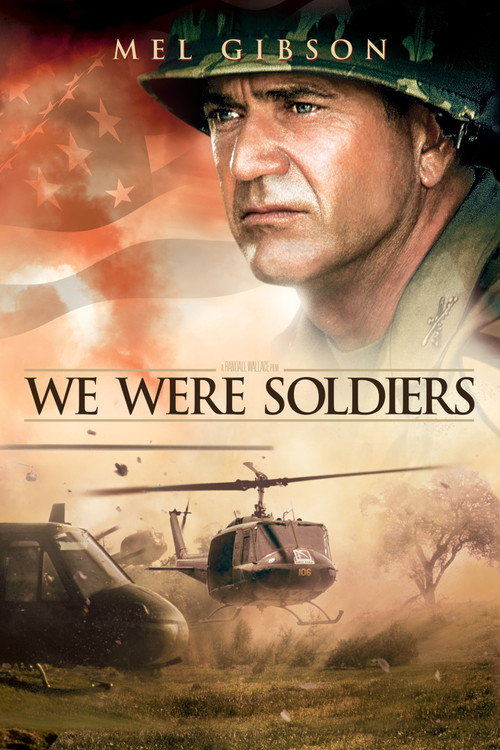
We Were Soldiers2002
A Vietnam War film that earns its focus on the bond between a colonel and his men. It takes Stryker's template—the sergeant who asks his men to do the impossible—and explores what happens when those impossible orders lead nowhere.
But It's earnest and occasionally sentimental. Some of the dialogue can feel like it's reading from a monument.
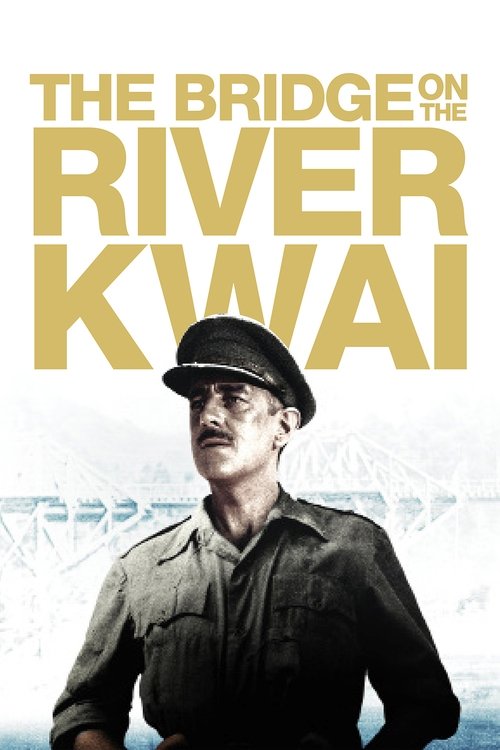
The Bridge on the River Kwai1957
David Lean's masterpiece features a colonel (not a sergeant) undone by his own discipline and perfectionism. It's about obsession, authority, and the moment when a man's code becomes a death wish for those who follow him.
But At nearly three hours, it can feel slow in the middle. And the ending divides audiences on what it's actually saying.
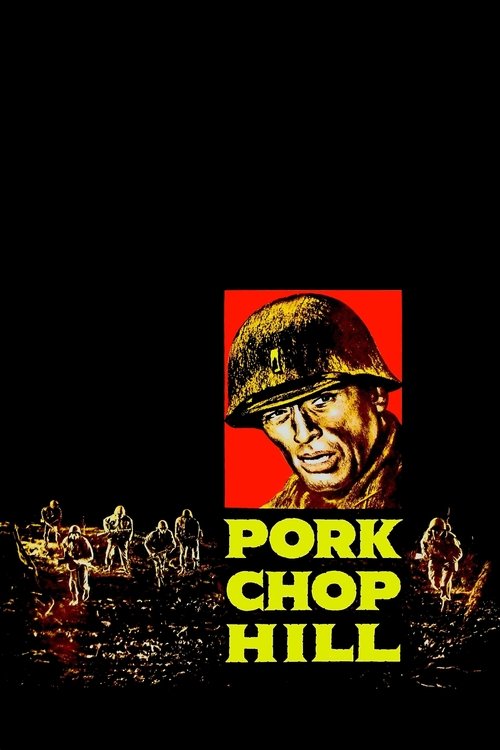
Pork Chop Hill1959
Lewis Milestone's Korean War film focuses on a single, strategically meaningless hill and the orders to take it. It asks the same question Iwo Jima does: what does discipline mean when the mission itself is absurd?
But It's grim and repetitive by design. There's no triumph here, only exhaustion and loss.
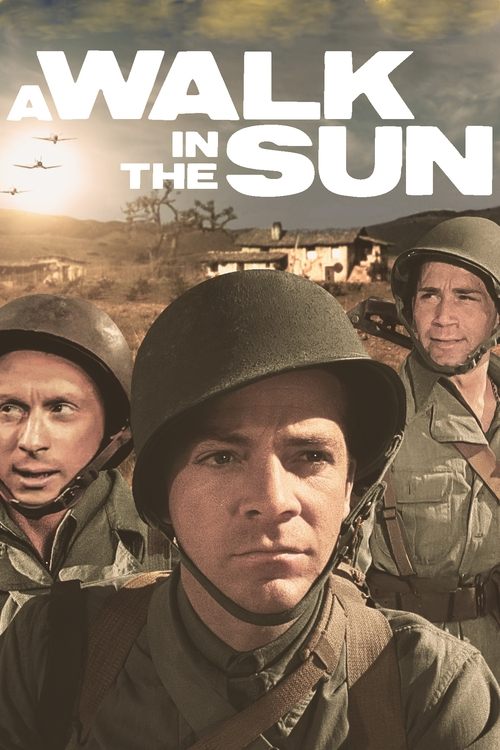
A Walk in the Sun1945
A small unit moves toward an objective in Italy. Like Iwo Jima, it captures the rhythm of wartime leadership and the way individual men become instruments of a single goal. Made during the war itself.
But It's understated to the point of austerity. Not much happens and the film seems to like it that way.
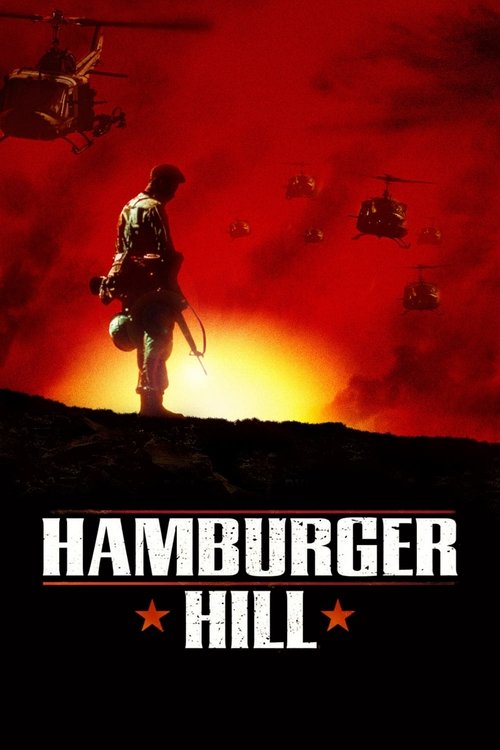
Hamburger Hill1987
A Vietnam assault on a fortified position. It's a direct homage to the structure and moral weight of Iwo Jima—men grinding upward against an entrenched enemy, learning discipline the hardest way possible.
But It's a fairly conventional war film that doesn't reinvent the wheel. If you've seen similar movies, it may feel familiar.
The Ascent1977
Where Iwo Jima asks what discipline achieves in combat, The Ascent asks what faith or conviction achieves when discipline has already failed. Same moment of reckoning, entirely different register.
Larisa Shepitko's Soviet film follows two partisans on a mission through a frozen landscape. It's a war film that strips away action and focus entirely—two exhausted men, immense landscape, a moral test that has nothing to do with tactics or survival.
But It's experimental and austere. There are long sequences of almost nothing happening. It demands patience and gives back only meditation.

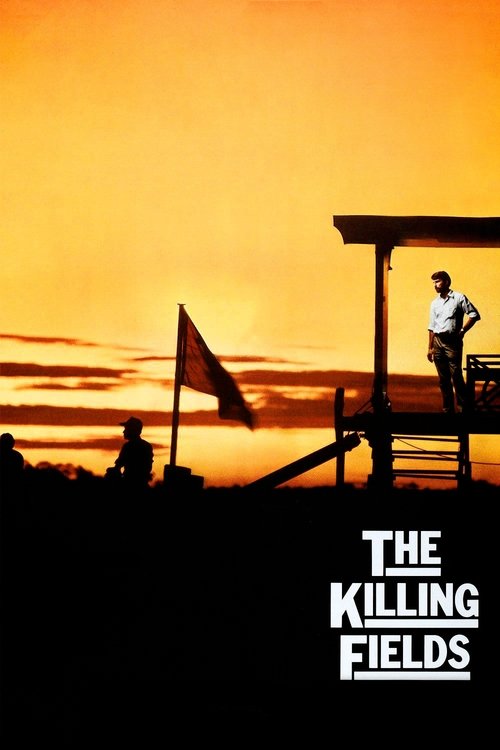
The Killing Fields1984
Both are about an experienced man shaped by previous wars trying to guide a young one through combat and mortality—but The Killing Fields erases the certainty that military discipline can save you. The codes don't work here.
Roland Joffe's film about an American journalist and a Cambodian translator during the Khmer Rouge genocide. It's about a seasoned man trying to keep a younger one alive through chaos and ideology. The relationship carries the weight that Stryker and Conway's does—witness becoming testimony.
But It's based on real atrocity and doesn't soften the horror. The emotional cost accumulates in ways designed to wound, not satisfy.
People
Cast
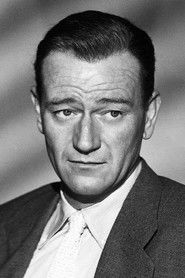 John WayneSgt. John M. Stryker
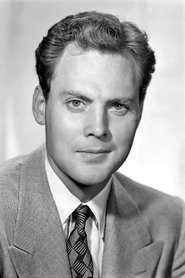 John AgarPFC Peter T. 'Pete' Conway
 Adele MaraAllison Bromley
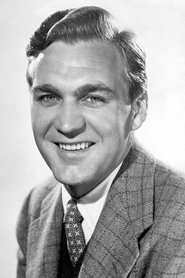 Forrest TuckerPFC Al J. Thomas
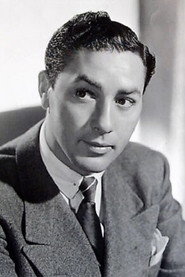 Wally CassellPFC Benny A. Regazzi
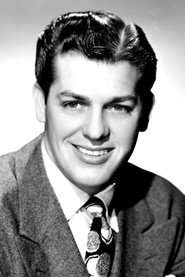 James BrownPFC Charlie Bass
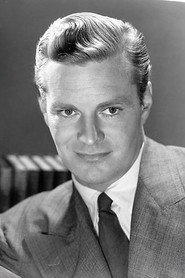 Richard WebbPFC Dan 'Handsome' Shipley
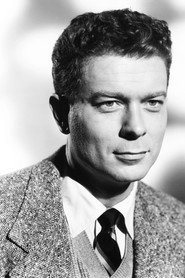 Arthur FranzCpl. Robert C. Dunne / Narrator
 Julie BishopMary
 James HoldenPFC 'Farmer' Soames
 Peter CoePFC George Hellenpolis
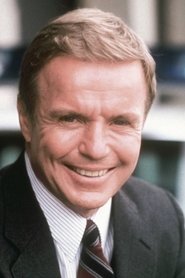 Richard JaeckelPFC Frank Flynn
Directing
- Allan DwanDirector
Writing
- Harry BrownScreenplay
- James Edward GrantScreenplay
- Harry BrownStory
Production
- Edmund GraingerAssociate Producer
Recommended by
Jarhead, Sahara, Memphis Belle, Objective, Burma!, Bataan, The Fighting Seabees, Too Late the Hero, The Lords of Discipline, Armed and Innocent, The Flying Misfits