
Film
Too Late the Hero
A World War II Pacific island film where reluctant British soldiers are forced to prove themselves during a desperate behind-enemy-lines mission. It's a character-driven war picture that values realism over heroics, watching men discover courage not through valor but through sheer survival instinct. Uneven but thoughtful, for those who prefer their war stories messy and human.
Should you watch it?
Watch it if you like war stories where courage is grubby and accidental, and where a squabbling ensemble of reluctant men matters more than the battle map.
Skip it if you want a lean, relentless combat picture, since this one takes its time getting into the fighting and runs close to two and a half hours.
What it asks of you: Settle in for a long, talky stretch of ragged banter and bickering before the story gathers momentum, with comedy that turns bleak as the odds tighten.
Not sure? Find tonight's pick in a minute.
If you liked this
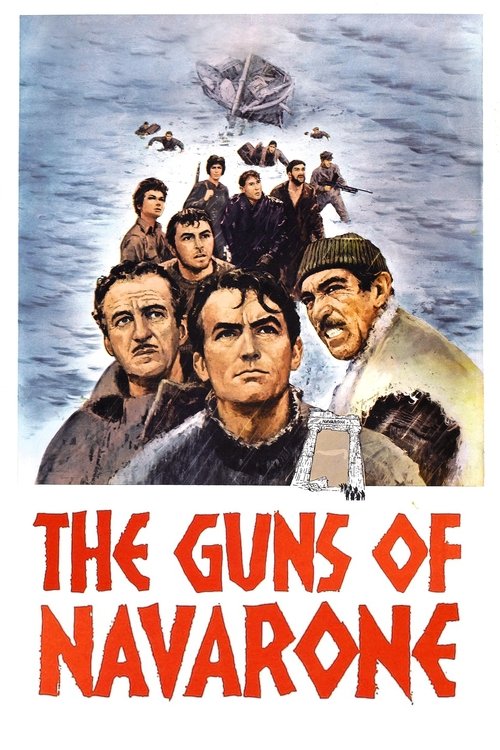
The Guns of Navarone1961
A masterclass in wartime mission plotting with an ensemble of distinct personalities. The mixture of action, strategy, and character work established the template that Too Late the Hero follows and refines with greater ambiguity.
But It's considerably more polished and less interested in questioning the morality of its soldiers' choices, which makes it feel safer and less lived-in than its successor.
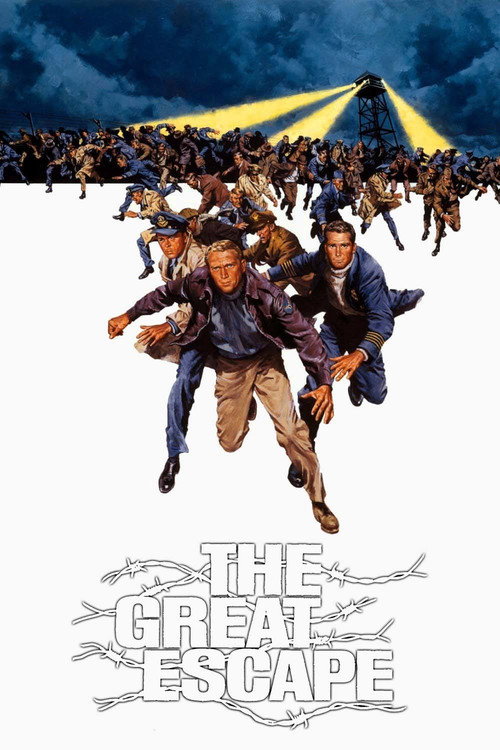
The Great Escape1963
Steve Reeves leads an escape film that balances adventure spectacle with genuine tension and character development. Like Too Late the Hero, it shows men under extreme pressure revealing their true selves rather than their idealized versions.
But Nearly three and a half hours, and some of the lighter moments feel dated. The tonal shifts between comedy and claustrophobia can feel jarring if you're not in the mood.
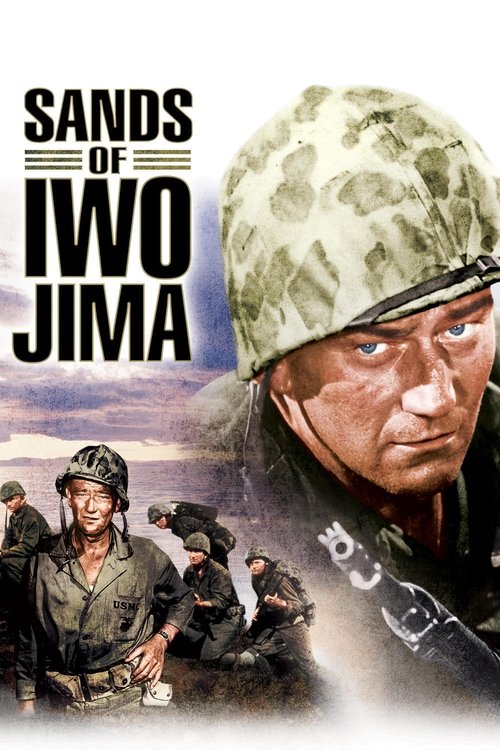
Sands of Iwo Jima1950
John Wayne leads a Pacific war film that's far more interested in the men than the glory. It captures the grinding exhaustion of combat and the messy reality of how soldiers actually behave under fire.
But The acting styles feel theatrical by modern standards, and the film's view of duty and sacrifice won't resonate with everyone, particularly those skeptical of military heroism.
Not sure tonight? Get a pick in a minute, starting from Too Late the Hero
The wildcard
Something you would not have found on your own.
Come and See1985
Both films center on reluctance in combat—but where Too Late the Hero shows men discovering hidden strength, Come and See shows the impossibility of strength against industrial horror. One is humanistic; the other is a scream.
A Soviet masterpiece about a young boy drawn into WWII combat. It's the most harrowing war film ever made—not glorifying reluctance but showing its annihilation. Watching someone's humanity extinguished in real time creates a moral weight few films achieve.
But Genuinely difficult viewing. The film does not offer comfort or catharsis, and some sequences are brutally graphic. It demands emotional endurance that rewatching is rare.

More like this (7)
The Battle of Algiers1966
A war film that refuses to let you choose sides comfortably. Its unflinching look at urban conflict and the moral compromises all parties make will deepen your thinking about the genre itself.
But Deliberately austere and propagandistic in tone. The black-and-white cinematography and documentary-style pacing demand patience, and it doesn't offer catharsis or clear heroes.

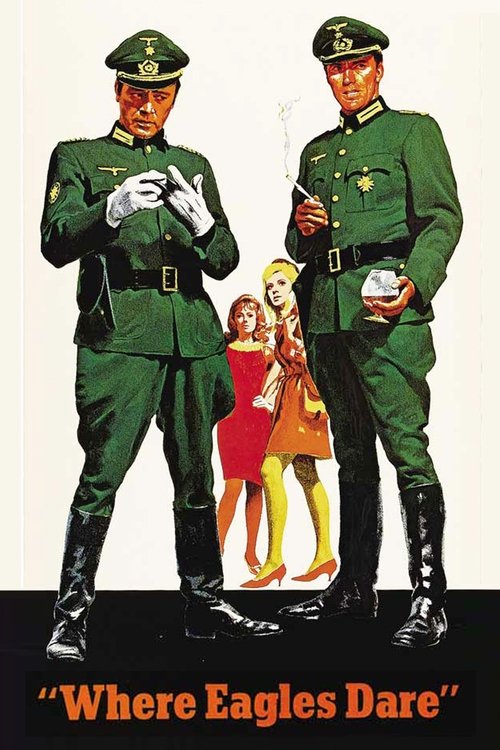
Where Eagles Dare1968
Richard Burton leads an impeccably crafted WWII mission film with genuine wit and style. The action is kinetic, the plotting intricate, and the banter between characters lifts it beyond typical war-picture formula.
But It's fundamentally escapist entertainment rather than serious reflection. If you want depth of character over spectacle, this will feel hollow despite its charms.
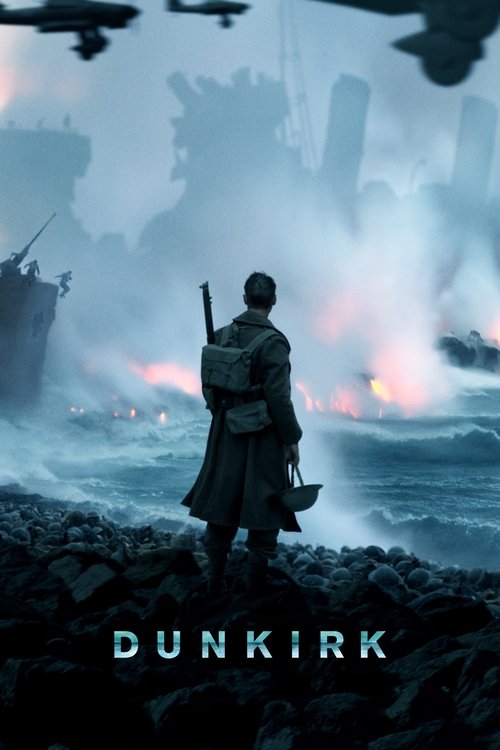
Dunkirk2017
Christopher Nolan crafts a war film structured as pure survival rather than narrative arc. The fractured timeline and layered storytelling create genuine disorientation that mirrors the chaos of retreat under fire.
But The fractured structure can be confusing on first viewing, and Nolan's trademark coldness means emotional beats feel earned rather than easy. Some find it exhausting rather than engaging.
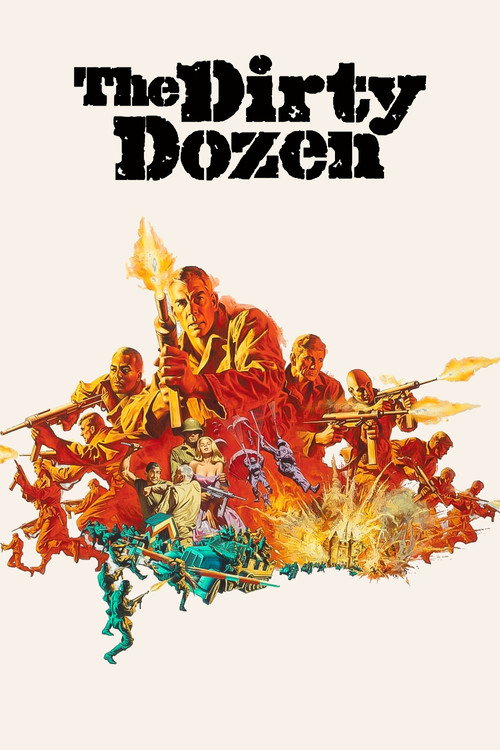
The Dirty Dozen1967
Lee Marvin assembles a ragtag team of soldiers that sparkles with personality and conflict. Like Too Late the Hero, it's genuinely interested in how different men respond to impossible orders and lethal consequences.
But It's longer than it needs to be and the tone wavers between dark comedy and brutal action in ways that don't always land. The ending feels rushed after all that character work.
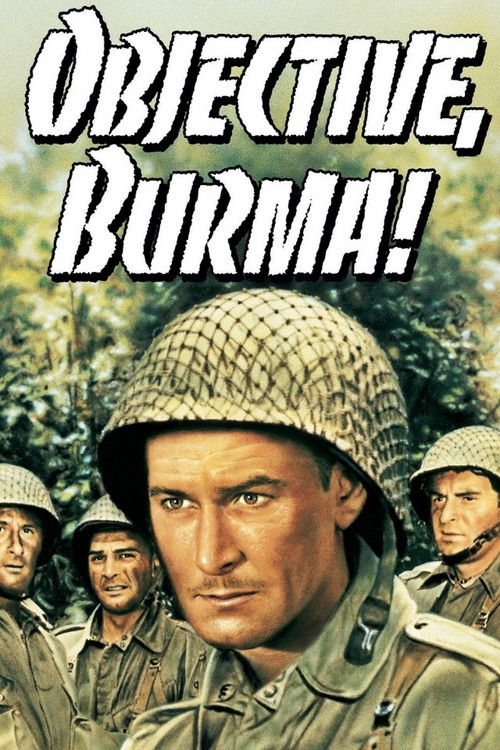
Objective, Burma!1945
Errol Flynn leads a Pacific mission film that's remarkably grounded despite its age. The relationship between individual soldiers and their commanding officer carries surprising emotional weight beneath the action.
But The attitudes toward Japanese soldiers reflect its era in ways that will make you uncomfortable. The action sequences, while energetic, lack the realism that modern viewers expect from war films.
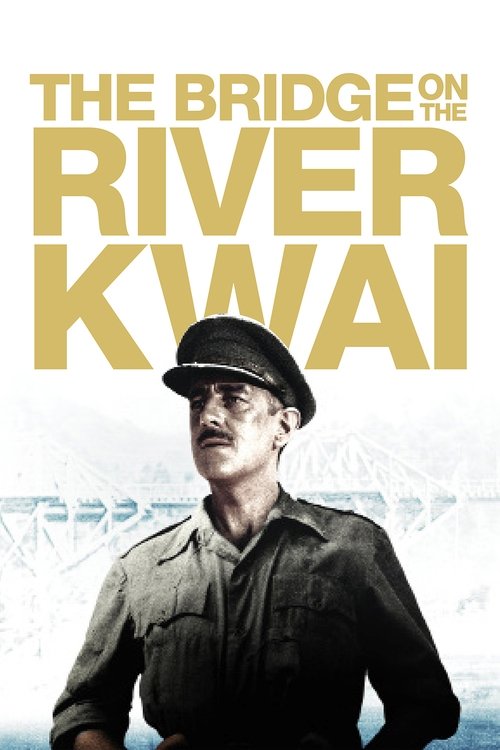
The Bridge on the River Kwai1957
David Lean's epic explores the psychology of soldiers and commanders under duress, particularly the corrosive effects of pride and obsession. It's thoughtful about what war actually does to the human spirit.
But It's a 161-minute film with a deliberate pace that prioritizes reflection over excitement. Some scenes of manual labor feel repetitive, and the film's philosophical concerns may feel remote if you want straightforward action.
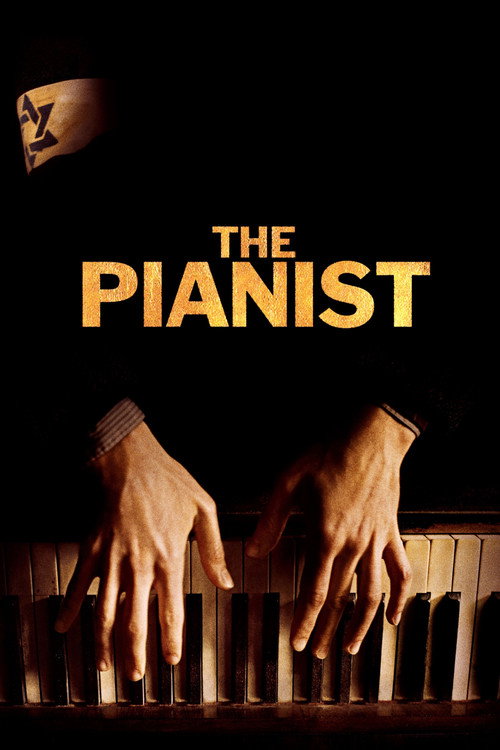
The Pianist2002
Both use the Pacific and European theaters to ask what soldiers actually become when they survive. Too Late the Hero finds brotherhood; The Pianist finds only isolation. Same war, opposite conclusions.
Roman Polanski crafts a survival narrative about a man who must suppress his identity to live. It's visceral about what war does to individual agency—how survival becomes the only morality, stripping away all other codes.
But Deeply dark and often nearly unwatchable. The film offers no redemption arc or earned triumph, and Polanski's detached direction can feel cold rather than empathetic. Survivors' guilt may haunt you.
People
Cast
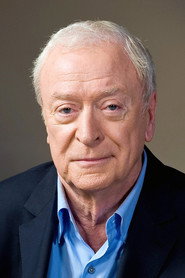 Michael CainePvt. Tosh Hearne
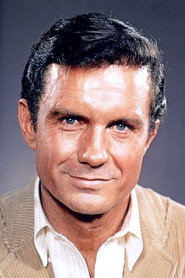 Cliff RobertsonLt. Sam Lawson
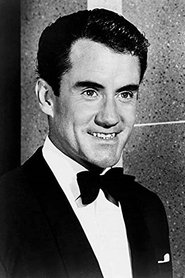 Ian BannenPvt. Jock Thornton
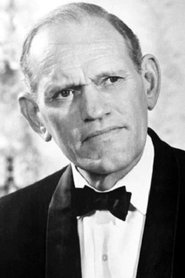 Harry AndrewsCol. Thompson
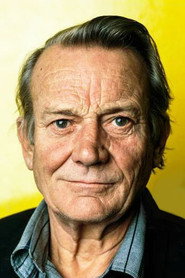 Denholm ElliottCaptain Hornsby
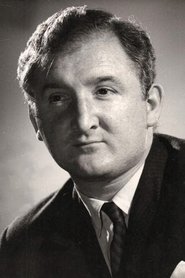 Ronald FraserPrivate Campbell
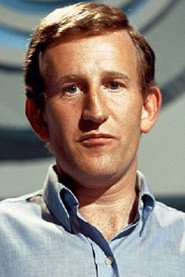 Lance PercivalCpl. McLean
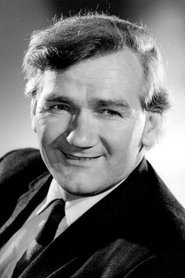 Percy HerbertSgt. Johnstone
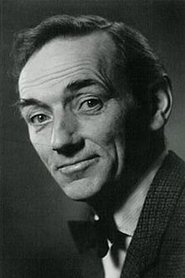 Sam KyddC/Sgt.
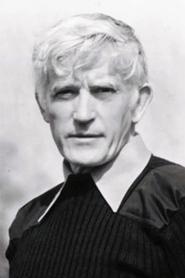 Patrick JordanSgt. Major
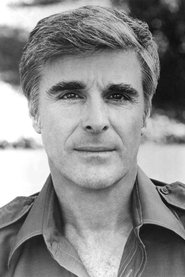 William BeckleyPvt. Currie
 Martin HorseyPvt. Griffiths
Directing
- Robert AldrichDirector
Writing
- Lukas HellerScreenplay
- Robert AldrichScreenplay
- Robert AldrichStory
- Robert ShermanStory
Production
- Lynn StalmasterCasting
- Robert AldrichProducer