
Film
Interlude
A 1957 romantic drama about a tourist in postwar Germany caught between two men: a married conductor and a devoted doctor from home. It's a handsomely mounted melodrama that trades in longing and moral ambiguity, where no one gets what they want and that's somehow the point. For lovers of sophisticated European romance and moral complexity over happy endings.
If you liked this
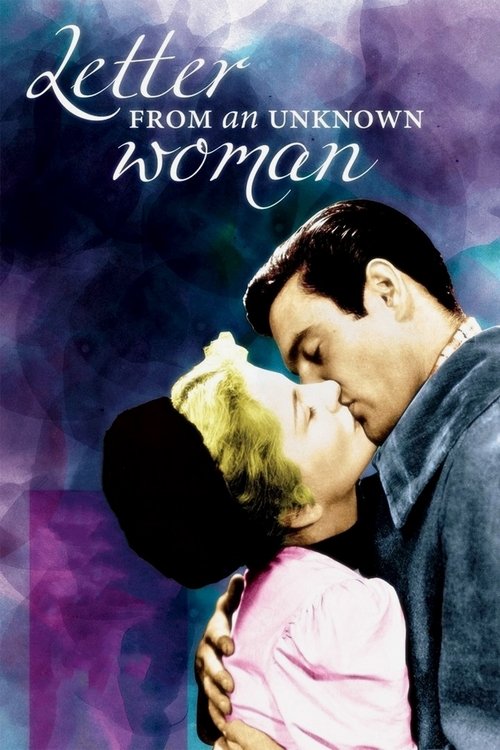
Letter from an Unknown Woman1948
Max Ophüls' masterpiece about a woman's unrequited love for a pianist she glimpses across years. It has the same bittersweet architecture as Interlude—passion that can't survive reality, told with elegant fatalism and visual poetry.
But It's slower and more austere than you'd expect. The emotional payoff requires patience and acceptance that romance here means sacrifice, not triumph.
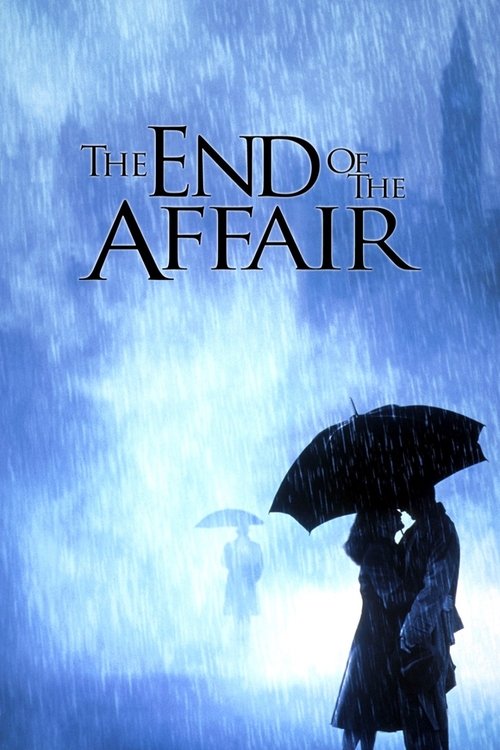
The End of the Affair1999
Fiercely intelligent adaptation of Greene about lovers torn apart by faith and circumstance in postwar London. Both films understand that the most agonizing love stories are the ones that *almost* work, where leaving might be the only moral choice.
But It's verbally dense and psychologically dark. Nobody is likeable, and the film won't let you off the hook by making infidelity romantic.
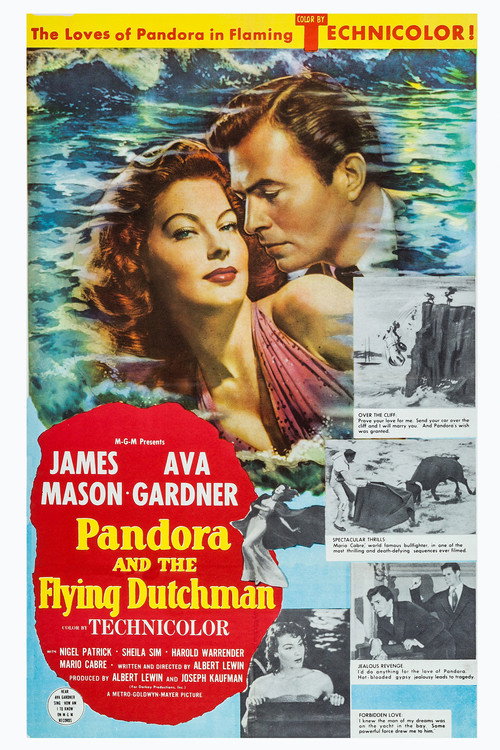
Pandora and the Flying Dutchman1951
Ava Gardner and James Mason in a Technicolor fable about impossible love on the Mediterranean. Like Interlude, it's a woman choosing between two men and a world that won't allow her to have either. Gorgeously doomed.
But The plot is deliberately mythic and static. If you need narrative momentum or modern sensibility, this will feel painterly to the point of stillness.
Not sure tonight? Get a pick in a minute, starting from Interlude
The wildcard
Something you would not have found on your own.
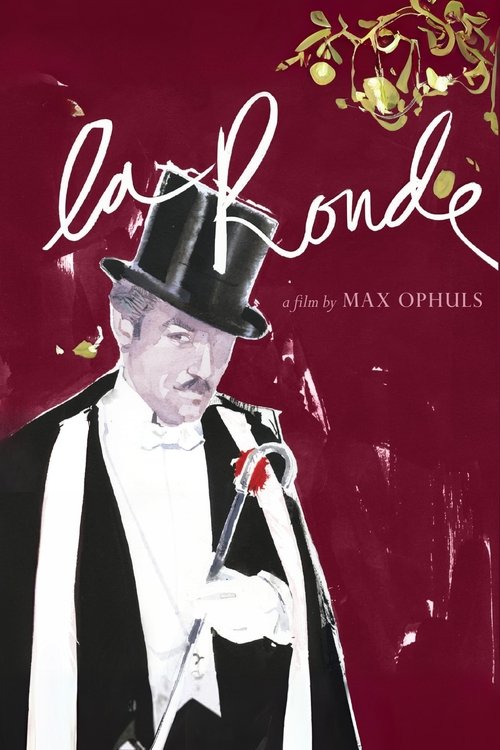
La Ronde1950
Both are Ophüls films about postwar European desire and how romantic passion destabilizes the social order. La Ronde is the philosophical argument; Interlude is the intimate case study.
Max Ophüls' carousel of desire in Vienna: ten scenes, each person in one liaison moves to the next. It's the structural opposite of Interlude—where that film follows one woman's impossible choice, this shows how that same desire spins through society. Same director, same obsession, completely different form.
But It's episodic and can feel gimmicky. The film's circularity is the point, but if you need a central character to anchor you, it dissolves.
More like this (8)
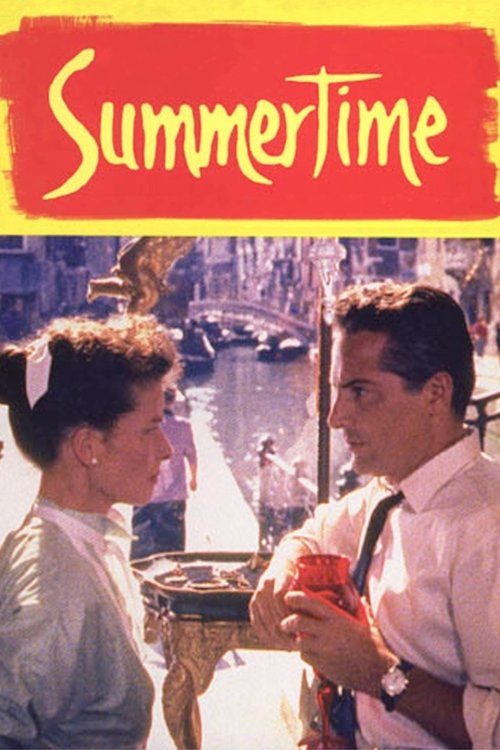
Summertime1955
David Lean's Venice-set romance between an American spinster and a married Italian man. It shares Interlude's setting, its Europeans-and-Americans sexual tension, and its refusal to resolve neatly. Lean's direction makes longing visible.
But It's sentimental by modern standards. The film earnestly believes that a brief affair can transform a life, which requires you to meet it halfway.
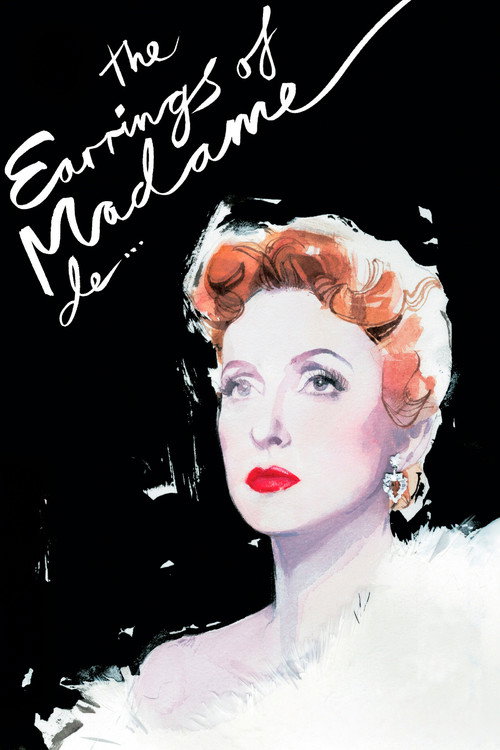
The Earrings of Madame de...1953
Ophüls again, tracking the ripple of a pair of earrings through marriage and passion in fin-de-siècle Europe. It's dazzling about how desire destabilizes everything. Like Interlude, it treats infidelity not as plot but as consequence.
But It's formally intricate to the point of difficulty. The film rewards close attention but won't pause to help you catch up.
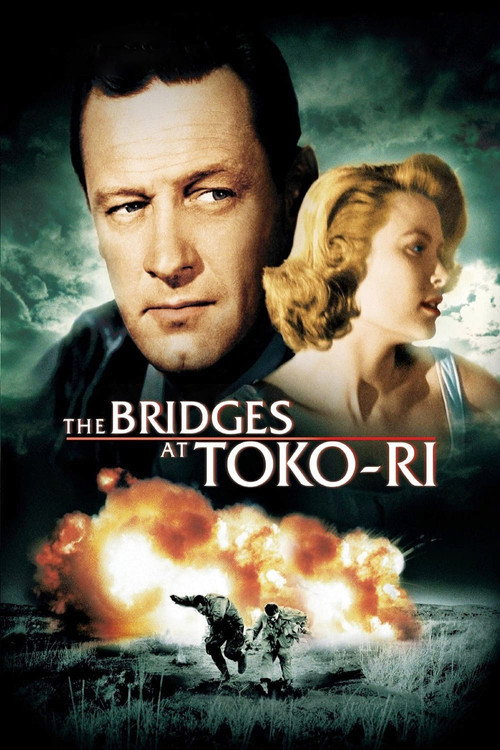
The Bridges at Toko-Ri1954
William Holden as a man pulled between duty and desire during the Korean War. It has Interlude's postwar European setting and its theme of adults choosing between passion and responsibility, but filtered through masculine honor and sacrifice.
But The war scenes feel dated now. It's very much a film of its moment, and the patriotic framework won't resonate if you're not moved by 1950s military cinema.
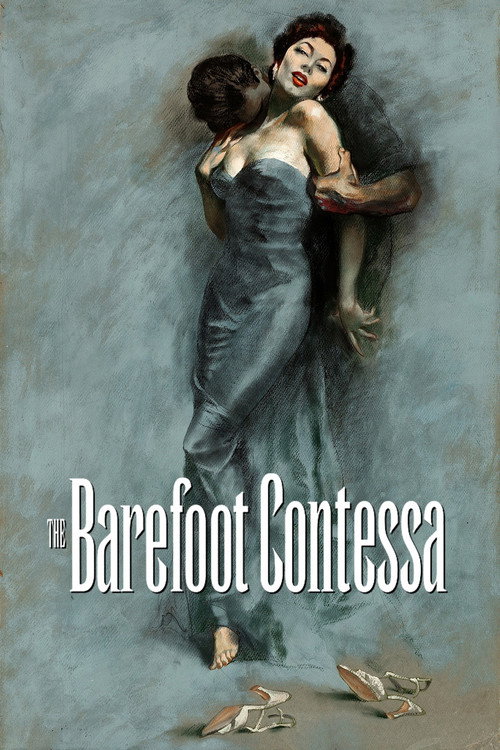
The Barefoot Contessa1954
Ava Gardner again, this time as a woman desired by men across the European upper class. Cynical, stylish, and about how beauty and freedom exact their own price. It understands Interlude's world of sophisticated, thwarted desire.
But It's gossipy and surface-level by design. If you want psychological depth, this is too busy enjoying its own decadence to provide it.
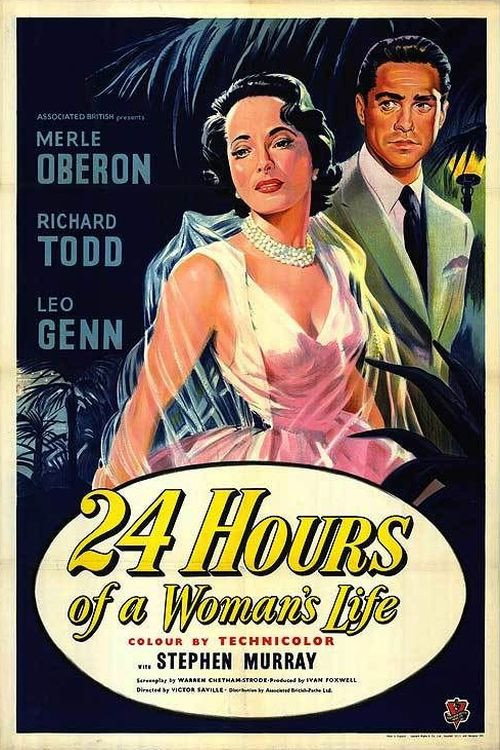
24 Hours of a Woman's Life1952
A minor gem about a woman's wartime past catching up with her in glamorous exile. It shares Interlude's mood of European sophistication and the sense that the past and present are always colliding for people trying to move on.
But It's genuinely obscure for a reason. The plot can feel thin, and the film doesn't have the directorial vision to lift it beyond a solid B-movie.
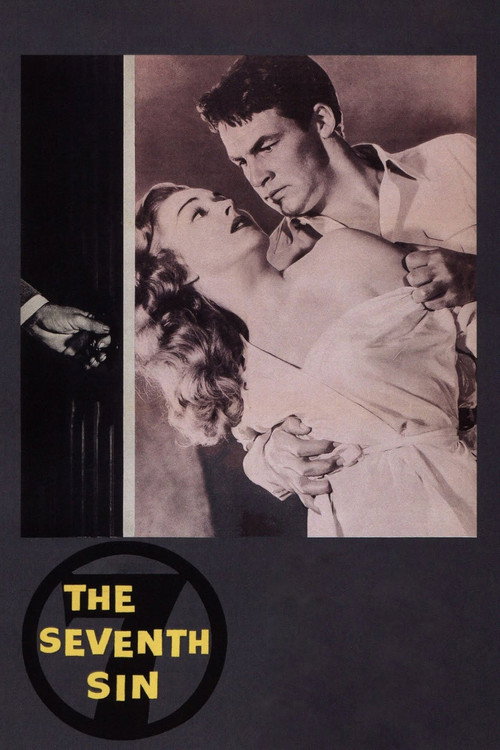
The Seventh Sin1957
Released the same year as Interlude, with similar themes of marriage under strain and passion in exotic locations. It's earnest and well-acted, a companion piece to Interlude's vision of how desire unmakes people.
But It's formulaic. The moral framework is rigid, and the film doesn't trust you to sit with ambiguity the way Interlude does.
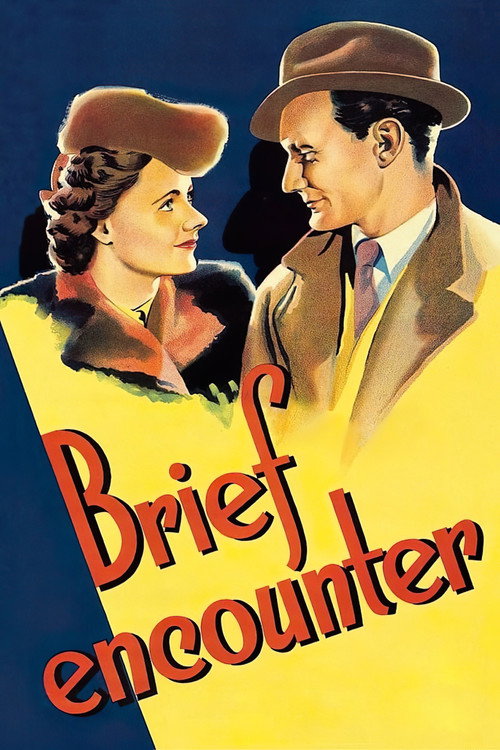
Brief Encounter1945
Both are about middle-class people choosing not to have the affair they want. Same moral architecture, different national register—Europe's passion versus Britain's composure.
Noël Coward and David Lean on passion in ordinary places—a tea room, a cinema, a railway station. It's the British, buttoned-up version of Interlude's romantic agony, proving the same anguish happens whether you're in symphony halls or suburban tea shops. Absolutely perfect on what it means to choose duty over desire.
But It's mannered and reserved. The emotional restraint can read as cold if you're not attuned to the era's way of playing feeling as silence.
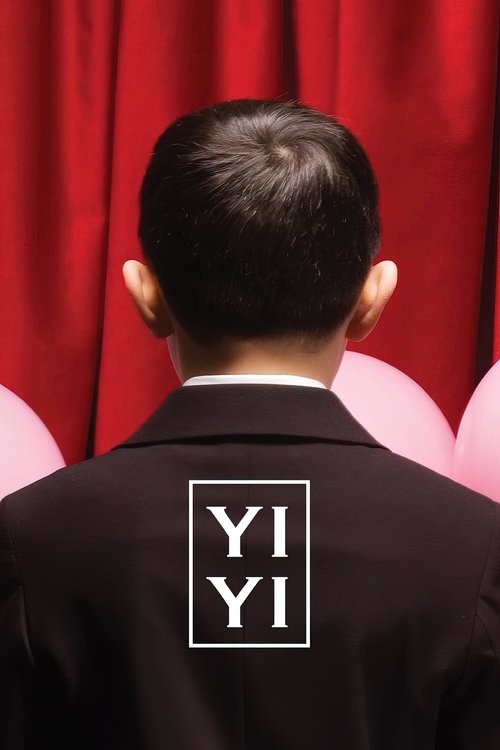
Yi Yi2000
Both believe that the real story is not the affair but the choice not to have it—the life you build by refusing passion. Yi Yi extends that theme across decades and a family; Interlude lets it unfold in ninety minutes in Europe.
Edward Yang's three-hour Taiwanese family drama that seems nothing like Interlude until it is: about adults navigating desire, obligation, and the gap between what we want and what we do. It's shot with cool precision, but it understands that romance is just one thread in the larger textile of how we fail each other and persist anyway. Interlude compressed into a marriage; Yi Yi explodes it outward.
But It's long, unhurried, and requires patience. The emotional payoff is quiet and distributed across the whole film, never concentrated. It won't satisfy if you want drama to announce itself.
People
Cast
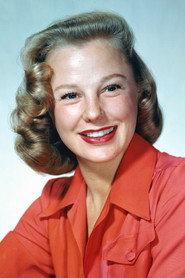 June AllysonHelen Banning
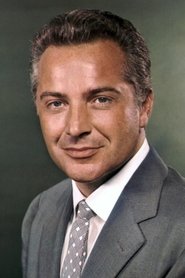 Rossano BrazziTonio Fischer
 Marianne KochReni Fischer
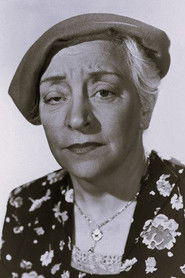 Françoise RosayComtesse Reinhart
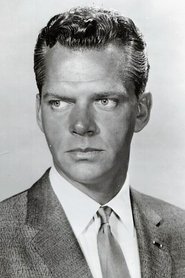 Keith AndesDr. Morley Dwyer
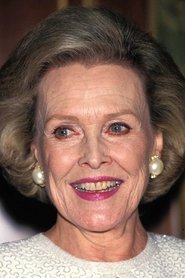 Frances BergenGertrude Kirk
- Lisa HelwigHousekeeper
- Herman SchwedtHenig
- Anthony RipoliDr. Smith
- John SteinDr. Stein
 Jane WyattPure Stubbins
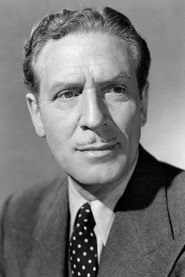
Directing
- Marshall GreenAssistant Director
- Douglas SirkDirector
Writing
- Inez CockeAdaptation
- Daniel FuchsScreenplay
- Dwight TaylorScreenplay
- Franklin CoenScreenplay
- James M. CainStory
Production
- Ross HunterProducer
- Norman DemingUnit Production Manager