
Film
Night Song
A 1948 romance where a wealthy woman pretends to be blind and poor to reach a gifted pianist who lost his sight. It's sentimental and deliberately theatrical, built on the premise that deception can be an act of love. For viewers who find sincerity in old Hollywood's earnestness and don't mind melodrama about art, disability, and redemption played straight.
Should you watch it?
Watch it if you care about classical music woven into a melodrama of pride and romance, and enjoy 1940s studio storytelling where the piano playing is genuinely the point.
Skip it if you want a brisk plot or modern pacing, since this is a slow, sentimental studio picture where the feelings run thick and the story lingers over them.
What it asks of you: Settle in for a little over ninety minutes of unhurried scenes, with long concert passages you are expected to sit through rather than skip.
Not sure? Find tonight's pick in a minute.
If you liked this
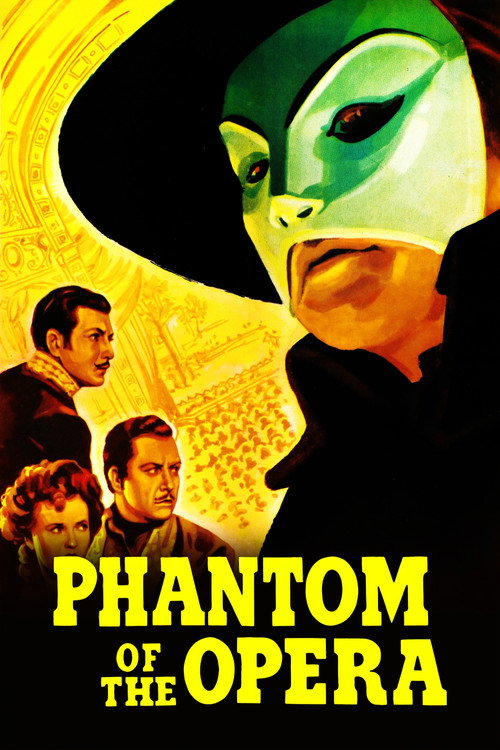
Phantom of the Opera1943
Universal's lavish 1943 version shares the obsessive musician at its core, complete with orchestral grandeur, Claude Rains' intensity, and the romance-through-art that drives Night Song. Technicolor spectacle meets genuine emotional stakes.
But The Phantom's darkness is operatic in the theatrical sense—some find the tone overwrought, and the gender dynamics haven't aged gracefully.
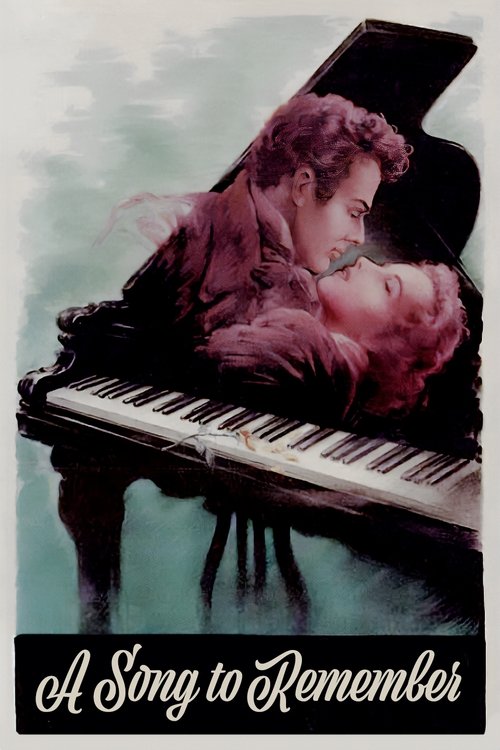
A Song to Remember1945
Cornel Wilde plays Chopin in this 1945 biopic that does exactly what Night Song does: wraps real musical achievement in romantic melodrama. Same era, same reverence for classical music, same willingness to manipulate emotions shamelessly.
But The historical accuracy is invented wholesale, and the plot mechanics exist purely to get characters near pianos. If you need a film to be true, this will frustrate you.
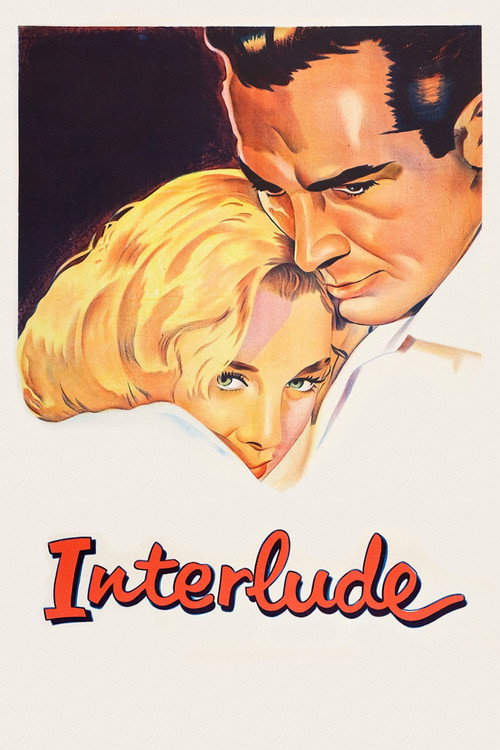
Interlude1957
A conductor and a woman caught between art and love, set in the world of classical music with real orchestras performing. Oskar Werner and June Allyson bring nuance to the same romantic/artistic conflict that defines Night Song.
But The pacing is deliberate to the point of slowness, and the resolution privileges duty over passion in ways modern audiences might find deflating.
Not sure tonight? Get a pick in a minute, starting from Night Song
The wildcard
Something you would not have found on your own.
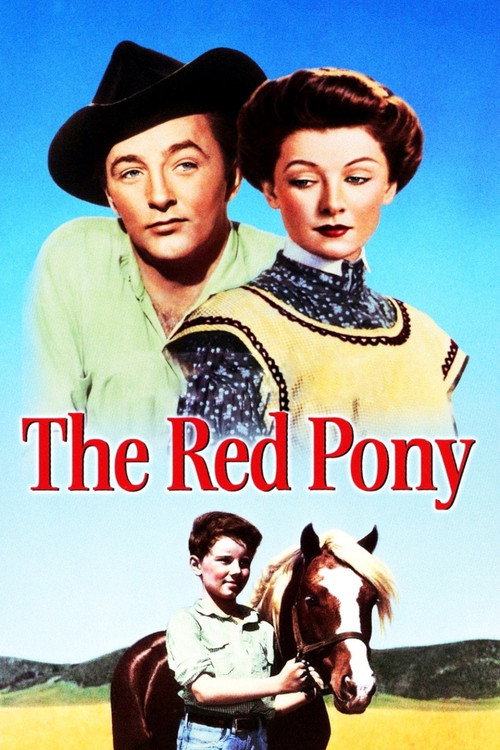
The Red Pony1949
Both use a bond between two people (or a person and an animal) as the vehicle for exploring how we heal and what we owe each other. Both believe in earnest sentiment as a legitimate mode of storytelling.
A boy and a horse in Depression California, made the same year as Night Song by the same studio. Like Night Song, it's about how love and care can heal damage and teach us what matters. But instead of a romance in a concert hall, it's a child learning mortality and responsibility through an animal he loves.
But It's quiet and slow, with virtually no plot. The emotional core is the boy's face, not dialogue or music. If you need narrative momentum, you'll lose patience.
More like this (8)
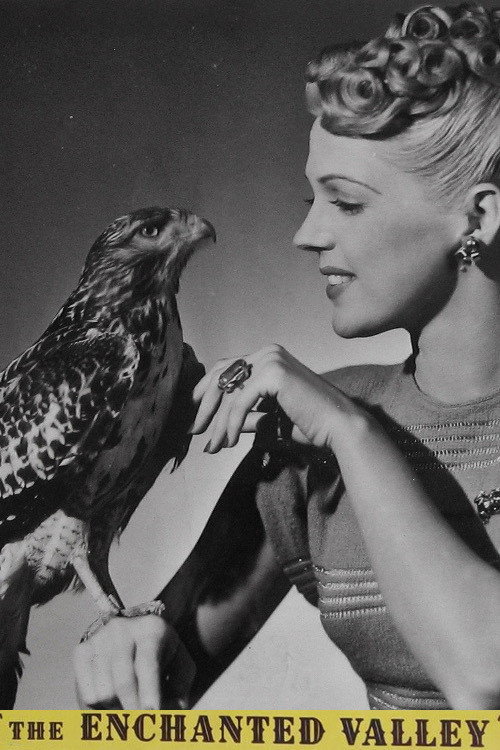
The Enchanted Valley1948
Released the same year, another earnest story about art redemption and unlikely romance, made with the same conviction that sincerity and sentiment are not things to apologize for.
But It's deeply rooted in 1940s sentiment; if that era's approach to emotion feels alien to you, it won't land.
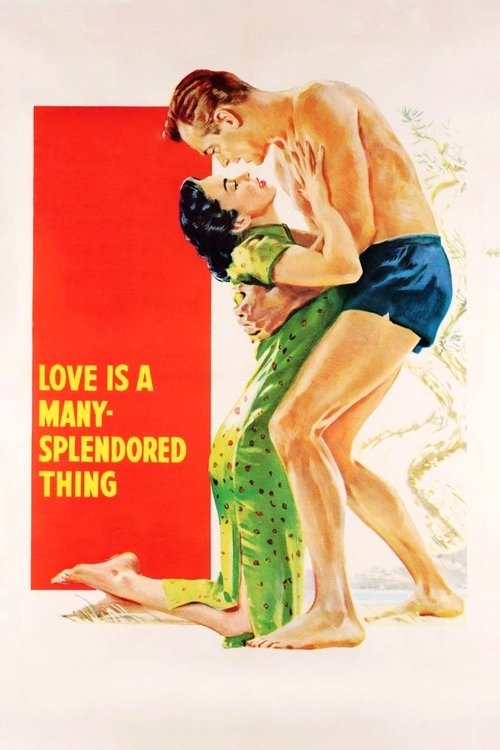
Love Is a Many-Splendored Thing1955
William Holden and Jennifer Jones navigate romance across social boundaries with the same melodramatic conviction. Cinemascope, orchestral score, and absolute commitment to the feeling of things mattering enormously.
But The plot hinges on circumstances that feel contrived by design, and modern viewers sometimes find that frustrating rather than moving.
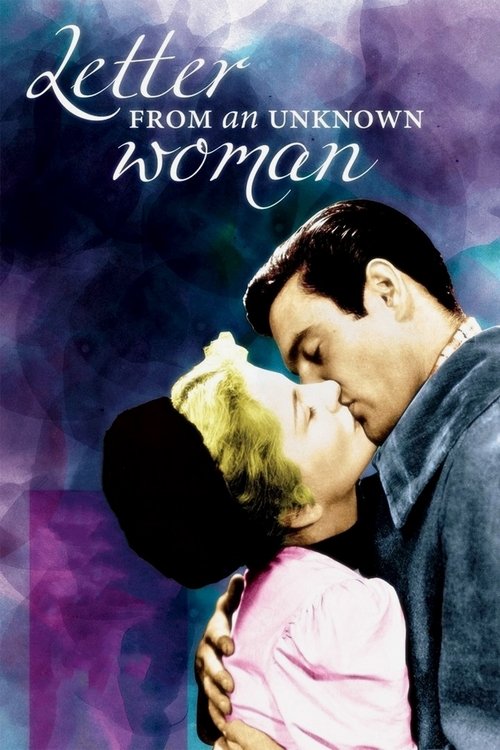
Letter from an Unknown Woman1948
Also 1948, also about devotion expressed through deception and artistic life. Ophüls brings formal perfection to a similar story of someone loving from the shadows, with extraordinary visual control.
But It's melancholic and fatalistic—there's no redemption here, just beautiful resignation. If you want hope, this won't provide it.
Singin' in the Rain1952
The flip side of Night Song's earnestness: pure joy in musical performance, with actual dancers and singers at the height of their powers. Shows what the 1940s/50s could do when music was the point.
But The tone is so buoyant it might feel lightweight if you're seeking genuine drama about artistic struggle.

The Red Shoes1948
Powell and Pressburger's masterpiece, also 1948, about art consuming life. The ballet sequences are transcendent, and like Night Song, it believes passionately that art and love are the only things worth pursuing.
But It's more ambitious and darker than Night Song; some find it pretentious, and the ending is genuinely tragic rather than romantic.

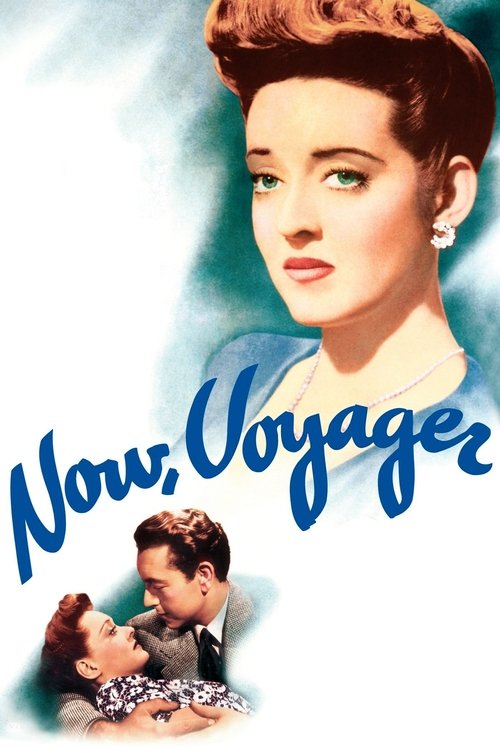
Now, Voyager1942
Bette Davis and Paul Henreid in a romance built on transformation and self-sacrifice. Same willingness to play big emotions, same era, same belief that love and self-denial can be noble things.
But The psychology is vintage pop-Freud that hasn't aged well, and Davis's character's arc depends on her needing a man to complete her.
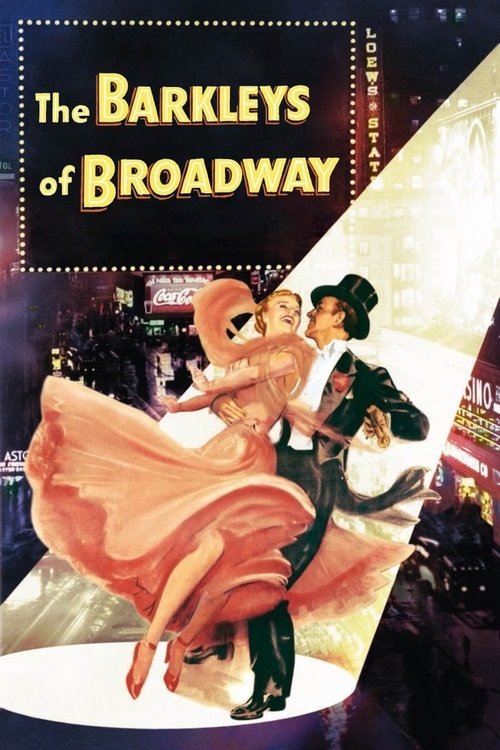
The Barkleys of Broadway1949
Both films place classical or high art at the emotional center and treat performance as an act of love or communication. Both are from 1948-49 and believe unironically in beauty as redemptive.
Astaire and Rogers reunited for this backstage musical where real performance is the language the characters use to understand each other. The dance sequences are extraordinary, and it captures that same 1940s faith that art is how humans express what words cannot.
But The plot is gossamer-thin, existing mostly to justify musical numbers. If you're not interested in watching brilliant dancers dance for ten minutes, there's not much here for you.
The Third Man1949
Both center on a protagonist willing to be deceived by someone they love, and both use music as a character itself. But where Night Song sees deception as a form of grace, The Third Man sees it as corruption. Same emotional architecture, opposite moral conclusion.
A man follows his past into the rubble of post-war Vienna. Like Night Song, it's about obsession and the lengths we go to for people we love. But instead of a concert hall, it's noir Vienna; instead of romantic uplift, it's moral corruption and betrayal. Anton Karas's zither score is unforgettable, and the cinematography is as stunning as anything in Night Song, but cold instead of warm.
But It ends in darkness and ambiguity. If you're seeking the romantic affirmation Night Song provides, this will leave you bereft. It's also bleak about human nature.

People
Cast
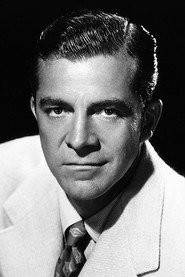 Dana AndrewsDan Evans
 Merle OberonCathy Mallory
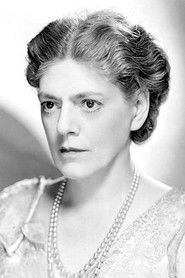 Ethel BarrymoreMiss Willey
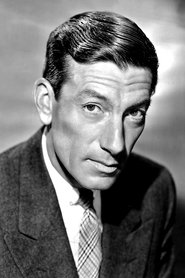 Hoagy CarmichaelChick Morgan
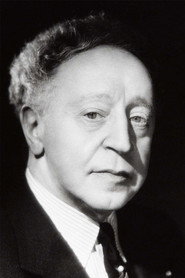
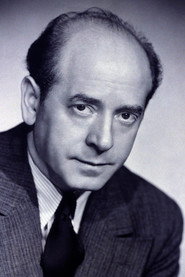 Eugene OrmandyEugene Ormandy
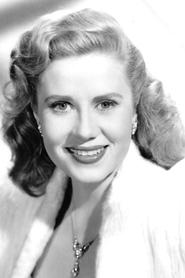 Jacqueline WhiteConnie
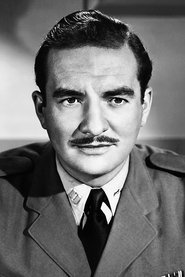 Donald CurtisGeorge
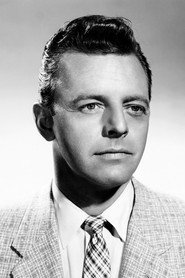 Walter ReedJimmy
- Jane JonesMamie
Directing
- Maxwell O. HenryAssistant Director
- John CromwellDirector
Writing
- DeWitt BodeenAdaptation
- Dick Irving HylandScreenplay
- Frank FentonScreenplay
- Dick Irving HylandStory
Production
- Jack J. GrossExecutive Producer
- Harriet ParsonsProducer
- John CromwellProducer