
Film
Street Angel
Other titles called Street Angel: the 1937 film.
A 1928 silent melodrama about a spirited street orphan who escapes poverty through a traveling carnival and finds love with a wandering artist. It's tender and visually graceful, with real emotion beneath the period conventions. For anyone discovering what silent cinema could do beyond slapstick—intimate, moving, utterly modern in feeling.
Should you watch it?
Watch it if you respond to old-fashioned melodrama played with big, unembarrassed feeling, and enjoy silent-era images doing the work that dialogue would do now.
Skip it if you need snappy dialogue and brisk plotting to stay hooked, since much of the storytelling runs on gesture and expressive faces rather than talk.
What it asks of you: A patient, unhurried watch at just over an hour and a half, with long stretches of wordless looking and sentiment that swells without apology.
Not sure? Find tonight's pick in a minute.
If you liked this
Sunrise: A Song of Two Humans1927
Murnau's masterpiece about temptation and redemption, shot with similar visual poetry and emotional depth. A husband and wife navigate betrayal and reconciliation in a ravishing, dreamlike city. Essential viewing.
But Also silent, also nearly a century old. If you're not yet comfortable with the pace and conventions of 1920s cinema, this won't change that.

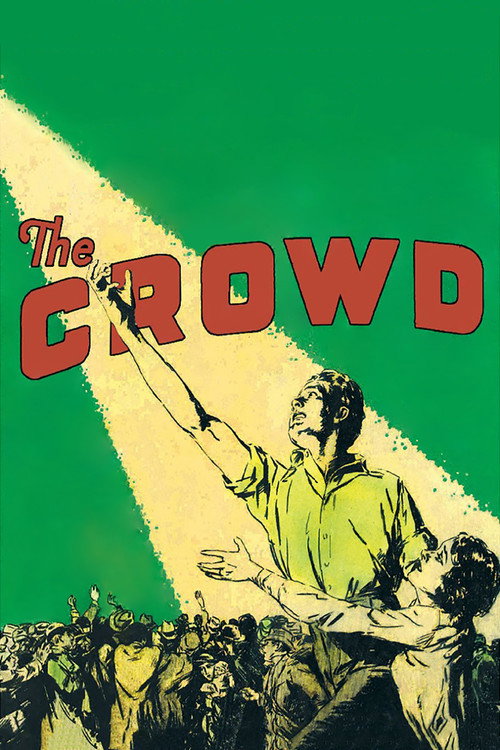
The Crowd1928
King Vidor's portrait of ordinary people struggling and persisting in the modern city. Deeply human, funny without mocking, tragic without sentimentality. Made the same year as Street Angel.
But It's bleaker. The carnival and romance here give way to relentless urban grinding and disappointment. Much harder to watch.
Pandora's Box1929
Pabst's sensual, intelligent film about a woman navigating desire, power, and survival in a corrupt society. Louise Brooks is hypnotic. Moral complexity wrapped in visual beauty.
But Darker and more sexualized than Street Angel. The ending is genuinely disturbing. Not a comfort film.

Not sure tonight? Get a pick in a minute, starting from Street Angel
The wildcard
Something you would not have found on your own.
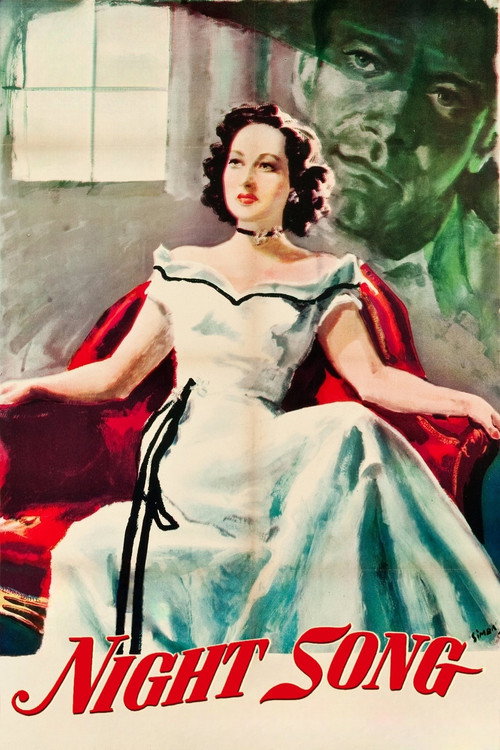
Night Song1948
Both pit romantic idealism and artistic beauty against the grinding reality of poverty and survival in the city. Both believe love and art can redeem circumstance.
A blind pianist and a street-hardened woman find each other and redemption. Same DNA as Street Angel—poverty, art, love as salvation—but transplanted to post-war New York and filmed in lustrous black and white. Utterly sincere.
But Melodrama written for 1940s audiences. The dialogue can feel overwrought. The emotional beats are broad and unironic, which modern taste sometimes mistakes for bad faith.
More like this (8)
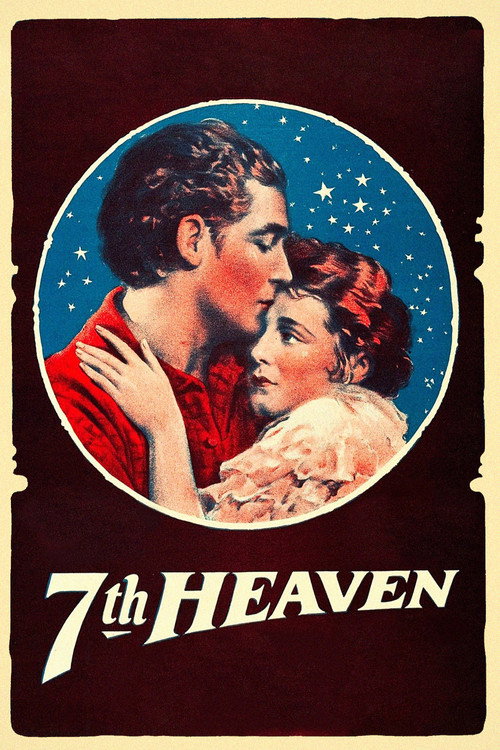
7th Heaven1927
Borzage again—a street waif finds love and dignity with a street sweeper during WWI Paris. Pure romantic sweep, gorgeously shot, full of grace. Peak silent melodrama done right.
But If you find the earnestness of 1920s romance unbearable, this will test you. It does not wink at itself.
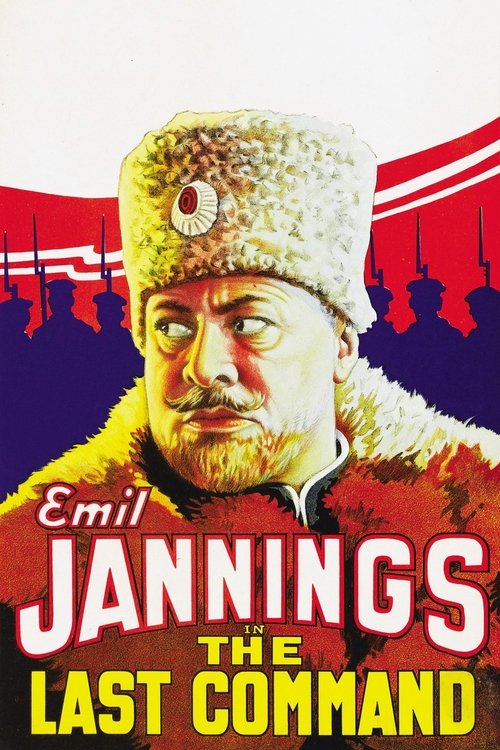
The Last Command1928
Sternberg's portrait of a Russian general reduced to poverty, now an extra in Hollywood. Gorgeous lighting, tragic dignity, the collision of old world and new. Stunning.
But Slower paced. The emotional payoff requires patience and willingness to sit with melancholy atmosphere.
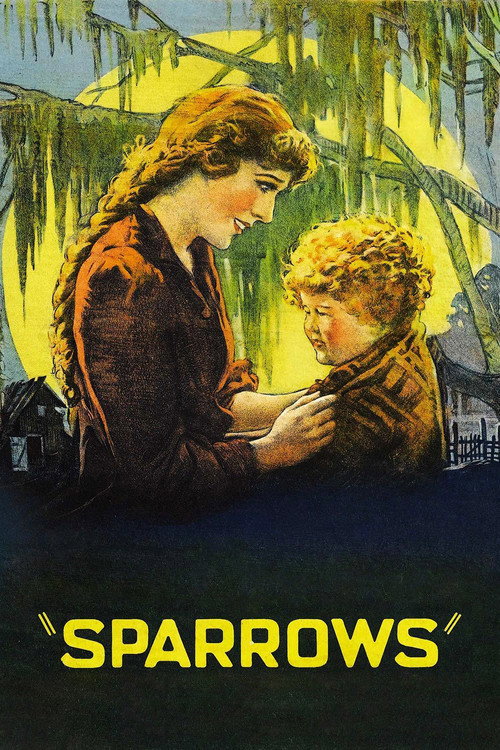
Sparrows1926
Mary Pickford as a girl protecting younger orphans in a brutal farm. Tender and fierce—street children with agency and courage. Incredibly moving swamp escape sequence.
But Can feel saccharine now. The orphan-child-in-peril setup has been mined to death since. You know the shape of the story.
The Phantom Carriage1921
Sjöström's mystical Swedish masterpiece about redemption and second chances. A man given one night to prove his life mattered. Visual innovation and genuine spirituality.
But More supernatural and stylized than Street Angel. Older (five years prior) and stranger in mood. Less romantic, more haunting.

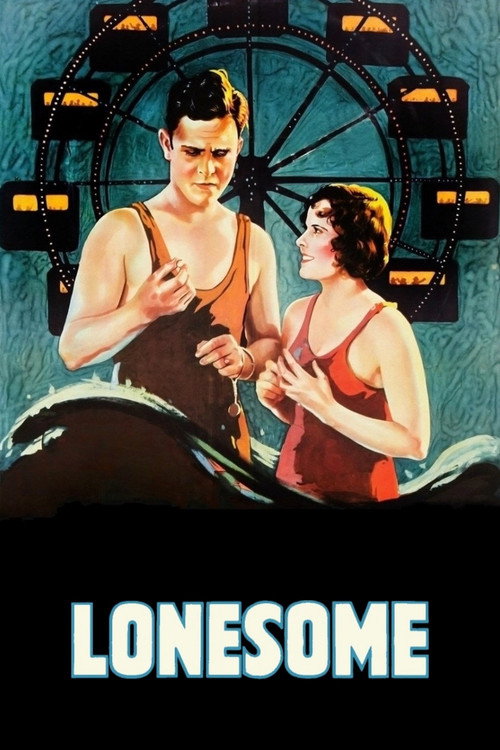
Lonesome1928
Fejos's luminous film about two lonely city dwellers finding each other at an amusement park. Shot partly in color, utterly alive. Joy and longing and connection captured perfectly.
But It's bittersweet rather than romantic. The happiness is qualified, suspended. If you want a clean happy ending, this complicates it.
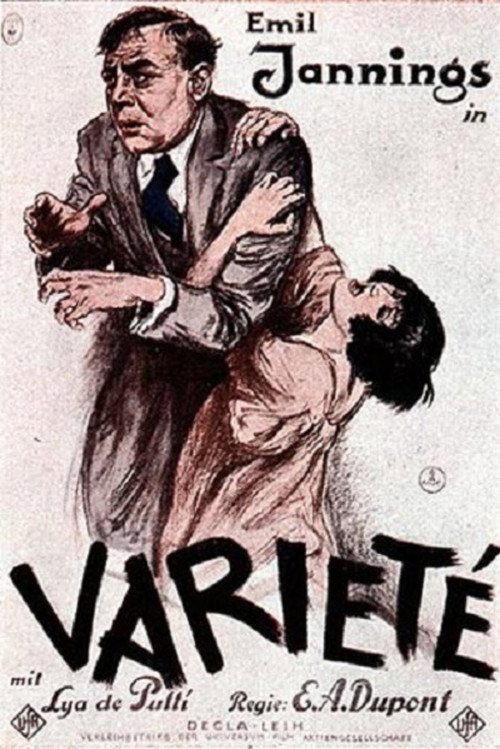
Variety1925
Dupont's dazzling circus film full of visual experimentation and genuine spectacle. A man torn between love and ambition in the world of trapeze artists. Real stakes and real beauty.
But More focused on technique and movement than character interiority. Can feel like spectacle for its own sake if you're not in the mood for pure cinema craft.
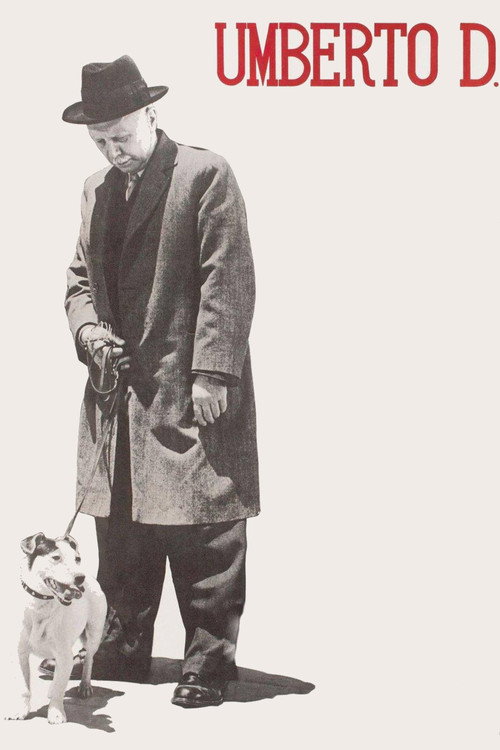
Umberto D.1952
Both are about the invisible poor in the city and the small human connections that keep them alive. Street Angel dreams its way out; this one faces it down without flinching.
De Sica's Italian neorealist masterpiece about an elderly pensioner and his dog navigating Rome's indifference. No melodrama, no artificial beauty—just the dignity of ordinary survival. Heartbreaking and unadorned.
But Unbearably slow and sad. No carnival, no romance, no escape. If you watch Street Angel for its sweetness, this film offers none.
Stalker1979
Both films are fundamentally about yearning—the human need to believe in transformation, in a place or person that can change everything. Both are visual meditations on that hunger.
Tarkovsky's philosophical science-fiction poem about a guide leading two men through a mysterious zone toward a room that grants wishes. Glacially slow, achingly beautiful, about desire and what we really want from life. Hypnotic.
But Forty minutes of walking through industrial landscape. No plot momentum. Demands you surrender to its rhythm or it will bore you to tears.

People
Cast
 Janet GaynorAngela
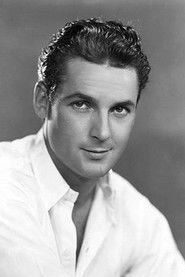 Charles FarrellGino
 Natalie KingstonLisetta
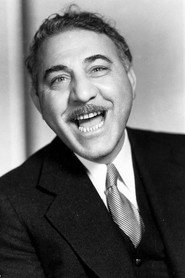 Henry ArmettaMascetto
- Guido TrentoNeri the Police Sergeant
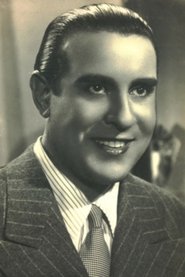 Alberto RabagliatiPoliceman
- Gino ContiPoliceman
- Louis LiggettBeppo
- Helena HermanAndrea
- Dave KashnerThe Strong Man
- Jennie BrunoLandlady
 Dick DickinsonBimbo
Directing
- Lew BorzageAssistant Director
- Ralph KaufmanAssistant Director
- Marion OrthContinuity
- Frank BorzageDirector
Writing
- Henry Roberts SymondsAdaptation
- Philip KleinAdaptation
- Monckton HoffeTheatre Play
Production
- William FoxProducer
Recommended by
Liliom, Lonesome, The Singing Fool, The Sport of Kings, The Docks of New York