
Film
Street Angel
Other titles called Street Angel: the 1928 film.
A 1937 Shanghai masterpiece that moves between comedy and heartbreak with astonishing grace. Two sisters—one a sex worker, one a singer—navigate poverty, exploitation and kindness with humor and resilience. Shot in luminous black-and-white, it's funny and tender without ever becoming sentimental. For anyone who loves cinema that trusts the audience to feel multiple things at once.
If you liked this
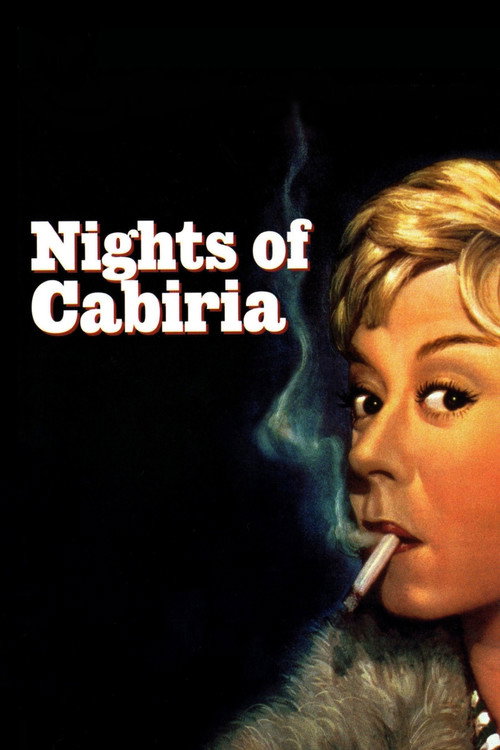
Nights of Cabiria1957
Fellini's portrait of a sex worker in Rome, searching for love and dignity among cruelty and indifference. Like Street Angel, it's deeply humanizing—funny, sad, never patronizing—and visually ravishing in ways that matter to the story.
But It's slow by modern standards, and ends in a place that asks a lot of the viewer emotionally. Some find Fellini's romanticism of poverty uncomfortable.
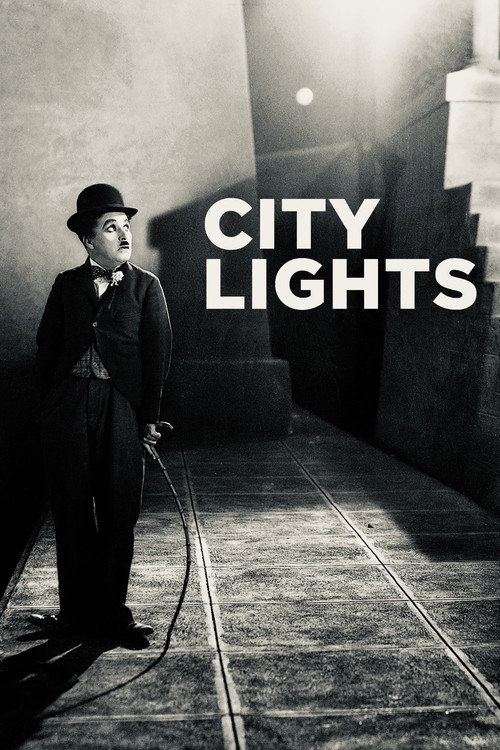
City Lights1931
Chaplin's tramp falls for a blind flower girl in Depression-era streets. It has Street Angel's same alchemy: making poverty and small moments of human connection both hilarious and genuinely moving, without descending into maudlin territory.
But Silent film with a score. If you're not patient with physical comedy and pantomime, it will feel very slow indeed.
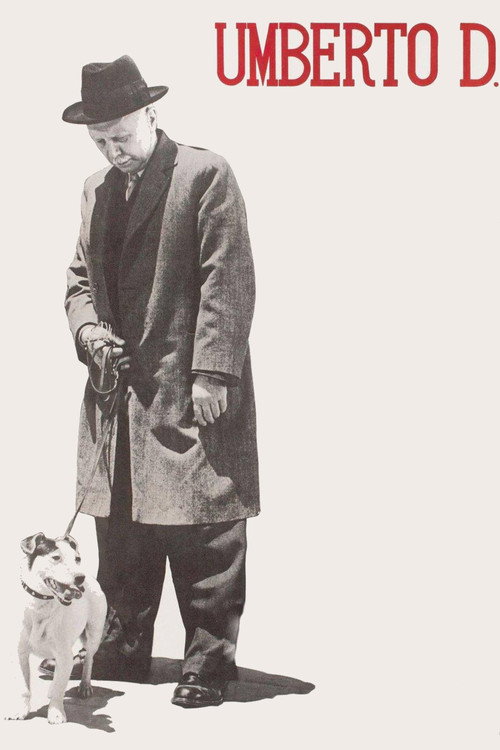
Umberto D.1952
De Sica's neorealist masterpiece about an old man and his dog facing homelessness in postwar Rome. Like Street Angel, it finds moments of grace and even humor in economic desperation, and trusts you to understand the tragedy without spelling it out.
But There's no narrative catharsis. It ends the way real life often does, which is exactly why it matters—but it's not comforting.
Not sure tonight? Get a pick in a minute, starting from Street Angel
The wildcard
Something you would not have found on your own.
Come and See1985
Both films understand that comedy and tragedy aren't opposites—they're the same response to impossible circumstances. Both trust the image to carry meaning without explaining it.
Elem Klimov's Soviet masterpiece follows a boy conscripted into WWII. It shares Street Angel's devastating refusal to simplify—its willingness to show both the absurdity and the absolute horror of survival in extremity, often in the same moment. Unforgettable and almost unbearable.
But This is not entertainment. It's a document of trauma so vividly rendered that watching it feels like an act of witness. Some find that necessary; others find it unwatchable. Fair on both counts.

More like this (8)
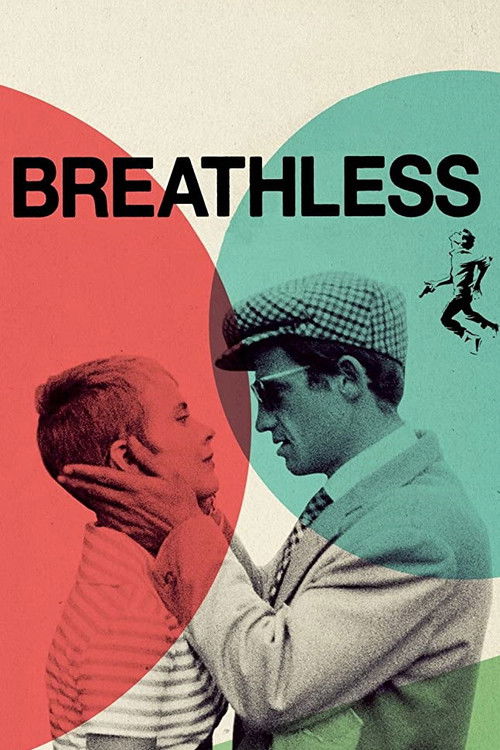
Breathless1960
Godard's Paris noir follows a petty criminal and a young woman through the city streets. It shares Street Angel's intimate portrait of people living by their wits, and its jazzy, playful tone despite the stakes involved.
But The jump cuts and self-conscious filmmaking style feel mannered now. It's about cinema as much as it's about the characters, which can feel distancing.
In the Mood for Love2000
Wong Kar-wai's Hong Kong romance—two neighbors in a cramped apartment building discover their spouses are having an affair. Visually it's intoxicating, and like Street Angel, it finds beauty and melancholy in confined urban spaces and thwarted connection.
But It's deliberately paced and oblique. If you want plot momentum or emotional clarity, this film withholds both. Some experience that as gorgeous; others as precious.

Pather Panchali1955
Satyajit Ray's debut about a poor Bengali family contains the same poetic realism as Street Angel—extracting profound humanity and occasional joy from economic hardship, with a visual sensitivity to everyday life that transforms the ordinary.
But At over two hours, it requires patience. The story is minimal; if you're looking for plot incident rather than mood and observation, you'll find it slow.

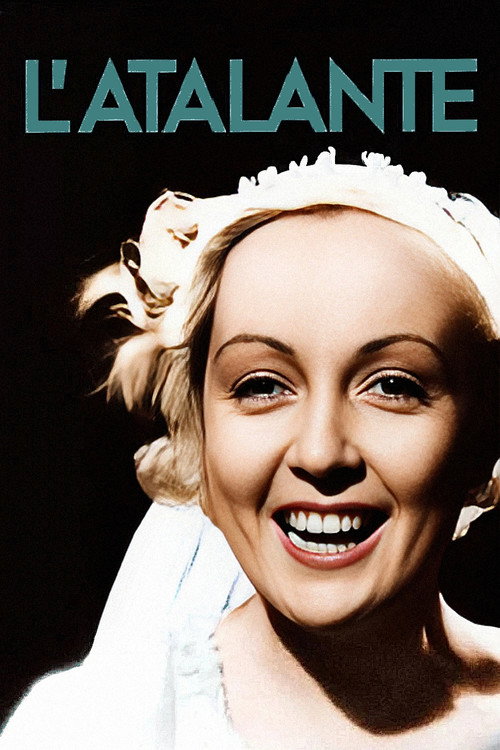
L'Atalante1934
Vigo's honeymoon barge tragedy is a touchstone of humanist cinema. It shares Street Angel's balance of tenderness and social realism, its investment in working-class lives, and its ability to be both whimsical and heartbreaking in the same scene.
But The print quality varies depending on where you find it. More importantly, the ending asks you to accept a philosophy about love and acceptance that not everyone finds consoling.
Tokyo Story1953
Ozu's spare, luminous film about elderly parents visiting their son in postwar Tokyo has Street Angel's quiet wisdom about how people live together, endure loss, and find small moments of connection amid routine and disappointment.
But There is almost no plot. It's a film about the texture of daily life, which is its point—but if you need narrative propulsion, you will find it glacially boring.

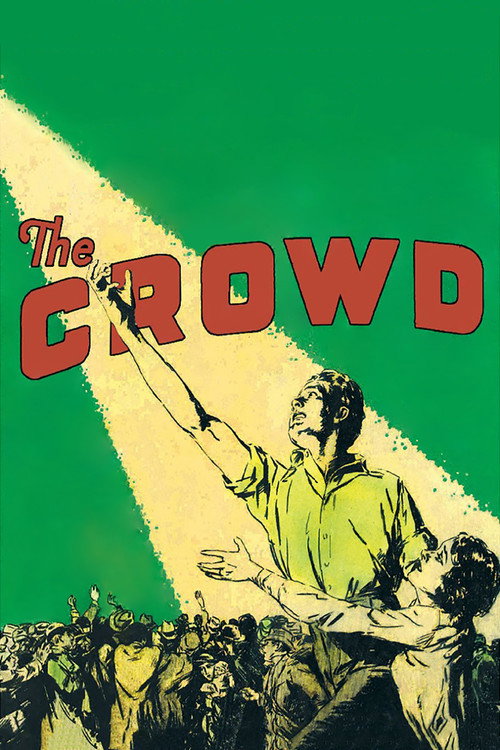
The Crowd1928
Vidor's silent masterpiece about an ordinary man crushed by city life and circumstance. It has Street Angel's unflinching look at how financial desperation reshapes relationships and character, shot with astonishing visual clarity about urban loneliness.
But It's quite bleak. There's comedy, but the trajectory is remorseless. If you want uplift, this will feel like watching something get systematically dismantled.
A Prophet2009
Both are about people using charm, humor and quick thinking to survive systems designed to destroy them—but both understand the cost of that survival.
Jacques Audiard's prison drama follows a young man's rise through calculated survival and reinvention. Like Street Angel, it's intimate portraiture of someone navigating a corrupt system with intelligence and charm, staying human despite pressure to become a thing or a tool.
But It's violent and morally grey. There's no character to root for in a simple way. If you need heroes, this won't provide them.

The Third Man1949
Both are about loyalty and survival in cities that don't care about individuals—both shot in black-and-white that makes poverty and connection visually inseparable.
Carol Reed's Vienna noir is a master class in visual storytelling and moral ambiguity. Like Street Angel, it's set in a fractured postwar city where everyone is trying to survive, and it shoots those streets—and the people navigating them—as if they contain all the meaning in the world.
But The famous zither score is intrusive to modern ears. The political context may feel remote. It's a film about atmosphere and betrayal rather than action.

People
Cast
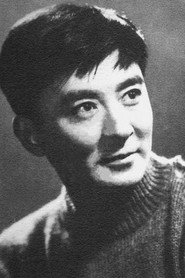 Zhao DanXiao Chen
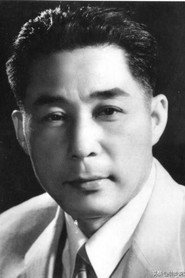 Wei HelingLao Wang
 Xuan ZhouXiao Hong
 Jiting WangQin Player
- Feng Zhi-ChengGangster
- Chen Yi-TingHenchman
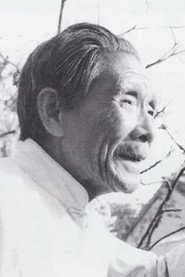 Qianli QianBarbershop Worker
- Tang Chao-FuBarbershop Owner
- Shen JunYoung Peddler
- Qiu Yuan-YuanUnemployed Person
- Yuan Mei-ShaoYoung Widow
- Zhao Hui-ShenXiao Yun
Directing
- Muzhi YuanDirector
Writing
- Muzhi YuanWriter