
Film
Sparrows
- Drama
- Very dark
A silent film about an orphan girl protecting children from a brutal swamp farm. Directed by William Beaudine, it's a strange hybrid: genuinely dark about exploitation and suffering, but told with Mary Pickford's star power and the emotional directness of 1920s melodrama. For anyone curious about what silent cinema could do with real stakes and real cruelty.
Should you watch it?
Watch it if you love silent cinema's gestures and close-ups, and want a fierce, tender adventure where one bold character carries an entire rescue on her shoulders.
Skip it if you need dialogue and a brisk pace, since its intertitles and slow, heavy-hearted stretches of cruelty toward children may feel like a long, grim wait.
What it asks of you: Roughly ninety-four minutes of silent storytelling, so you'll read title cards and watch faces closely, with a mood that stays mostly bleak and anxious rather than light.
Not sure? Find tonight's pick in a minute.
If you liked this
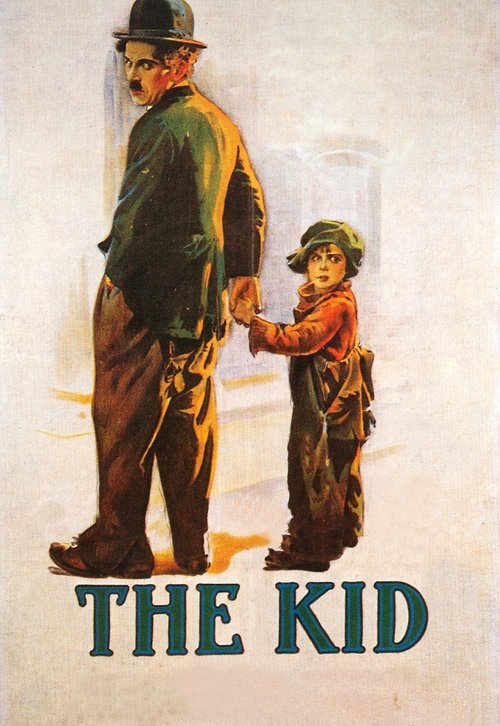
The Kid1921
Chaplin's tramp raises an abandoned child in poverty. It finds comedy and tenderness in desperation without ever losing sight of how hard life actually is. A masterpiece about makeshift family.
But The pacing is glacial by modern standards, and some of the humour lands softly or not at all if you're not attuned to silent acting.
Intolerance: Love's Struggle Throughout the Ages1916
D.W. Griffith's four-part epic about cruelty across centuries. Vast in scale and ambition, it shows what the silent format could contain. Visually astonishing and morally urgent in ways that still feel radical.
But At nearly four hours with four separate narratives, it demands patience and active attention. The technique overwhelms story sometimes.

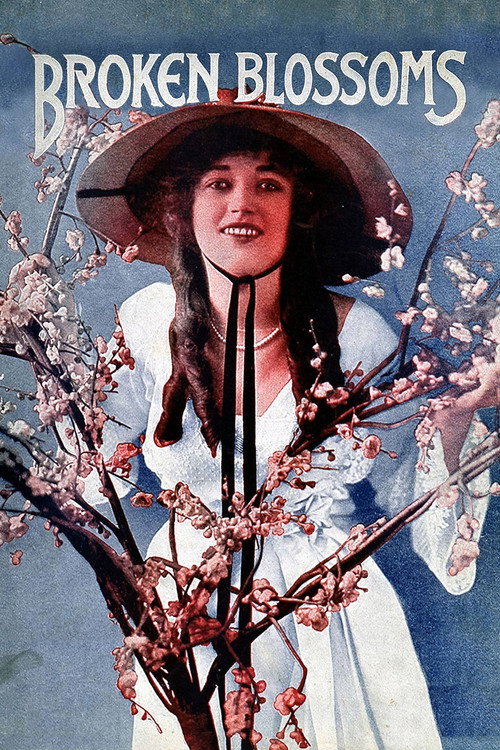
Broken Blossoms or The Yellow Man and the Girl1919
Another Griffith film: a Chinese man loves an abused English girl with impossible gentleness. Shot with heartbreaking beauty and restraint. It's about how small kindness answers brutality, which is Sparrows' core too.
But The racial framing is of its era and uncomfortable. The pace is meditative to a degree that modern viewers find testing.
Not sure tonight? Get a pick in a minute, starting from Sparrows
The wildcard
Something you would not have found on your own.
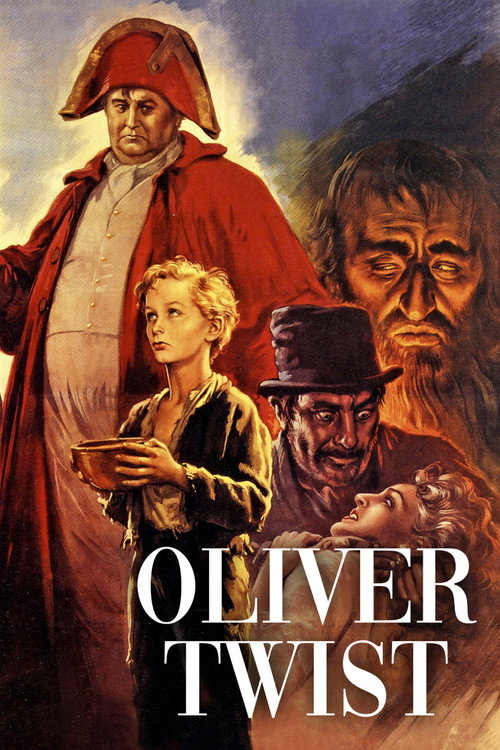
Oliver Twist1948
Both are about children trapped in systems of exploitation, and both refuse to sentimentalise that suffering. Each uses its own era's filmmaking to make cruelty visible.
David Lean's adaptation of Dickens' orphan-abuse novel. It's a British period film, so surface-respectable, but unflinching about child labour and cruelty. Same moral centre as Sparrows but in a completely different medium and era.
But It's slow and dialogue-heavy. The orphanage sequences are genuinely distressing, which some find difficult rather than cathartic.
More like this (8)
Sunrise: A Song of Two Humans1927
F.W. Murnau's triumph about a man tempted to murder his wife. Shot with expressionist brilliance, it uses the entire grammar of silent cinema—sets, light, movement—to show internal collapse and redemption.
But It's more formally experimental than dramatically gripping. The melodrama is real but secondary to the visual idea.

The Phantom Carriage1921
A Swedish ghost story about a cruel man visited on New Year's Eve by the spectre of his sins. Visually inventive and genuinely unsettling. It proves silent horror can be as effective as any modern version.
But The gender politics are period-specific and jarring. It's slow, and the supernatural elements might read as quaint rather than eerie.

Nosferatu1922
German Expressionism at its peak: a vampire film that uses shadow, distortion, and genuine dread. It's the DNA of every horror film after. Utterly hypnotic.
But The plot is simple and repetitive. If you need action or dialogue-driven drama, this will feel like watching a nightmare in slow motion.

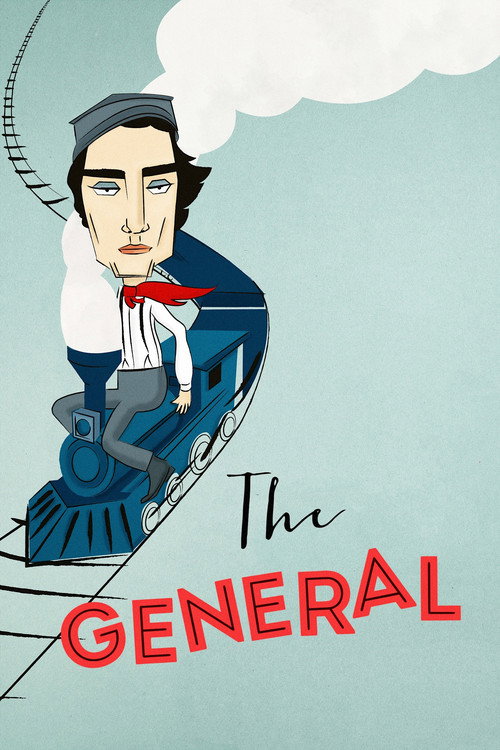
The General1926
Buster Keaton's perfectly timed masterpiece: a man pursues a stolen train across the Civil War. Every frame is engineered for physical comedy and real danger, all in a single take. You cannot look away.
But It's nearly all action with minimal emotional stakes. The humour is deadpan and might feel cold if you prefer warmth in your entertainment.
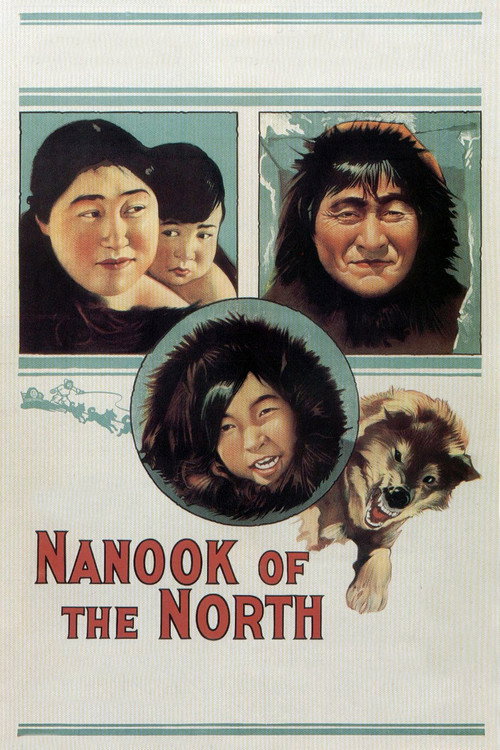
Nanook of the North1922
Robert Flaherty's documentary-drama hybrid about an Inuit hunter and his family. It's ethnographic cinema at its most intimate, watching people survive through skill and cooperation. Genuinely moving.
But It stages reality rather than capturing it, which bothers some purists. The anthropological gaze is dated and sometimes patronising.
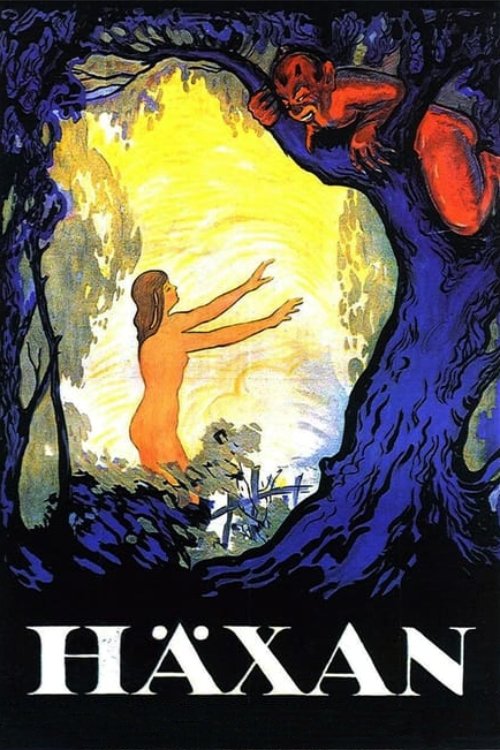
Häxan1922
A Swedish film about witchcraft and hysteria, mixing documentary, dramatisation, and hallucinogenic visuals. It's weird, bold, and ahead of its time. Nothing quite like it exists.
But It's structurally chaotic and deeply strange. The sexual imagery and violence feel gratuitous if you're not prepared for experimental 1920s surrealism.
Stalker1979
Both films believe in the power of visual storytelling over narrative exposition. Both ask: what do we owe the innocent? How do we survive in worlds designed to break us?
Tarkovsky's Russian science-fiction meditation on desire and faith. A guide leads two men through a mysterious zone toward a wish-granting room. Glacially paced, hypnotic, about waiting and hope in darkness. Utterly singular.
But If you watch it expecting plot, you will be miserable. It's 160 minutes of landscape, silence, and metaphysics. Requires surrender, not engagement.

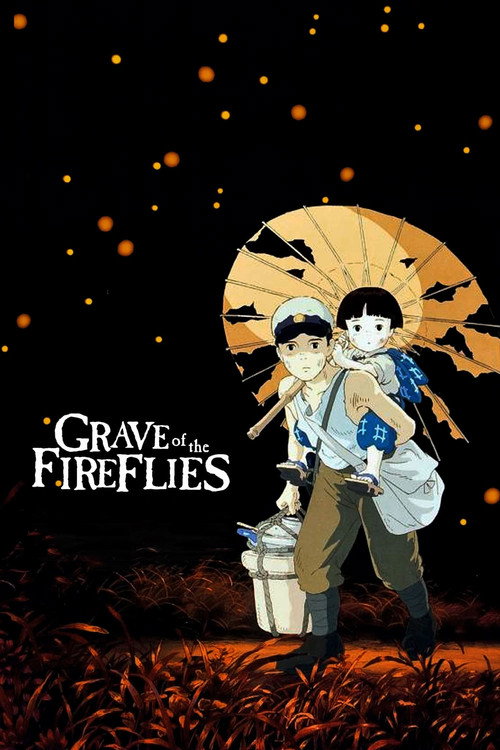
Grave of the Fireflies1988
Like Sparrows, it's a film about children protecting each other from a hostile world, without sentimentality or rescue. Both use their medium's particular powers to make vulnerability visible and moving.
Isao Takahata's animated film about two orphaned children in wartime Japan. It's unbearably beautiful and devastating. Animation allows it to show tenderness and cruelty simultaneously without flinching. Masterpiece.
But It's profoundly sad and offers no catharsis. Watching children slowly starve is the entire point. Not entertainment. Some find animation makes suffering feel less 'real.'
People
Cast
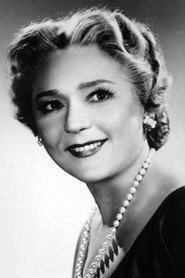 Mary PickfordMolly
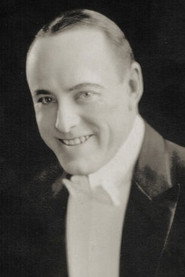 Roy StewartDennis Wayne
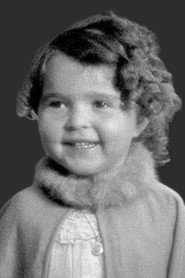 Mary Louise MillerDoris Wayne (The Baby)
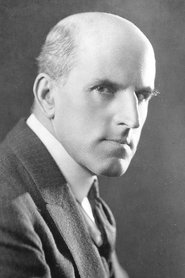 Gustav von SeyffertitzMr. Grimes
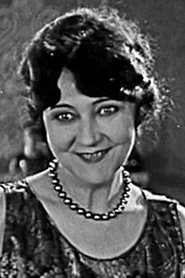 Charlotte MineauMrs. Grimes
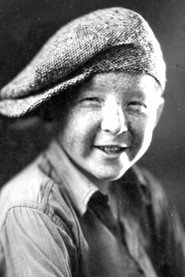 Spec O'DonnellAmbrose
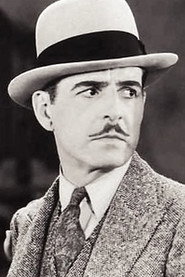 Lloyd WhitlockBailey
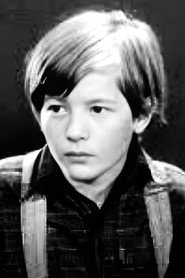 Billy ButtsOne of the Children
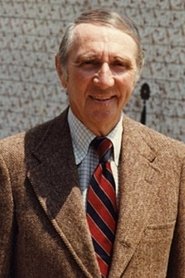 Monty O'GradySplutters (One of the Children)
- Jackie LevineOne of the Children
- Billy 'Red' JonesOne of the Children
- Muriel McCormacOne of the Children
Directing
- William BeaudineDirector
- Tom McNamaraSecond Unit Director
Writing
- C. Gardner SullivanAdaptation
- Winifred DunnStory
Production
- Mary PickfordProducer
Recommended by
Stella Maris, Street Angel, A Woman of Paris: A Drama of Fate, The Sport of Kings, The Love of Sunya, Geet Gaata Chal, My Best Girl