
Film
Stella Maris
Mary Pickford plays dual roles in this 1918 melodrama: a sheltered, disabled heiress and a scrappy orphan, whose lives collide around the same man. It's a vehicle built entirely for Pickford's charm and range, unfolding with the emotional directness of silent cinema at its most sincere. For anyone curious about how movies worked a century ago, or drawn to old-fashioned romantic complications.
If you liked this
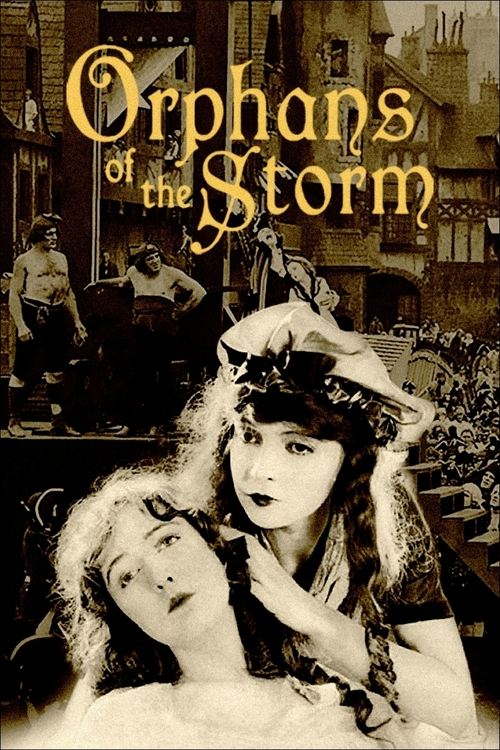
Orphans of the Storm1921
Lillian and Dorothy Gish as sisters separated by the French Revolution, reunited through Victorian melodrama logic. It's sweeping, emotionally uninhibited, and showcases two of silent cinema's greatest faces in perfect harmony.
But Nearly three hours long, and the plot turns on coincidences that strain credibility even by silent-era standards.
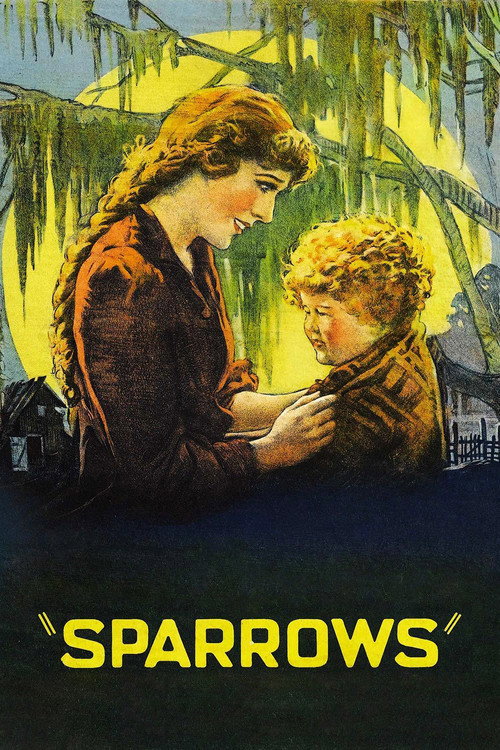
Sparrows1926
Mary Pickford again, as the eldest of orphaned children escaping a baby farm. Tender, funny, thrilling—it shows her range beyond victimhood and proves she could carry an ensemble as easily as she could carry a film alone.
But The pacing is slow by modern standards, and the orphanage sequences are genuinely bleak before the tone shifts.
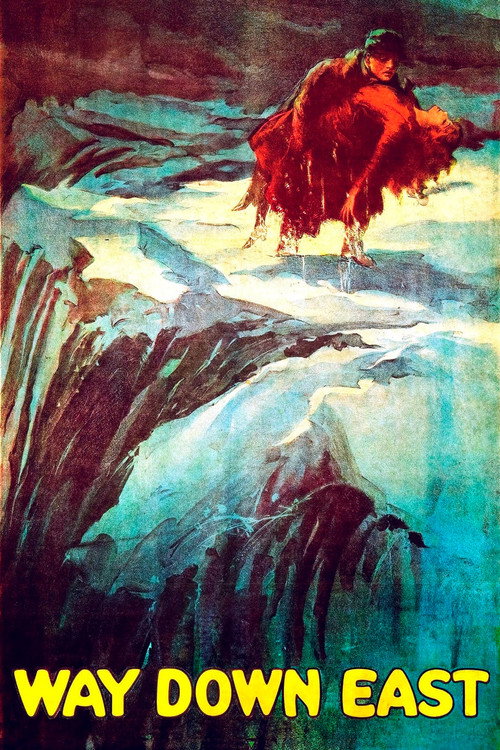
Way Down East1920
Lillian Gish in D.W. Griffith's ultimate tear-jerker: seduction, shame, snowstorms, and a climax involving an actual frozen river. It's grand emotion without irony, the kind of thing that either transcends you or makes you laugh.
But The social attitudes about women and illegitimacy are of their time, and some find the sentimentality exhausting rather than moving.
Not sure tonight? Get a pick in a minute, starting from Stella Maris
The wildcard
Something you would not have found on your own.
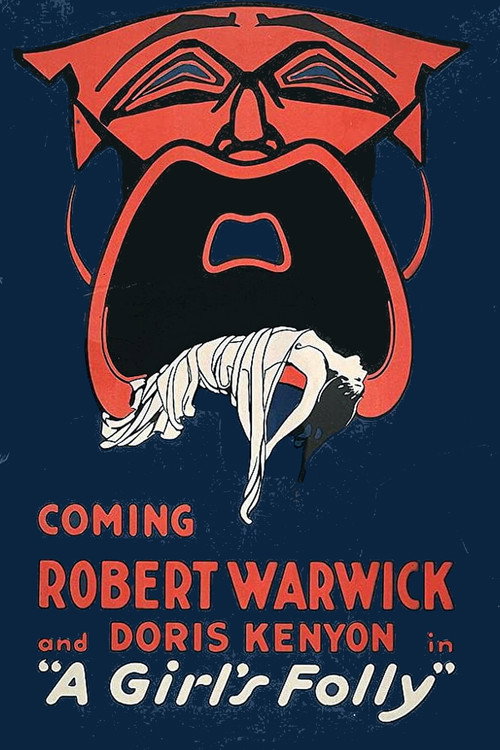
A Girl's Folly1917
Both star Pickford at the height of her powers, but Folly treats her persona with skepticism where Stella Maris celebrates it—seeing her play someone who rejects the kind of purity Stella Maris embodies.
Pickford in a different register: a small-town girl lured to Hollywood, disillusioned, and redeemed by honesty. It's a meta-commentary on stardom and ambition from inside the machinery, and far more cynical than Stella Maris.
But The tone is uneven—it tries comedy, melodrama, and social critique without fully committing to any. It feels more like a curio than a fully realized work.
More like this (8)
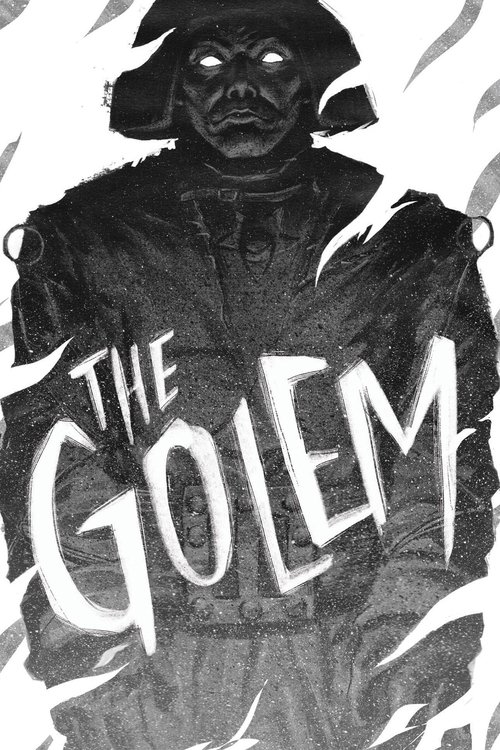
The Golem: How He Came into the World1920
A German Expressionist masterpiece about a clay creature brought to life in Prague's Jewish ghetto. Visually haunting, morally complex, and genuinely strange—proof that silent cinema could be both artistic and unsettling.
But The imagery is deliberately artificial and distorted; if you want naturalism, this isn't it. The frame rate takes adjustment.
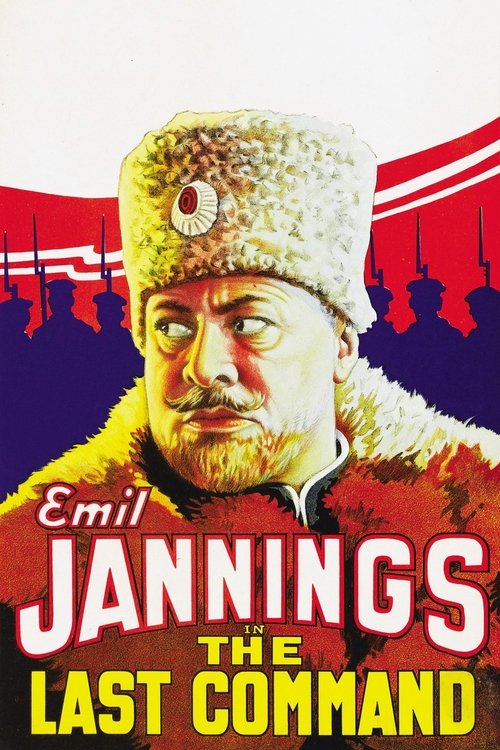
The Last Command1928
Emil Jannings as a Tsarist general reduced to extras work in Hollywood, glimpsing his old world in a film set. Melancholy, smart, and structured like a tragedy: it's silent melodrama with a brain.
But The irony of the setup is more interesting than the execution, and the resolution feels somewhat thin.
The Phantom Carriage1921
Swedish existential ghost story where a man must relive his cruelty on New Year's Eve. Supernatural, moral, and genuinely haunting—it influenced every ghost story that came after, and deserves to be seen on its own terms.
But It's deliberately slow and meditative; modern viewers often find it draggy. The print quality varies wildly depending on where you watch it.

Sunrise: A Song of Two Humans1927
F.W. Murnau's masterpiece: a married man tempted to drown his wife, then reconciliation in the city. It's visually inventive, emotionally mature, and moves like a poem. One of the greatest films ever made.
But The domestic-drama premise feels thin if you're not moved by the visual storytelling, and the pacing is deliberate.

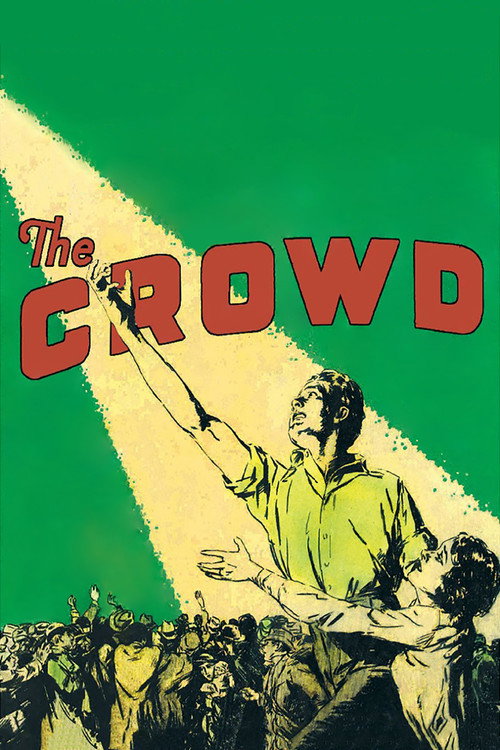
The Crowd1928
King Vidor's portrait of an ordinary man's ordinary life, shot with such tenderness and wit that ordinariness becomes profound. It's funny and sad and true in ways that feel decades ahead of its time.
But Nothing much happens—it's about the weight of small disappointments. If you need plot momentum, it won't deliver.
Intolerance: Love's Struggle Throughout the Ages1916
D.W. Griffith's monumental four-era epic intercuts Babylon, Renaissance France, 1910s America, and the Crucifixion. Visually stunning, narratively bold, and genuinely ambitious in a way few films attempt.
But It's nearly four hours, the editing logic takes real effort to follow, and some of Griffith's ideas are genuinely repugnant.

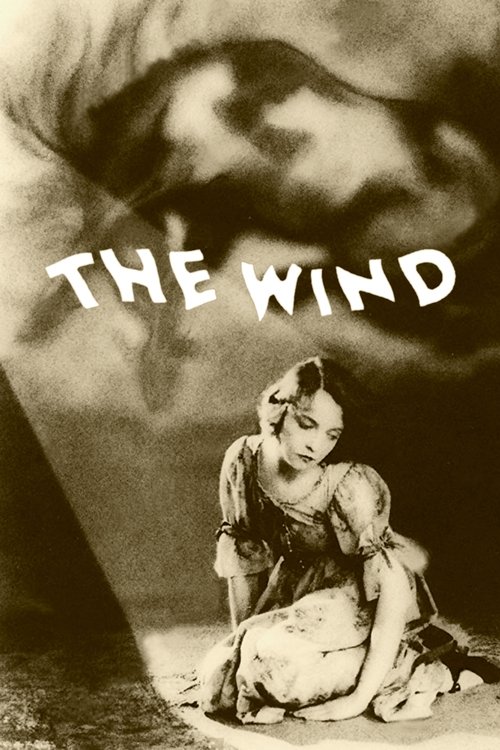
The Wind1928
Both explore extreme vulnerability in young women, but Wind strips away the shelter and class cushion that Stella Maris enjoys, showing the other side of her coin—the woman with no protectors.
Lillian Gish on the American frontier, driven mad by isolation, wind, and circumstance. It's psychological realism dressed as melodrama—bleak, visually stunning, and genuinely unsettling in a way that feels modern.
But The ending is cruel and offers no comfort. If you come to silent melodrama expecting emotional resolution, this one refuses it.
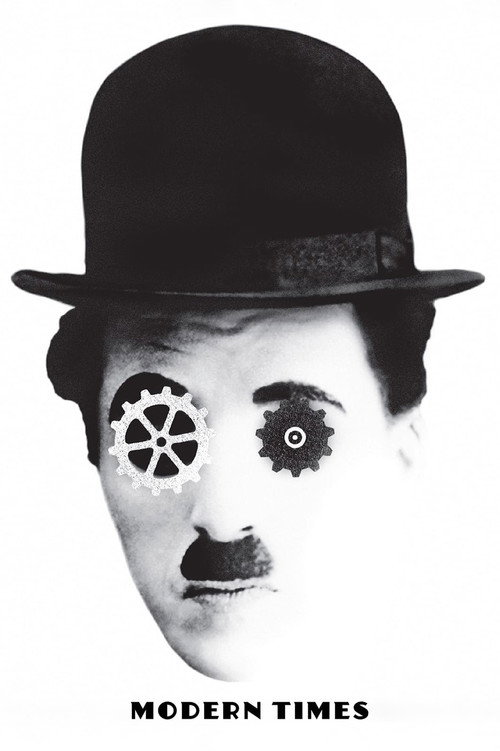
Modern Times1936
Both use dual roles and class contrast to explore how the world treats the vulnerable, but where Stella Maris is earnest and romantic, Modern Times is political and hardened—the same emotional furniture, entirely different house.
Chaplin's last silent film, a comedy-tragedy about a factory worker and his gamin sweetheart in the Depression. It's funnier than any silent melodrama has the right to be, yet never stops being about real suffering and dignity.
But It's a talkie-era film, so the tonal shifts can feel jarring. The pathos-comedy balance won't work for everyone, and the politics are explicit.
People
Cast
 Mary PickfordMiss Stella Maris / Unity Blake
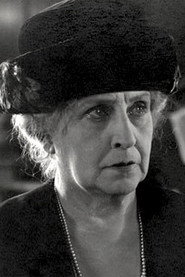 Ida WatermanLady Eleanor Blount - aka Aunt Julia
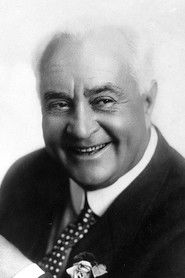 Herbert StandingSir Oliver Blount
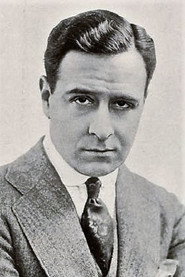 Conway TearleJohn Risca - also spelled John Riska
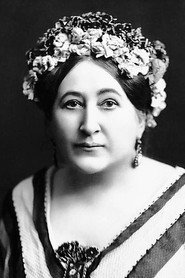 Josephine CrowellAunt Gladys Linden
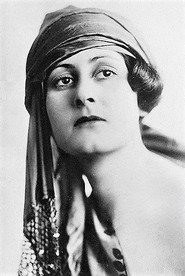 Marcia ManonLouisa Risca - also spelled Louise Riska
- Lou ConleyThe Nurse (uncredited)
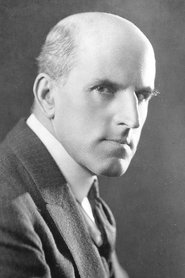 Gustav von SeyffertitzThe Surgeon (uncredited)
Directing
- Nat G. DeverichAssistant Director
- Marshall NeilanDirector
Writing
- William J. LockeNovel
- Frances MarionWriter