
Film
The Last Command
A 1928 silent film about a deposed Russian general reduced to extra work in Hollywood, where he encounters a film director from his revolutionary past. It's a meditation on displacement, dignity, and the strange mercy of forgetting, shot with the visual precision of silent cinema's golden age. For anyone curious about how early Hollywood processed trauma and exile.
Should you watch it?
Watch it if you love silent-era films where a big performance carries the whole picture, and you enjoy stories about pride and reinvention told with a sly eye on how Hollywood manufactures its own myths.
Skip it if you need brisk pacing or modern dialogue, since this is a silent film with title cards and a deliberate, theatrical rhythm that can feel stately to anyone raised on faster cutting.
What it asks of you: About ninety minutes of patient attention, with the silence doing real work; it rewards you for watching faces closely rather than following a plot at speed.
Not sure? Find tonight's pick in a minute.
If you liked this
Sunrise: A Song of Two Humans1927
Murnau's masterpiece about moral collapse and redemption, told through pure cinematic language. A husband tempted to murder his wife becomes a study in guilt and grace. If you loved how The Last Command uses space and gesture to convey inner life, this is essential.
But It's entirely silent and moves at 1920s pacing. The melodrama is real, and a modern viewer has to meet it halfway.

Nosferatu1922
German Expressionism at its most hypnotic—a vampire film where dread lives in shadows and architecture. Like The Last Command, it transforms displacement and haunting into visual poetry. Pabst's influence runs through both.
But The pacing is glacial by modern standards, and the theatrical acting takes adjustment. It's genuinely eerie but never fast.

The Phantom Carriage1921
A Swedish ghost story about redemption and regret, where the past literally comes calling. Uses silence and composition to devastating effect. The melancholy and moral reckoning will feel familiar if The Last Command moved you.
But At nearly two hours and entirely silent, it demands patience. The ending is sentimental by design, which won't suit everyone.

Not sure tonight? Get a pick in a minute, starting from The Last Command
The wildcard
Something you would not have found on your own.
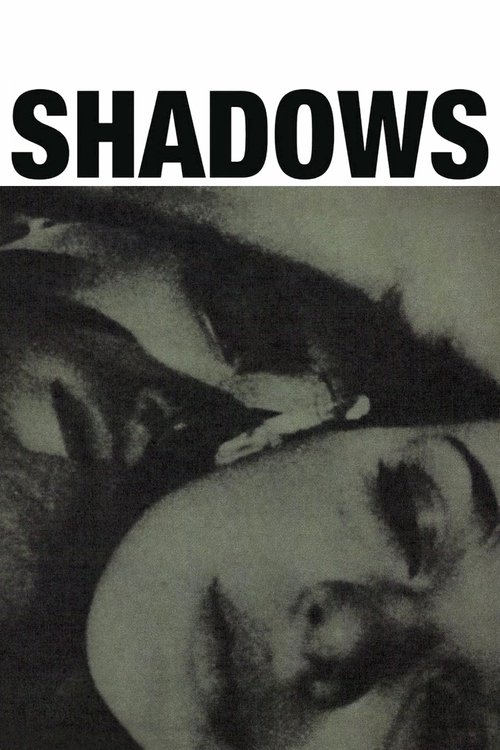
Shadows1960
Both films are about people dispossessed—by revolution, by race, by circumstance—navigating a world that has moved on. Both use the city as a character. Both are formally experimental in ways that serve the story's emotional truth.
Cassavetes' improvisational drama about three Black siblings in New York. Shot in grainy 16mm on a shoestring, it's anarchic and alive—the opposite of silent cinema's formal perfection. But it shares The Last Command's obsession with dignity, displacement, and how you survive in a city that doesn't want you.
But The acting is deliberately raw and the plot meanders. If you want narrative clarity or polish, this will frustrate you.
More like this (7)
Battleship Potemkin1925
Eisenstein's revolutionary montage masterpiece uses Russian history as its spine. A direct artistic cousin to The Last Command—both films are about Russia, trauma, and cinema's power to reshape memory.
But It's agitprop, and the politics are not subtle. The editing can feel didactic if you're not in the mood for formal experimentation.

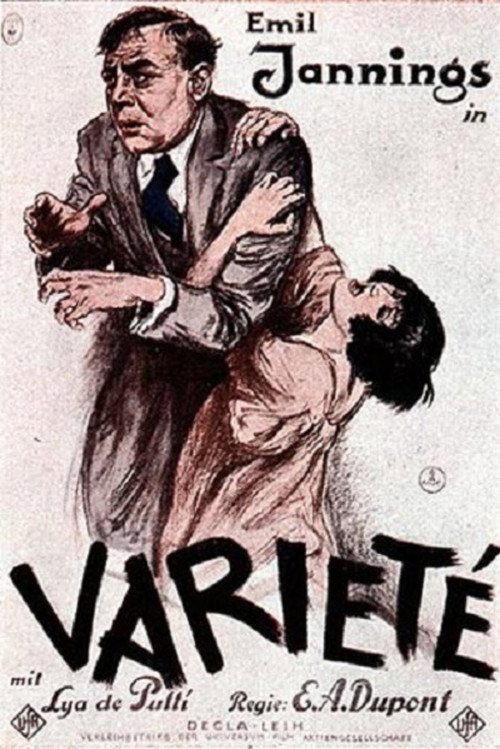
Variety1925
Dupont's film about circus performers and betrayal uses dizzying camera work and psychological depth. Like The Last Command, it's about performance, jealousy, and people caught between worlds.
But The plot spirals into melodrama, and some of the emotional beats feel overwrought by modern taste.
Pandora's Box1929
Pabst again, this time following a woman through moral decline. The film has The Last Command's unflinching eye for how circumstances strip away pretense and dignity.
But It's sexually frank for its era and the tragedy is unrelenting. Not a film that offers comfort.

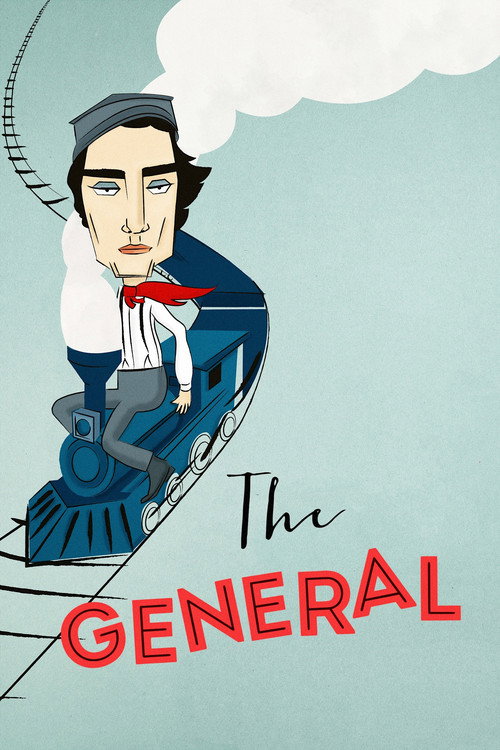
The General1926
Buster Keaton's Civil War comedy is a masterclass in visual storytelling without words. The precision of silent cinema shines here, and the emotional undertone—a man loyal to a lost cause—echoes The Last Command's themes.
But It's a comedy, and the humour is physical rather than verbal. If you don't respond to Keaton's style, the film won't land.
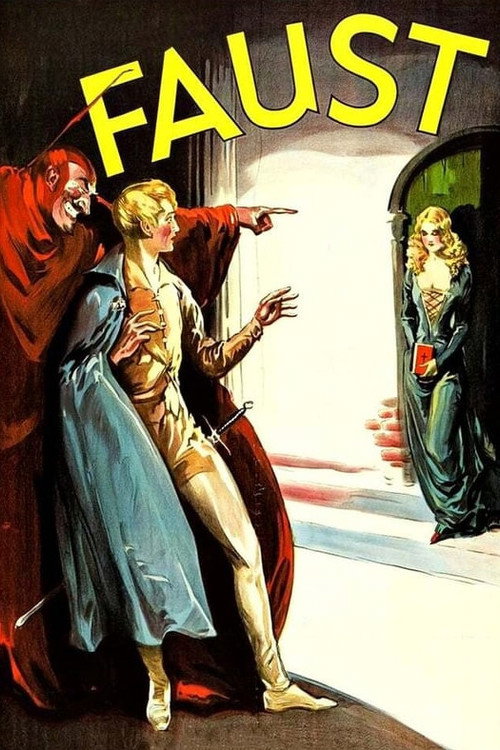
Faust1926
Murnau's German Expressionist take on the legend. Visually sumptuous and morally serious, it shares The Last Command's interest in how power and circumstance corrupt the soul.
But It's long, dense, and the theological framework may feel distant. The Expressionist style can read as overwrought.
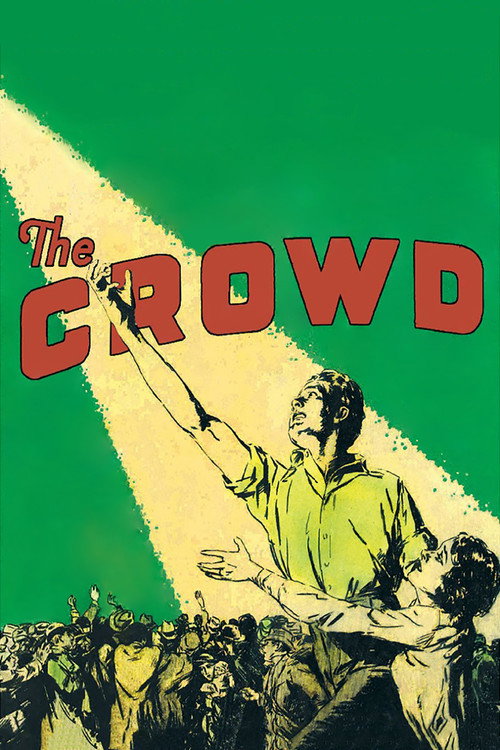
The Crowd1928
Vidor's portrait of an ordinary man ground down by urban indifference. The spiritual kinship with The Last Command lies in both films' quiet rage at how systems reduce people to nothing.
But There is no catharsis here. The film watches a life flatten into resignation, which can feel grim and purposeless.
A Page of Madness1926
Like The Last Command, it's a silent film about a man degraded by circumstance, using visual language to convey what cannot be spoken. Both films trust the audience to read emotion in gesture, shadow, and composition. Both are about love beneath humiliation.
A Japanese silent film about a man working as a janitor in an asylum to be near his institutionalized wife. Surreal, poetic, visually inventive in ways that make most Hollywood silents look conventional. The intimacy and strangeness will haunt you.
But The narrative is deliberately fragmented and dreamlike. If you need linear plot, you'll be lost. Some viewers find it impenetrable.

People
Cast
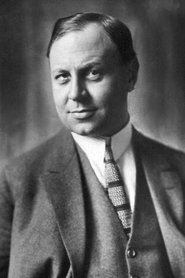 Emil JanningsGen. Dolgorucki / Grand Duke Sergius Alexander
 Evelyn BrentNatalie Dabrova
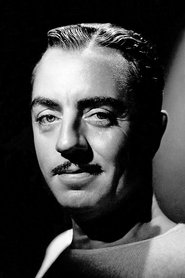 William PowellLev Andreyev
- Jack RaymondAssistant director
- Nicholas SoussaninThe adjutant
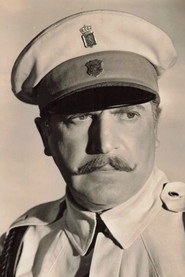 Michael VisaroffSerge (the valet)
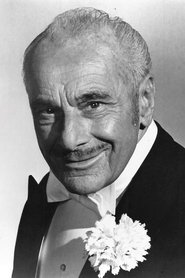 Fritz FeldA revolutionist
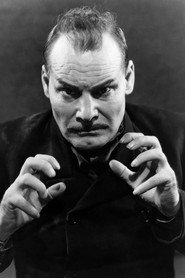 Harry CordingRevolutionist (uncredited)
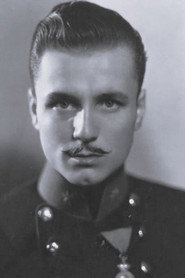 Shep HoughtonRussian Youth (uncredited)
- Alexander IkonnikovDrillmaster (uncredited)
- Nicholas KoblianskyDrillmaster (uncredited)
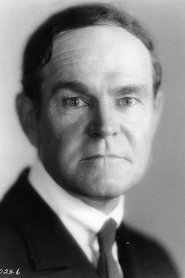 Guy OliverWardrobe Attendant (uncredited)
Directing
- Josef von SternbergDirector
Writing
- Josef von SternbergStory
- Lajos BiróStory
- Ernst LubitschWriter
- Herman J. MankiewiczWriter
- John F. GoodrichWriter
Production
- Adolph ZukorProducer
- B.P. SchulbergProducer
- Jesse L. LaskyProducer
Recommended by
The Last Emperor, The Farmer's Wife, Foolish Wives, The Wonderful Story, The Temptress, Hotel Imperial, The Loves of Pharaoh, The Battle of the Sexes, The Waltz Dream, Stella Maris, The Fall of Babylon, Street Angel, A Woman of Paris: A Drama of Fate, The Exquisite Sinner, The Divine Woman, The Dancer of Paris, The Road Back, Merry-Go-Round, Tabu: A Story of the South Seas, Salammbô, The Sting of the Lash, Madame Butterfly, The Woman on Trial, Bride of the Storm, The Wrecker, The Spanish Dancer, Hula, The Fight for the Matterhorn, Flesh and Blood