
Film
The Spanish Dancer
- Historical romance
- Period drama
- Light-hearted
A 1923 silent film about Maritana, a Romani dancer with courtly ambitions who catches the eye of a Spanish nobleman—and the king. It's a lavish, theatrical romance with spectacular sets and Pola Negri's magnetic screen presence at its core. For anyone drawn to early cinema's visual storytelling and costume drama.
If you liked this
The Phantom Carriage1921
Swedish masterpiece of shadow and atmosphere. Victor Sjöström's performance is hypnotic, the cinematography revolutionary for its time. A ghost story that moves like a fever dream.
But Slower pacing than modern film, and the emotional weight asks patience. The plot mechanics feel quaint now.

Nosferatu1922
Murnau's vampire film is pure cinema—what the camera can do without dialogue, without colour, without anything but light and shape. It's genuinely eerie and visually stunning.
But The pacing is glacial by any standard. Watching it requires real attention and acceptance of silent film's rhythms.

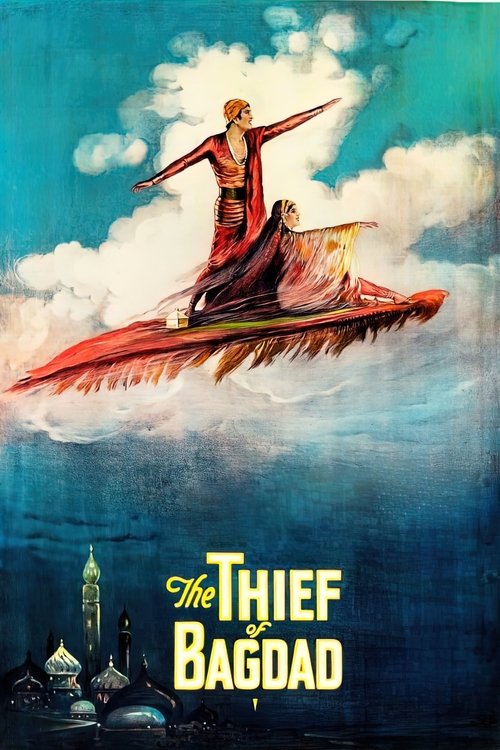
The Thief of Bagdad1924
Douglas Fairbanks in a fantasy adventure of ridiculous charm and ingenuity. The set design is astonishing, the action inventive. Pure cinematic joy and spectacle.
But The plot is thin and the earnestness about magic carpets and djinn won't appeal if you need narrative substance.
Not sure tonight? Get a pick in a minute, starting from The Spanish Dancer
The wildcard
Something you would not have found on your own.
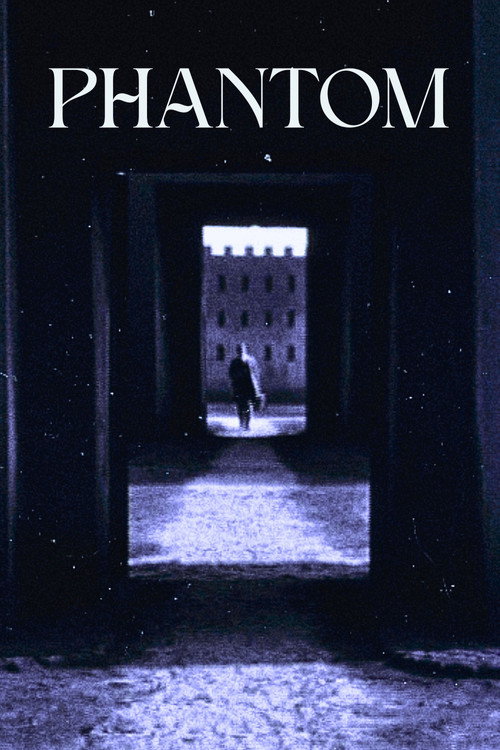
Phantom1922
Both are period romances structured around masculine obsession—a nobleman's desire that drives the plot—but Phantom weaponizes that obsession as horror while The Spanish Dancer romanticizes it. They're inverse takes on the same dangerous dynamic.
A German Expressionist film about an obsessed man and the woman who haunts his imagination. The visual design is extraordinary—distorted architecture, dream logic, psychological terror made visible.
But The misogyny is baroque and unapologetic. The woman exists only as projection and prize. It's difficult to watch without anger.
More like this (8)
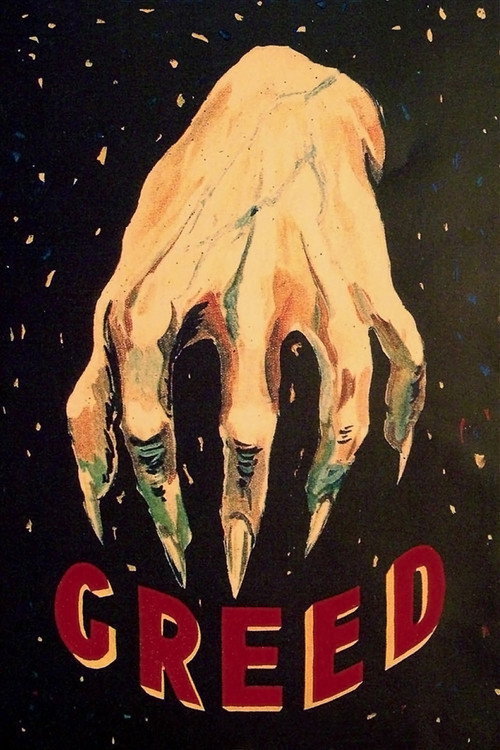
Greed1924
Erich von Stroheim's ruthless, sprawling examination of how money corrodes love and morality. Visually brutal and psychologically acute in ways that feel startlingly modern.
But It's bleak and punishing. The original cut is nearly ten hours. Even the restored version asks a lot emotionally.
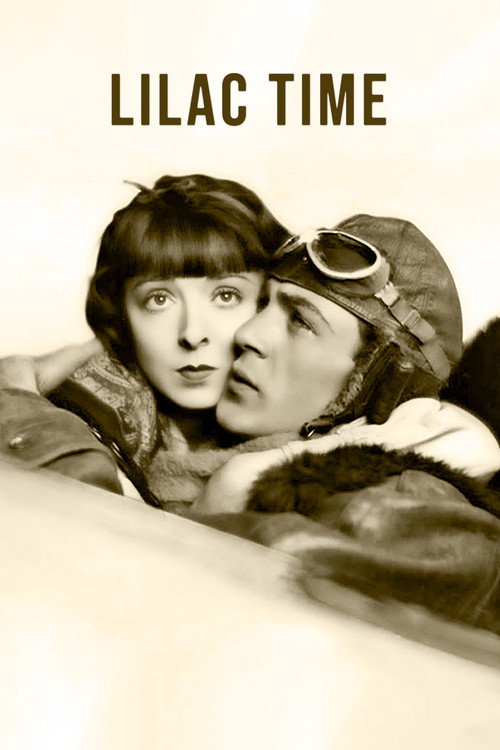
Lilac Time1928
A World War I romance between a pilot and a French girl, with genuine aerial footage and real tenderness. Gary Cooper and Colleen Moore have palpable chemistry.
But The melodramatic turns feel overwrought now. Some attitudes to gender and nationality will grate.
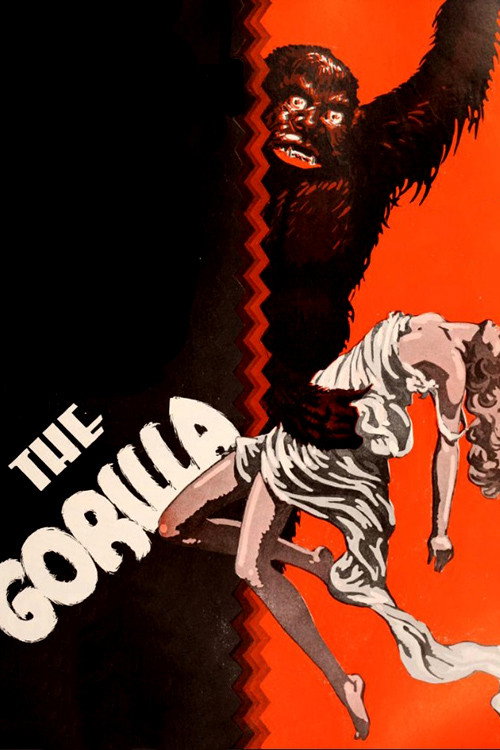
The Gorilla1927
A mystery-comedy hybrid that's surprisingly funny. The ensemble cast has real comic timing and the gorilla suit scenes are genuinely silly in the best way.
But The humour is broad and sometimes crude. If you want sophistication, look elsewhere.
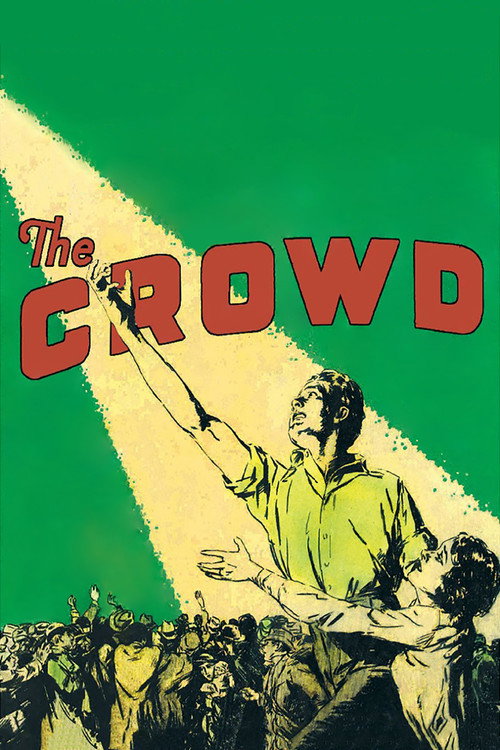
The Crowd1928
King Vidor's portrait of ordinary American life—marriage, work, disappointment, small joys. Quietly devastating and utterly human. No stars, no spectacle, just truth.
But Nothing happens in the way you expect. It's about the grinding mundanity of being nobody, which some find depressing.
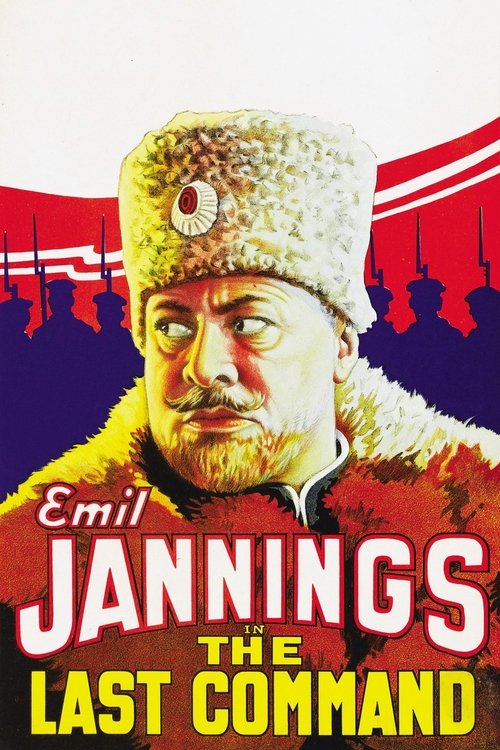
The Last Command1928
Emil Jannings as a Russian general reduced to bit parts in Hollywood, haunted by revolution and memory. A meditation on exile, pride, and the passage of time.
But It's introspective and melancholic. The Hollywood plot feels secondary to Jannings' internal anguish, which isn't for everyone.
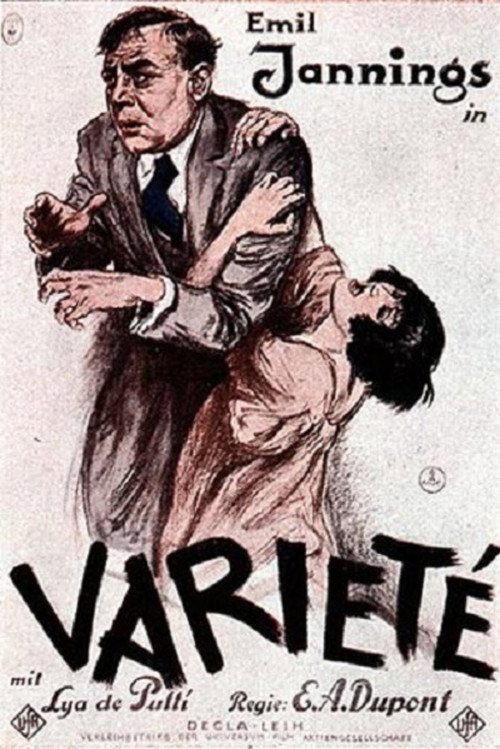
Variety1925
E.A. Dupont's trapeze melodrama is visually audacious—the camera moves and swings with the acrobats. A technically revolutionary film about obsession and desire.
But The central affair is sordid and the violence is sudden. The camera tricks, while clever, can feel gratuitous.
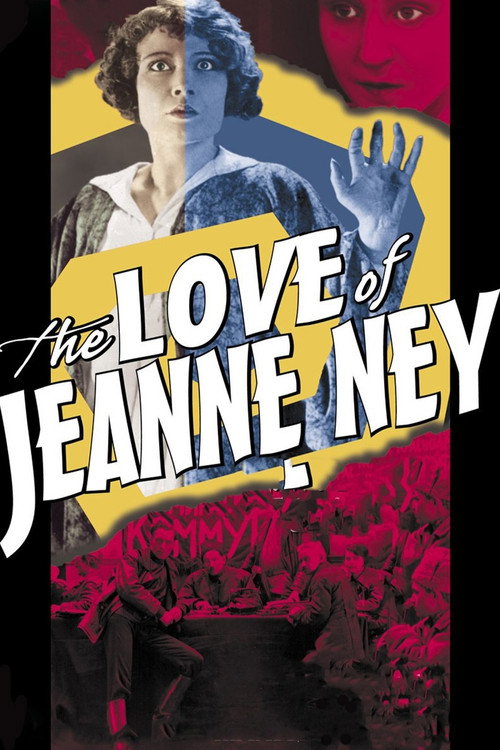
The Love of Jeanne Ney1927
Both tell stories of lovers separated by court and politics, but where The Spanish Dancer is lush and theatrical, Jeanne Ney is formally experimental—two different cinematic vocabularies answering the same romantic dilemma. One decorates, the other deconstructs.
Lupu Pick's Russian Revolution romance uses split-screen, overlapping images, and radical editing to convey emotional and political chaos. It's a love story told through pure cinema language, with barely any intertitles.
But The avant-garde style is sometimes confusing. If you need clarity and linear storytelling, you'll struggle.
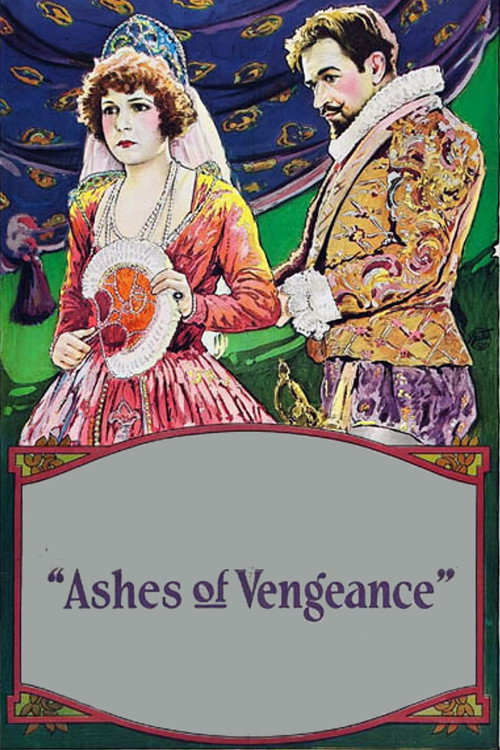
Ashes of Vengeance1923
Both centre on a girl of humble origin whose beauty and spirit attract powerful men—but Ashes refuses The Spanish Dancer's fantasy of upward mobility through romance. Here, beauty is a vulnerability, a liability in a world burning. One film promises transcendence; the other knows better.
A Polish film about a peasant girl in the Napoleonic Wars, caught between love and national survival. The scale is epic, the emotion genuine, and it captures rural life with documentary precision while breaking hearts.
But It's very long, very serious, and very sad. There's no glamour or lightness. The war destroys everything.
People
Cast
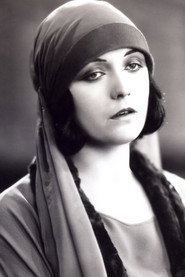 Pola NegriMaritana
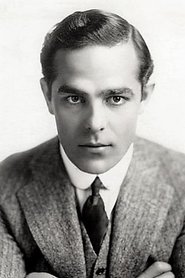 Antonio MorenoDon Cesar de Bazan
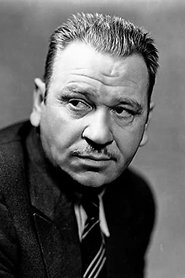 Wallace BeeryKing Philip IV
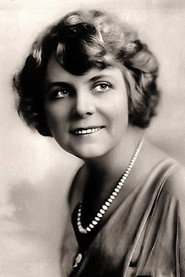 Kathlyn WilliamsQueen Isabel of Bourbon
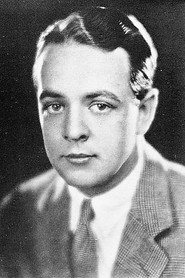 Robert AgnewJuan
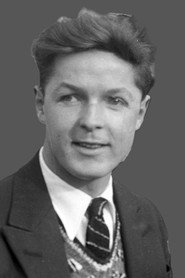 Gareth HughesLazarillo
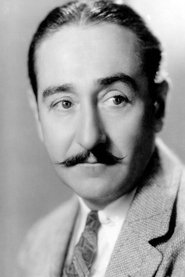 Adolphe MenjouDon Salluste
- Andre LenoiVelasquez
- Henry VogelOlivarez
 Anne ShirleyDon Balthazar Carlos (as Dawn O'Day)
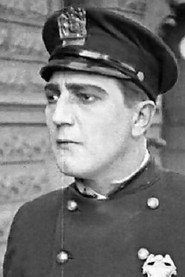 Charles StevensonCardinal's Ambassador
- Edward KiplingMarquis de Rotundo
Directing
- Herbert BrenonDirector
Writing
- Beulah Marie DixAdaptation
- June MathisAdaptation
- Victor HugoNovel
- Beulah Marie DixScreenplay
- June MathisScreenplay
- Adolphe d'EnneryTheatre Play
- Philippe DumanoirTheatre Play
Production
- Herbert BrenonProducer