
Film
The Love of Jeanne Ney
A 1927 German silent film about lovers torn apart by revolution and political upheaval, then reunited in Paris amid blackmail and betrayal. Directed by G.W. Pabst with fluid camera work and emotional intensity that feels startlingly modern. For anyone who thinks silent cinema is quaint—this proves it can break your heart.
If you liked this
Sunrise: A Song of Two Humans1927
Released the same year, Murnau's masterpiece about a marriage tested by temptation and deception. The visual storytelling is hypnotic, and the emotional stakes feel as urgent as Jeanne Ney's turmoil.
But Silent film moves at its own pace, and some may find the intertitles intrusive or the romance melodramatic by modern standards.

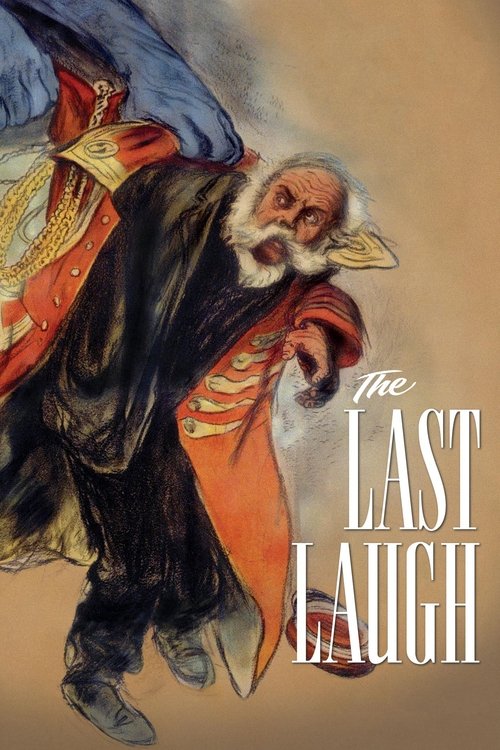
The Last Laugh1924
Pabst's predecessor shows German Expressionism at its peak—a film that tells its whole story through camera movement and performance, no intertitles needed. Devastating about loss and dignity.
But Even more austere than Jeanne Ney. The emotional register is bleak throughout, with no romantic relief.
Battleship Potemkin1925
Eisenstein's revolutionary masterpiece shares Jeanne Ney's obsession with political upheaval and human consequence. The Odessa Steps sequence alone justifies the watch, and the filmmaking is wildly inventive.
But It's propaganda cinema with a specific political stance, and the emotional core is collective rather than personal. Some find it more intellectually exciting than moving.

Not sure tonight? Get a pick in a minute, starting from The Love of Jeanne Ney
The wildcard
Something you would not have found on your own.
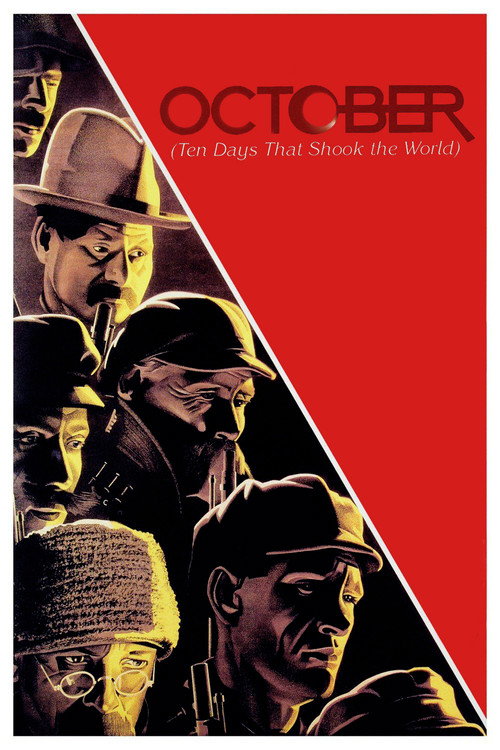
October (Ten Days that Shook the World)1928
Both films use the Russian Revolution as the crucible that destroys intimate human connection; Jeanne Ney shows us the lovers' tragedy, October shows us the historical forces that made it inevitable.
Eisenstein's experimental film about the Russian Revolution uses montage and abstraction to capture the chaos that tears Jeanne and Andreas apart. It's the political history made visceral—you feel the earthquake under the personal drama.
But It's a Soviet propaganda film told entirely through rapid montage and symbolic imagery. If you want narrative clarity or emotional identification with characters, this will frustrate you severely.
More like this (7)
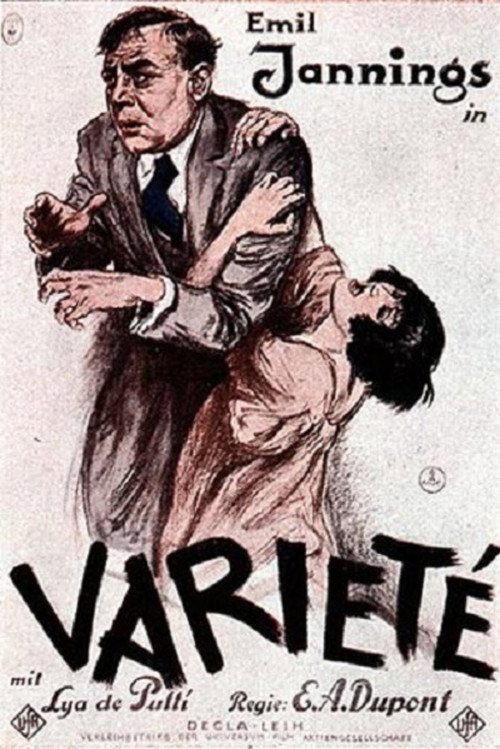
Variety1925
Another Pabst gem: a circus drama with the same fluid, intimate camera work and focus on how desire and ambition destroy relationships. It has genuine sensuality and passion.
But The plot hinges on a love triangle that some may find familiar, and the tragic inevitability can feel like watching dominoes fall.
The Phantom Carriage1921
Sjöström's Swedish masterpiece uses supernatural imagery to explore guilt, redemption, and the cost of cruelty. The emotional power is immense, and it influenced Pabst's visual language directly.
But It's a ghost story, which some find too fantastical to take seriously, and the morality is very much of its time.

Pandora's Box1929
Pabst again, this time with Louise Brooks as a woman whose sexuality becomes a weapon and a curse. It's about desire, corruption, and the impossibility of escape—themes that haunt Jeanne Ney too.
But It's sexually frank for 1929, which some modern viewers find exploitative rather than liberating. The portrait of female agency is complicated.

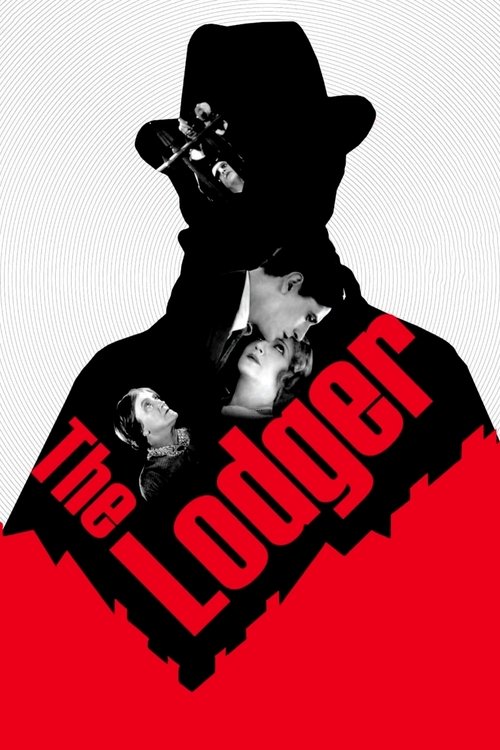
The Lodger: A Story of the London Fog1927
Hitchcock's debut: a psychological thriller about suspicion and paranoia in a confined space. Like Jeanne Ney, it builds tension through visual storytelling and makes you question everyone's motives.
But The pacing is slower than you'd expect, and the visual tricks can feel mannered if you're not in the mood for expressionist cinema.
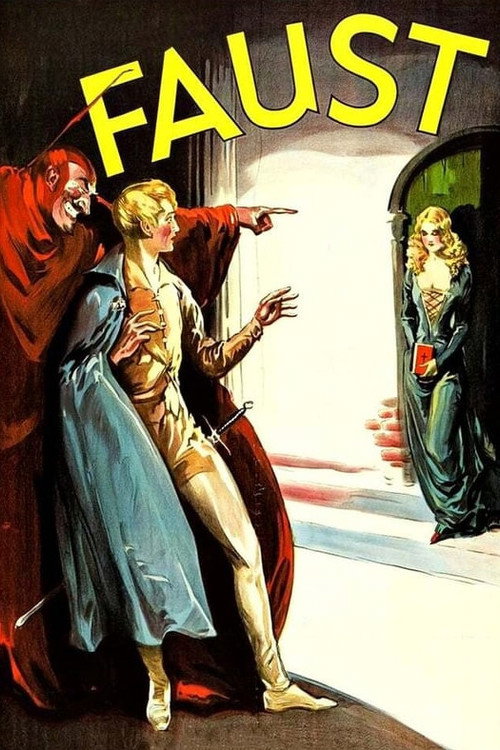
Faust1926
F.W. Murnau's adaptation uses scale and shadow to explore temptation and moral compromise. It's operatic and visually stunning, with a similar intensity of feeling as Jeanne Ney.
But It's very long and very strange, with an aesthetic that can feel camp or overwrought depending on your tolerance for German Expressionism.
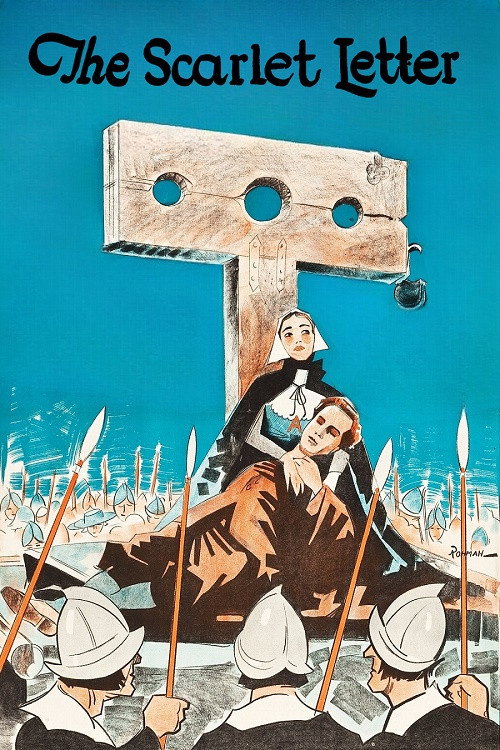
The Scarlet Letter1927
Victor Sjöström directs Lillian Gish in this adaptation of Hawthorne. It's about shame, passion, and the cruelty of social judgment—thematically aligned with Jeanne Ney's exploration of how society destroys lovers.
But It's faithful to the source material, which means the melodrama can feel heavy-handed, and Gish's performance style reads as overwrought to modern eyes.
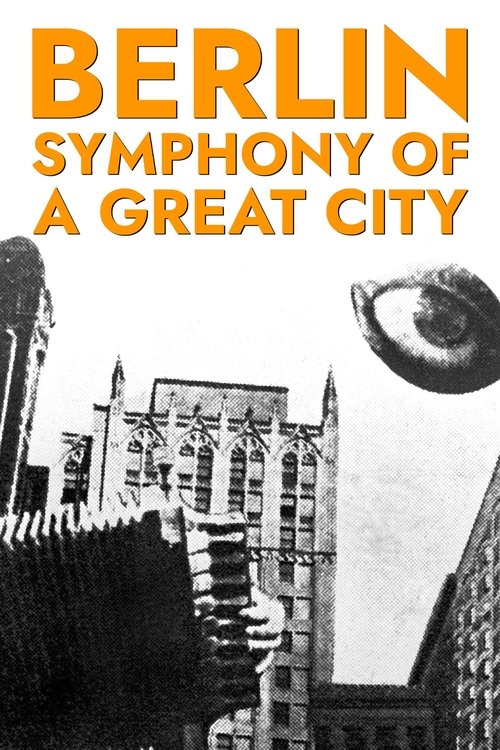
Berlin: Symphony of a Great City1927
Both are German films from 1927 obsessed with how modernity and politics reshape human intimacy; one through melodrama, the other through observational poetry. They're companion pieces to the same historical moment.
A documentary symphony of Berlin's streets, rhythms, and people—no plot, just pure visual poetry about urban life. It captures the same Weimar moment as Jeanne Ney, the same sense of modernity in collision with desperation.
But There's no narrative, no characters, no arc. If you need a story to follow, this is a portrait of a city and a mood, not a film in the traditional sense.
People
Cast
 Édith JéhanneJeanne Ney
 Uno HenningAndreas Labov
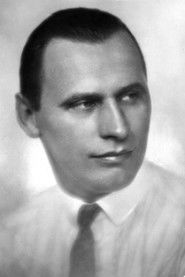 Fritz RaspKhalibiev
 Brigitte HelmGabrielle
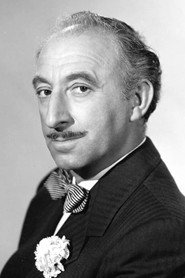 Sig ArnoGaston
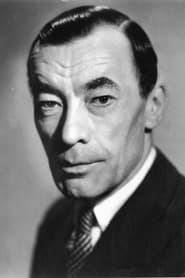 Vladimir SokoloffZacharkiewicz
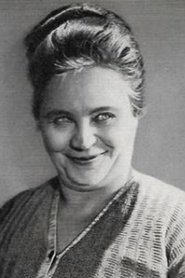 Margarete KupferZimmermädchen
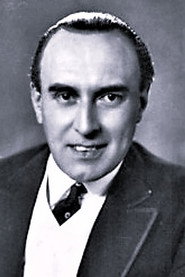
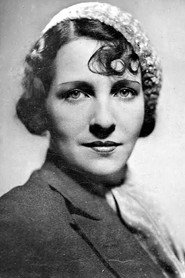 Hertha von WaltherMargot
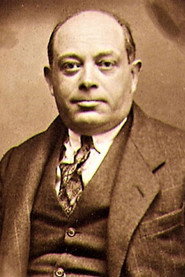 Adolf E. LichoOnkel Raymond Ney
- Eugen JensenVater Alfred Ney
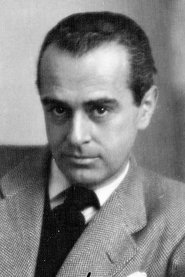 Hans JárayEmile Poitras
Directing
- Marc SorkinAssistant Director
- G.W. PabstDirector
Writing
- Ilya EhrenburgWriter
- Ladislaus VajdaWriter
- Rudolf LeonhardtWriter