
Film
The Scarlet Letter
Other titles called The Scarlet Letter: the 1934 film, the 1979 series (PBS), the 1995 film.
A silent masterpiece about sin, shame, and defiance in Puritan New England. Lillian Gish's luminous performance anchors a deeply felt exploration of how society destroys what it cannot control. Visually stunning and emotionally raw—a film that moves like it still matters, because it does.
Should you watch it?
Watch it if you like slow, sorrowful period dramas where a single image of shame carries more than dialogue, and you don't mind silent-era acting that plays big and close to the bone.
Skip it if you need sound and quick cutting to stay engaged, since the story moves at a considered pace and its emotion arrives through gesture, intertitles and long stillness.
What it asks of you: Its shape is unhurried: the camera lingers on faces and crowds across ninety-seven minutes, so it rewards full attention and comfort with silence doing the talking.
Not sure? Find tonight's pick in a minute.
If you liked this
Sunrise: A Song of Two Humans1927
A silent contemporary of equal artistry and emotional power. Uses the city and countryside as moral landscape, tracking how temptation and redemption reshape a marriage. Murnau's camera work is revelatory.
But Very slow; the emotional arcs are conveyed almost entirely through performance and image, which demands your full attention. Not a plot-driven film.

The Hunchback of Notre Dame1923
Lon Chaney in an equally powerful silent performance about persecution and human worth. Another meditation on how society punishes difference and vulnerability. The production design is extraordinary.
But Chaney's makeup is extreme and sometimes distancing. The plot leans heavier into melodrama than *Scarlet Letter* does.
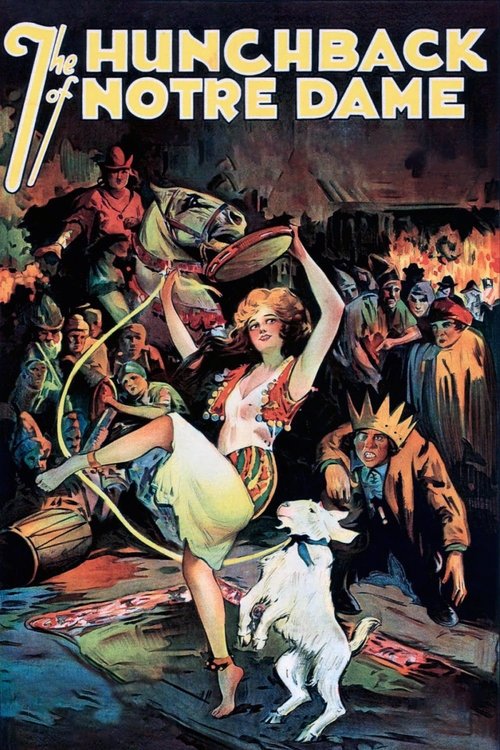
The Phantom Carriage1921
A Swedish ghost story about sin, redemption, and second chances. Uses supernatural elements to ask how we're haunted by our own choices. Visually inventive and genuinely affecting.
But The supernatural framing can feel dated. Some plot turns rely on coincidence rather than character logic.

Not sure tonight? Get a pick in a minute, starting from The Scarlet Letter
The wildcard
Something you would not have found on your own.
The Seventh Seal1957
Both use a small cast and a community's judgment as the stage for questions that cannot be answered. Both understand that shame is the engine of self-examination, and that visibility—being forced to wear your sin—is both punishment and strange liberation.
Bergman's meditation on faith, mortality, and the performance of goodness. Like Hawthorne's novel, it asks whether redemption is real or a story we tell ourselves. The chess game with Death is cinema's great metaphor for moral reckoning.
But In black and white, deliberately theatrical. Philosophically demanding—it meanders because the thinking matters more than plot resolution. Not a comfort film.

More like this (5)
Intolerance: Love's Struggle Throughout the Ages1916
D.W. Griffith's sprawling epic about how societies punish nonconformity across four time periods, including Babylon. Thematically aligned with *Scarlet Letter*, though vastly more ambitious in scope.
But Nearly four hours, and Griffith's storytelling can feel overwrought. The technical ambition sometimes overwhelms character. His politics are also deeply troubling.

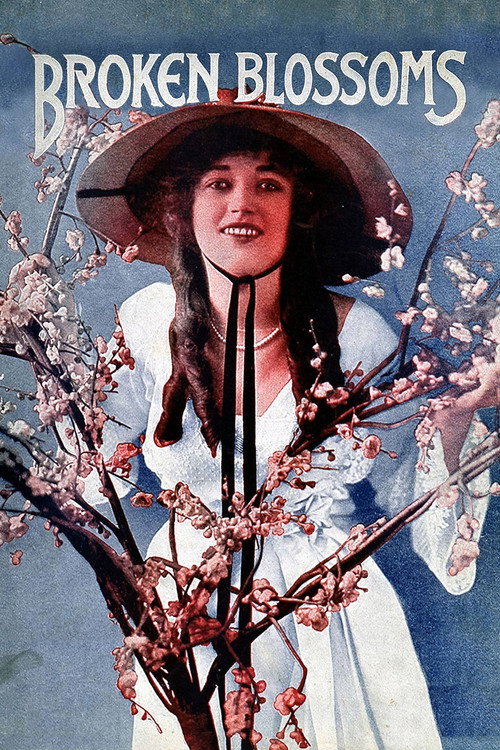
Broken Blossoms or The Yellow Man and the Girl1919
Griffith and Gish reunite in a devastating portrait of innocence destroyed by brutality. Intimate rather than epic; the emotional register is close to *Scarlet Letter*'s sustained ache.
But Deals with abuse and suicide. The ending is almost unbearably sad. Its portrayal of Asian characters reflects its era in deeply uncomfortable ways.
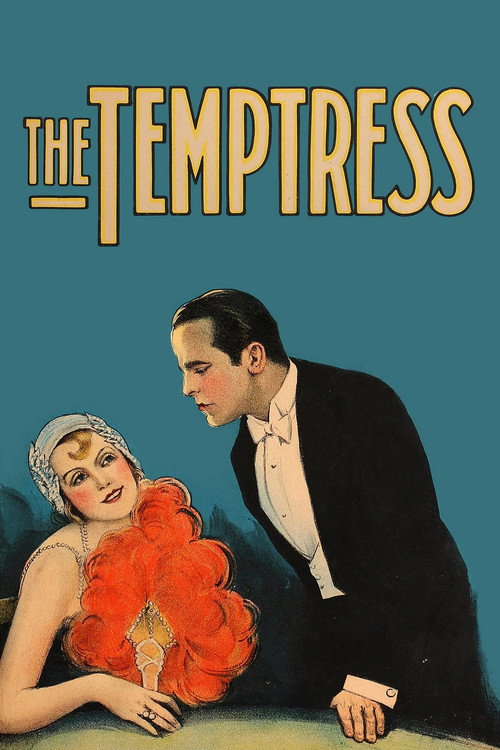
The Temptress1926
Garbo again, in a film about seduction and moral collapse. Explores how desire and judgment intertwine, with stunning Continental cinematography. A companion piece to *Torrent*.
But The plot mechanics feel more contrived than the emotional core. Some sequences drag. Greta Garbo's mystique can feel like it's standing in for characterization.
Tokyo Story1953
Both are about how society—or simply time—renders the past shameful or obsolete. Both find dignity not in vindication but in the quiet persistence of feeling what cannot be changed. Both trust silence and stillness to do the work.
Ozu's quiet masterpiece about aging parents visiting their son in the city, and discovering how their world has changed. Uses the domestic and ordinary as the arena for grief, disappointment, and the grace of simply enduring.
But Glacially slow. Shot entirely in interiors with the camera at knee-height, observing rather than dramatizing. No plot in any conventional sense. Requires a specific attentiveness that many viewers find insufferable.

Precious: Based on the Novel 'Push' by Sapphire2009
Like *Scarlet Letter*, it's about who gets to carry the visible mark of transgression—but Precious asks whose sin we're actually punishing. It reverses Hawthorne's question: what if the girl marked by society's judgment was never guilty of anything at all?
Lee Daniels' film about a girl bearing the invisible marks of trauma and abuse in a world that cannot see past her. Raw, furious, and formally inventive in how it shows shame as something internalized before it's ever branded by others.
But Extremely difficult subject matter handled with unflinching intensity. The visceral style matches the ugliness of the story; this is not a film that beautifies suffering. Deeply painful to watch.

People
Cast
 Lillian GishHester Prynne
 Lars HansonRev. Arthur Dimmesdale
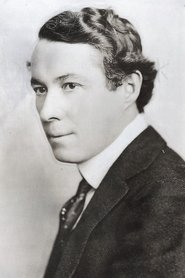 Henry B. WalthallRoger Prynne aka Roger Chillingworth
 Karl DaneGiles
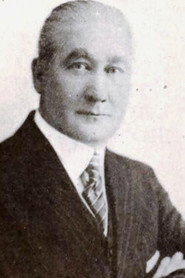 William H. TookerThe Governor
 Marcelle CordayMistress Hibbins
- Fred HerzogThe Jailer
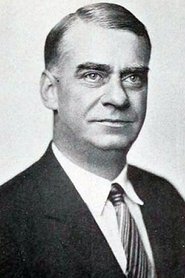 Jules CowlesThe Beadle
- Mary HawesPatience
 Joyce CoadPearl
 James A. MarcusA Sea Captain
 Polly MoranJeering Townswoman (uncredited)
Directing
- Harold S. BucquetAssistant Director
- Victor SjöströmDirector
Writing
- Frances MarionAdaptation
- Frances MarionScreenplay
- Nathaniel HawthorneWriter
Production
- Victor SjöströmProducer
Recommended by
Easy A, The Scarlet Letter, The Hunchback of Notre Dame, Way Down East, The Story of Temple Drake, Peter Ibbetson, The Wind, Liliom, The Hunchback of Notre Dame, Madame Bovary, True Heart Susie, The Enemy, The Exquisite Sinner, Show Boat, Pastoral Symphony, A Lady to Love, Wildfire, The Dancer of Paris, Waterloo Bridge, The Penal Code, Torrent, Bride of the Storm, The Love of Jeanne Ney, The Tower of Lies