
Film
True Heart Susie
A 1919 D.W. Griffith pastoral romance about a country girl's selfless love for an oblivious man. Lillian Gish's Susie May Trueheart silently funds her beloved's education, then watches him fall for someone flashier. It's tender and quietly heartbreaking, with the restraint and expressive pantomime that made silent cinema so moving. For anyone who wants to understand why people fell in love with movies in the first place.
If you liked this
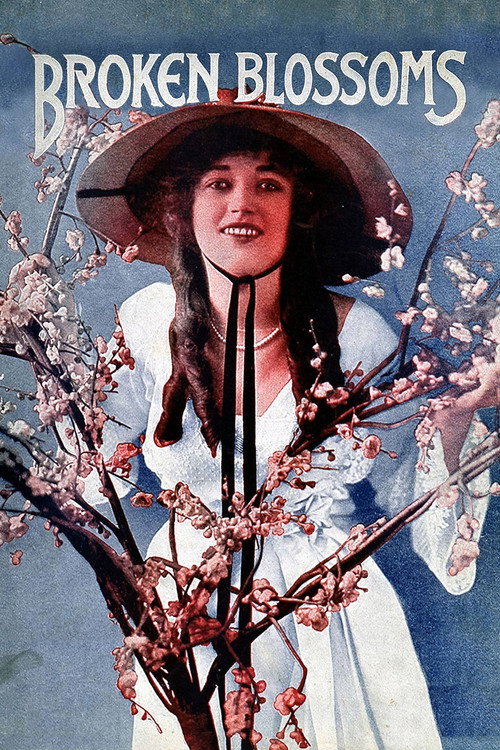
Broken Blossoms or The Yellow Man and the Girl1919
Also directed by Griffith and starring Gish, this intimate tragedy unfolds with devastating emotional clarity. A portrait of love protecting something fragile in a harsh world, told through glances and gestures that say everything.
But The story of an Asian man and a white woman carries the racial paternalism of its moment, and that context matters however well the film treats its characters.
Sunrise: A Song of Two Humans1927
F.W. Murnau's masterpiece about a husband tempted away from his wife uses similar visual storytelling: no dialogue needed when a look can break your heart. Gorgeously shot and structurally inventive.
But Nearly a century old and it shows—the pacing is deliberate, and some viewers find silent cinema's rhythm exhausting without practice.

The Phantom Carriage1921
Arne Börglund's Swedish ghost story about a man forced to confront his cruelty toward the woman who loved him. Luminous, eerie, morally serious in a way that surprises you.
But It's bleak and slow-burn, and the tinting choices can feel washed-out on some prints. Not a comfort watch.

Not sure tonight? Get a pick in a minute, starting from True Heart Susie
The wildcard
Something you would not have found on your own.
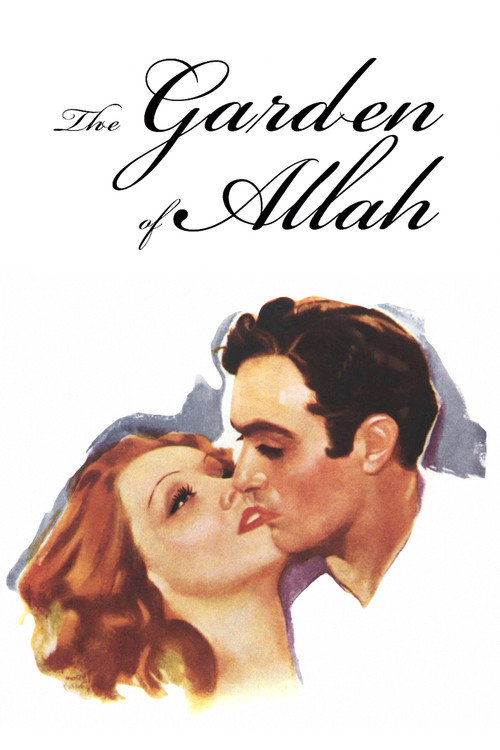
The Garden of Allah1936
Where True Heart Susie finds quiet dignity in selflessness, The Garden of Allah makes selflessness rapturous and sensual—the same moral choice, but photographed in Technicolor ecstasy instead of soft-focus restraint.
Richard Boleslawski's lush, colour Technicolor melodrama about a woman torn between earthly love and spiritual surrender. It looks like a painting—vivid, saturated, almost dreamlike. Pure romantic atmosphere.
But It's slow, very slow, and the plot mechanics are negligible. If you need something to happen, this will frustrate you. The colour grading in some transfers looks artificial.
More like this (7)
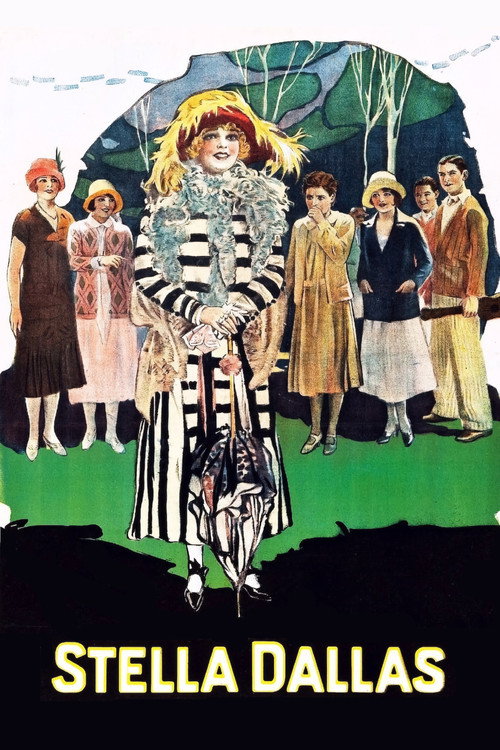
Stella Dallas1925
King Vidor's melodrama about a mother's sacrifice and invisible heartbreak, told through Belle Bennett's face. Gutsy and unsentimental about how love costs women the most.
But The class anxiety and gender assumptions feel very 1920s, and the ending asks something hard of your patience with the characters' choices.
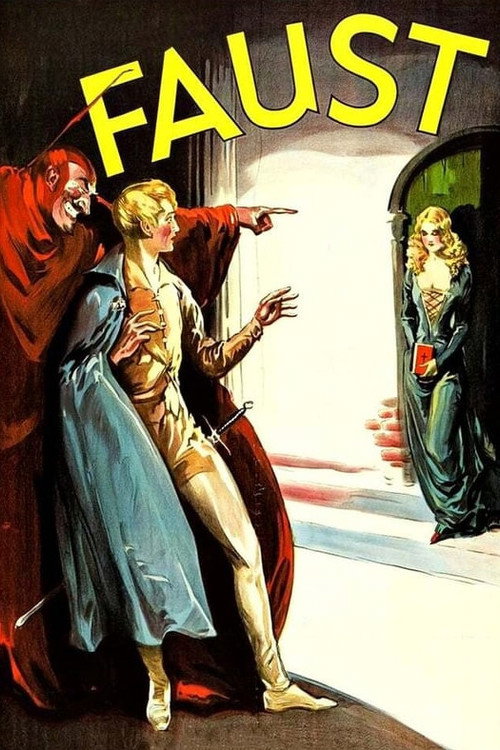
Faust1926
F.W. Murnau again, this time adapting Goethe with incredible visual invention. Faust's bargain and Marguerite's suffering land with real power; the film moves like a dream.
But It's nearly two and a half hours of German Expressionist gloom, and if the aesthetic doesn't grab you early, you'll fight it the whole way.
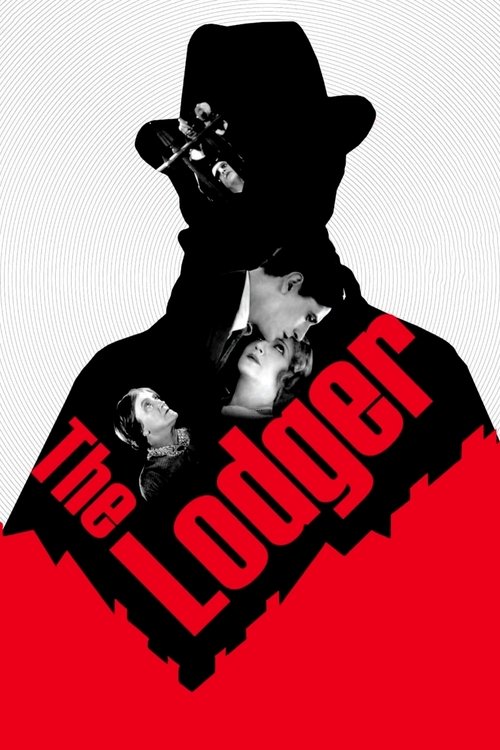
The Lodger: A Story of the London Fog1927
Hitchcock's first major film finds psychological dread in a London boarding house. Silent cinema's visual sophistication reaches a peak here—tension built through framing, not exposition.
But It's a thriller, not a romance, so the emotional terrain is different. And some of the camera tricks feel more clever than moving.
Pandora's Box1929
G.W. Pabst's lurid, hypnotic tragedy of desire and downfall, with Louise Brooks as Lulu. Sexual and dangerous in ways that make it feel modern; the film barely judges its characters.
But It's about sex and transgression in surprisingly explicit terms for 1929, which some find liberating and others find exploitative. The ending is bleak.

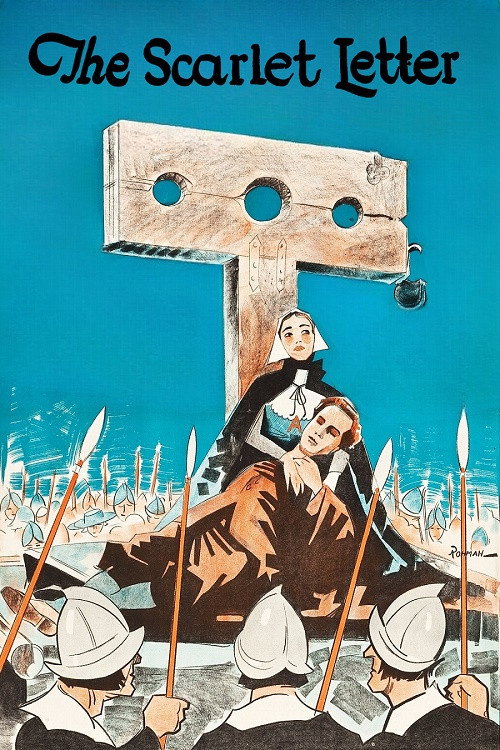
The Scarlet Letter1927
Victor Sjöström and Lillian Gish in Hawthorne's story about shame and love in Puritan New England. Gish's Hester is dignified and suffering—a woman worthy of her own tragedy.
But It's a pretty straightforward literary adaptation, and if you know the novel, there are no surprises. Some prints are incomplete or damaged.
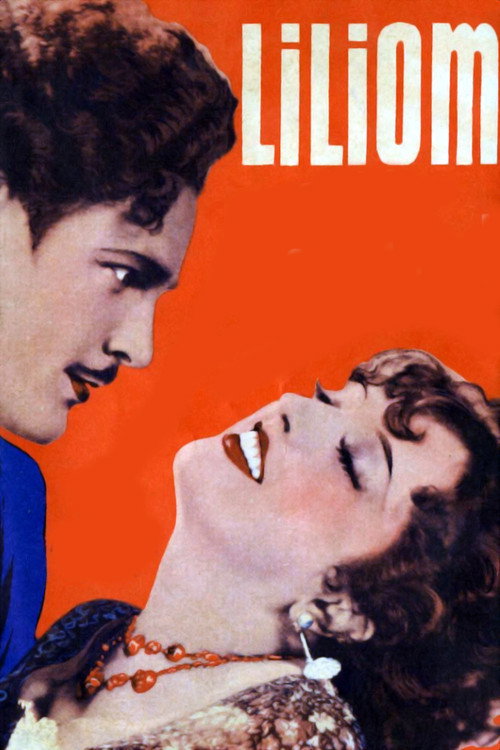
Liliom1930
Frank Borzage's strange, tender fantasy about a carnival worker and the girl who loves him, even after death. Spiritually odd and visually imaginative, with real pathos underneath the weirdness.
But The fantasy elements feel dated, and the gender dynamics are traditional to the point of feeling claustrophobic. It's not cynical, but it's not progressive either.
Letter from an Unknown Woman1948
Both trace the arc of a woman's silent devotion to a man who loves someone else, but Ophüls strips away any comfort—there is no redemption here, only the terrible luxury of having loved well.
Max Ophüls' devastatingly beautiful film about a woman's lifelong love for a man who barely notices her. The camera itself seems to ache; every frame is composed like a sonnet. It's the spiritual heir to True Heart Susie, but knowing and tragic.
But It's a chamber piece that requires patience and attention. The emotional register is one of refined melancholy, not catharsis. Some find it more sad than satisfying.

People
Cast
 Lillian GishSusie May Trueheart
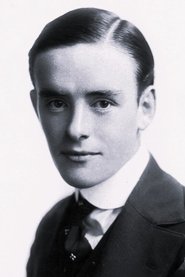 Robert HarronWilliam Jenkins
 Wilbur HigbyWilliam's Father
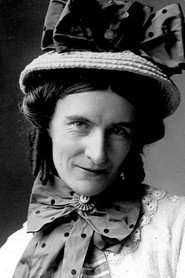 Loyola O'ConnorSusie's Aunt
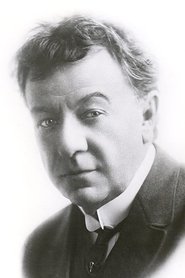 George FawcettThe Stranger
 Clarine SeymourBettina Hopkins
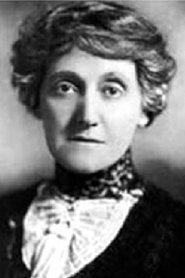 Kate BruceBettina's Aunt
 Carol DempsterBettina's chum
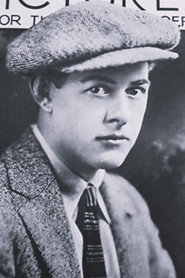 Raymond CannonSporty Malone
 Louise Emmonsla bigote