
Film
Liliom
Other titles called Liliom: the 1934 film.
Frank Borzage's 1930 *Liliom* is a visionary melodrama about a carousel barker who dies, descends into purgatory, and returns to earth for one day. It's operatic and strange—less interested in realism than in the texture of longing and redemption. For anyone who loves cinema that reaches for the transcendent without apology.
Should you watch it?
Watch it if you have a taste for early talkies where dialogue and stillness carry the feeling, and a fable-like tenderness matters more to you than polish.
Skip it if you want brisk pacing or sharp modern filmmaking, since the dialogue runs long and the early-sound stiffness shows.
What it asks of you: Settle in for ninety-four minutes of slow, melancholy rhythm, where sorrow and warmth arrive gradually rather than all at once.
Not sure? Find tonight's pick in a minute.
If you liked this
Street Angel1928
Another Borzage masterpiece about poverty and love in the urban underworld. If you respond to *Liliom*'s romanticism and its refusal to treat working-class suffering as mere backdrop, this is essential.
But Silent film pacing and intertitles require patience. The melodrama can feel overwrought to modern sensibilities.

The Passion of Joan of Arc1928
Dreyer's transcendent close-ups and metaphysical stakes will resonate with *Liliom*'s reach toward the divine. A film about suffering, redemption, and the invisible made visible.
But Extremely austere. Renée Jeanne Falconetti's performance is almost unbearably intense—not a comfortable watch.

Sunrise: A Song of Two Humans1927
Murnau's masterpiece shares *Liliom*'s fantastical approach to human connection and redemption. The camera itself seems to be in love. Pure cinema, not mere drama.
But Silent, German Expressionist aesthetic. The special effects look dated; you have to surrender to the style.

Not sure tonight? Get a pick in a minute, starting from Liliom
The wildcard
Something you would not have found on your own.
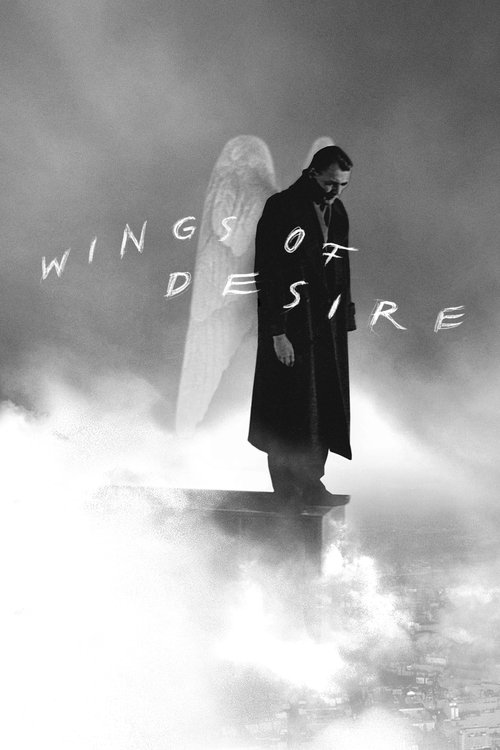
Wings of Desire1987
Both films literalize the spiritual realm—angels, purgatory, the afterlife—as a framework for asking whether love survives judgment and distance.
Wim Wenders' angels observe Berlin and human longing from above. Like *Liliom*, it's mystical and metaphysical—a meditation on whether spirits can touch earth and redeem it. Visual poetry about the distance between worlds.
But Slow, elliptical, and deliberately oblique. Not a plot-driven film. Requires patience and willingness to sit with ambiguity.
More like this (8)
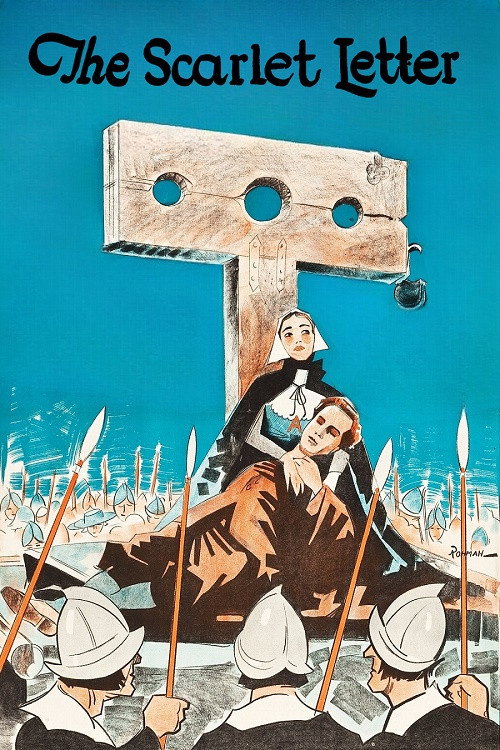
The Scarlet Letter1927
Lillian Gish in a film about guilt, penance, and moral resurrection. The emotional architecture parallels *Liliom*—both ask whether we can earn forgiveness.
But Based on Hawthorne; the Puritanical framework may feel heavy-handed. Silent film conventions require adjustment.
7th Heaven1927
Borzage again—his specialty is transmuting poverty and danger into romance. A soldier and a Paris street girl fall in love during WWI. Achingly sincere.
But The sincerity can feel saccharine. Silent era sentimentality is not for everyone.

An American Tragedy1931
Dreiser's novel adapted by Josef von Sternberg. Like *Liliom*, it traces a working man's fatal collision with circumstance and desire. Visually stunning and morally unsparing.
But Long and structurally slow. The ending offers no easy comfort; some will find it bleak rather than cathartic.

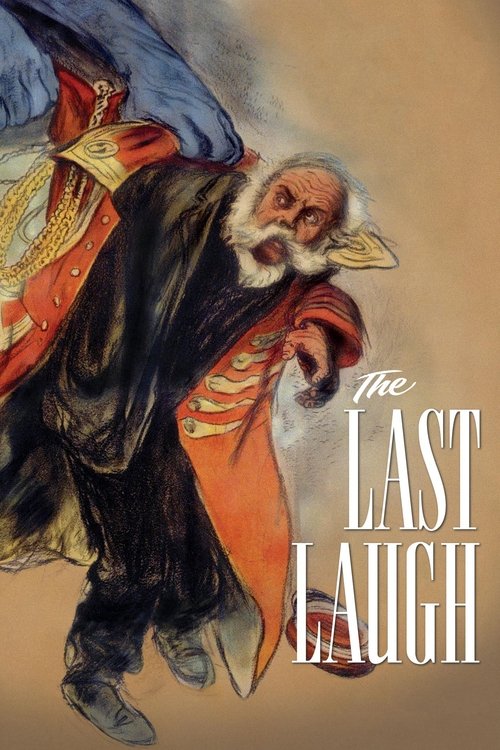
The Last Laugh1924
Murnau's silent masterpiece about dignity, humiliation, and fate. The camera moves in ways that tell the emotional story. Technically revolutionary and emotionally devastating.
But The twist ending divides audiences. Some see it as redemptive; others find it maudlin.
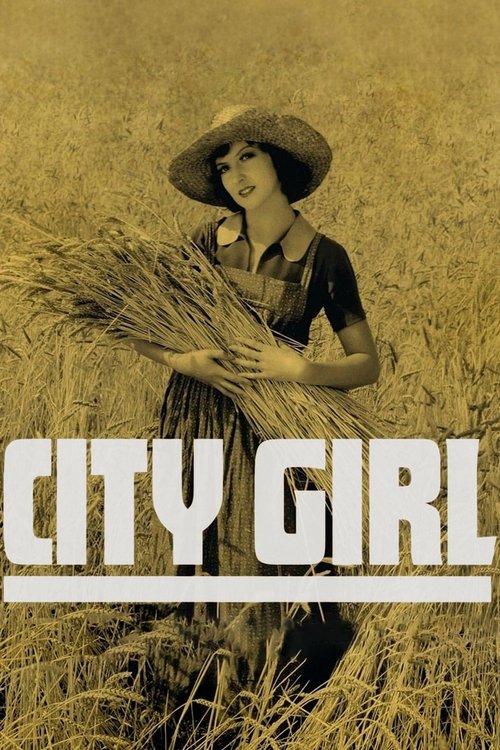
City Girl1930
F.W. Murnau's final film about farmers and urban temptation. Made the same year as *Liliom*, it shares that film's concern with class, fate, and rural characters adrift in modernity.
But Obscure and rarely seen. The print quality is variable. Not as immediately moving as the best silents.
Intolerance: Love's Struggle Throughout the Ages1916
D.W. Griffith's sprawling epic argues that love and compassion transcend history. Formally audacious and philosophically ambitious in ways *Liliom* also attempts.
But Nearly four hours and forbiddingly complex. The narrative threads can feel muddled. Griffith's problematic politics haunt the film.

Ikiru1952
Both films grant their protagonist a kind of afterlife awareness—a chance to see what their life meant and to alter its course. Both are obsessed with whether love persists beyond death.
Kurosawa's devastation about a dying bureaucrat who finds meaning in small acts of care. Like *Liliom*, it's about redemption through connection, death as teacher, and the possibility of grace in ordinary life. Profoundly moving.
But Slow and melancholic throughout. The second half, after the turning point, is difficult. Not uplifting, though it approaches something like peace.

A Ghost Story2017
Both films use the supernatural as a vehicle for exploring whether we can repair damage after death, and whether love is enough to make us linger in a place we've left behind.
David Lowery's haunting, unconventional film: a man returns as a ghost to watch his widow and his home across decades. It's *Liliom* for the modern age—the same tragic structure, but refracted through time and grief rather than religious cosmology.
But A man in a bedsheet for much of the runtime. Deliberately paced; some find it pretentious or emotionally cold. The philosophy can overshadow the character.

People
Cast
 Charles FarrellLiliom
 Rose HobartJulie
 Estelle TaylorMme. Muscat
 H.B. WarnerChief Magistrate
 Lee TracyThe Buzzard
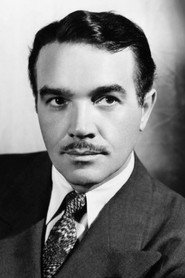 Walter AbelCarpenter
- Mildred Van DornMarie
 Anne ShirleyLouise
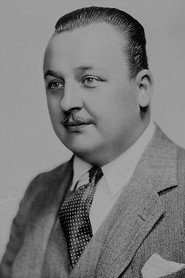 Bert RoachWolf
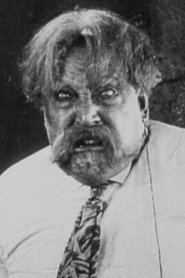 James A. MarcusLinzman
 Harvey ClarkAngel Gabriel
Directing
- Lew BorzageAssistant Director
- Frank BorzageDirector
Writing
- S. N. BehrmanDialogue
- Sonya LevienDialogue
- S. N. BehrmanScreenplay
- Sonya LevienScreenplay
- Ferenc MolnárTheatre Play
Recommended by
The Love Parade, Angels in the Outfield, True Heart Susie, The Chocolate Soldier, Just Around the Corner, Accused, Rich, Young and Pretty