
Film
The Love Parade
- Romantic comedy
- Light-hearted
Ernst Lubitsch's 1929 operetta is a giddy, sexually sophisticated comedy where a queen marries beneath her station and discovers desire. It's all arch innuendo, elaborate musical numbers, and the kind of romantic sparring that hums with genuine chemistry. For anyone who thinks early talkies are stiff and quaint—this will rewrite your sense of what 1929 could do.
Should you watch it?
Watch it if you enjoy sly, quick-talking romantic comedy where the songs push the jokes along and a bit of dressing-up and mock-royal pomp is half the fun.
Skip it if you find early sound films stagey and slow, since the technology was new and the musical numbers can stop the story cold.
What it asks of you: It runs a little under two hours and keeps its light touch steady, with the wit arriving in quick exchanges that reward listening rather than skimming.
Not sure? Find tonight's pick in a minute.
If you liked this
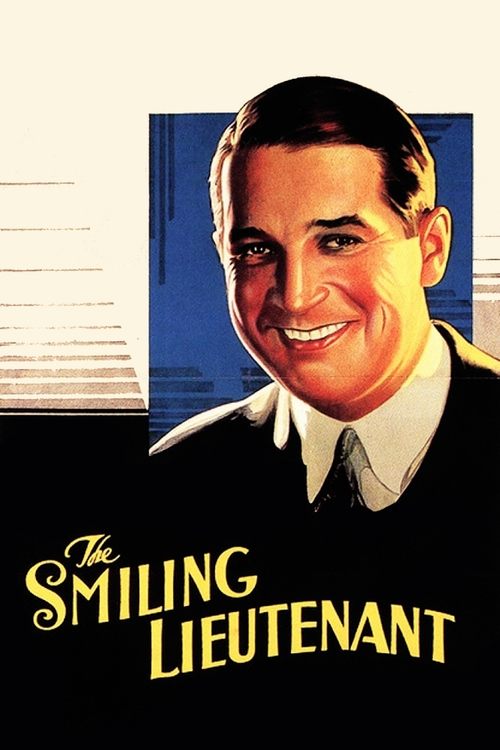
The Smiling Lieutenant1931
Another Lubitsch operetta that refines the formula: a soldier caught between a princess and a commoner, with even sharper comic timing and a waltz that justifies the entire genre's existence.
But The plot hinges on marital manipulation played as romance, which lands differently now than it did then. Some will find that uncomfortable.
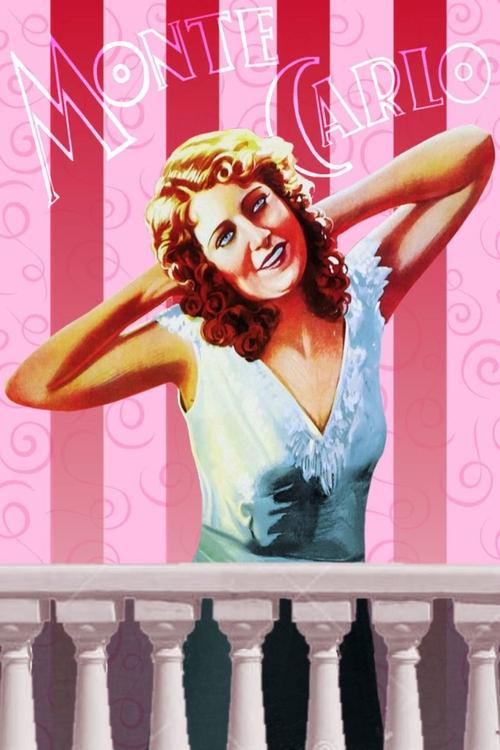
Monte Carlo1930
Jeanette MacDonald again, this time playing a widow fleeing marriage, with Jack Buchanan as a con man. The musical numbers are even more inventive, the satire of wealth and deception cuts deeper.
But It's a Lubitsch film, so the pacing is glacial by modern standards. You have to settle into the rhythm or you'll fight it the whole way.
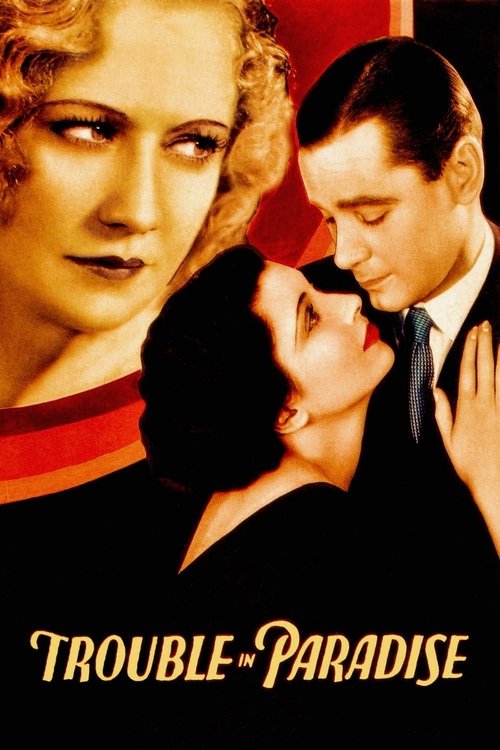
Trouble in Paradise1932
Lubitsch's masterpiece: two con artists pose as wealthy sophisticates in Venice. The wit is lethal, the sophistication genuine, the romance real. Every frame teaches you how to make a comedy look effortless.
But There's almost no plot—it's purely character, dialogue, and visual gags. If you need narrative momentum, this will feel like watching people talk for 80 minutes.
Not sure tonight? Get a pick in a minute, starting from The Love Parade
The wildcard
Something you would not have found on your own.
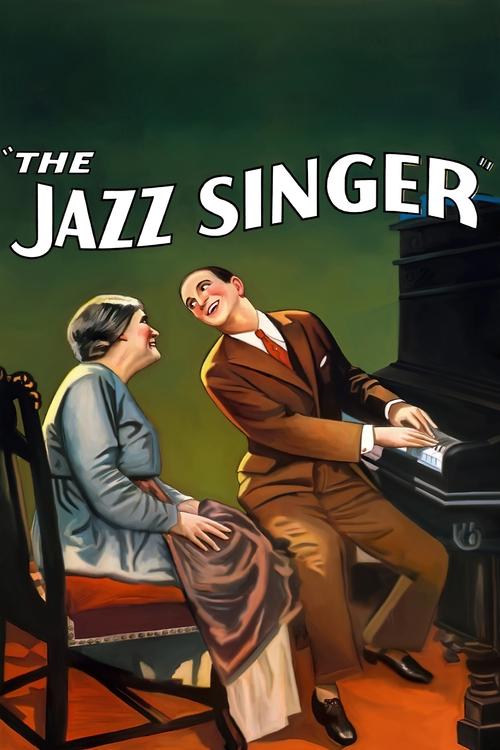
The Jazz Singer1927
The Love Parade is everything The Jazz Singer proved could be done—but in the opposite direction. Where The Jazz Singer announced 'we can talk now,' Lubitsch announced 'and now we can be clever about it.'
The first talking picture, released just two years before *The Love Parade*. Not a comedy, but it shows you exactly what Lubitsch was playing against: the raw, clumsy earnestness of early sound. This is what he liberated cinema from.
But It's a melodrama about a cantor's son choosing show business over his faith. The sentiment is heavy, the acting theatrical, and yes, it contains blackface. It's historical and important, not fun.
More like this (8)
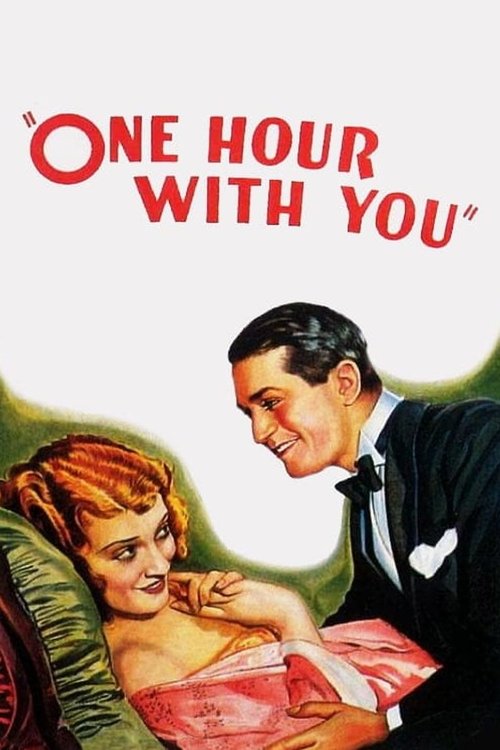
One Hour with You1932
Maurice Chevalier again, singing directly to the camera, as a husband tempted by a friend while his wife is away. Charming, musical, and honest about desire in a way that feels modern.
But The fourth-wall-breaking aside to the audience will feel mannered if you're not in the mood for it. Some find it precious rather than clever.
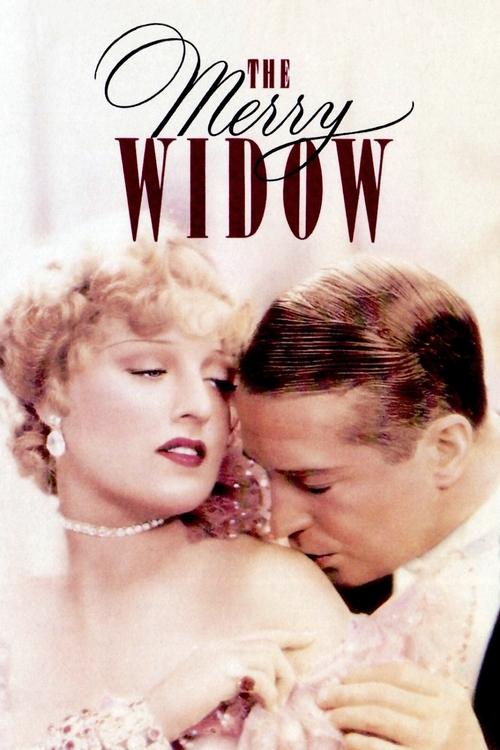
The Merry Widow1934
Lubitsch adapts the operetta with Grace Moore and Nelson Eddy. The production design is sumptuous, the numbers are grand, and there's genuine emotion beneath the froth.
But Nelson Eddy is stiff compared to Chevalier. The romance feels obligatory rather than electric, and at 99 minutes it starts to sag in the middle.
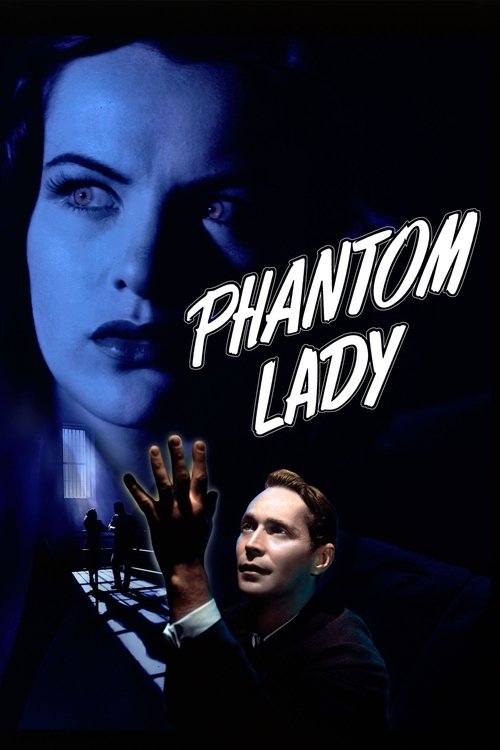
Phantom Lady1944
A wrongly convicted man's wife sets out to prove his innocence with a nightclub singer. It's a murder mystery dressed as film noir, with genuine suspense and darker energy than typical '40s thrillers.
But The tonal whiplash between comedy relief and murder investigation is jarring. Some scenes feel like they're from different films.
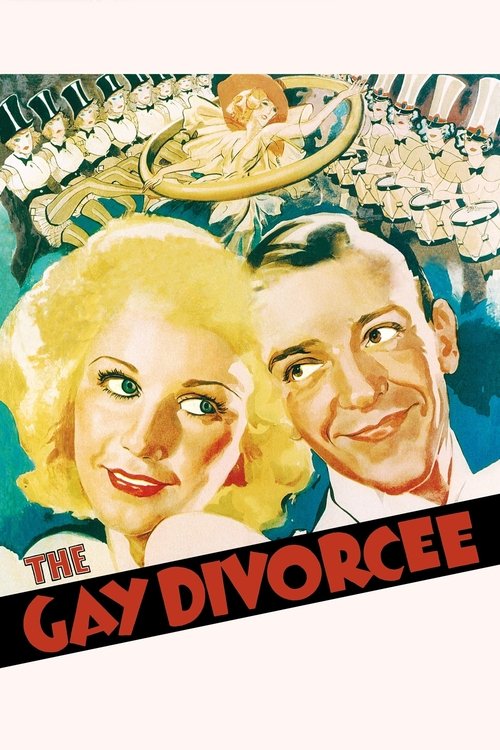
The Gay Divorcee1934
Fred Astaire and Ginger Rogers in a comedy of remarriage: he pursues her across Europe, she's trying to shake a jealous ex. The dancing is transcendent, the banter sharp, the song 'Night and Day' unforgettable.
But The plot is a vehicle, and a flimsy one. If you're watching for story logic, you'll be frustrated by the contrivances.
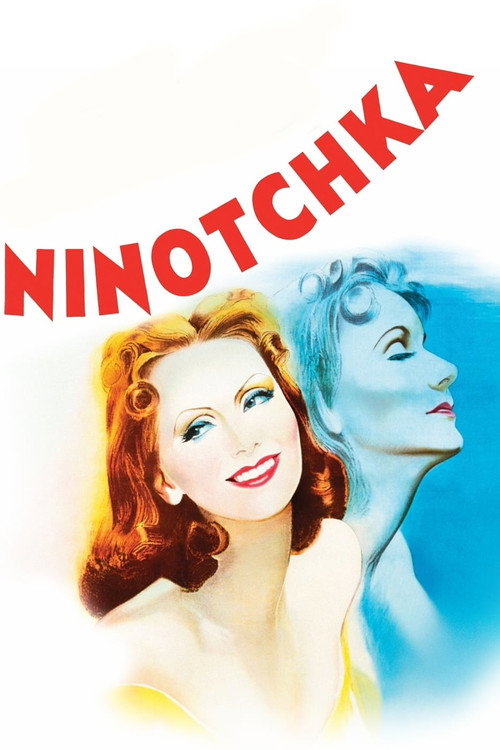
Ninotchka1939
Ernst Lubitsch's final masterpiece: a Soviet functionary (Greta Garbo, in her best role) thaws in Paris. It's political satire, romantic comedy, and character study at once—smart, funny, and genuinely touching.
But It takes twenty minutes to get to the plot you came for. The opening act of Soviet bureaucracy is slow by design, and not everyone has patience for it.
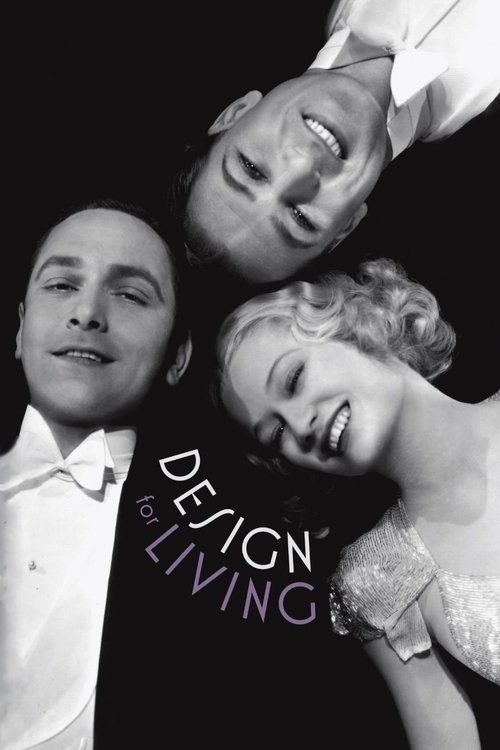
Design for Living1933
Two unemployed artists and the woman they both love form an unconventional arrangement in Paris. Noël Coward adapted it; Lubitsch directed it. The sophistication and sexual frankness are startling for 1933.
But The ending capitulates to moral convention in ways that undercut everything that came before. If you're hoping for real radicalism, you'll be disappointed.
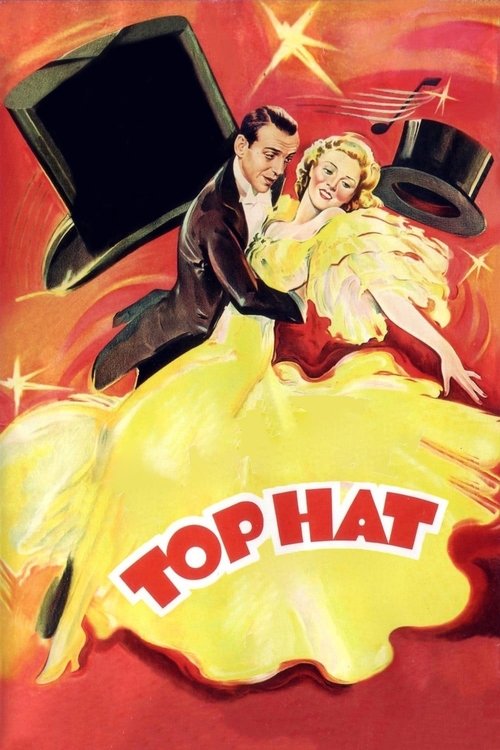
Top Hat1935
Both are operetta-adjacent romantic comedies set in European fantasy spaces where class and desire are the entire plot. Both believe that a great dancer or singer can carry a scene without words.
Fred Astaire and Ginger Rogers in Venice and London, tap-dancing through mistaken identity and romantic complication. It has plot, spectacle, and some of the finest musical comedy numbers ever filmed. Pure joy, basically.
But It's mainstream, famous, and obvious. If you want a wildcard, this isn't it. But it's so good that leaving it off feels wrong.
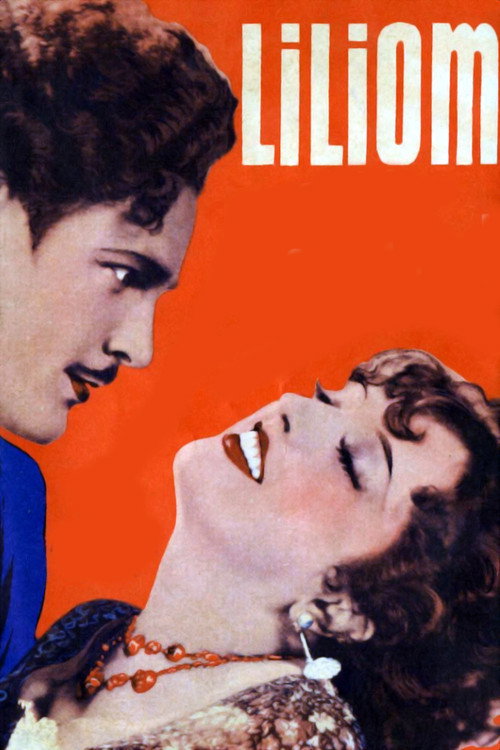
Liliom1930
Lubitsch made this between his operetta comedies, and it uses the same visual language and whimsy—but in service of genuine emotion rather than sparkling romance. It shows that *The Love Parade*'s lightness is a choice, not a limitation.
An Austrian carnival barker dies, gets sent to purgatory, and returns to Earth to make amends with his wife and daughter. It's a musical fantasy-drama that Lubitsch directed, with Frank Borzage sensibility: tender, strange, unexpectedly serious.
But It's not a comedy. It's melancholy and philosophical, with death and regret as the actual subject. Some will find it slow and maudlin where they wanted wit.
People
Cast
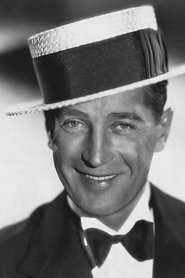 Maurice ChevalierCount Alfred Renard
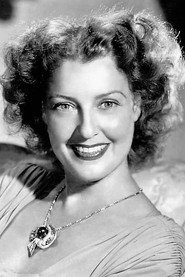 Jeanette MacDonaldQueen Louise
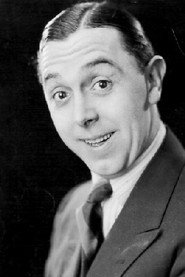 Lupino LaneJacques
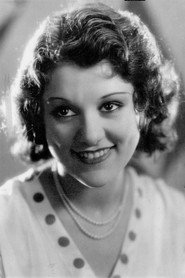 Lillian RothLulu
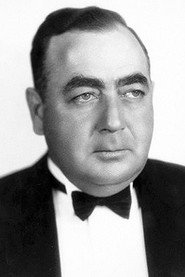 Eugene PalletteMinister of War
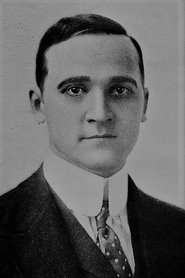 E.H. CalvertSylvanian Ambassador
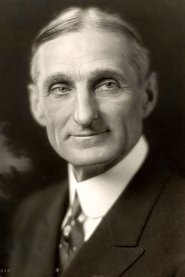 Edgar NortonMaster of Ceremonies
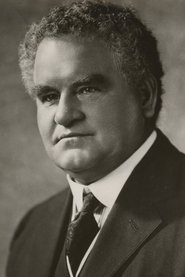 Lionel BelmorePrime Minister
 Russ PowellAfghan Ambassador
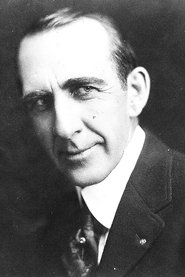 Carl StockdaleThe Admiral
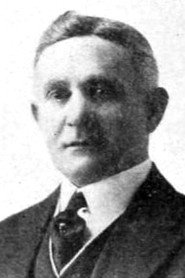 Albert RoccardiThe Foreign Minister
- Anton VaverkaCabinet Minister
Directing
- Ernst LubitschDirector
Writing
- Clifford GreyLyricist
- Jules ChancelOriginal Story
- Leon XanrofOriginal Story
- Ernest VajdaStory
- Guy BoltonWriter
Production
- Ernst LubitschProducer
Recommended by
Top Hat, Le Million, The Smiling Lieutenant, One Hour with You, The Merry Widow, Naughty Marietta, Love Me Tonight, Rio Rita, The Rogue Song, Innocents of Paris, The Cat and the Fiddle, Sweet Adeline, Spanish Eyes, La fille du régiment, Caravan, The Gypsy Baron, The Vagabond King, Whoopee!