
Film
Love Me Tonight
- Romantic comedy
- Light-hearted
A 1932 musical romance where a Parisian tailor chases a princess across the French countryside to collect a debt, only to tumble into love. Directed by Rouben Mamoulian with inventive choreography and Rodgers & Hart songs, it's a feather-light confection of charm, wit, and genuine class. For anyone who loves old Hollywood at its most playful.
Should you watch it?
Watch it if you like romantic comedy that runs on wit and a playful, almost giddy visual sense, where songs and gliding camera work carry the joke as much as the dialogue.
Skip it if you need your romantic comedies fast and modern, since its courtship is leisurely, its jokes are stagey, and its 1932 theatrical pacing may feel creaky to some.
What it asks of you: At a brisk 89 minutes it stays light and bright, with frequent breaks into song and a sly, teasing courtship that rewards patient attention more than rapid plotting.
Not sure? Find tonight's pick in a minute.
If you liked this
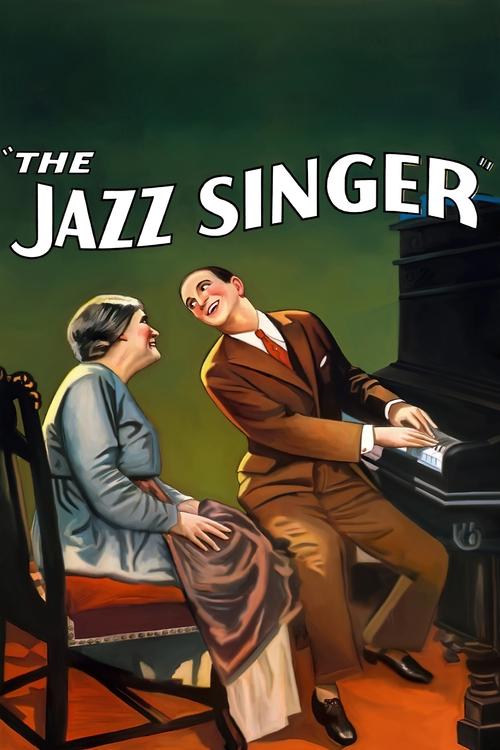
The Jazz Singer1927
The film that proved audiences would sit through talking pictures. Al Jolson's performance has warmth and star power, and the songs still land. A landmark moment where cinema suddenly learned to sing.
But The blackface sequences are historically significant but deeply uncomfortable to watch today, and the sentiment can feel treacly by modern standards.
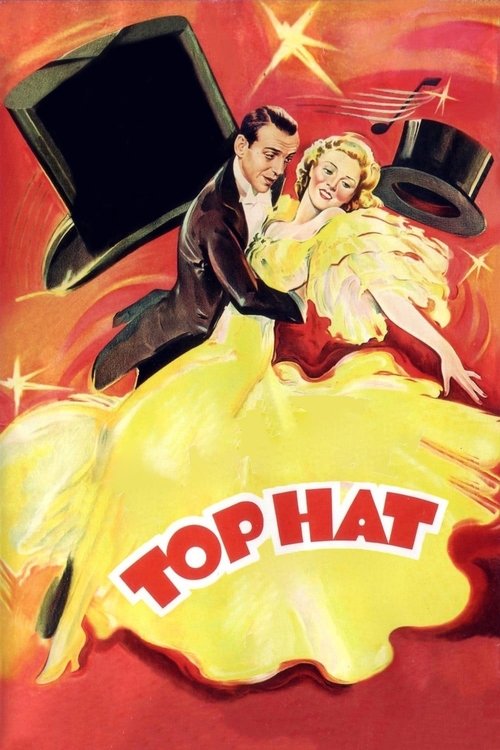
Top Hat1935
Fred Astaire and Ginger Rogers at their absolute peak, gliding through a razor-sharp script with the Venetian setting as a jeweled backdrop. The dancing is pure joy, the romance feels earned, and the comedy timing is flawless.
But If you're not already seduced by tap dancing and 1930s banter, the plot's thin machinery might feel quaint rather than charming.
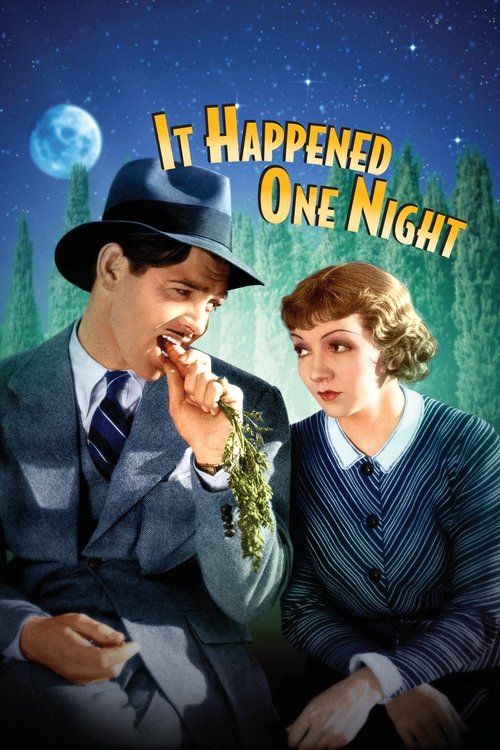
It Happened One Night1934
Screwball comedy perfected. Clark Gable and Claudette Colbert spar, flirt, and build genuine chemistry across a cross-country romance. Sharp, fast, and endlessly rewatchable—a template that still works.
But The gender politics date it in ways that might register as jarring, even if the film's heart is in the right place.
Not sure tonight? Get a pick in a minute, starting from Love Me Tonight
The wildcard
Something you would not have found on your own.
Singin' in the Rain1952
Both are films about performance itself, about the gap between what we show the world and who we are beneath it. Both ask: what does it mean to be charming for a living? Both answer with music and grace.
The musical to end all musicals: Kelly, Donen, and the MGM orchestra at their zenith. The title number alone is transcendent. But it's the backstage story—the collision of silent film dying and talkies arriving—that gives weight to all that joy.
But If you find Gene Kelly's relentless perkiness exhausting, this film will feel like two hours of that, unrelenting and unapologetic.

More like this (7)
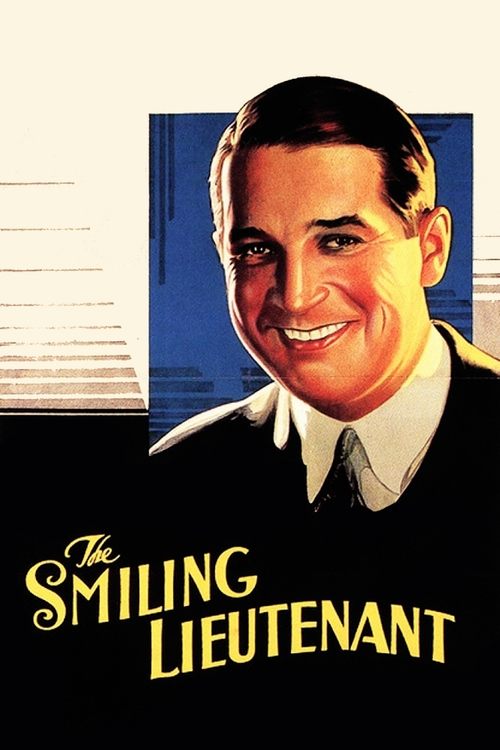
The Smiling Lieutenant1931
Ernst Lubitsch's masterclass in sophisticated comedy, with Maurice Chevalier (yes, him again) making light of military romance and royal complications. The 'Lubitsch touch'—that wink of innuendo—is on full display.
But It's slight, and deliberately so. If you need plot momentum or emotional stakes, you'll find neither here.
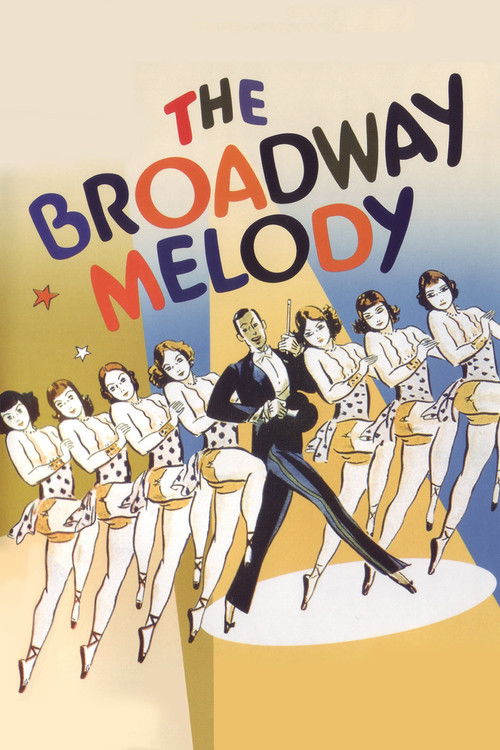
The Broadway Melody1929
MGM's first musical, and it moves like a rocket. The backstage romance and sibling rivalry feel lived-in, and the production numbers are genuinely inventive for the era.
But The sound recording is sometimes shrill, the pacing can feel herky-jerky, and sentimentality crowds out the musical numbers occasionally.
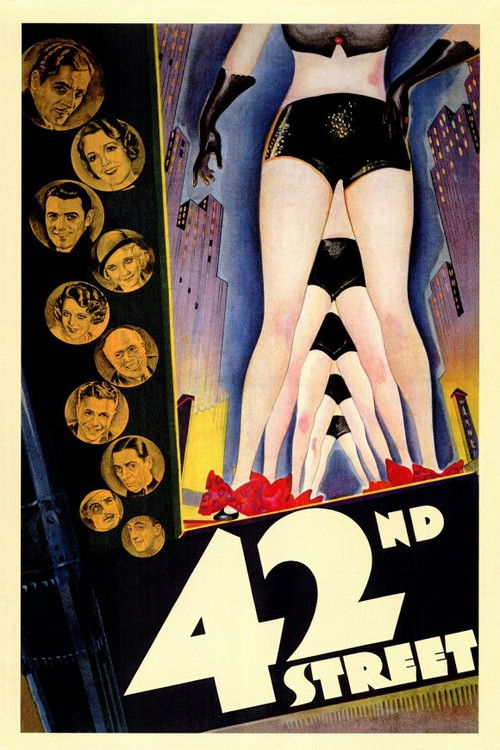
42nd Street1933
Busby Berkeley's choreography feels like architecture made of bodies. The production numbers are astonishing, the cast is appealing, and there's real urgency beneath the gloss about a show trying to get to opening night.
But The plot is utterly generic, and the objectifying lens through which the dancers are filmed will feel uncomfortable to modern viewers.
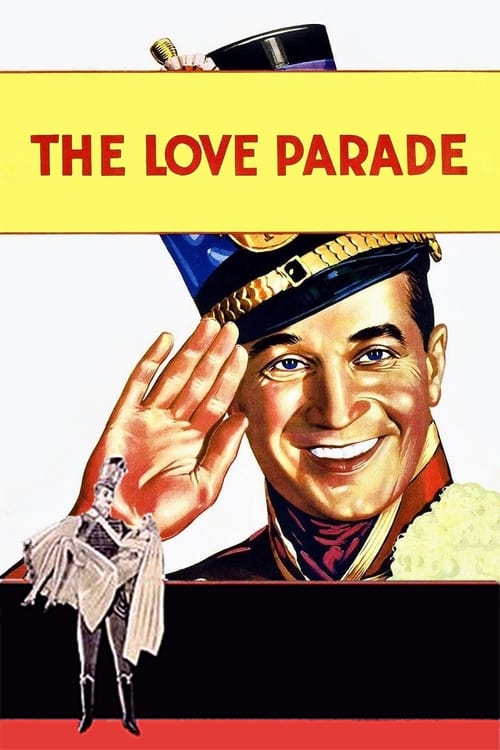
The Love Parade1929
Another Lubitsch gem, another Chevalier vehicle. The early Technicolor is lush, the double-entendres are elegant, and it's a genuine precursor to everything that works in Love Me Tonight.
But Early sound technology makes some dialogue hard to parse, and the charm depends entirely on whether you're in the mood for 1929's brand of sophistication.
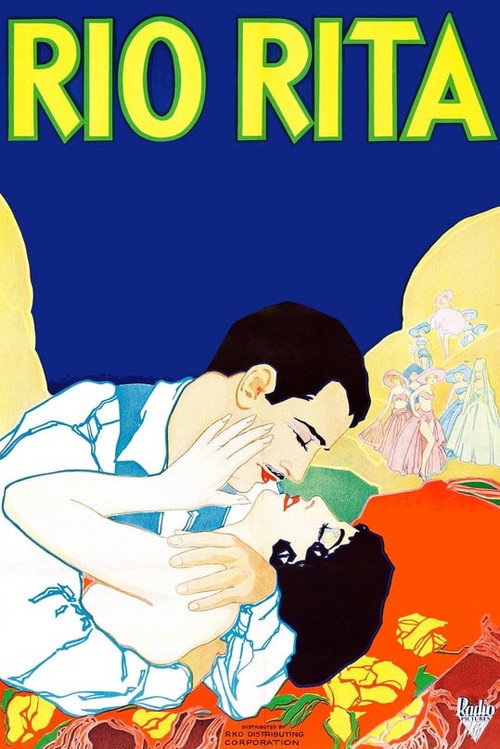
Rio Rita1929
A pre-code musical comedy that doesn't take itself seriously for a second. The songs are catchy, the costume design is dazzling, and it moves at a clip that would exhaust modern audiences.
But The jokes are thin, the plot is thinner, and a lot of it is genuinely silly in ways that test patience rather than reward it.
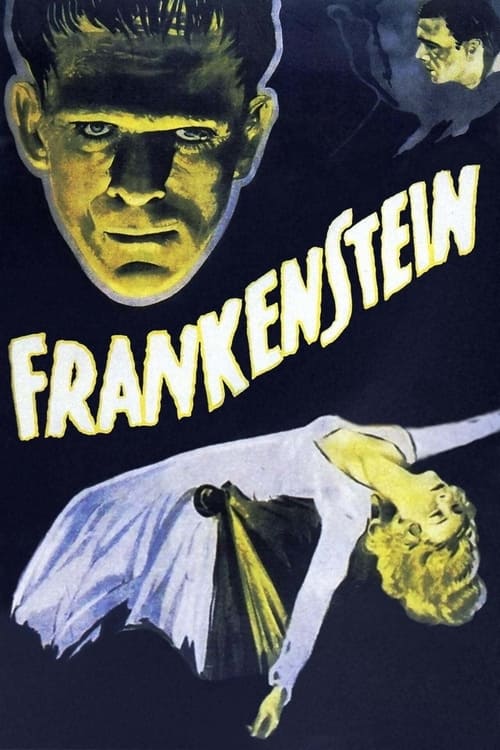
Frankenstein1931
A landmark horror film that's still genuinely eerie, with Boris Karloff giving the Monster unexpected pathos. The cinematography is moody and gorgeous, and the pacing builds dread.
But It's brief, which some find unsatisfying, and the science is intentionally vague rather than explained, which can feel like cheating.
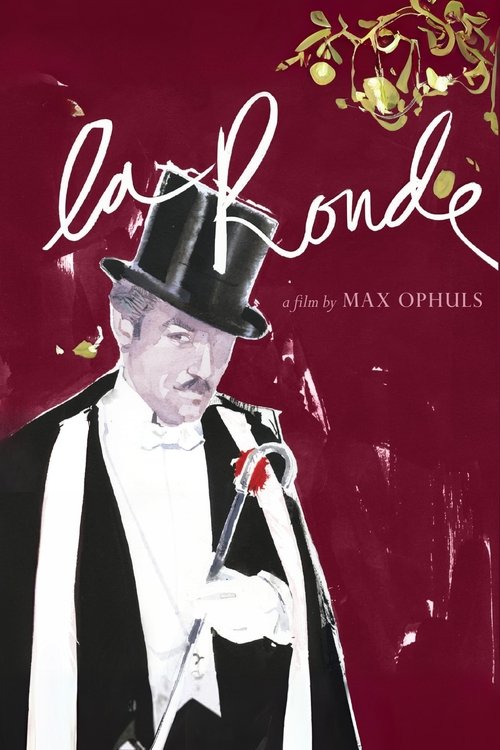
La Ronde1950
Both are essentially about surfaces—costume, flirtation, the performed self—but where Love Me Tonight finds warmth in that performance, La Ronde suggests it's the only reality we get. Same mechanics, opposite conclusions.
Max Ophüls's carousel of seduction across Vienna society, where each encounter leaves one lover and picks up another in an endless chain. The camera glides, the music swoons, and the structure itself becomes the argument—desire moves through us all the same way.
But It's European cinema, which means it's patient and circling rather than driving. If you need a protagonist to root for, you'll be frustrated. The fatalism can feel cold.
People
Cast
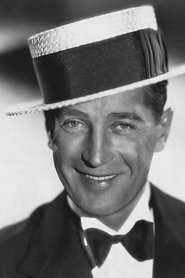 Maurice ChevalierMaurice 'Baron' Courtelin
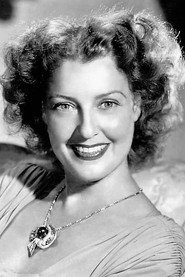 Jeanette MacDonaldPrincess Jeanette
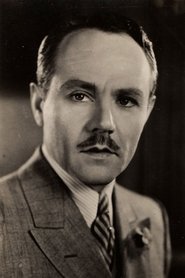 Charles RugglesViscount Gilbert de Varèze
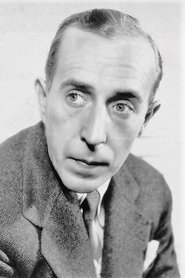 Charles ButterworthCount de Savignac
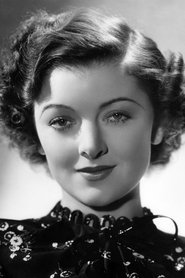 Myrna LoyCountess Valentine
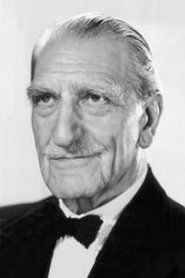 C. Aubrey SmithDuke d'Artelines
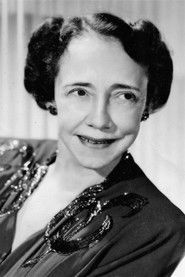 Elizabeth PattersonFirst Aunt
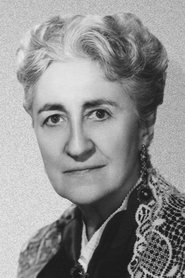 Ethel GriffiesSecond Aunt
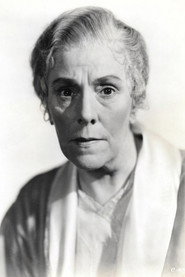 Blanche FridericiThird Aunt
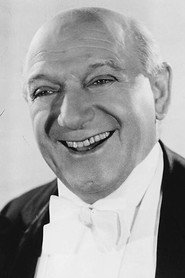 Joseph CawthornDr. Armand de Fontinac
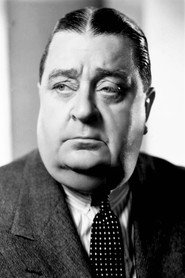 Robert GreigMajor Domo Flammand
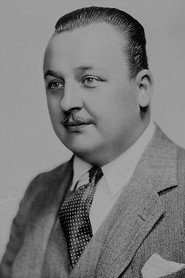 Bert RoachEmile
Directing
- George HippardAssistant Director
- Rouben MamoulianDirector
Writing
- Lorenz HartLyricist
- George Marion Jr.Screenplay
- Samuel HoffensteinScreenplay
- Waldemar YoungScreenplay
- Léopold MarchandTheatre Play
- Paul ArmontTheatre Play
Production
- Fred A. DatigCasting
- Mel BallerinoCasting
- Joe EgliCasting Assistant
- Rouben MamoulianProducer