
Film
The Broadway Melody
This is the one that started it: the first talkie to win Best Picture, and the first backstage-musical love triangle a hundred imitators would later polish smooth. The camera barely moves, the sound recording is primitive, and the pacing creaks — but there's real electricity in watching Hollywood figure out, in real time, what a musical even is. For film history buffs more than casual viewers.
If you liked this
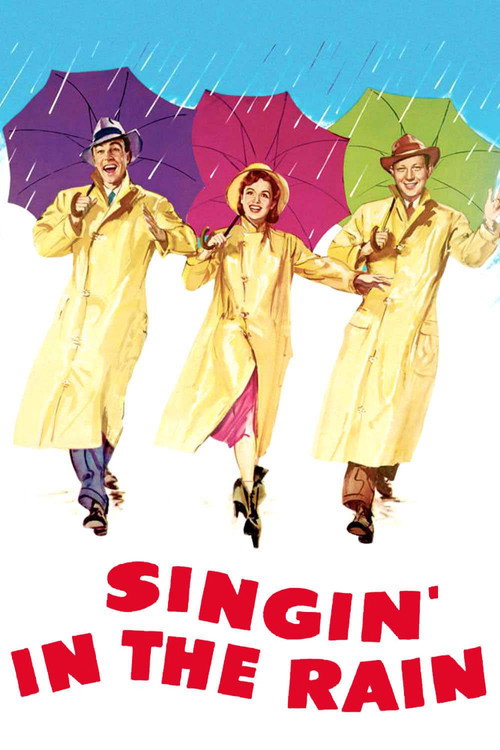
Singin' in the Rain1952
The definitive comedy about exactly the transition The Broadway Melody was fumbling through live — talkies arriving and wrecking careers overnight. Funnier, faster, and infinitely more assured than anything from 1929.
But So beloved and so often cited it can feel like homework rather than a discovery.
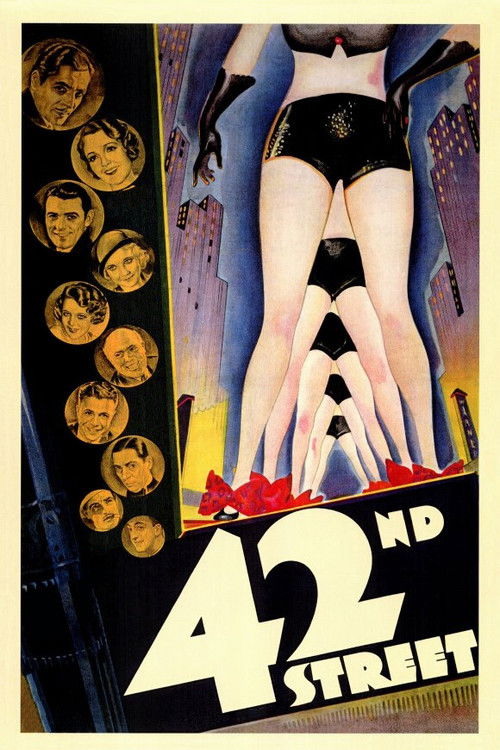
42nd Street1933
The backstage-musical formula The Broadway Melody invented, done four years later with Busby Berkeley's kaleidoscope choreography and a script that actually crackles. This is the template everyone remembers.
But Cynical, fast-talking Depression-era energy — less romantic warmth, more showbiz machine.
Gold Diggers of 19331933no page yet
Chorus girls, broke producers, and men who can't be trusted — the same DNA as The Broadway Melody but sharper, funnier, and unafraid to get political about money and survival.
But The tonal whiplash between wisecracking comedy and the grim 'Remember My Forgotten Man' finale surprises people.
The wildcard
Something you would not have found on your own.
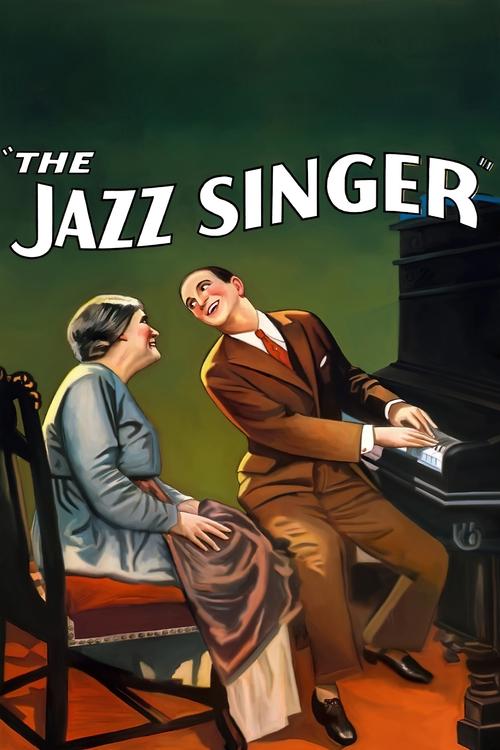
The Jazz Singer1927
This is literally the film that made The Broadway Melody possible — the birth of synchronized sound in a feature, one rung further back on the same ladder.
The actual first commercial talkie, made two years earlier, still mostly silent with sound bursting through in a few electrifying scenes. Watching it makes The Broadway Melody's confidence look almost inevitable in hindsight.
But Its blackface minstrel sequences are genuinely difficult to watch and haven't aged into anything but a historical wound.
More like this (8)
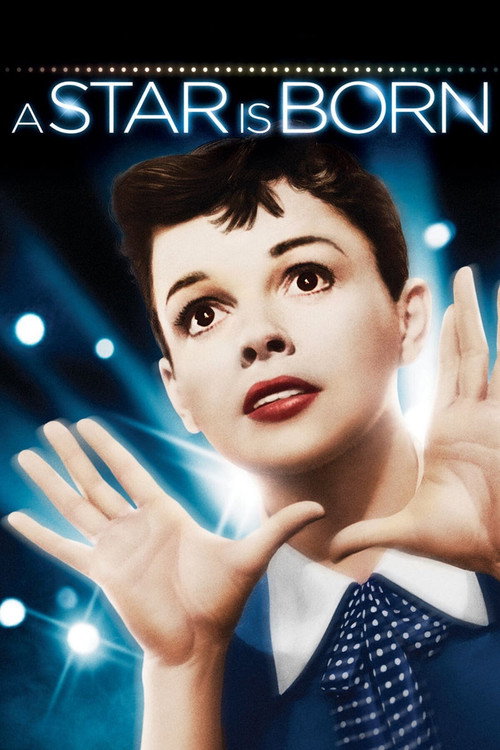
A Star Is Born1954
Judy Garland's performance turns the rising-star-versus-falling-star showbiz story into something genuinely devastating. If you want the emotional weight The Broadway Melody only gestures at, this delivers it.
But Nearly three hours, and it earns its tears the hard way — this is not a light watch.
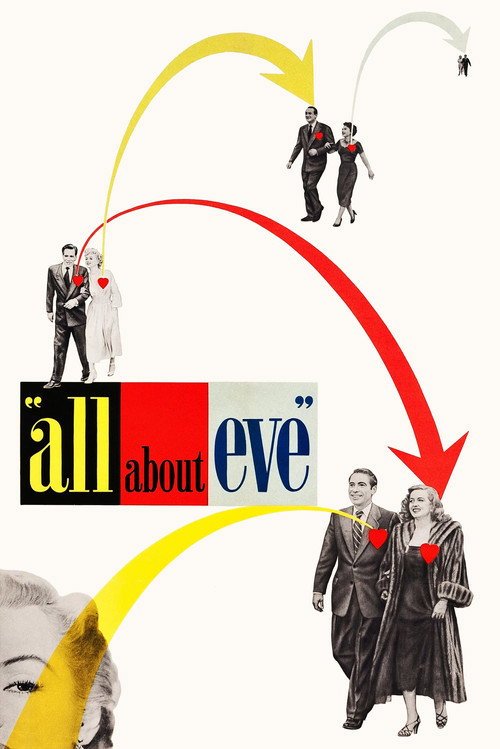
All About Eve1950
Swap the vaudeville stage for Broadway theatre and the sisters for rivals, and you get the same industry-eats-its-own bones with dialogue so sharp it still cuts. Bette Davis is magnificent.
But Talky and theatrical by design — if you wanted music and spectacle, this offers none.
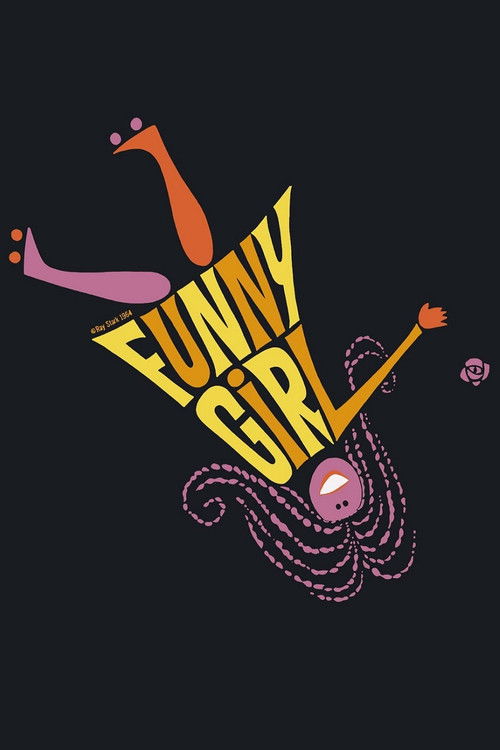
Funny Girl1968
Barbra Streisand as a vaudeville girl who becomes a Broadway star and falls for the wrong man — practically a remake of the emotional shape here, just with a voice that stops time.
But Nearly two and a half hours, and Streisand's persona dominates every frame, for better or worse.
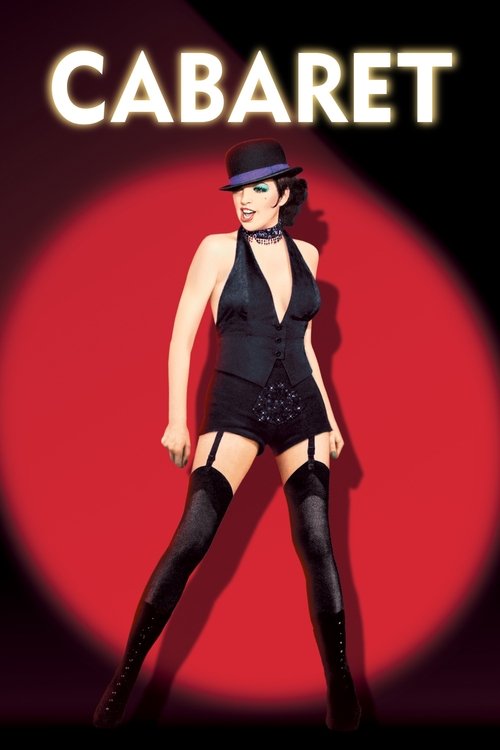
Cabaret1972
Takes the backstage-romance musical and drags it somewhere darker and stranger, with Weimar Berlin curdling around the edges of every number. Proof the genre could grow teeth.
But Politically heavy and deliberately unsettling — not the comfort-musical experience some expect.
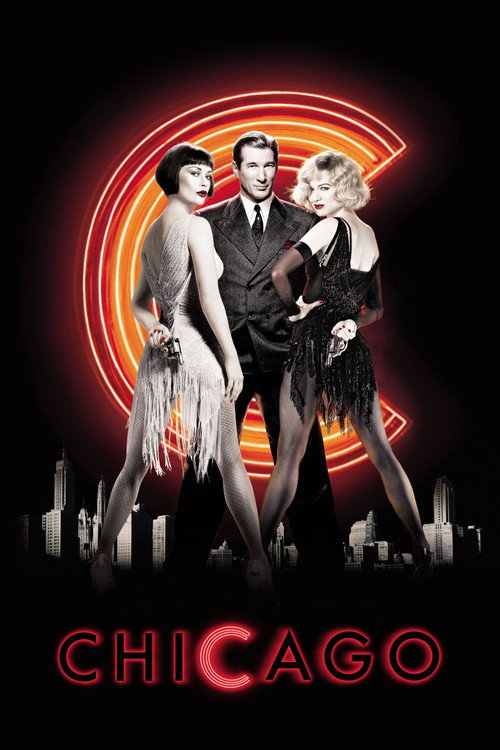
Chicago2002
Two women, showbiz ambition, and men who complicate everything — filtered through murder, satire, and Bob Fosse's fingerprints on every edit. A slick, cynical descendant of this whole family of films.
But Style-over-substance editing and jazzy irony instead of sincerity — some find it exhausting rather than exhilarating.
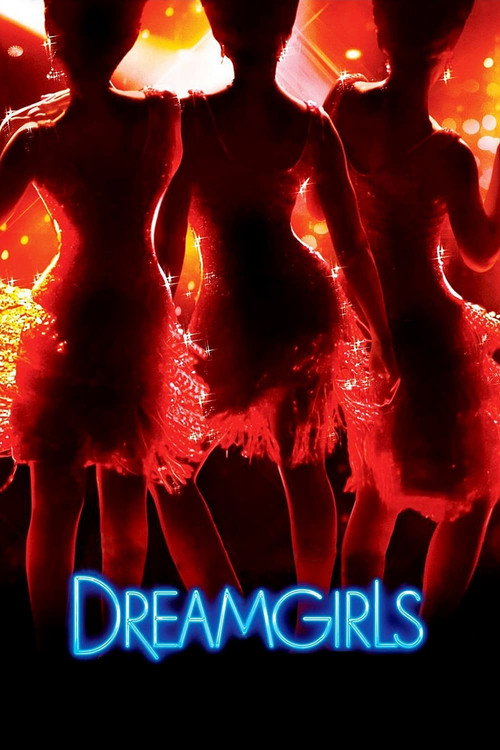
Dreamgirls2006
A girl-group version of the same story — loyalty, love, and the industry's cost — with Jennifer Hudson's performance alone worth the price of admission.
But Glossy and Oscar-baity in ways that can feel calculated rather than lived-in.
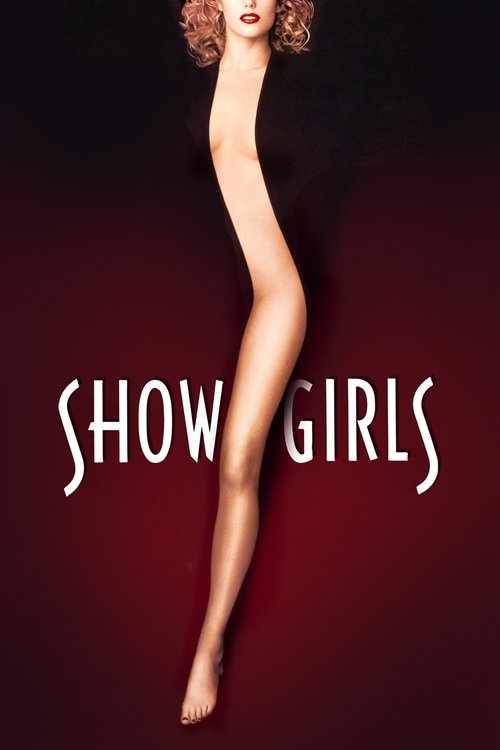
Showgirls1995
Same skeleton as The Broadway Melody — innocent performer, corrupting money, a love triangle — stripped of its sincerity and rebuilt as lurid excess. The wholesome version's evil twin.
A naive girl arrives to make it in showbiz, gets tangled with the wrong crowd, learns the industry chews people up — but Verhoeven turns every dial to eleven and it's gloriously, ridiculously trashy.
But It's garish, explicit, and was mocked mercilessly on release — camp value only if you're in on the joke.
Kaagaz Ke Phool1959no page yet
Same premise — showbiz romance, industry as a machine that discards people — but from another country's golden age, drained of Broadway Melody's chirpy optimism and replaced with grief.
Guru Dutt's black-and-white Bollywood masterpiece about a film director destroyed by love and the industry that made him. Visually stunning, achingly sad, and one of Indian cinema's great tragedies.
But Nearly three hours of slow, mournful melancholy in Hindi with subtitles — the opposite of a breezy musical.
People
Cast
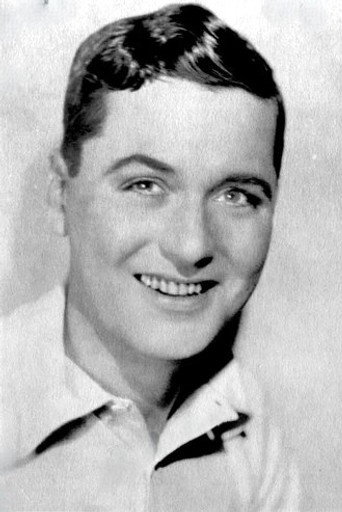 Charles KingEddie Kearns
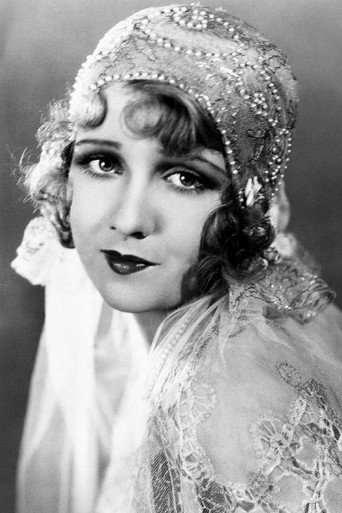 Anita PageQueenie Mahoney
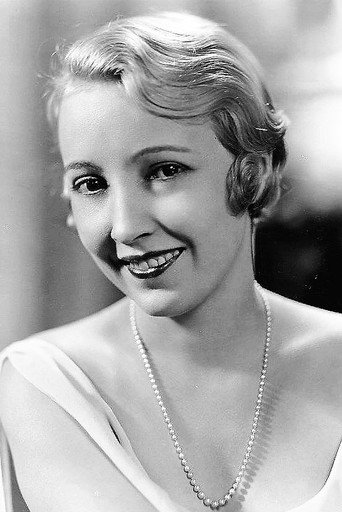 Bessie LoveHarriet 'Hank' Mahoney
- Betty ArthurChorus Dancer (uncredited)
- J. Emmett BeckBabe Hatrick (uncredited)
- Nacio Herb BrownPianist (uncredited)
- James BurrowsSinger (uncredited)
- Eddie BushQuartet Guitarist and Singer (uncredited)
- Ray CookeBellhop (uncredited)
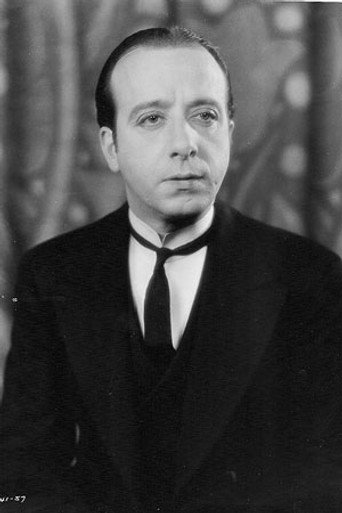 Drew DemorestTurpe - Costumer (uncredited)
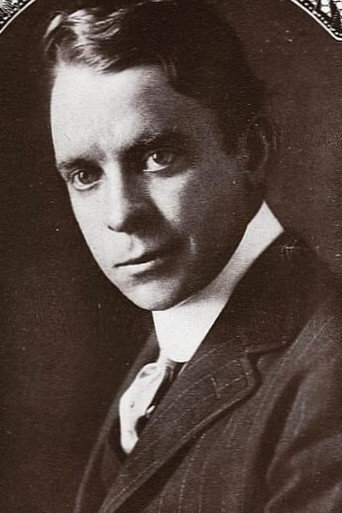 Edward DillonDillon - Stage Manager (uncredited)
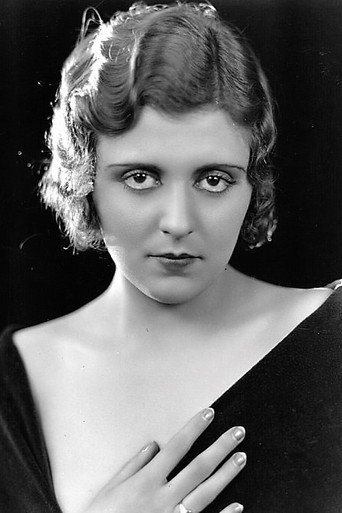 Mary DoranFlo (uncredited)
Directing
- Sarah Y. MasonContinuity
- Harry BeaumontDirector
Writing
- James GleasonDialogue
- Norman HoustonDialogue
- Arthur FreedLyricist
- Edmund GouldingWriter
Production
- Harry RapfProducer
- Irving ThalbergProducer
- Lawrence WeingartenProducer