
Film
The Singing Fool
The Singing Fool is a 1928 musical drama that launched Al Jolson to superstardom and became the highest-grossing film of its era. A waiter-turned-singer chases his big break in Broadway's glittering world, only to discover that success and love don't guarantee happiness. It's a sentimental, melodramatic ride with Jolson's theatrical magnetism at its center—moving for those who connect with its heartfelt performances and period charm, but the emotional manipulation lands differently now.
Should you watch it?
Watch it if you have a soft spot for early sound cinema, where a singer's voice arriving on screen still feels like a small miracle and sentiment is played straight, with no irony in sight.
Skip it if you find early talkie acting stagey and syrupy sentiment hard to sit through, the singing numbers and tearful swells may test your patience.
What it asks of you: Around an hour and forty minutes, pitched at a melodramatic emotional register, with long silent-style stretches of acting broken by sudden bursts of song.
Not sure? Find tonight's pick in a minute.
If you liked this
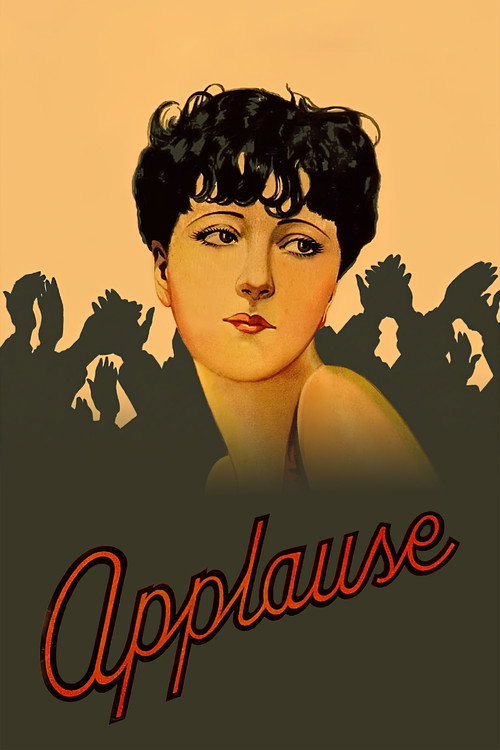
Applause1929
Rouben Mamoulian's early talkie about a Broadway dancer and her daughter rivals The Singing Fool for emotional weight and technical innovation. It's urgently alive, shot with real dynamism, and Marlene Dietrich's mother is unforgettable.
But It's slightly slower-paced than you'd expect, and the melodrama—while intentional—can feel heavy-handed if you're watching for plot rather than character.
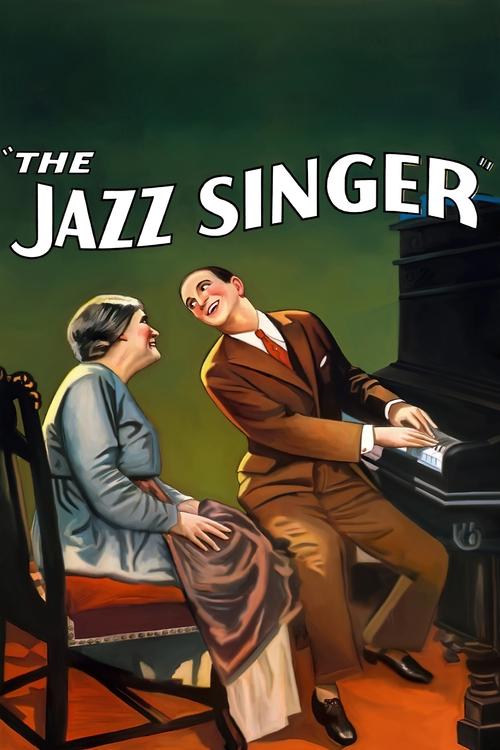
The Jazz Singer1927
The film that started the talkie revolution. Jolson also stars, and while it's simpler than The Singing Fool, it has the same raw emotional honesty and the same period magic. Essential viewing if you're curious about where Jolson's fame began.
But The blackface sequences are genuinely difficult to watch, even knowing the historical context. It's a real barrier to entry, not a footnote.
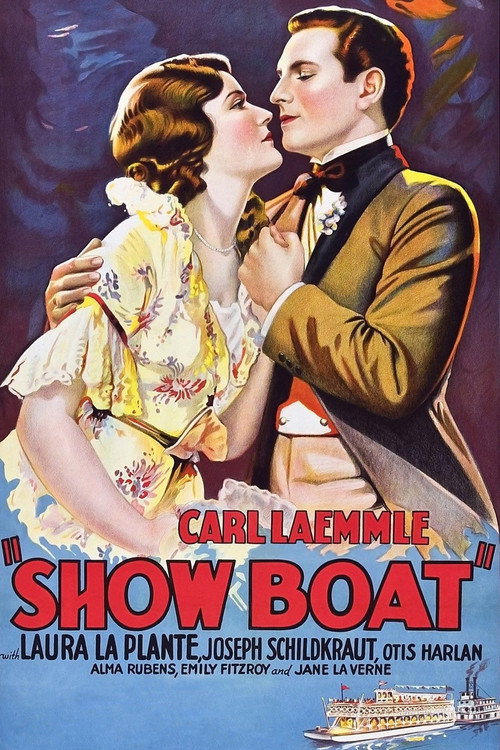
Show Boat1929
Another 1929 musical-drama with genuine pathos and stunning set design. It has the same blend of Broadway spectacle and human vulnerability that makes The Singing Fool compelling, with stronger songs and a richer ensemble.
But The pacing is uneven, and some scenes drag. The print quality also varies depending on where you watch it.
Not sure tonight? Get a pick in a minute, starting from The Singing Fool
The wildcard
Something you would not have found on your own.
Vaudeville1992
The Singing Fool is essentially a love letter to vaudeville at the moment sound cinema was about to kill it. Understanding that world makes the film's nostalgia—even as it celebrates the new medium—much richer.
A documentary series celebrating the vaudeville era that made Jolson a star. It contextualizes The Singing Fool within the tradition it's part of, showing you the actual theatrical world the film was attempting to capture. You see the real thing, not just the movie version.
But It's a documentary, not narrative fiction. If you're watching for plot and character, this is material rather than entertainment. Episodes can feel archival and dry.
More like this (8)
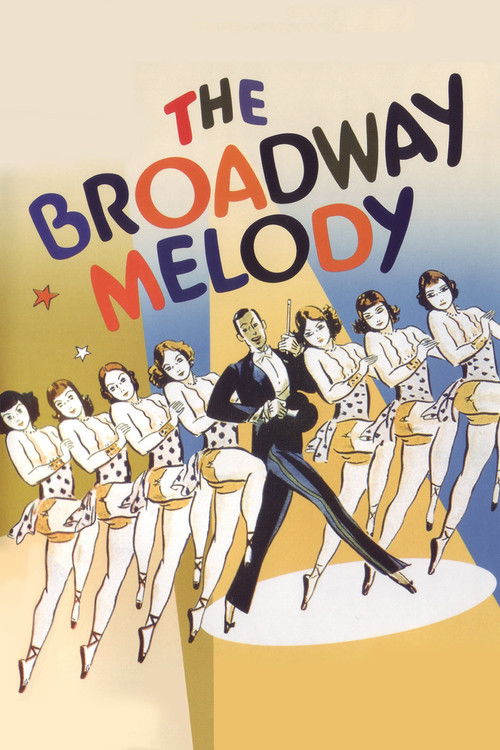
The Broadway Melody1929
The first musical ever to win Best Picture, and for good reason. It captures the seductive glamour and brutal disappointment of show business with style and emotional clarity. Less sentimental than The Singing Fool but equally gripping.
But Some of the comedy feels dated and occasionally borders on uncomfortable. The dancing, while impressive for 1929, won't dazzle you if you're used to later musicals.
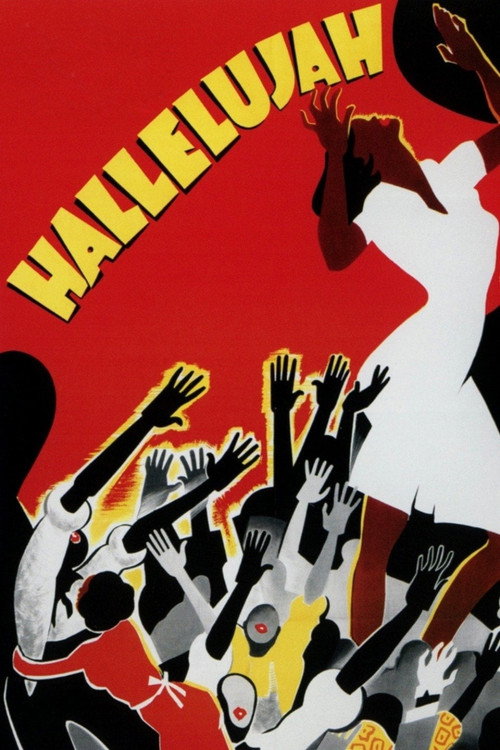
Hallelujah1929
King Vidor's first all-Black talkie about a man torn between sin and redemption in the American South. It has the same spiritual and emotional weight as The Singing Fool, but far greater artistic ambition and visual poetry.
But The film contains racial stereotypes and problematic language reflecting its era. Vidor's intentions were progressive for 1929, but that doesn't erase what's on screen.
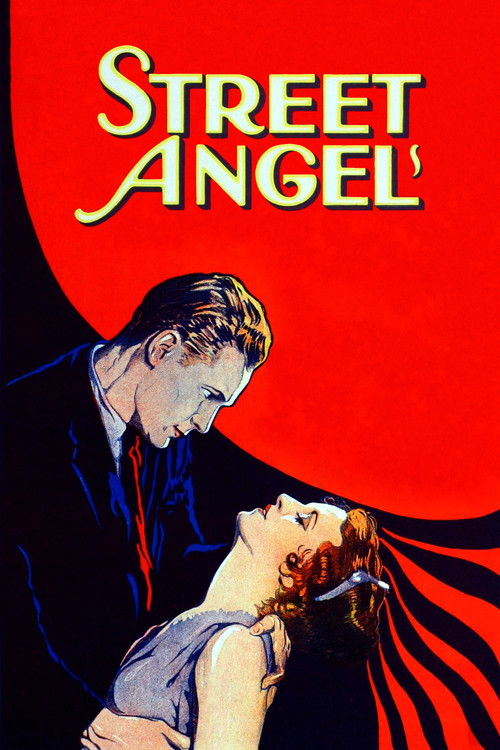
Street Angel1928
Frank Borzage's silent melodrama about a poverty-stricken woman and a soldier has the same romantic ache as The Singing Fool. It's gorgeously shot and Janet Gaynor is heartbreaking. A reminder of what was possible before sound.
But It's silent, which means no Jolson vocals—the main draw of The Singing Fool. The pacing also feels glacial if you're used to dialogue-driven films.
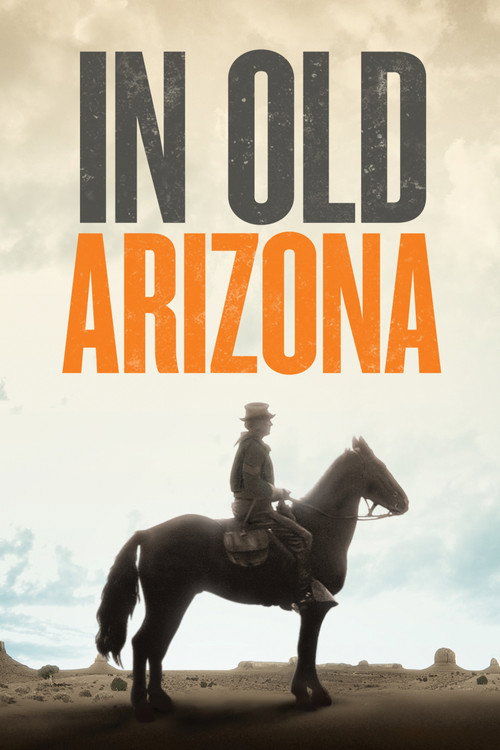
In Old Arizona1928
One of the first outdoor talkies, with Edmund Lowe as a charming bandit. It has warmth and humor that balances the melodrama, and the sound recording was genuinely innovative. A lighter alternative to The Singing Fool's emotional intensity.
But The plot is thinner and the performances less consistent. It feels more like a curiosity than a fully realized film, even for 1928.
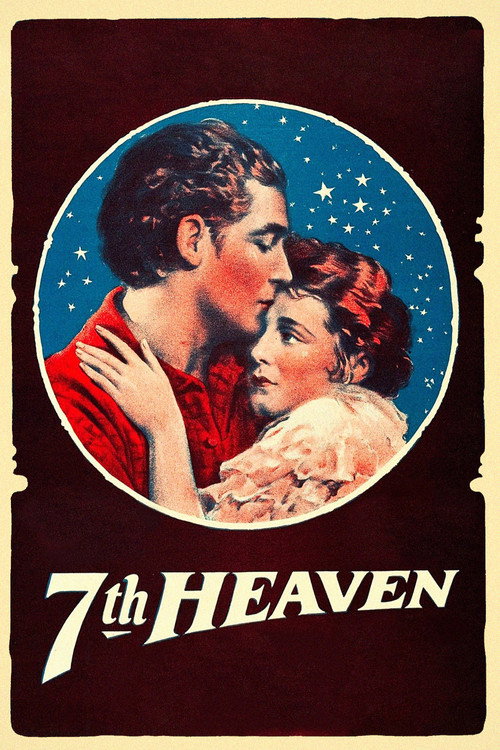
7th Heaven1927
Frank Borzage's silent romance about a sewer cleaner and a street waif is pure emotional cinema. It won the first Academy Award for Best Picture. If you love The Singing Fool's sentimentality without the show business angle, this is essential.
But It's silent and the plot is genuinely slight—the whole film rests on the chemistry between its two leads and Borzage's visual poetry. That won't satisfy everyone.
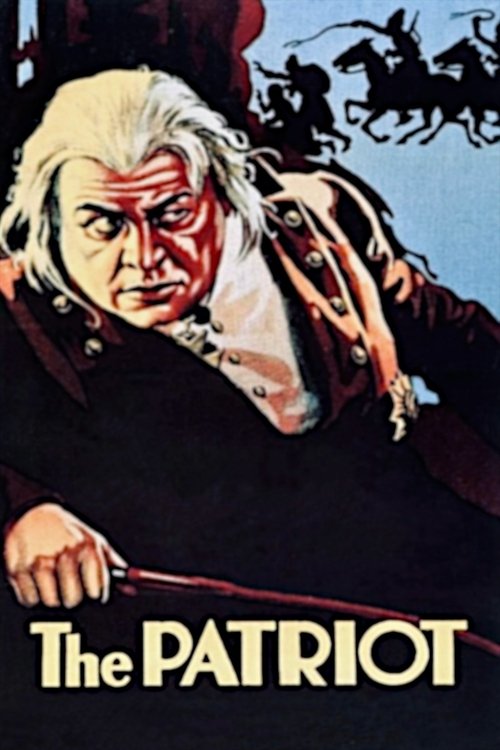
The Patriot1928
Emil Jannings in a military melodrama set during World War I. It has the same emotional sweep as The Singing Fool and Jannings delivers a powerhouse performance. Less well-known but equally moving in its way.
But The film is difficult to find in good condition, and even restored prints vary in quality. The plot also veers into melodrama that strains credibility.
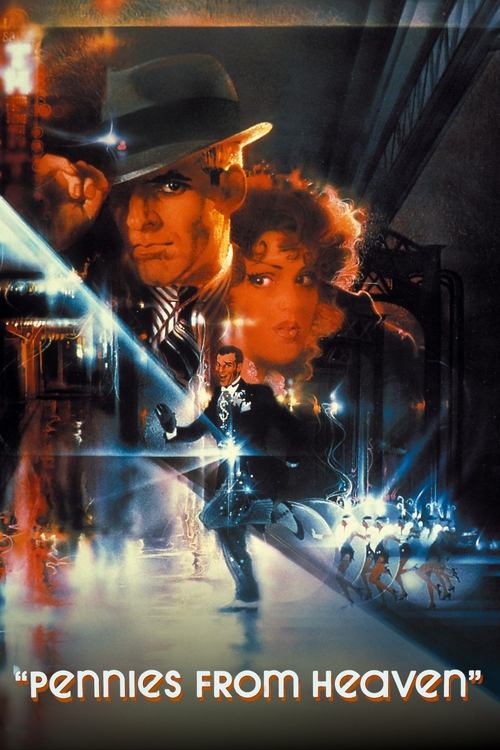
Pennies from Heaven1981
Both films use the musical number as a space where characters can express what they can't say in dialogue. But Potter uses that gap to expose the cruelty of the gap itself—between fantasy and reality, desire and circumstance.
Dennis Potter's TV film transplants the Depression-era musical-melodrama template into a darker, more sexually frank modern register. Steve Martin plays a sheet-music salesman whose fantasy life and real life collide. It's what The Singing Fool would be if written by someone angry about false hope.
But It's sexually explicit and deeply cynical about love and entertainment. The tone shifts between whimsy and despair will feel jarring if you want consistency. And Steve Martin in a serious dramatic role isn't what audiences expected in 1981.
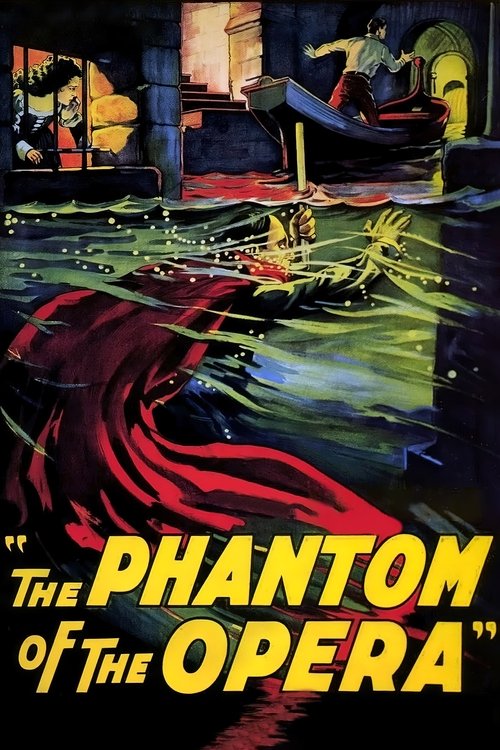
The Phantom of the Opera1925
Both center on a performer's absolute devotion to their art and the price that devotion extracts. The Phantom shows you what happens when that devotion becomes pathological; The Singing Fool shows it breaking a good man. Same engine, opposite directions.
Lon Chaney in the silent masterpiece about obsession and performance. It's the dark mirror to The Singing Fool's hope. Where Jolson climbs toward the spotlight, Chaney's Phantom dwells in shadow, yet both films are equally mesmerized by theater's power to transform and destroy.
But It's a horror film first and a musical second. The Phantom's obsession is genuinely unsettling, and if you want The Singing Fool's warmth, this is the opposite. Also silent, which means no songs at all.
People
Cast
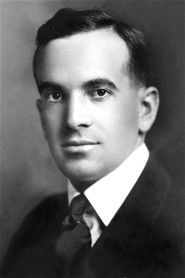 Al JolsonAl Stone
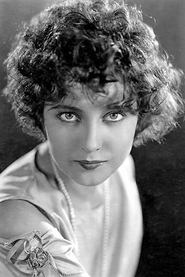 Betty BronsonGrace
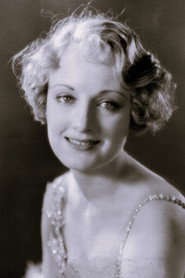 Josephine DunnMolly Winton
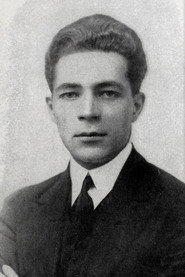 Arthur HousmanBlackie Joe
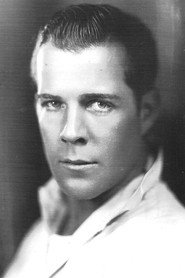 Reed HowesJohn Perry
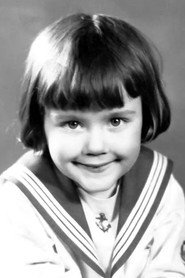 Davey LeeSonny Boy
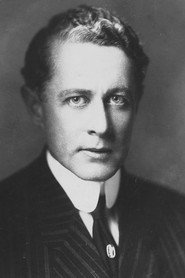 Edward MartindelLouis Marcus
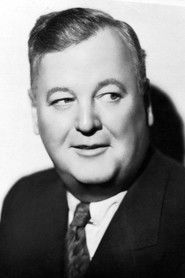 Robert Emmett O'ConnorCafe Owner Bill
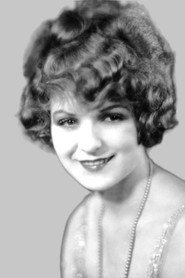 Helen LynchMaid
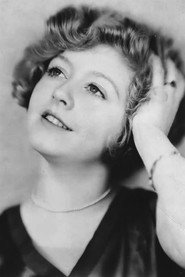 Agnes Franey'Balloon' Girl
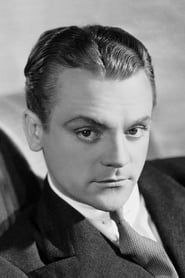 James CagneyHandsy Patron at Blackie Joe's (uncredited)
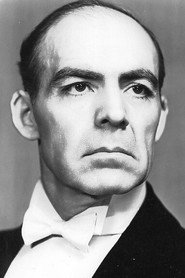 William H. O'BrienWaiter at Blackie Joe's (uncredited)
Directing
- Frank ShawAssistant Director
- Lloyd BaconDirector
Writing
- C. Graham BakerAdaptation
- Joseph JacksonDialogue
- C. Graham BakerWriter
Production
- Darryl F. ZanuckProducer