
Film
Syncopation
Other titles called Syncopation: the 1942 film.
A 1929 musical comedy about a dance duo navigating Broadway's boom and bust. It's a brisk, cheerful film stuffed with live performances from Fred Waring's orchestra, built on the creaky romantic plotting of early talkies but saved by genuine musical talent and the electric energy of performance itself. For anyone curious about how early sound cinema figured out what movies could do.
Should you watch it?
Watch it if you love backstage musicals from the earliest talkie years, where the songs and dance numbers matter more than polish, and you enjoy watching a bandleader and his orchestra play themselves with easy charm.
Skip it if the creaky early-sound staging, stiff acting and static camera will test your patience, and the romantic tangle at its centre is thin and familiar.
What it asks of you: At 83 minutes it moves between stage and nightclub at a brisk clip, with long stretches of song and dance that you have to sit through rather than skim.
Not sure? Find tonight's pick in a minute.
If you liked this
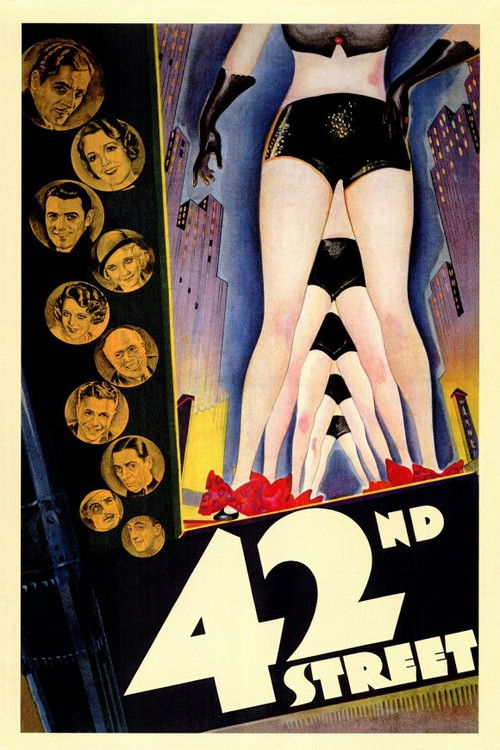
42nd Street1933
The blueprint for backstage musicals: a show within a show, a cynical director, fresh-faced talent, and production numbers so inventive they still dazzle. Busby Berkeley's choreography justifies the genre.
But The plot is thin even for 1933, and the pacing feels slack to modern eyes between musical numbers. Some of the humor lands badly now.
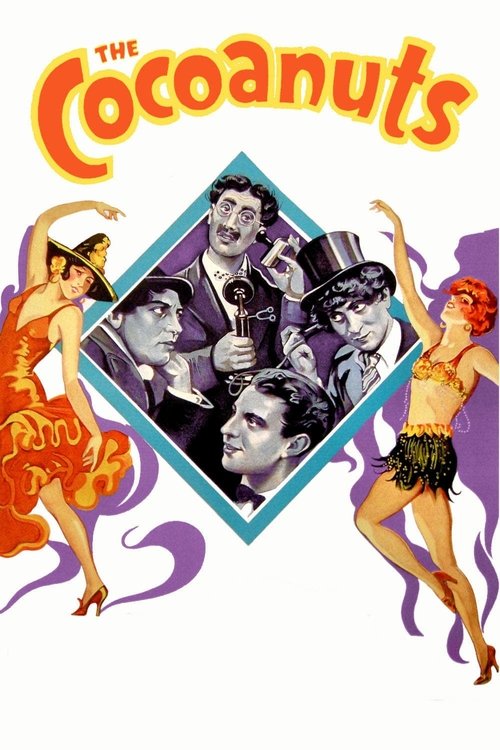
The Cocoanuts1929
Marx Brothers in their feature debut, right in Syncopation's moment. Raw, chaotic, barely a plot holding back their anarchic energy. A live-wire alternative vision of early sound comedy.
But Extremely primitive sound recording; the audio is tinny and hard to parse. The humor is often at odds with itself, which is the point but not everyone's point.
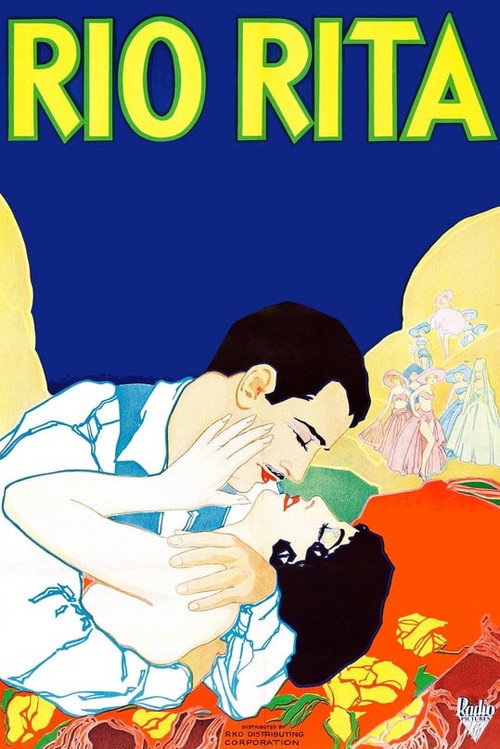
Rio Rita1929
MGM's musical answer to The Jazz Singer—lavish, confident, with real orchestras and dance sequences that show what Technicolor could promise. You can feel the industry's excitement about talking pictures.
But The story is negligible and the pacing glacial. Long stretches of backstory before anything musical happens. Love triangles were not this era's strong suit.
Not sure tonight? Get a pick in a minute, starting from Syncopation
The wildcard
Something you would not have found on your own.
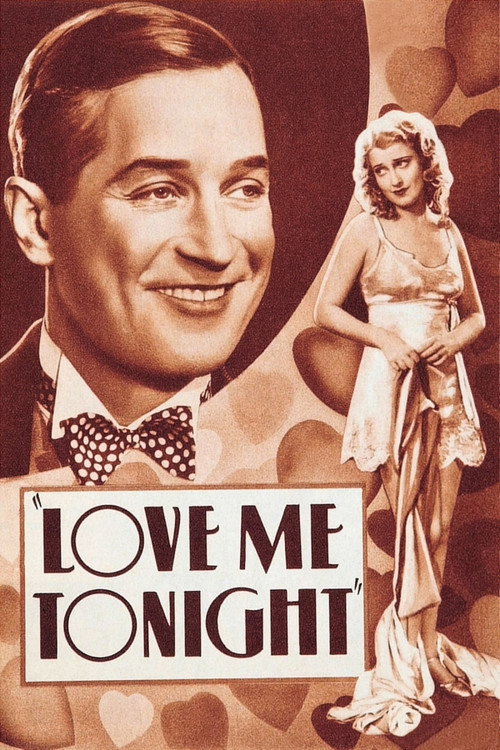
Love Me Tonight1932
Both are optimistic early sound films about performers and romance, but Love Me Tonight actually figured out how to integrate music into film syntax rather than just adding songs to a play.
Rouben Mamoulian's operetta film is everything early musicals aspired to: the camera dances instead of just filming dance, songs advance the plot, Jeanette MacDonald and Maurice Chevalier have genuine chemistry. It's cinema, not captured theater.
But It's an operetta, so prepare for genuine singing and operatic plotting. If light comedy and spectacle without coherent story appeal to you more than craft, this might feel slow.
More like this (7)
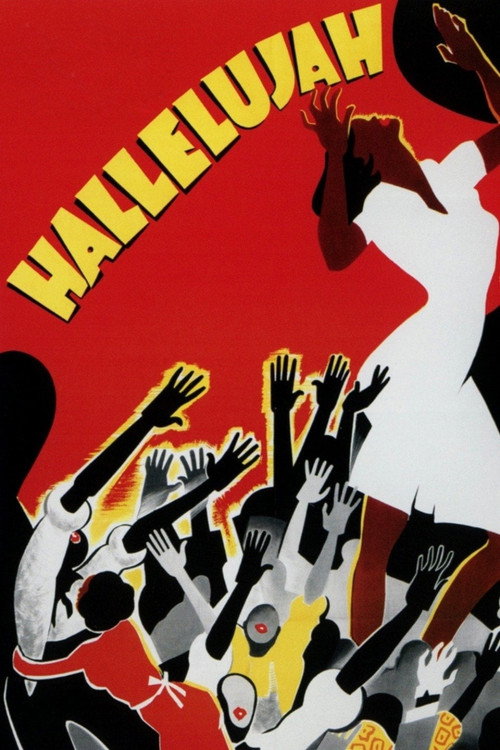
Hallelujah1929
King Vidor's first talkie, a radical choice: a film about Black American life, genuine jazz and spirituals, real locations instead of sets. Musically and narratively ambitious in ways that shamed its contemporaries.
But Vidor's perspective remains that of an outsider, and some casting and characterization reflects era prejudice. The melodrama is thick and the pacing uneven.
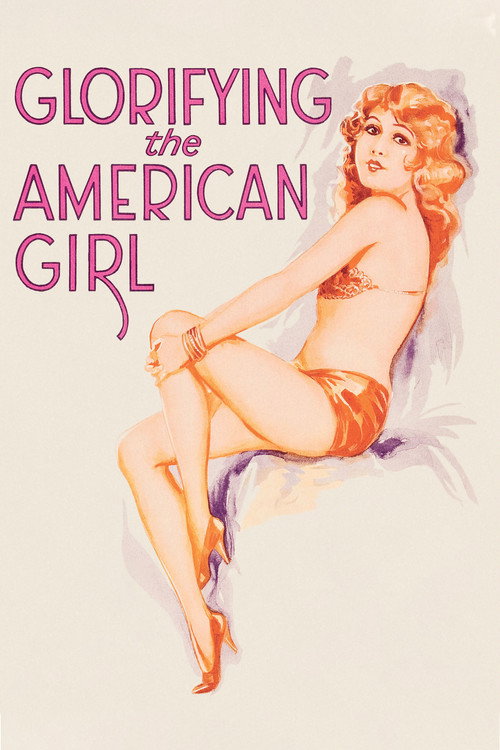
Glorifying the American Girl1929
A Ziegfeld production filmed like a revue, packed with vaudeville acts and Anny Ondra's genuine star quality. The spectacle is the story—basically a feature-length variety show that happens to have a love plot.
But There is no real momentum between numbers, just stalling dialogue. The film feels less like a movie than a filmed stage show, which works only if you love stage shows.
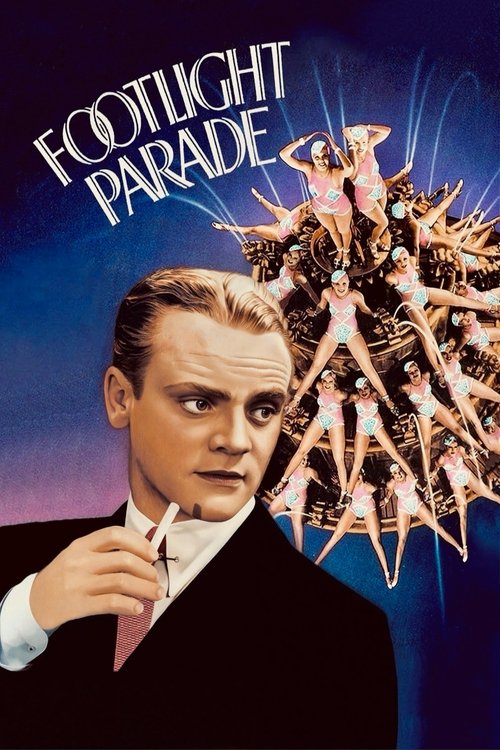
Footlight Parade1933
James Cagney produces and stars in a musical-within-a-musical with Berkeley's most extravagant choreography. The energy never stops, and Cagney's rhythm is infectious even when he's barely dancing.
But The plot is a total pretense for the numbers. If you're not invested in elaborate production sequences, the dialogue and story feel actively tedious.
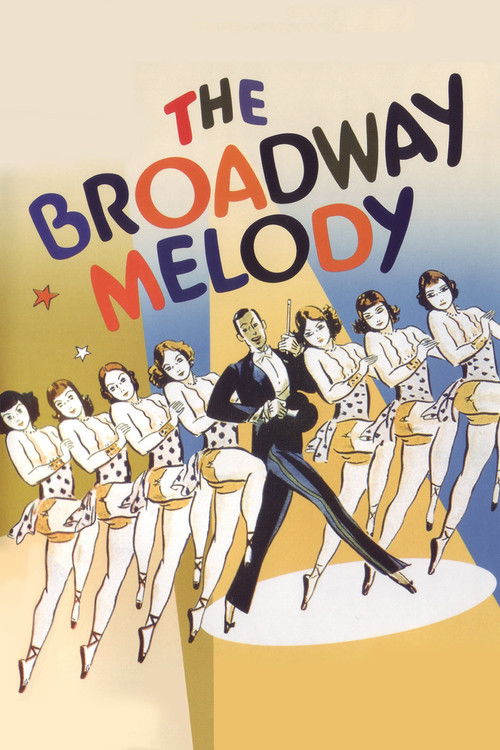
The Broadway Melody1929
First Best Picture winner, and you can see why: elegant black-and-white musicals, real craft, and a pair of sister dancers with genuine chemistry. It moves faster than its peers and knows what works.
But By any modern standard it's slow. The emotional beats are melodramatic, and the whole thing feels more like filmed theater than cinema—which some will love, others won't.
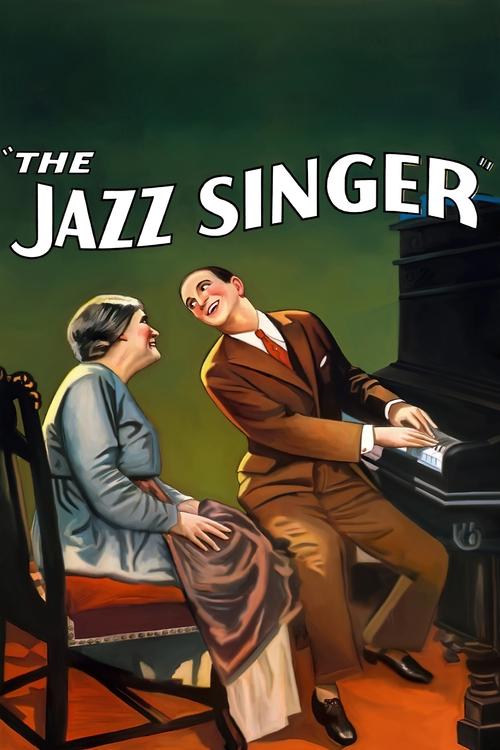
The Jazz Singer1927
The film that started it all: Al Jolson in blackface singing, talking where silent films were mute, a sensation in its moment. Essential viewing for understanding why 1929 was so suddenly obsessed with musicals.
But The blackface is unavoidable and vile. The film moves like a stage play and its technical achievement is what matters more than any entertainment value.
Singin' in the Rain1952
Same world—Broadway, nightclubs, dancers trying to make it—but where Syncopation captures the uncertainty of early sound, Singin' in the Rain shows mastery. Both love their era, but they're watching from opposite ends.
Set during the exact era Syncopation inhabits, but made two decades later with decades of accumulated film knowledge. Gene Kelly and Donald O'Connor proved what a dance movie could be—joyful, technically brilliant, and genuinely exciting.
But It's so accomplished that watching early musicals afterward feels like watching someone learn to walk. The comparison might spoil your appetite for rougher, earlier efforts.

The Red Shoes1948
Both are about dancers and their dreams, but The Red Shoes asks what performance costs, while Syncopation asks if you can find love in the nightclub. One celebrates the joy; one haunts you with its absence.
Powell and Pressburger's ballet film is pure cinema: a story about performance that uses dance and color and editing as the grammar of emotion. Not a musical in the Broadway sense—it's about art and obsession and death.
But It's a serious film about suffering, ambition, and tragedy. No comedy, no lightness. If you came to Syncopation for fun, this will reset your mood entirely.

People
Cast
- Fred WaringFred Waring and His Pennsylvanians
 Barbara BennettFleurette Sloane
 Bobby WatsonBenny Darrell
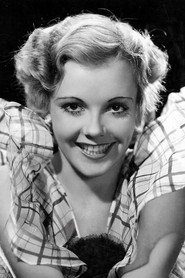 Dorothy LeePeggy
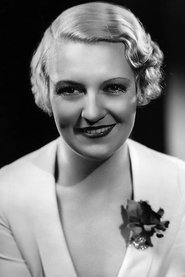 Verree TeasdaleRita Eliot
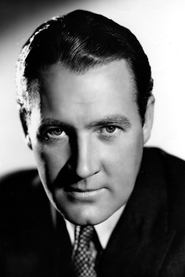 Ian HunterAlexander Winston
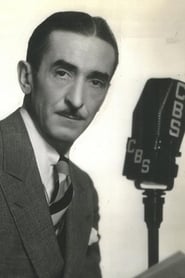 Osgood PerkinsHummel
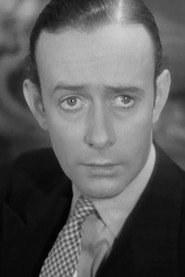 Mackenzie WardSylvester Cunningham
- Leon BarteArtino
Directing
- Bert GlennonDirector
Writing
- Frances AgnewAdaptation
- Gene MarkeyAuthor
- Bud GreenLyricist
- Herman RubyLyricist
- Leo RobinLyricist
Production
- Robert KaneProducer