
Film
Glorifying the American Girl
A 1929 musical comedy about a small-town girl pursuing her Ziegfeld Follies dreams in Depression-era New York. It's a paper-thin plot vehicle for elaborate song-and-dance numbers, celebrity cameos, and the glossy artifice of early sound cinema. Made for anyone curious about how musicals began, or what entertained audiences when the medium was still learning to move.
If you liked this
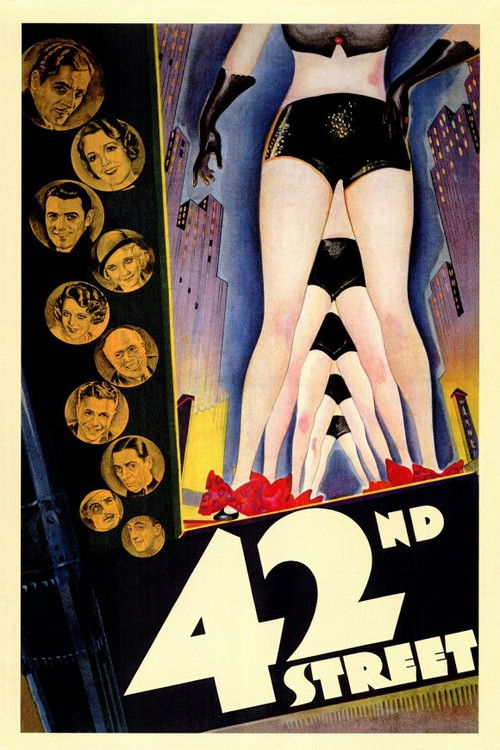
42nd Street1933
The definitive backstage musical: tighter plotting, legendary Busby Berkeley choreography, and genuine stakes. It learned the lessons that Glorifying was still figuring out, making this the film most people actually want to watch.
But The plot is equally creaky by modern standards—older men rescuing younger women is the emotional core. And it's long, even for a musical.
Singin' in the Rain1952
Everything a musical should be: joyful, inventive, visually generous, with a story that doesn't insult your intelligence. Gene Kelly and Donald O'Connor make every number feel effortless and earned.
But It's the *obvious* classic, which can make it feel like homework if you go in cold.

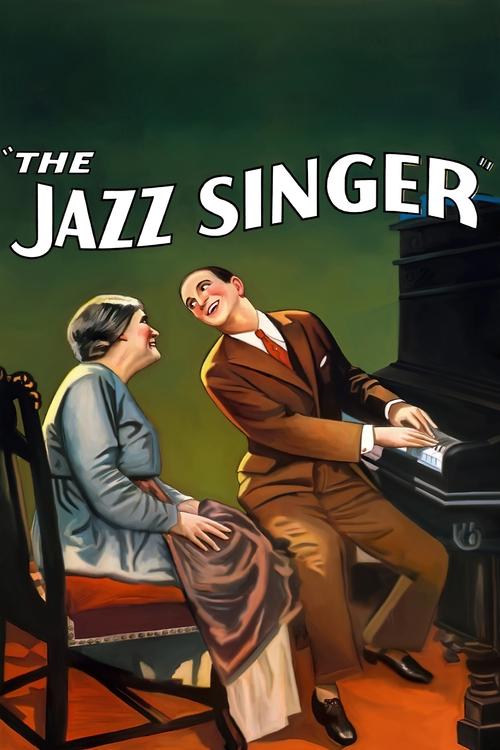
The Jazz Singer1927
The first talking picture, which means it's historically vital—but also genuinely moving. Al Jolson's performance cuts through the artifice in ways Glorifying never quite manages.
But The blackface sequences are genuinely difficult. The film demands you reckon with something ugly while appreciating its innovations.
Not sure tonight? Get a pick in a minute, starting from Glorifying the American Girl
The wildcard
Something you would not have found on your own.
The Phantom Carriage1921
Both are era-defining technical showcases, but Phantom Carriage shows what European cinema was achieving while Glorifying was still figuring out how sound worked. Watching them back-to-back reveals how insular American cinema was about its own innovations.
A Swedish masterpiece made eight years *before* Glorifying, with technical innovations—double exposure, miniature work, visual effects—that make the American musical look primitive by comparison. A Christmas ghost story that invented cinematic language.
But It's a silent film about moral damnation and redemption, with almost no humor. The tonal whiplash from Glorifying's frivolity will be severe and intentional.

More like this (7)
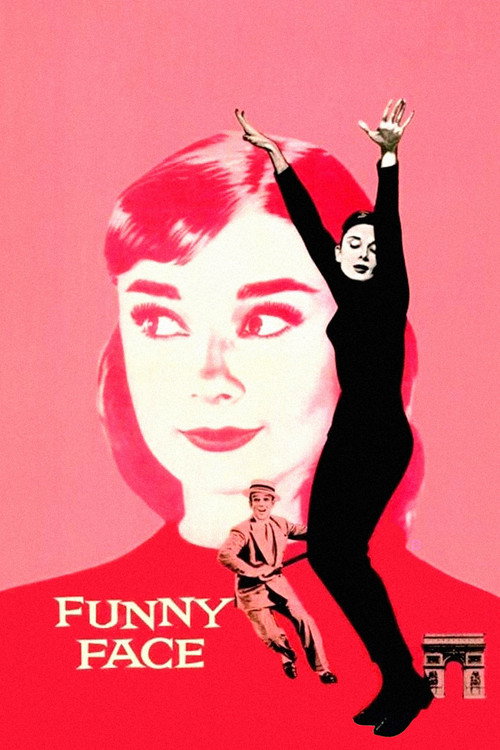
Funny Face1957
Audrey Hepburn, Fred Astaire, and a Paris fashion shoot photographed in Technicolor like a fever dream. A model-aspiring plot elevated by charm, wit, and dancing that rewrites what romance looks like.
But The gender politics are dated in ways that age poorly even for a 1950s film. The male gaze is very much the point.
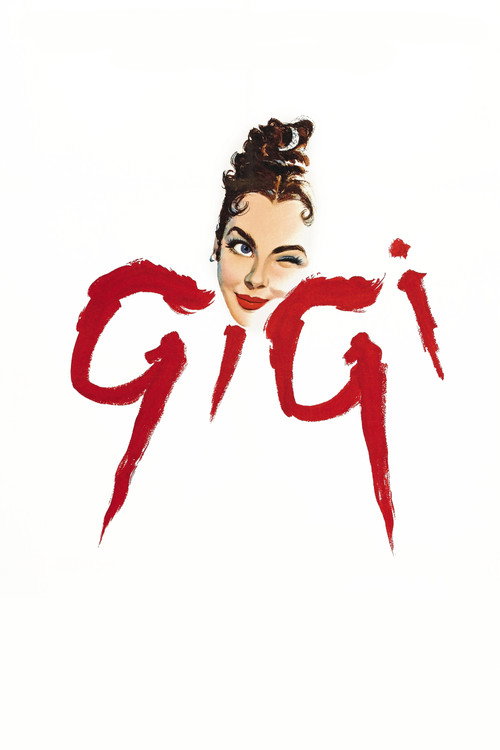
Gigi1958
A Pygmalion-adjacent story about a girl groomed to become a courtesan, filmed with such elegance and humor that it won Best Picture. Stunning production design and Leslie Caron's radiance carry a morally complicated premise.
But The subject matter—a teenager's sexual arrangement—can't really be rescued by the musical numbers, no matter how pretty they are.
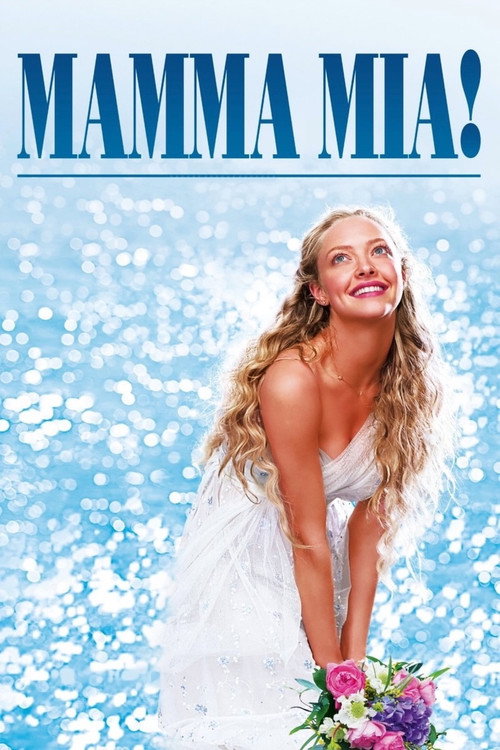
Mamma Mia!2008
Pure joy. A story about a woman and her complicated feelings about motherhood, told through ABBA songs. No plot gets in the way of watching good people sing and dance on a Greek island.
But If you don't like ABBA, or broad comedy, or the idea that earnestness is better than irony, this will feel aggressively uncool.
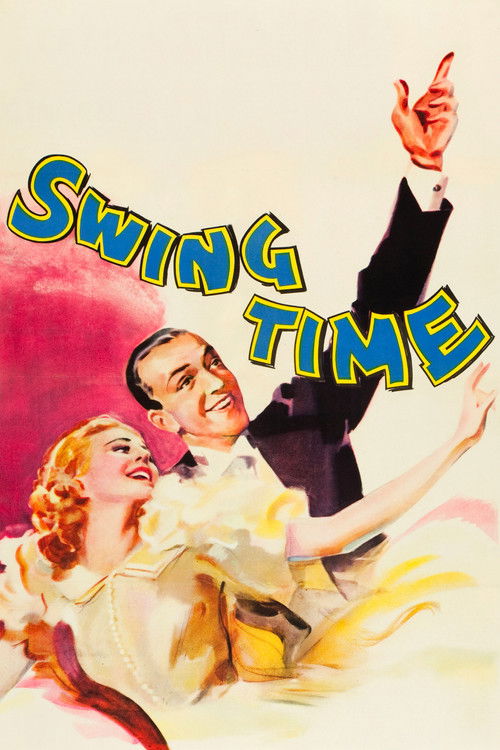
Swing Time1936
Fred Astaire and Ginger Rogers dancing to Jerome Kern: enough said. The plot exists to get between musical numbers, and that's exactly right. Pure craftsmanship and elegance.
But It's a male-fantasy narrative dressed up in tuxedos and evening gowns. Rogers isn't a character so much as a reward.
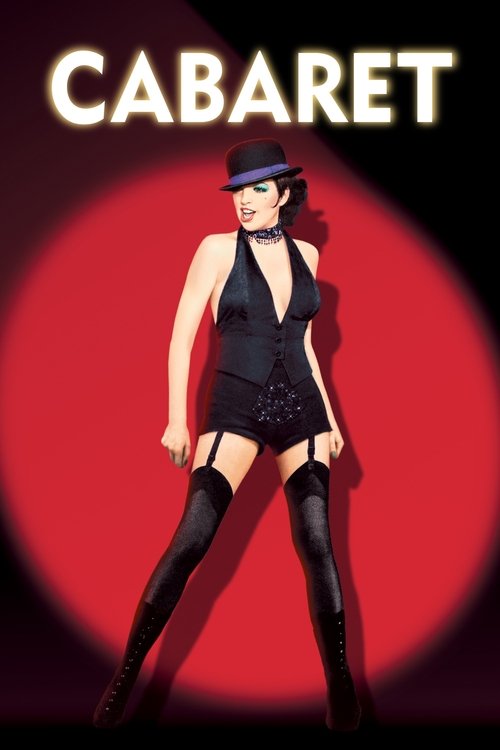
Cabaret1972
A musical that knows its own corruption, set in 1930s Berlin. The numbers are in-character performances, not breaks from reality, which means they *mean* something. Bob Fosse's answer to the backstage musical.
But It's deliberately ugly and sexual. The atmosphere of decline and moral compromise isn't here to thrill you—it's here to implicate you.
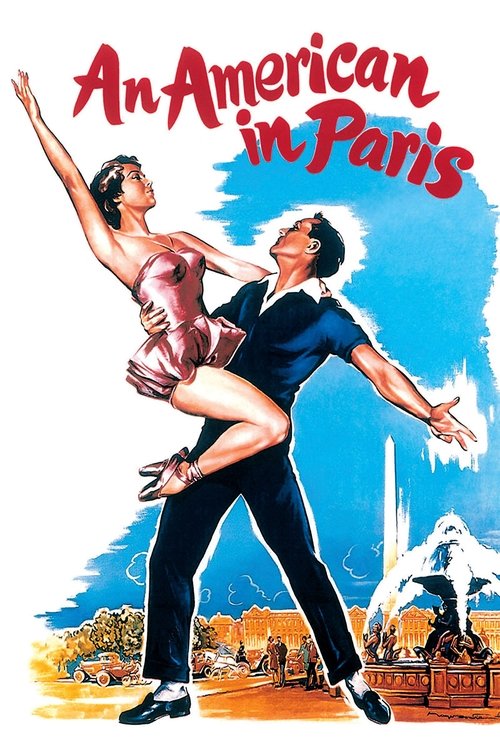
An American in Paris1951
Gene Kelly dancing through painted Parisian streets, a love triangle set to Gershwin, and a balletic 17-minute finale that still seems impossible. A musical about being young and ambitious in a beautiful place.
But The love plot resolves in a way that will frustrate anyone expecting the woman to have her own agency or desires.
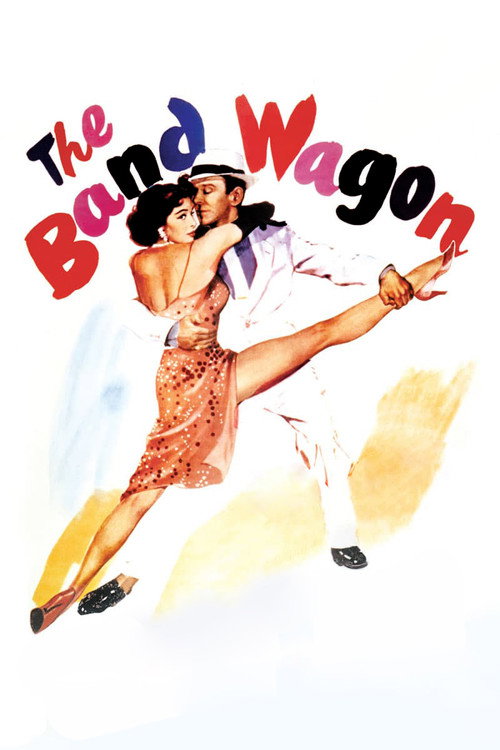
The Band Wagon1953
Same DNA—aging stars, theater ambition, New York—but The Band Wagon knows the whole thing is slightly ridiculous and funny about it. It's what Glorifying could have been if it had permission to wink.
Fred Astaire and Cyd Charisse in a musical that *deconstructs* backstage musicals while being a near-perfect one itself. Self-aware, meta, hilarious, and the dancing is argument-ending. Vincente Minnelli at his best.
But It's cynical in a way 1929 wasn't allowed to be. If you want Depression-era earnestness, this will feel like betrayal.
People
Cast
 Mary EatonGloria Hughes
 Eddie CantorSelf
 Helen MorganSelf
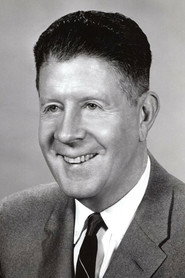 Rudy ValleeSelf
- Dan HealyMiller
- Kaye RenardMooney
- Edward CrandallBuddy
 Gloria SheaBarbara
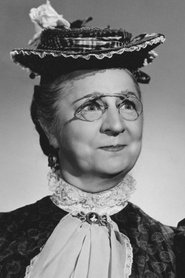 Sarah EdwardsMrs. Hughes
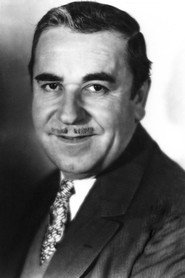 Noah BeerySelf (uncredited)
 Irving BerlinSelf (uncredited)
- Norman BrokenshireSelf (voice) (uncredited)
Directing
- Millard WebbDirector
Writing
- Irving BerlinLyricist
- J.P. McEvoyStory
- Millard WebbStory
Production
- Monta BellProducer