
Film
Spanish Eyes
- Musical
- Light-hearted
A 1930 British musical set in Spain, charming in the way early sound films are—enthusiastically theatrical, a touch creaky, but earnest about its pleasures. Songs, romance, and Mediterranean scenery collide with the staginess of early talkies. For anyone curious about how musicals sounded when they were still learning to sing.
If you liked this
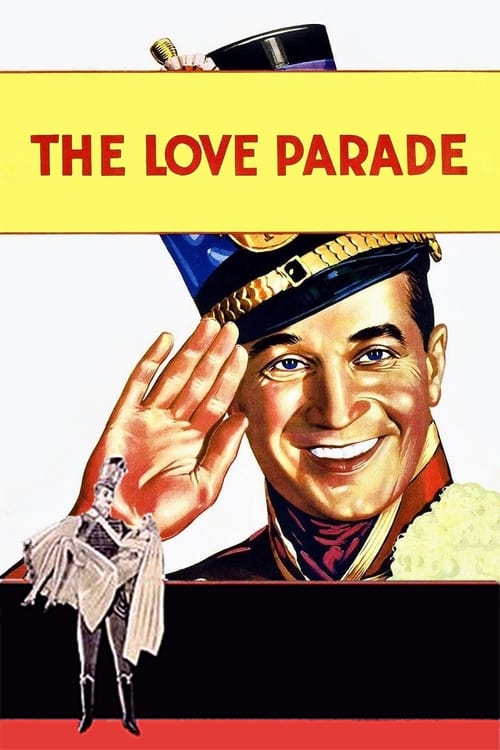
The Love Parade1929
Lubitsch's operetta-musical proved sound film could be sophisticated and witty. Stylish direction, elegant performances, and a confidence about blending comedy with genuine musical moments that influenced everyone after.
But The pacing feels deliberate by modern standards, and the plotting is almost secondary to the charm of its leads and Lubitsch's directorial flourishes.
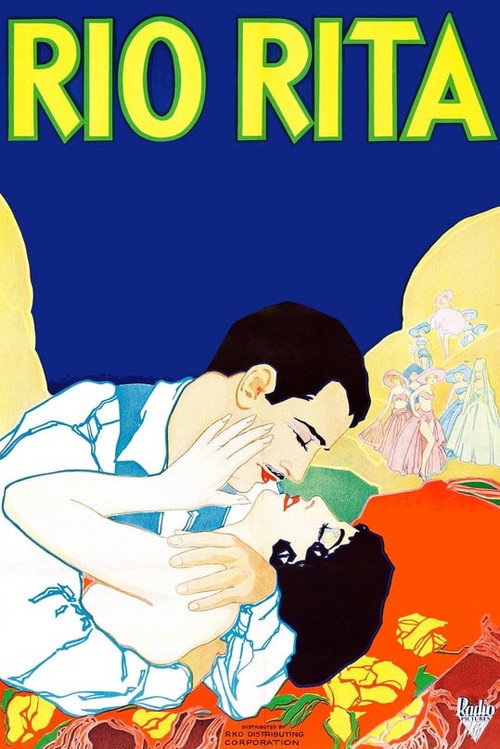
Rio Rita1929
MGM's lavish early musical with Bebe Daniels and John Boles, featuring Technicolor spectacle and dance numbers that still dazzle. It shows how quickly studios learned to make big musical entertainment in the early sound era.
But The plot is negligible and the romantic leads are fairly stiff; you're watching for the production design and the supporting comedy, which demands patience.
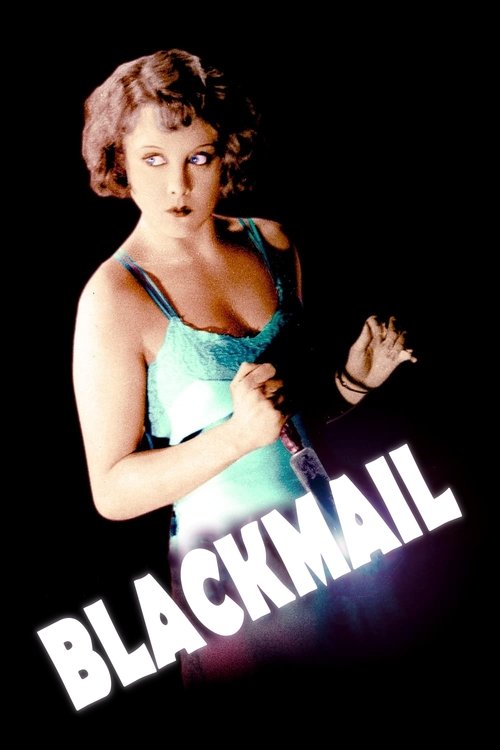
Blackmail1929
Hitchcock's first sound film is a technical marvel—he uses music, voice, and silence to build suspense in ways silent film couldn't. A thriller that also shows what smart directors immediately understood about sound.
But It's a crime drama, not a musical, so if you want song-and-dance it won't deliver. Also occasionally clumsy about the technical newness of talking pictures.
Not sure tonight? Get a pick in a minute, starting from Spanish Eyes
The wildcard
Something you would not have found on your own.
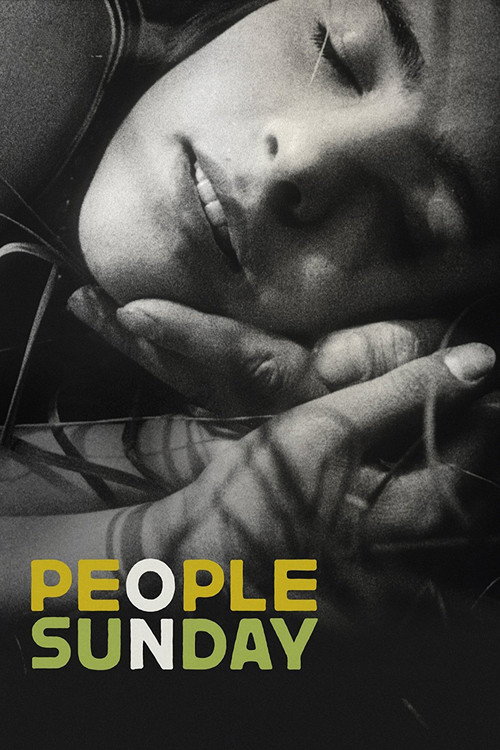
People on Sunday1930
Both are 1930 debuts of sound/visual technology; *Spanish Eyes* asks 'what can we do with music in film?' while *People on Sunday* asks 'what does film actually *see*?'
A German film from the exact same year that invented the visual language of cinema-verité—naturalistic, mobile, capturing real life with documentary urgency. No plot, no songs, just the discovery that cameras could see the world freshly.
But It has no story, no stars, no music. If you want narrative or entertainment beats, this is philosophical documentary dressed as cinema, which feels remote on first viewing.
More like this (7)
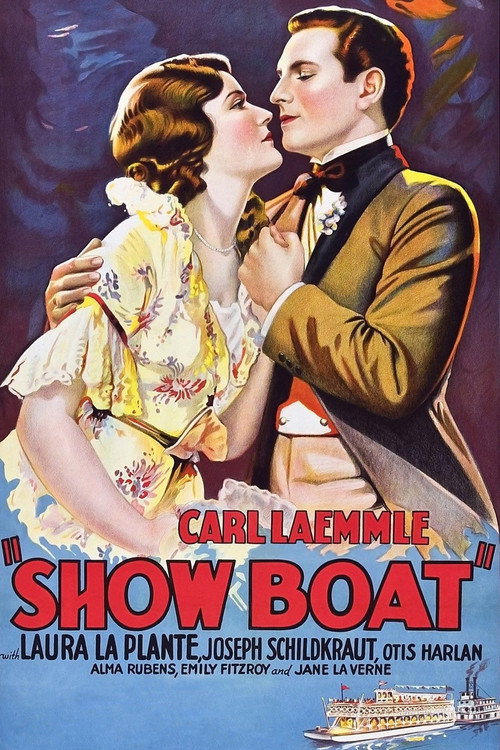
Show Boat1929
Harry Pollard's version of the Kern-Hammerstein classic is early enough to capture real live performance energy. Laura La Plante and Joe E. Brown anchor it with charm, and the riverboat setting feels genuinely romantic.
But The sound recording is primitive and dialogue scenes drag; the picture quality is fragile. It's more historically precious than immediately entertaining.
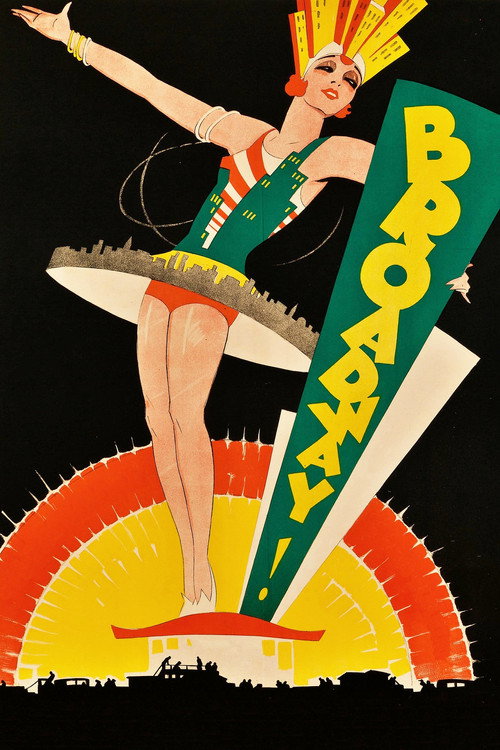
Broadway1929
Paul Fejos directs this jazzy backstage musical with genuine visual flair—mobile camera, clever editing, real energy. It captures the feel of the 1920s theatre world with style that hasn't dated badly.
But The plot about gangsters and chorus girls is predictable, and some of the dialogue falls flat. The music is period jazz, not melodic pop, which some find thin.
Sunny1930
A Marilyn Miller vehicle full of dance and charm, set exotically in Budapest. The production numbers are genuinely impressive for the year, and Miller was a star for a reason.
But Marilyn Miller's acting is mannered and the plot is gossamer-thin. It's unapologetically a vehicle for a performer, not a narrative.

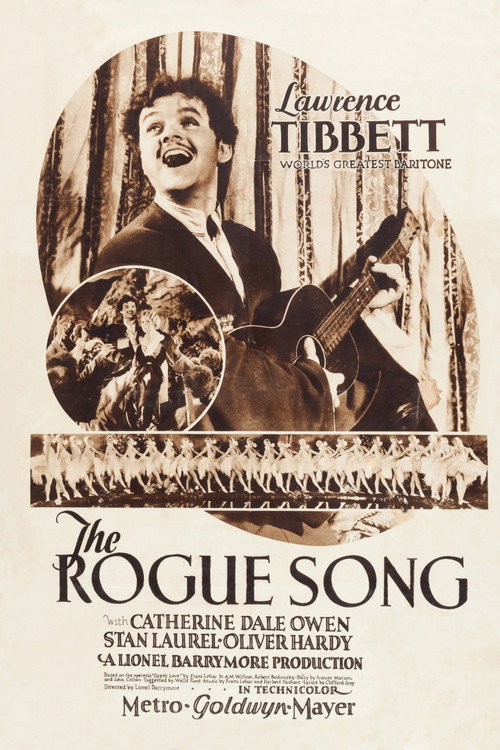
The Rogue Song1930
Lawrence Tibbett, an actual opera singer, carries this Technicolor operetta with vocal authority no actor could match. The music is genuinely ambitious and the production design is sumptuous.
But Tibbett is an opera singer playing a bandit, and the acting is ornamental at best. The plot and pacing serve the arias, not the other way around.
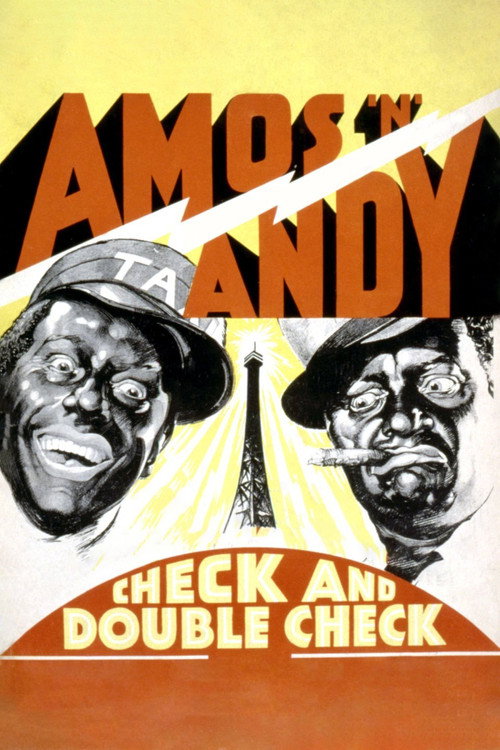
Check and Double Check1930
Amos 'n' Andy in their only film, genuinely popular at the time. It's a document of early 1930s entertainment and a snapshot of how differently comedy worked then, with elaborate setups and radio-style gags.
But The racial stereotyping is inescapable and uncomfortable for modern viewers. Even historically, it hasn't aged into interest so much as archival status.
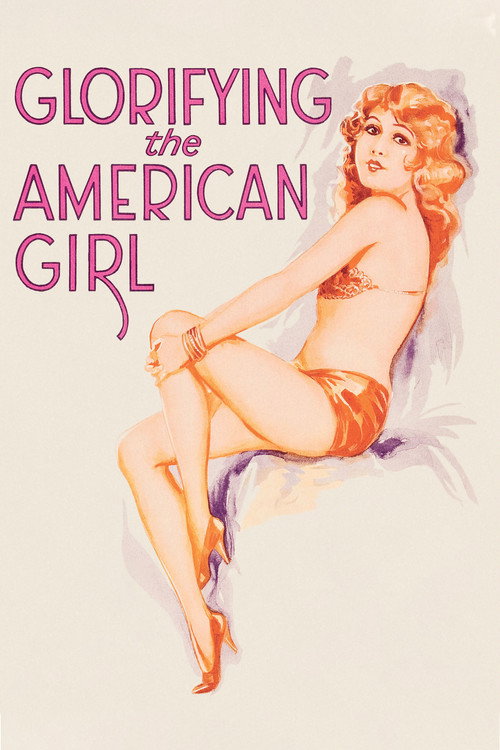
Glorifying the American Girl1929
Florenz Ziegfeld supervised this backstage spectacular with Rudy Vallée and Mary Eaton. It's pure visual ambition—what early Technicolor could do when money and ego met.
But There is barely a plot, the romantic scenes are leaden, and the Technicolor sequences are separated from the black-and-white narrative so disjointingly it feels like two films stitched together.
Singin' in the Rain1952
*Spanish Eyes* is the answer groping toward the question *Singin' in the Rain* answered definitively. Watching them as a pair shows what the form learned in two decades.
The genre's masterpiece, made 22 years later: a love letter to exactly what *Spanish Eyes* was grappling with—how to make musicals work, how to make sound and image marry. Kelly and Donen cracked the code early staginess was reaching for.
But It's obvious, it's everywhere, it's the thing everyone cites, which can make it hard to see fresh. The perfection can feel intimidating rather than inviting.

People
Cast
 Antonia BroughLandlady
 Donald CalthropMascoso
- Edna DaviesEstrella
 Anthony IrelandChechester
- Dennis NobleAmalio
Directing
- G.B. SamuelsonDirector