
Film
People on Sunday
A silent Berlin film from 1930 where five ordinary people spend a Sunday together—a taxi driver, record-shop girl, wine-shop boy, film extra, and model. Made by unknowns on a shoestring (including young Billy Wilder), it's less narrative than mood: a daylight poem about modern life, desire, and the small electricity between near-strangers. Grainy, alive, intimate.
If you liked this
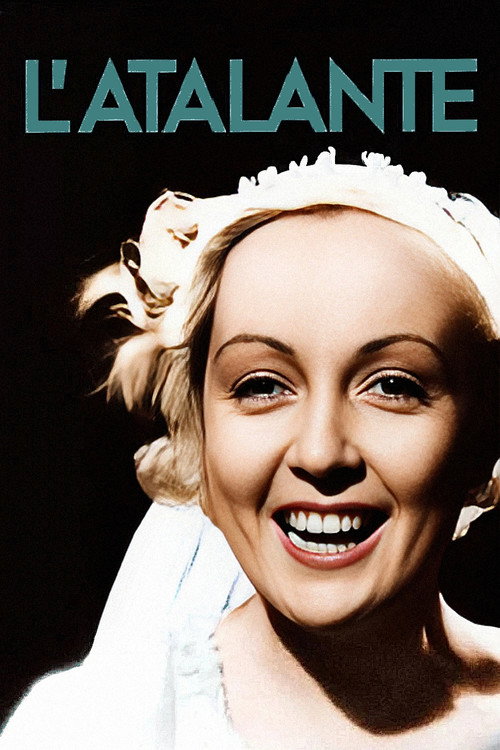
L'Atalante1934
Vigo's masterpiece shares that dreamy, sensual quality—lovers on a barge, Paris glittering nearby, the ordinary made luminous. A meditation on desire and marriage disguised as a love story.
But Slow and deliberately paced; the emotional payoff is subtle rather than cathartic. Some find it precious rather than moving.
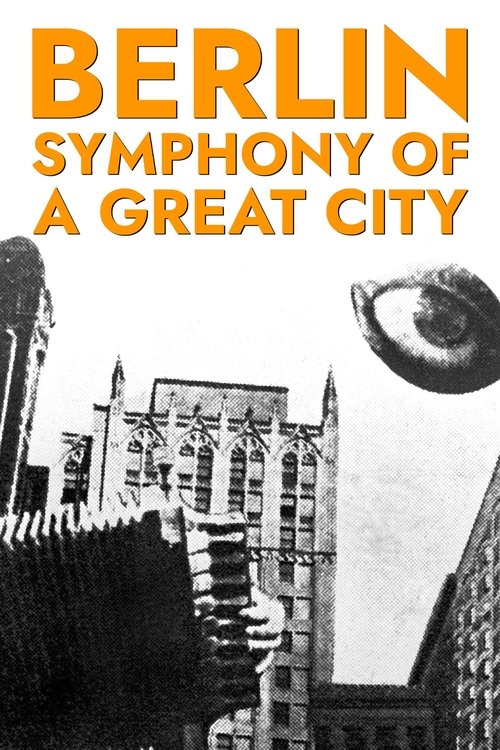
Berlin: Symphony of a Great City1927
A city symphony that's family to *People on Sunday*—Berlin itself as protagonist, caught in rhythmic montage from dawn to midnight. Pure visual poetry about urban life.
But No plot, no characters, no dialogue. If you need a story, this will feel like watching a very long, very good music video.
Sunrise: A Song of Two Humans1927
Silent film at its most tender—a husband tempted to betray his wife, redemption through the city. Murnau's camera moves like it's dancing; the emotional precision is devastating.
But The sentimental core won't work for everyone. The intertitles can feel heavy-handed if you're impatient with silent convention.

Not sure tonight? Get a pick in a minute, starting from People on Sunday
The wildcard
Something you would not have found on your own.
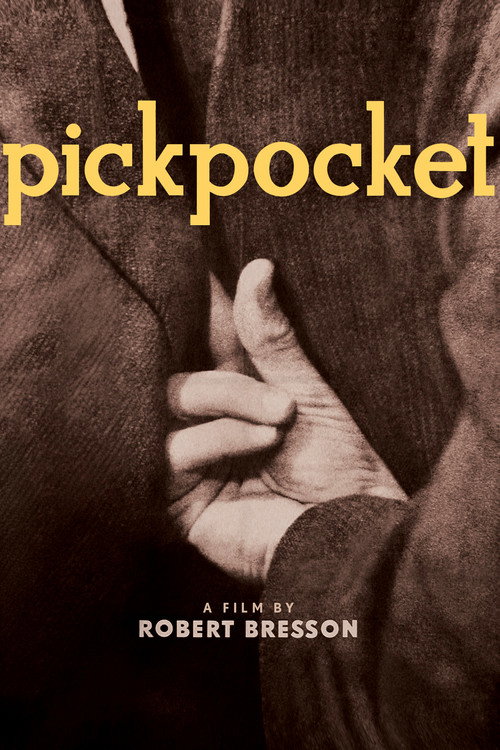
Pickpocket1959
Both films find spiritual weight in everyday urban gesture and movement—the sacred hiding in the mundane. Both trust the image over the story.
Bresson's Christ-haunted study of theft, redemption, and grace. A man steals compulsively; the film is a psalm about sin and forgiveness. Like *People on Sunday*, it finds the sacred in ordinary bodies and streets.
But Deliberately anti-emotional; the characters are austere, the style ascetic. If you expect psychological realism or warmth, Bresson's severity will feel punishing.
More like this (8)
Battleship Potemkin1925
Eisenstein's revolutionary montage grammar shaped everything that came after, including *People on Sunday*. A mutiny film that moves like a symphony—intellectual and visceral at once.
But Formally demanding and propagandistic. If you're expecting a conventional war film, you'll be frustrated by its abstraction.

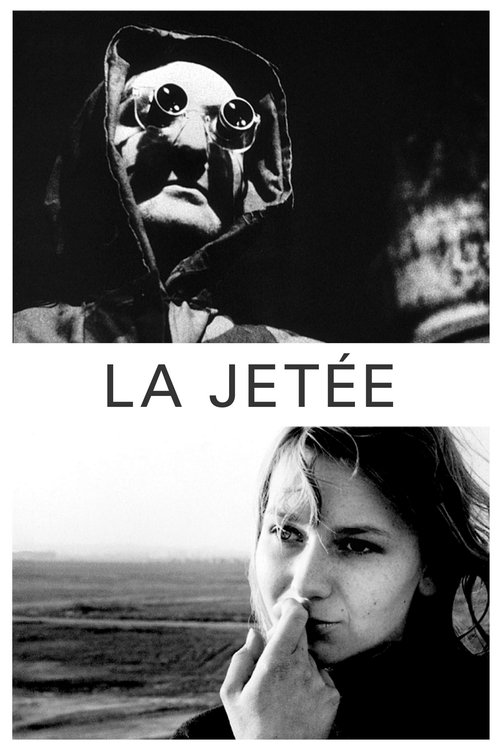
La Jetée1962
A science-fiction love story told almost entirely in still photographs—a formal experiment that's also achingly human. Like *People on Sunday*, it finds emotion in the smallest gestures.
But 27 minutes of photographs with voiceover; some call it a photo essay rather than a film. The static images won't hold everyone.
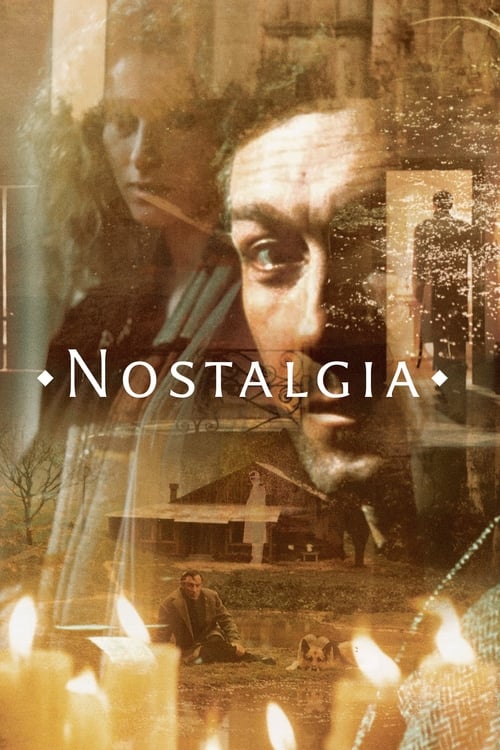
Nostalgia1983
Tarkovsky's meditation on memory and displacement: a poet traveling Italy, unsettled, unable to connect. Slow cinema at its most hypnotic, about the longing underneath ordinary moments.
But Very long, glacially paced, plotless. The philosophical abstraction and repetition test patience severely.
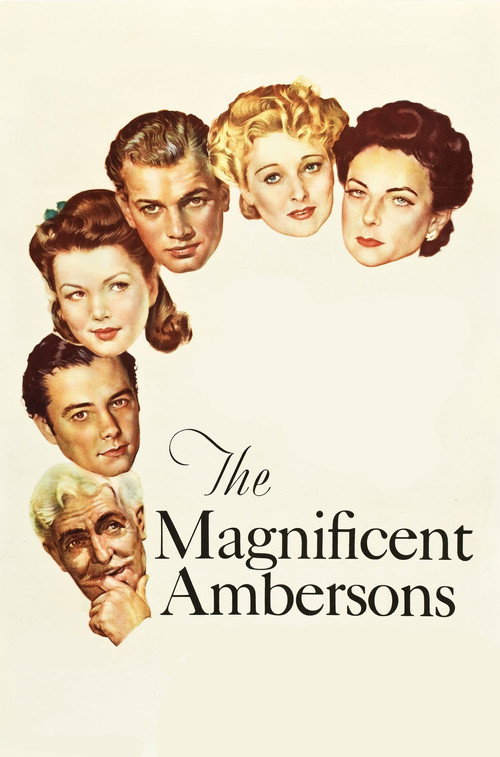
The Magnificent Ambersons1942
Welles capturing a whole world in amber—American life across decades, wealth and decline, affection and resentment. Every frame breathes with class and attention.
But The studio's re-cut ending is a compromise that rankles. The theatrical release is compromised by front-office meddling.
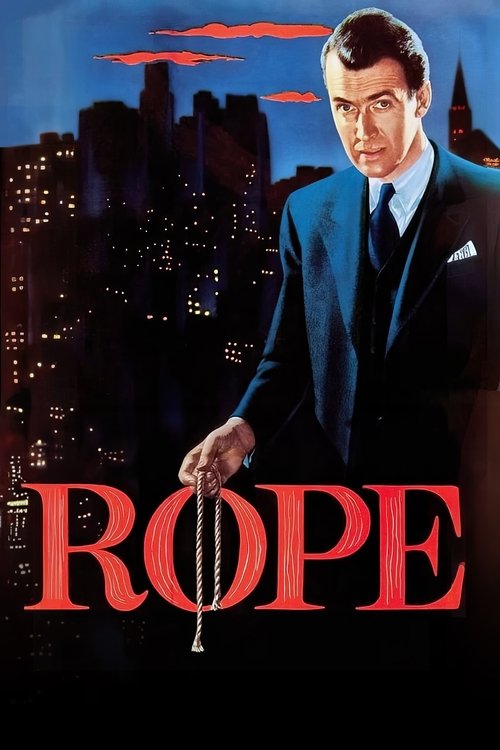
Rope1948
Hitchcock's real-time chamber experiment: murder committed, then 80 minutes in one apartment while detectives close in. Technique serving claustrophobia and moral corruption.
But The gimmick—almost no cuts—can feel mannered. If you hate stage-bound thriller plotting, the confined setting will feel airless in the wrong way.
In the Mood for Love2000
Two neighbors in 1960s Hong Kong discover they're being cheated on—with each other's spouses. A film about longing without touching, about desire as yearning. Hypnotic colour and geometry.
But Plot is minimal and slow. Wong Kar-wai's formal beauty can feel cold; if you need human warmth over visual perfection, this may frustrate you.

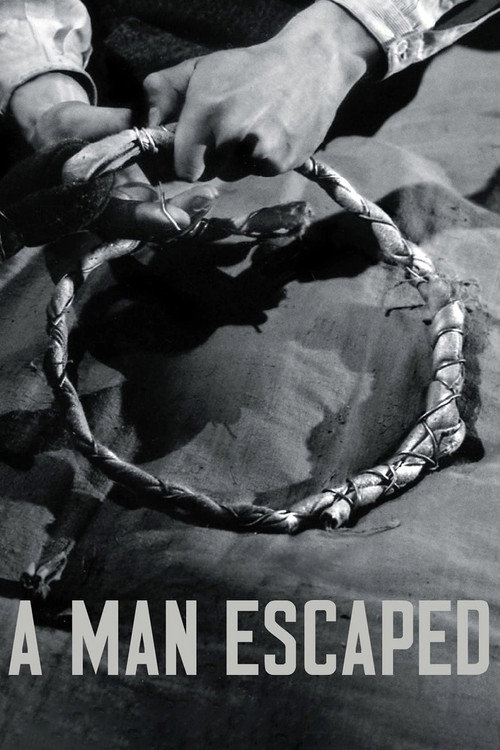
A Man Escaped1956
Like *People on Sunday*, it's interested in the poetry of surfaces and repetition—the beauty in small, accumulated actions. Both are hymns to attention.
Bresson again: a French Resistance officer plans his prison escape with almost monastic patience. No heroics, no drama—just hands, tools, timing, faith. The opposite of escape-film spectacle.
But Methodical to the point of monotony; the slow accumulation of details will exhaust viewers wanting momentum or emotional peaks.
The Leopard1963
Both are urban/provincial poems about life changing around characters who barely notice. Both use faces and light to express what words cannot. Both mourn the modern world even as they document it.
Visconti's operatic elegy for Italian aristocracy in 1860, Sicily transforming beneath the feet of the landed. Burt Lancaster at his most tragic, watching his world die. Visual gorgeousness serving genuine sorrow.
But Three hours of decadence and political decay; if you're impatient with spectacle or find Visconti's formalism cold, the length becomes arduous.

People
Cast
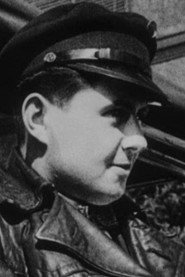 Erwin SplettstößerErwin, the taxi driver
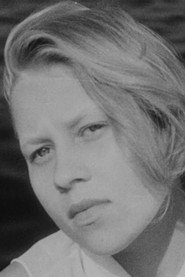 Brigitte BorchertBrigitte Borchert, the record shop sales assistant
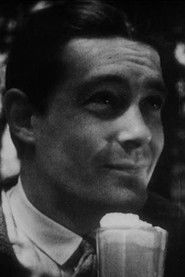 Wolfgang von WaltershausenWolfgang, the wine shop sales assistant
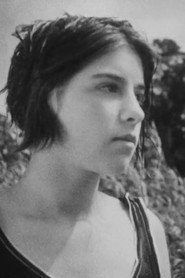 Christl EhlersChristl, the film extra
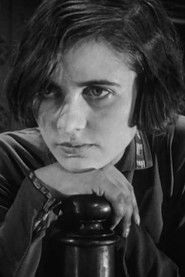 Annie SchreyerAnnie, the model
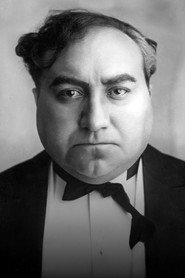 Kurt GerronKurt
- Valeska GertValeska
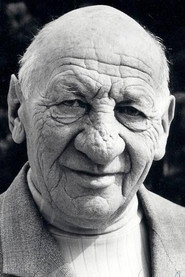 Heinrich GretlerHeinrich
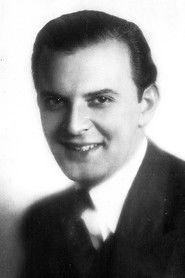 Ernö VerebesErnö
- Moriz SeelerPhoto Subject at Beach
Directing
- Edgar G. UlmerDirector
- Robert SiodmakDirector
Writing
- Curt SiodmakOther
- Billy WilderScreenplay
- Curt SiodmakStory
Production
- Edgar G. UlmerExecutive Producer
- Heinrich NebenzahlExecutive Producer
- Moriz SeelerProducer
- Seymour NebenzalProducer