
Film
The Rogue Song
A 1930 operetta set in czarist Russia, where a bandit and a princess find themselves drawn across a divide of class and politics. Lavish, romantic, and musically ambitious, it's a window into early sound cinema when studios threw resources at spectacle. For anyone curious about how Hollywood handled the transition to talking pictures, or who loves old-fashioned melodrama with genuine production values.
If you liked this
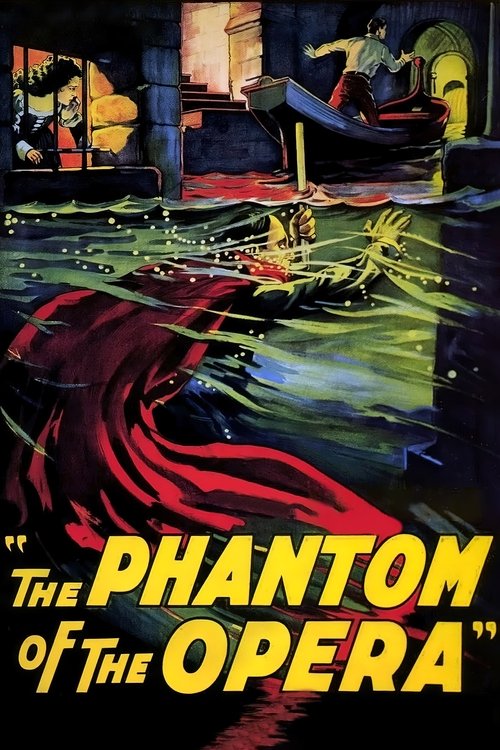
The Phantom of the Opera1925
Lon Chaney in the role that defined him, with production design that still astounds. This silent film shows what grandeur looked like before sound arrived, making it the perfect predecessor to The Rogue Song's opulent approach.
But It's silent, which requires patience. The melodrama is thick enough to cut with a knife, and Chaney's performance can feel hammy to modern eyes.
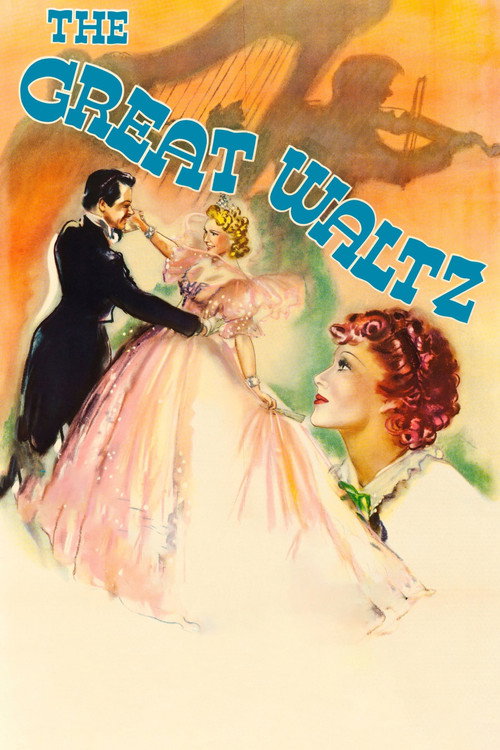
The Great Waltz1938
Another operetta Romance set against European grandeur, with Luise Rainer and Fernand Gravey. If you loved The Rogue Song's blend of music, spectacle, and doomed passion, this hits many of the same notes even more polished.
But The plot is gossamer-thin and the emotional stakes feel secondary to the orchestral arrangements. Pacing can drag.
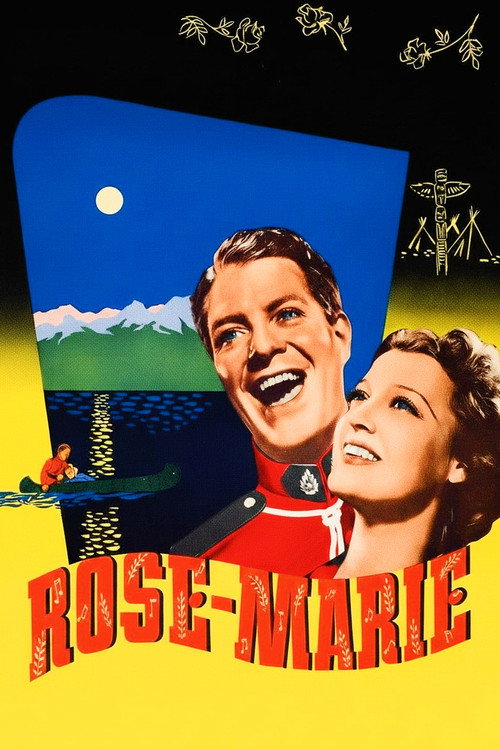
Rose Marie1936
Jeanette MacDonald and Nelson Eddy in an operetta about a woman torn between two worlds. It has the same intoxicating blend of romance, music, and impossible choices that made The Rogue Song enchanting.
But Both MacDonald and Eddy can seem mannered and arch by contemporary standards. The gender politics are pretty dated.
Not sure tonight? Get a pick in a minute, starting from The Rogue Song
The wildcard
Something you would not have found on your own.
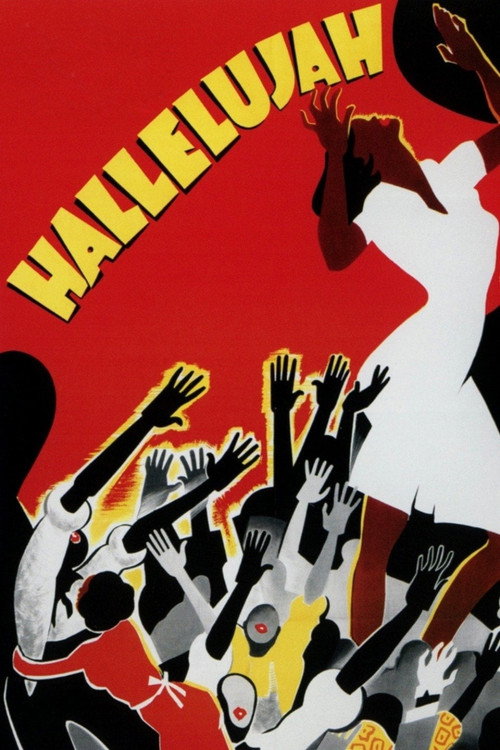
Hallelujah1929
Both are early sound films that treat music as the narrative engine rather than decoration. Both gambled on spectacle and emotion when studios were still figuring out how to make people talk on camera.
King Vidor's revolutionary sound film about an African-American community in the rural South—radically different in setting and subject, but made the same year as The Rogue Song and equally ambitious about what sound cinema could be. It's a profound spiritual drama built from music and landscape.
But The racial representations, while progressive for 1929, are deeply uncomfortable by any modern standard. It's also deeply sad and spiritually demanding.
More like this (8)
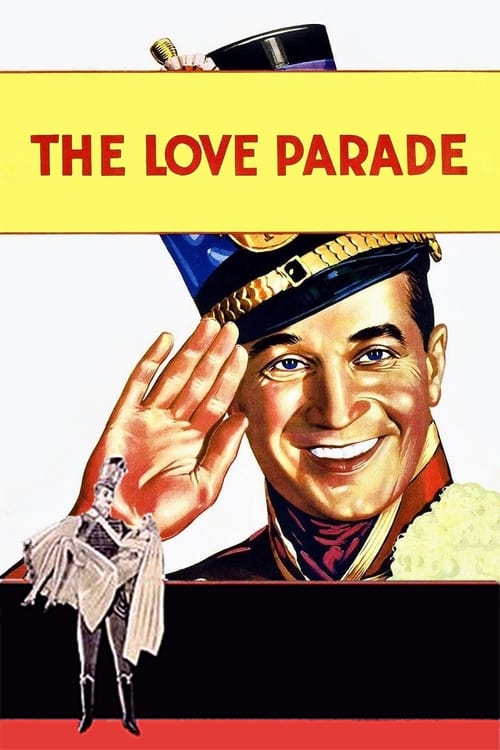
The Love Parade1929
Ernst Lubitsch's sophisticated musical comedy with Maurice Chevalier and Jeanette MacDonald, one of the first great sound films. It proves that early talkies could be witty and charming, not just technical exercises.
But The humor is subtle and often requires knowing the period to land properly. It moves at a stately pace that modern viewers find slow.
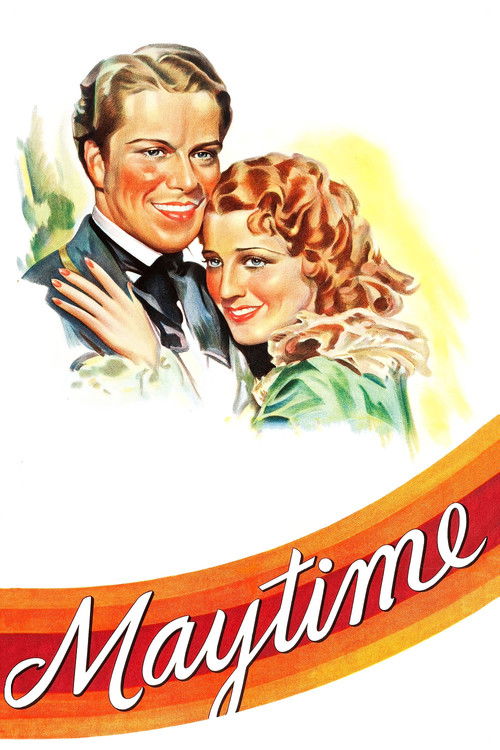
Maytime1937
MacDonald and Eddy again, this time in a sweeping romance that spans decades. The emotional core is surprisingly potent, and the production values rival anything The Rogue Song attempted.
But It's nearly two hours of unironic earnestness. If you're allergic to sentiment, this will feel suffocating.
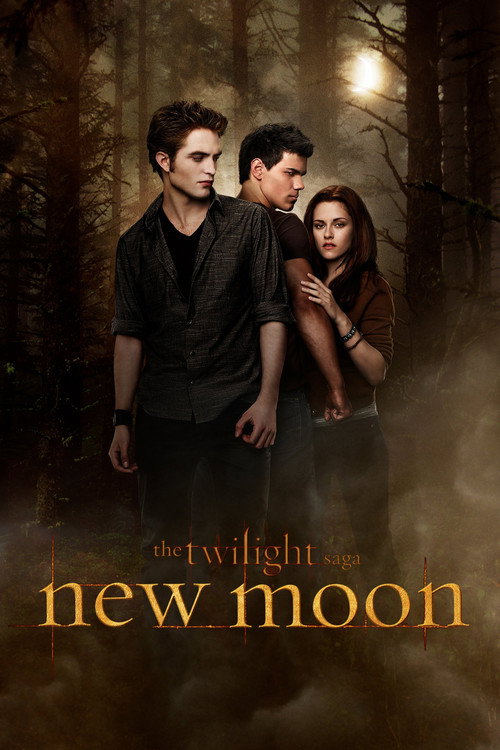
The Twilight Saga: New Moon2009
Nelson Eddy in a Sigmund Romberg operetta about a sea captain and a French noblewoman. It has The Rogue Song's DNA: aristocracy, music, romance, and lavish sets designed to transport you elsewhere.
But The plot is literally about a man hiding his true identity for most of the film. It gets repetitive and the resolution feels contrived.
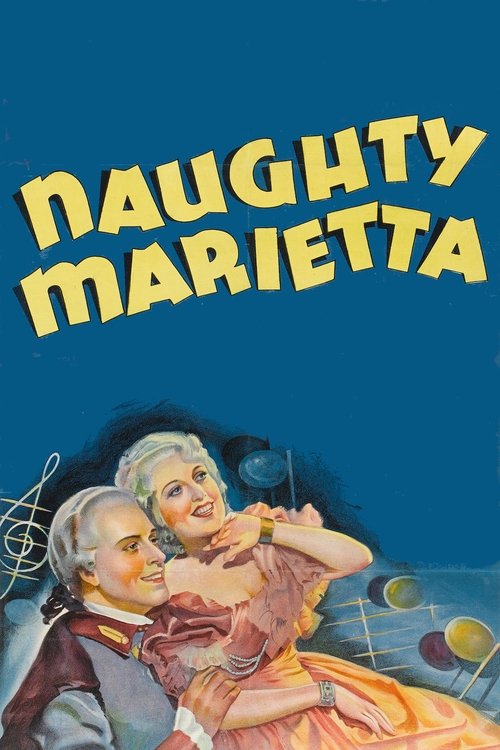
Naughty Marietta1935
Jeanette MacDonald and Nelson Eddy's first pairing, a Victor Herbert operetta set in New Orleans. It established the template that many 1930s operettas followed, making it essential viewing for understanding the genre.
But It's a period piece in every sense, and the racial attitudes on display are uncomfortable. The love story feels inevitable rather than earned.
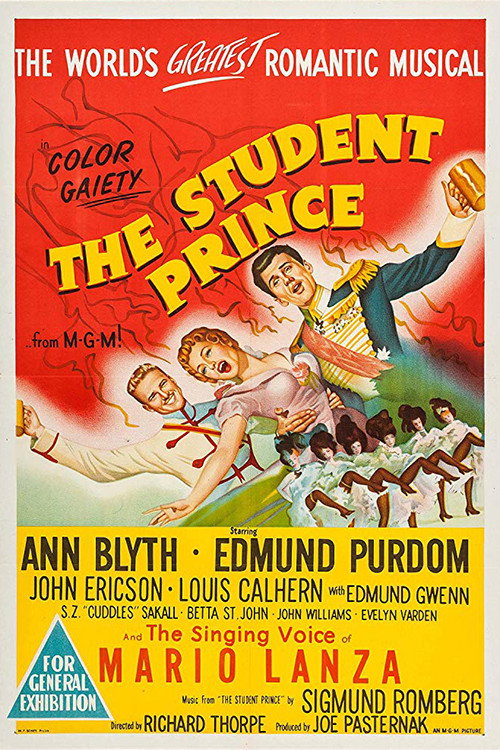
The Student Prince1954
An MGM operetta in Technicolor, featuring Edmund Purdom and Ann Blyth. It's the genre in its late, most confident period, showing how the formula had evolved from The Rogue Song's era.
But By the 1950s, operettas felt quaint and old-fashioned. The film knows this and leans into nostalgia, which can feel cloying.
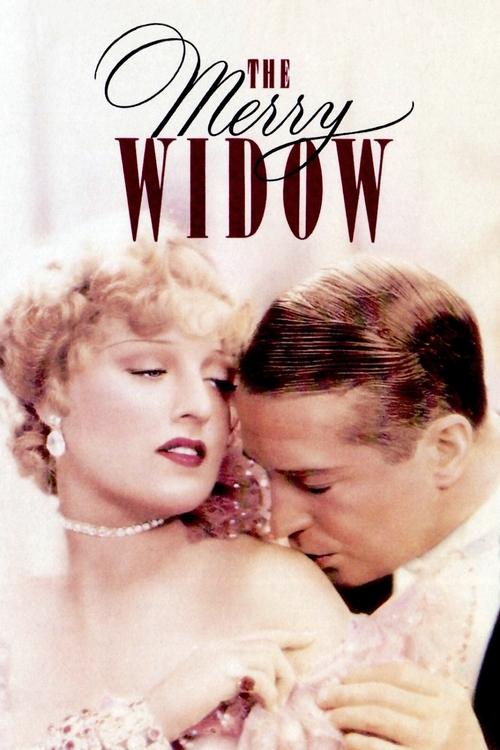
The Merry Widow1934
Ernst Lubitsch directed this Maurice Chevalier and Jeanette MacDonald musical set in a fictionalized European capital. It's urbane, romantic, and musically delightful, representing the operetta form at its most refined.
But The satire is so subtle it might vanish on you entirely. Some viewers find Lubitsch's style too restrained for a musical.
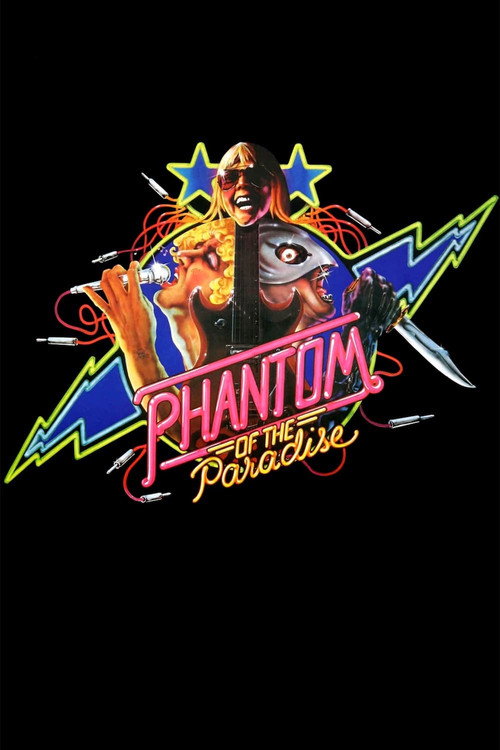
Phantom of the Paradise1974
Both are operettas at heart: stories where music isn't accompaniment but the true subject. Both end in tragedy born from romantic obsession. De Palma took the form and stripped away romance to reveal the horror underneath.
Brian De Palma's operatic rock horror film, where a composer's obsession destroys him and everyone around him. It has the same DNA as The Rogue Song—romantic destruction, music as the heart of the story, doomed passion—but transplanted into 1970s sleaze and depravity.
But It's garish, violent, and deliberately trashy in a way that will repel anyone looking for beauty. The tone is deliberately unstable and uncomfortable.
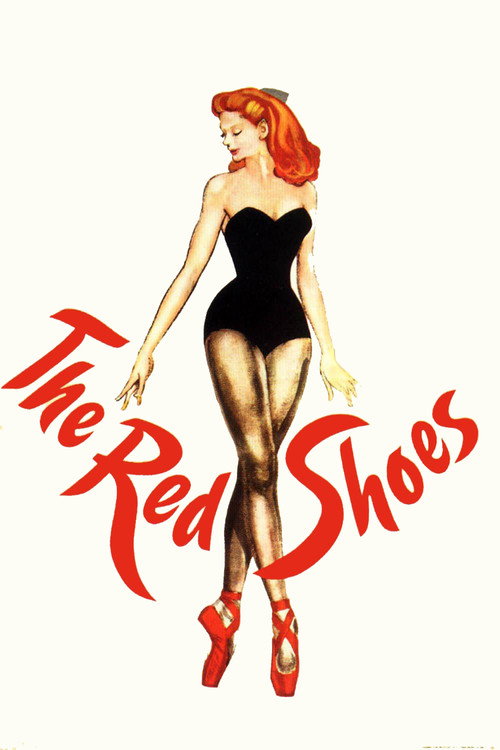
The Red Shoes1948
Both pit love against duty and art against desire. Both are visual feasts built around a central musical or choreographic performance. Both treat their female leads as the true subject of the story, not just prizes to be won.
Michael Powell and Emeric Pressburger's ravishing film about a dancer caught between art and love, featuring one of cinema's great ballet sequences. Like The Rogue Song, it's about spectacle and passion in equal measure, but framed as tragedy rather than romance.
But It's painterly and slow, more interested in composition than momentum. The emotional beats are operatic rather than naturalistic, which can feel mannered.
People
Cast
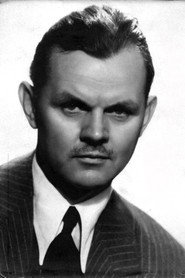 Lawrence TibbettYegor
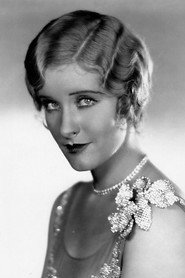 Catherine Dale OwenPrincess Vera
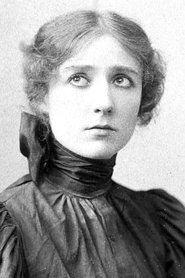 Nance O'NeilPrincess Alexandra
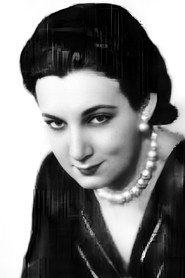 Judith VosselliTatiana
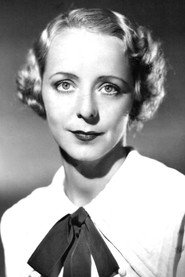 Florence LakeNadja
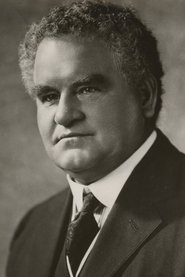 Lionel BelmoreOssman
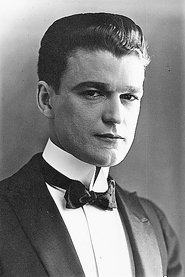 Wallace MacDonaldHassan
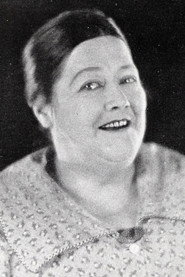 Kate PricePelrovna
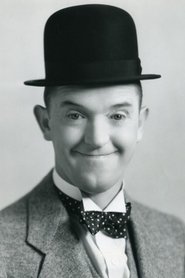 Stan LaurelAli-Bek
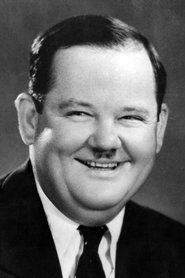 Oliver HardyMurza-Bek
 Ullrich HauptPrince Serge
Directing
- Charles DorianAssistant Director
- Hal RoachDirector
- Lionel BarrymoreDirector
Writing
- A. M. WillnerWriter
- Frances MarionWriter
- John ColtonWriter
- Robert BodanskyWriter
Production
- Irving ThalbergProducer
Recommended by
Rio Rita, The Cat and the Fiddle, Spanish Eyes, Caravan, New Moon, The Cuban Love Song