
Film
Rose Marie
Other titles called Rose Marie: the 1954 film.
- Romance
- Light-hearted
A 1936 operetta about an incognito singer caught between her fugitive brother and a policeman she's falling for. It's a vehicle for Jeanette MacDonald's voice and Nelson Eddy's charm, with lavish musical numbers, romantic tension, and the kind of plot that exists mainly to showcase the production. Unironic, gorgeously sung, and earnest in ways that feel almost alien now.
Should you watch it?
Watch it if you love old-fashioned operetta where the singing carries the story, and you enjoy big studio gloss, romantic sparring and voices that fill a room.
Skip it if the plot is creaky and thin, and if you tire of songs halting the story every few minutes, the courtship will try your patience.
What it asks of you: A leisurely nearly two hours, paced by songs rather than momentum, so settle in and let the arias set the tempo.
Not sure? Find tonight's pick in a minute.
If you liked this
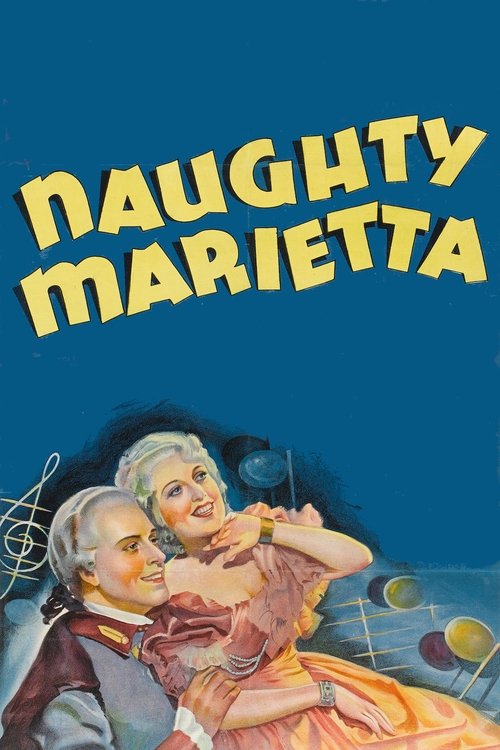
Naughty Marietta1935
MacDonald and Eddy's first pairing, which made them stars and proved operetta could work on film. If Rose Marie enchants you, this is where their chemistry ignited—slightly tighter, marginally sharper.
But It moves with theatrical deliberation; modern audiences often find the pacing glacial. The plot is gossamer-thin scaffolding for the songs.
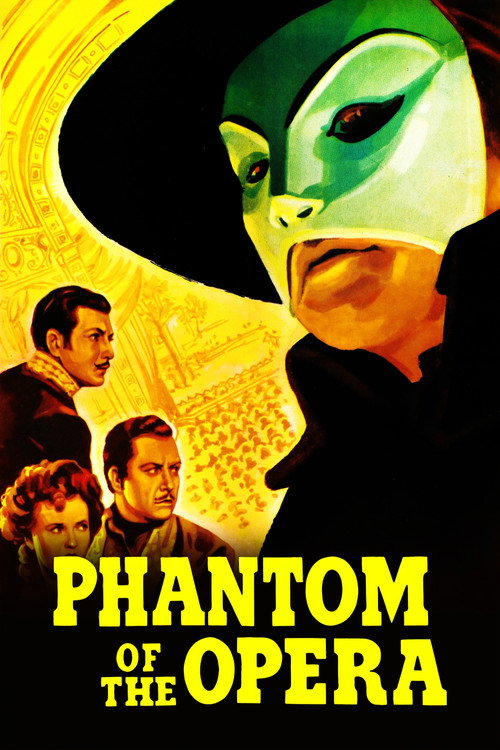
Phantom of the Opera1943
Claude Rains and Susanna Foster in Technicolor gothic grandeur. A darker operetta with genuine menace beneath the romance, and production design that justifies the runtime. The music carries real dramatic weight.
But Rains is underused for a title role. The middle sags. Some find the Technicolor artificiality off-putting rather than alluring.
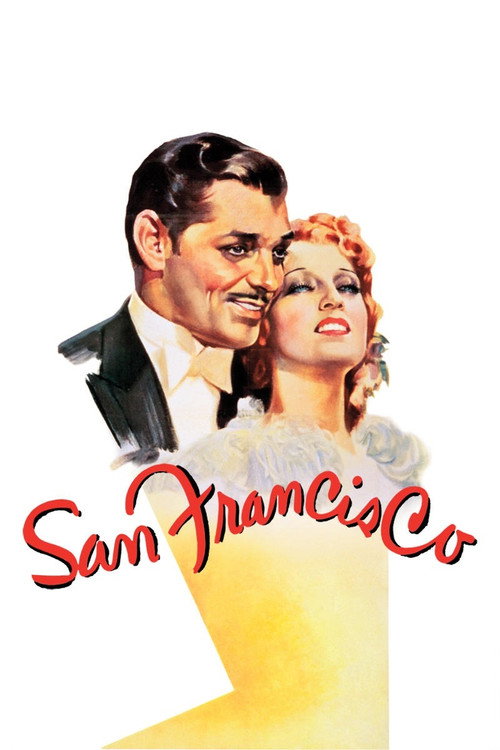
San Francisco1936
Clark Gable, Jeanette MacDonald, and Spencer Tracy in a disaster film wrapped around operatic sequences. It's ambitious—mixing earthquake catastrophe with musical romance—and it somehow mostly works.
But The tonal whiplash takes effort to adjust to. The earthquake sequences are melodramatic, and the gender politics are aggressively 1936.
Not sure tonight? Get a pick in a minute, starting from Rose Marie
The wildcard
Something you would not have found on your own.
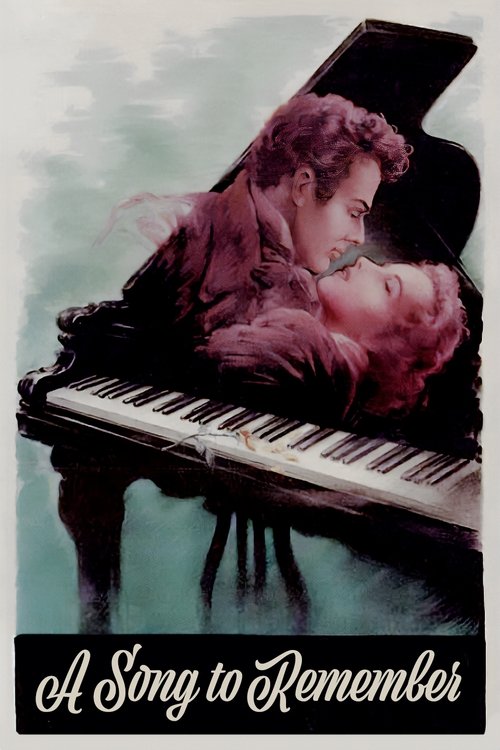
A Song to Remember1945
Both use classical music and romantic melodrama as equal partners—the songs don't decorate the plot, they *are* the plot. Both trust the music completely.
Cornel Wilde as Chopin, filmed in Technicolor with a real pianist's hands doing the actual playing. It's a musician's biography dressed as operetta—the classical music sequences are the plot, not the decoration. Passionate and visually sumptuous.
But Historically nonsensical. The romance is melodramatic. If you want accuracy over spectacle, you'll be frustrated. It's earnest to the point of unintentional comedy sometimes.
More like this (7)
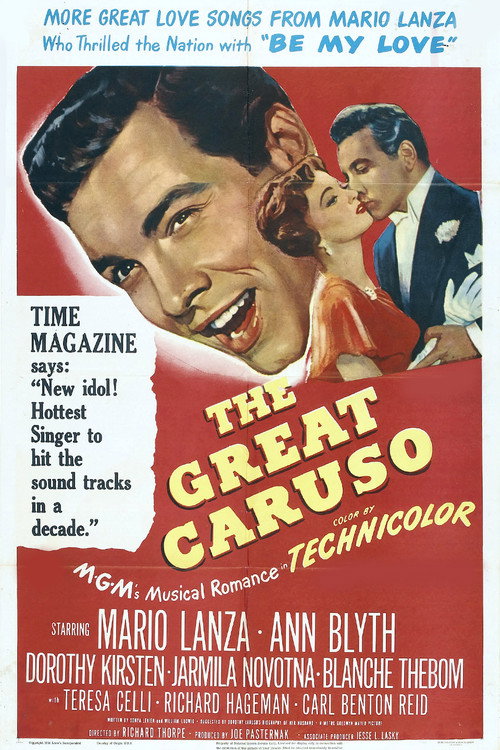
The Great Caruso1951
Mario Lanza as the legendary tenor, with actual opera sequences that dwarf anything in Rose Marie. If you want to hear extraordinary singing in a narrative film, this delivers. The production values are immense.
But Lanza's acting is... operatic in a way that transcends his character. The biography is deeply fictionalized. It's long and emotionally manipulative.
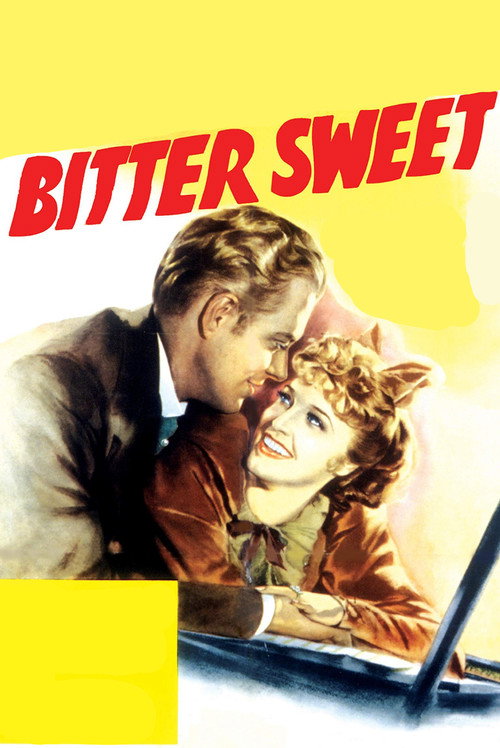
Bitter Sweet1940
Noël Coward's operetta starring Nelson Eddy, with darker material than Rose Marie—real tragedy woven through the romance and musical numbers. Eddy proves he could do more than charm when given material with teeth.
But It's genuinely sad in places, which can feel jarring if you're seeking escapism. Eddy's dramatic acting isn't subtle. The production is less lavish than the big MGM operettas.
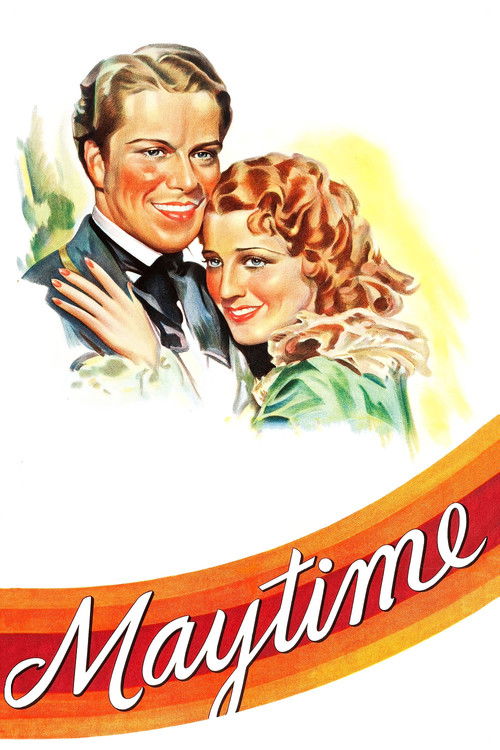
Maytime1937
MacDonald and Eddy separated by time and duty, singing Tchaikovsky, filmed in Technicolor with supernatural sweetness. It's their most emotionally affecting pairing—less froth, more genuine heartbreak.
But The supernatural ending can feel saccharine. Watching them separated for most of the runtime frustrates rather than satisfies some viewers. The pacing is deliberate.
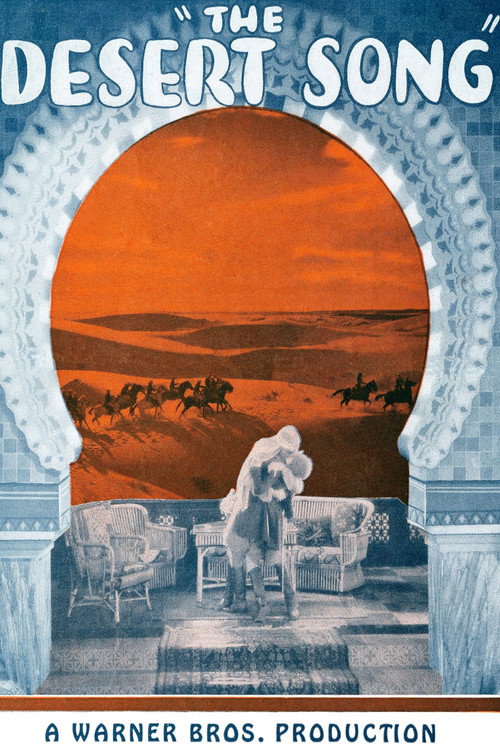
The Desert Song1929
Earlier operetta with John Boles and Carlotta King, with Technicolor sequences that are genuinely startling for their era. It shows you where the form came from and what the technology was capable of.
But The print quality can be rough depending on your source. The early sound recording is sometimes difficult. The plot is risibly thin even by operetta standards.
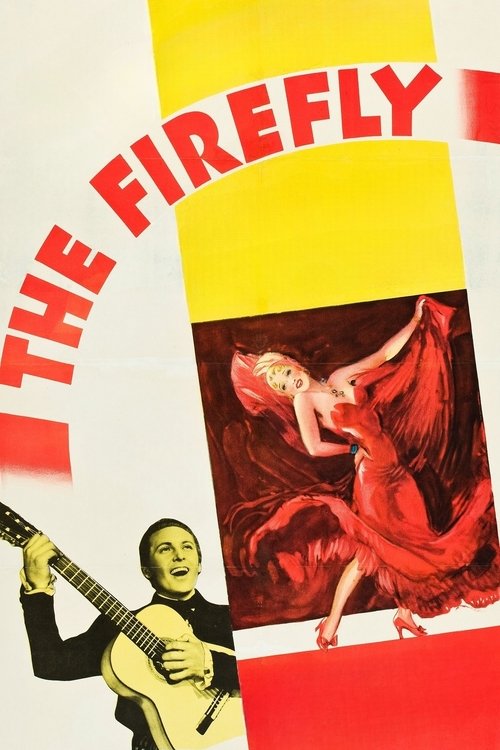
The Firefly1937
Jeanette MacDonald solo—no Nelson Eddy—opposite Allan Jones. It's lighter, faster, and shows she could carry a picture on her own. The production numbers are delightful and the whole thing moves with surprising verve.
But Allan Jones is charming but no Eddy. The material is frothier and less substantial than Rose Marie. Some find the comedy sequences strained.
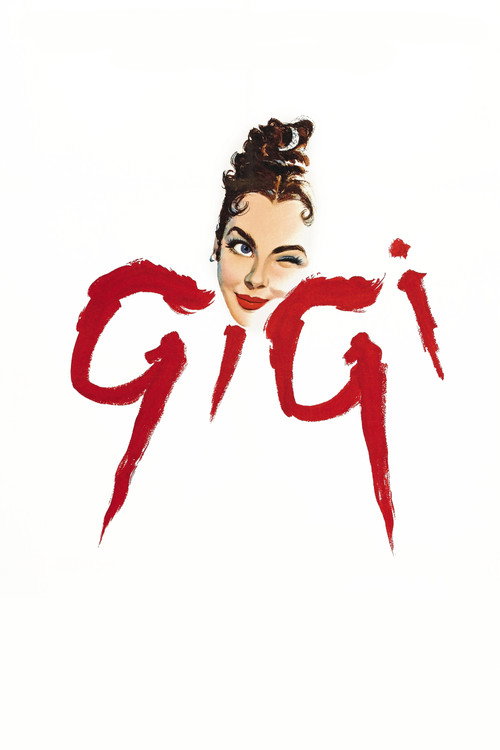
Gigi1958
Both are enchanted romances in gorgeous settings where music carries the emotional weight, but Gigi proves the form could evolve without losing its magic. Different era, same spell.
A musical that learned operetta's lessons but applied them with wit and modernity. Leslie Caron, Louis Jourdan, and gorgeous Technicolor Paris. The songs advance character rather than interrupt it. Revolutionary for its time, still joyful now.
But Lighter than Rose Marie—almost frothy by comparison. The gender politics are complicated (grooming is played for charm). Some find the whimsy exhausting.
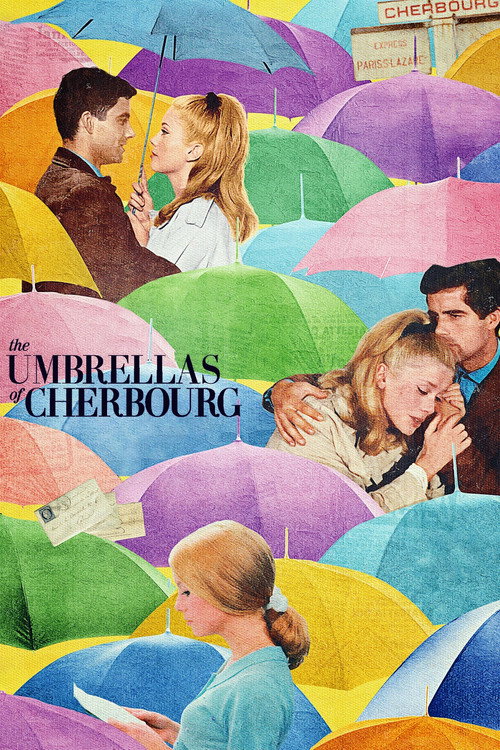
The Umbrellas of Cherbourg1964
Both films believe completely in the operetta's central truth: that heightened emotion, music, and beauty can express what naturalism cannot. Cherbourg proves that truth transcends era and language.
Jacques Demy's French musical where every word is sung or the film is silent. The color palette is literally edible. It's operetta stripped to its essence—pure emotion, pure artificiality, totally sincere. A masterpiece.
But It's in French with subtitles. The emotional register is melancholy, not cheerful. If you can't accept total stylization—no realistic dialogue, everything sung—you'll rebel. It ends sadly.
People
Cast
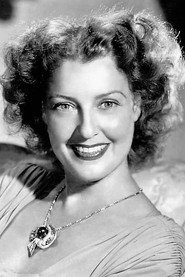 Jeanette MacDonaldMarie de Flor
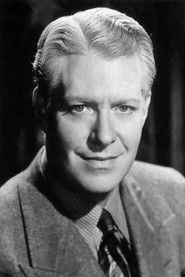 Nelson EddySgt. Bruce
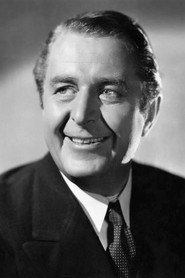 Reginald OwenMyerson
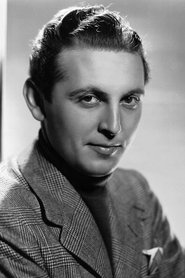 Allan JonesRomeo
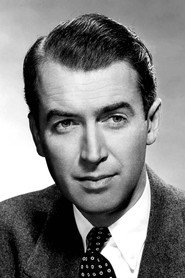 James StewartJohn Flower
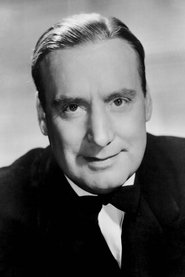 Alan MowbrayPremier
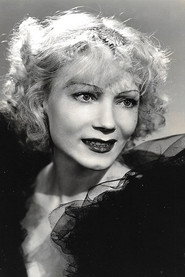 Gilda GrayBelle
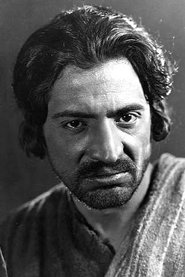 George RegasBoniface
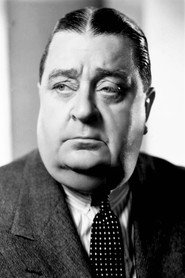 Robert GreigHotel Manager
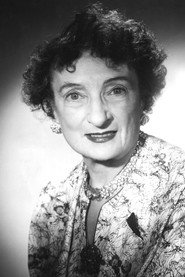 Una O'ConnorAnna
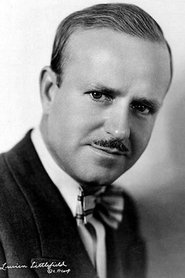 Lucien LittlefieldStorekeeper
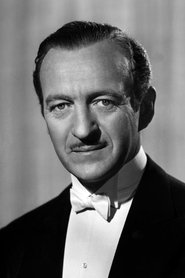 David NivenTeddy
Directing
- Joseph M. NewmanAssistant Director
- W.S. Van DykeDirector
Writing
- Oscar Hammerstein IILyricist
- Otto A. HarbachLyricist
- Albert HackettScreenplay
- Alice D.G. MillerScreenplay
- Frances GoodrichScreenplay
- Oscar Hammerstein IITheatre Play
- Otto A. HarbachTheatre Play
Production
- Hunt StrombergProducer
Recommended by
The Merry Widow, Bitter Sweet, Maytime, Naughty Marietta, The Student Prince, The Firefly, The Chocolate Soldier, Deep in My Heart, The Great Victor Herbert, Springtime in the Rockies, The Rogue Song, The Cat and the Fiddle, Metropolitan, Rose of the Rancho, The Kissing Bandit, Caravan, New Moon, The Gypsy Baron, The Vagabond King, The Cuban Love Song