
Film
The Vagabond King
A 1930 operetta film about medieval poet-rogue Francois Villon, sentenced to death but given one day to prove himself by defeating invaders and winning a lady's heart. It's a lavish, theatrical romance with music and spectacle — the kind of thing that feels both earnest and wonderfully silly. For anyone charmed by early musical cinema or historical fantasy that doesn't take itself too seriously.
If you liked this
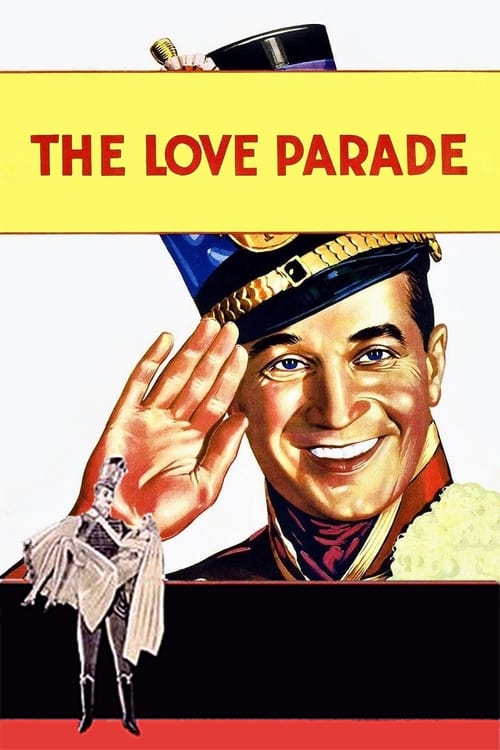
The Love Parade1929
Lubitsch's sophisticated operetta about a prince and a widow in a mythical kingdom, brimming with wit, musical numbers, and the kind of elegant artifice that *The Vagabond King* aspires to. A masterclass in early sound film charm.
But The pacing is very slow by modern standards, and the comedy relies entirely on nuance and timing — if you're not in the mood, it can feel static.
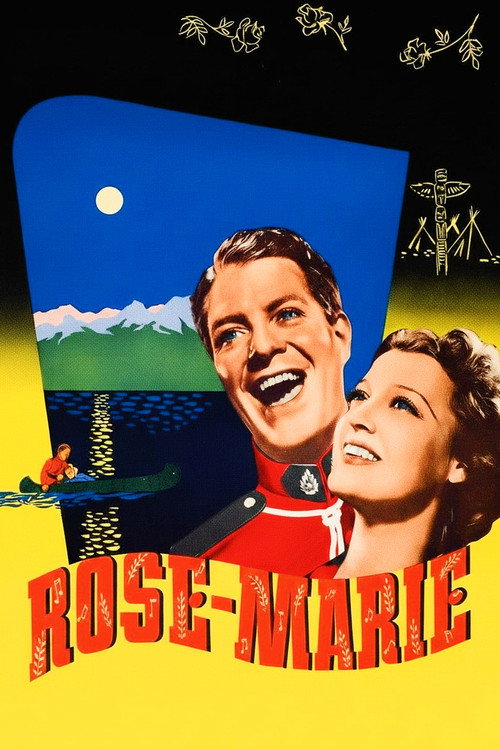
Rose Marie1936
Nelson Eddy and Jeanette MacDonald (your Vagabond King lead) in another sweeping operetta set in the Canadian wilderness, combining adventure, romance, and big musical numbers with genuine production value and charm.
But The plot is thin and the gender dynamics are dated. It asks you to accept some things that don't quite make sense by modern logic.
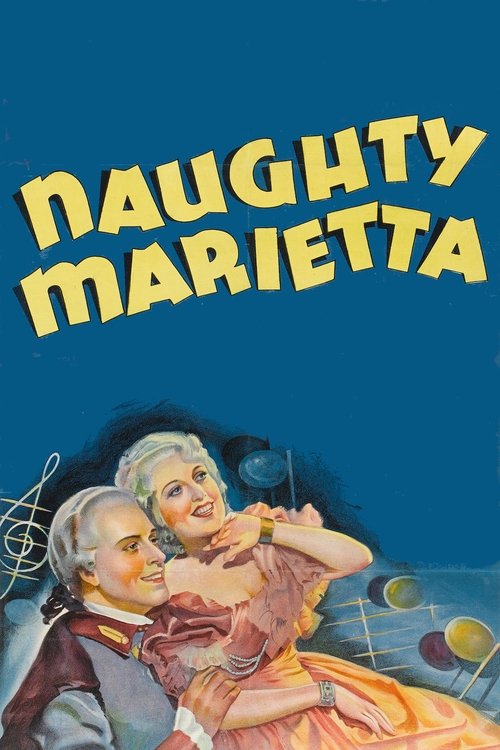
Naughty Marietta1935
MacDonald again, this time with Nelson Eddy, in an operetta set in 18th-century New Orleans. It has the same theatrical energy, romantic earnestness, and lavish costuming that makes *The Vagabond King* such a period piece delight.
But The plot creaks. Once you've heard the premise, you know where it's going, and getting there takes patience.
Not sure tonight? Get a pick in a minute, starting from The Vagabond King
The wildcard
Something you would not have found on your own.
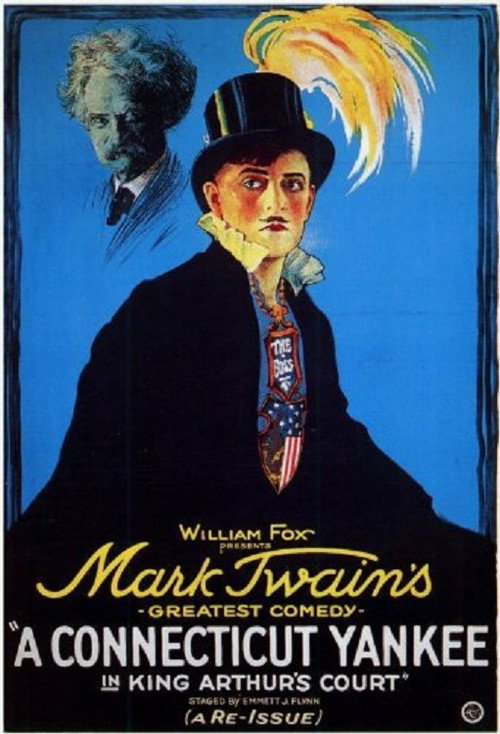
A Connecticut Yankee in King Arthur's Court1921
Both pit a clever protagonist against a backward medieval kingdom and ask us to believe in romance blooming amid chaos and courtly intrigue. Both are fantasies dressed up in historical costume, more interested in charm than authenticity.
A man travels to medieval Camelot and tries to modernize it while romancing Alisande — same era, same roguish hero winning an impossible kingdom, but told as a comedic fantasy rather than romantic operetta. Shows how the 1920s imagined the Middle Ages.
But It's silent, and the comedy is very much of that era — physical and theatrical. If you're not attuned to silent film humour, it may not land.
More like this (8)
The Desert Song1929
Another operetta from the same era about a disguised nobleman fighting injustice in the desert — very much the same DNA as *The Vagabond King*, with spectacle, romance, and the earnest melodrama that makes these films oddly endearing.
But The production values are uneven, and the second half sags. Some of the theatrical affectation will feel overwrought unless you're prepared for it.
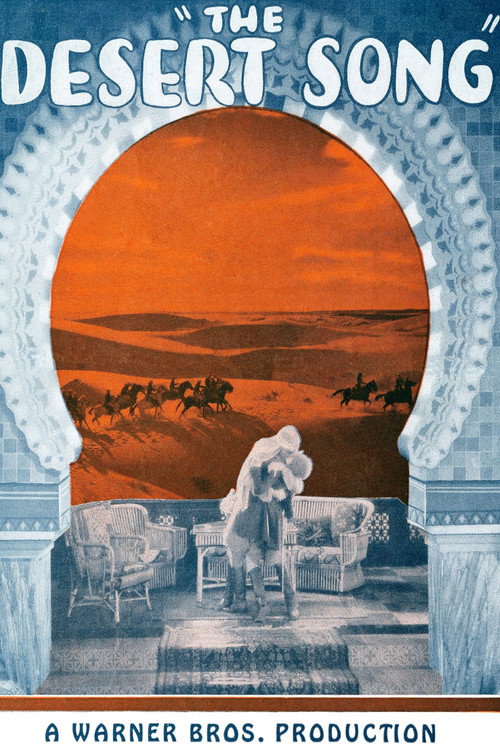
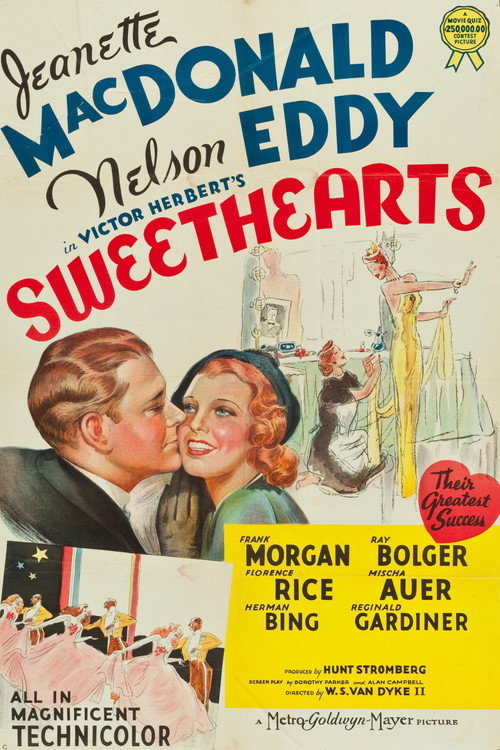
Sweethearts1938
Jeanette MacDonald and Nelson Eddy's operetta about actors staging a musical in a fantasy kingdom. It's beautifully shot, genuinely charming, and captures the theatrical magic that *The Vagabond King* was reaching for.
But If you find operetta singing a barrier to enjoyment, this won't change your mind. The story is gossamer-thin.
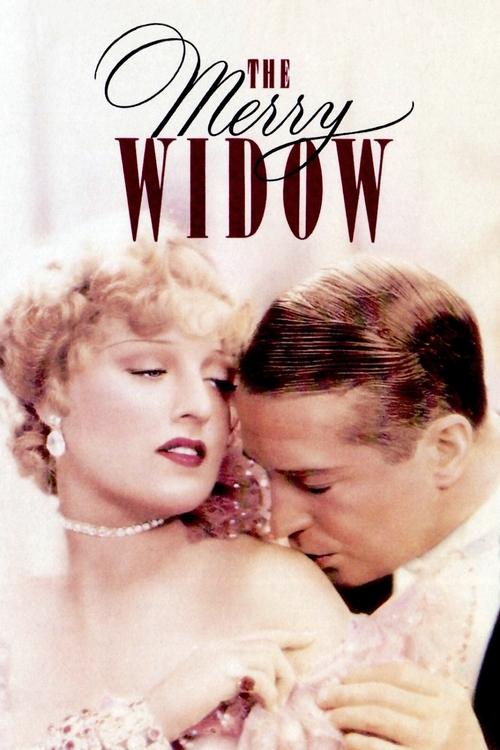
The Merry Widow1934
Lubitsch directs this Lehar operetta with Maurice Chevalier and Grace Moore — glamorous, witty, impeccably staged. Shows what the form could achieve when direction and star power align perfectly.
But It's a costume picture made for audiences who loved costume pictures. If operetta bores you, Lubitsch's brilliance won't save it for you.
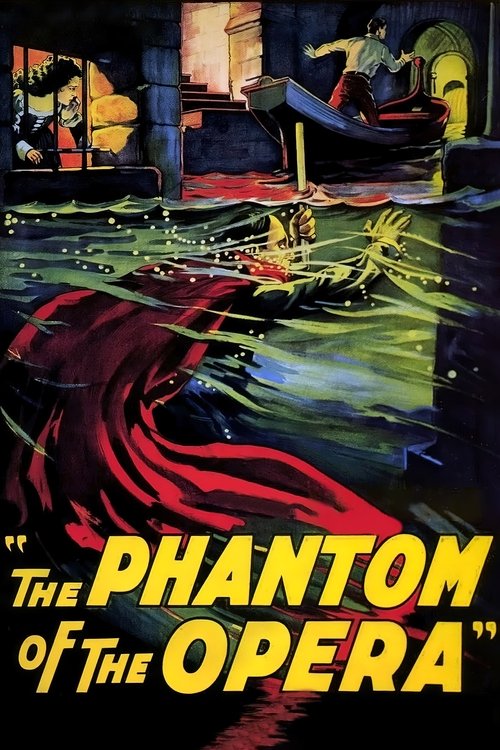
The Phantom of the Opera1925
Lon Chaney's silent masterpiece with music — a gothic, visually sumptuous romance set in a theatrical world. Different in mood from *The Vagabond King*, but shares the operatic grandeur and devoted melodrama.
But It's silent, and some of the acting style will feel broad and strange. The pacing is very much of its era.
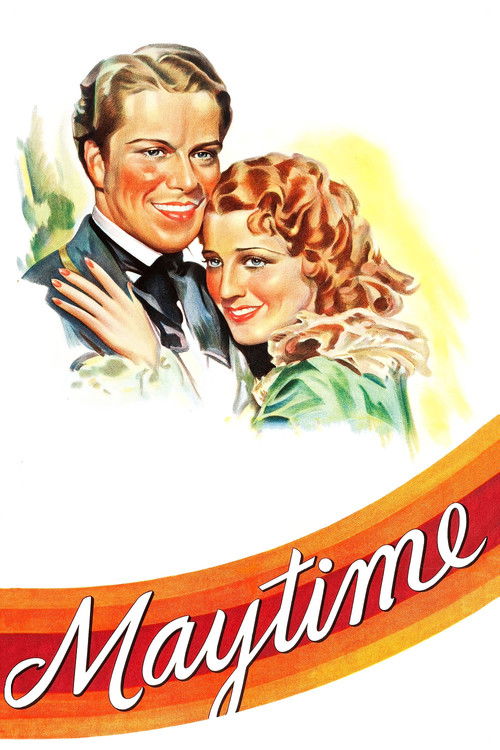
Maytime1937
Another MacDonald vehicle, this one a sweeping operetta spanning decades, with real emotional weight beneath the music and romance. Shows what the form could do when given genuine dramatic stakes.
But The tonal shifts between buoyant musical numbers and serious tragedy can feel jarring. Some viewers find the melodrama excessive.
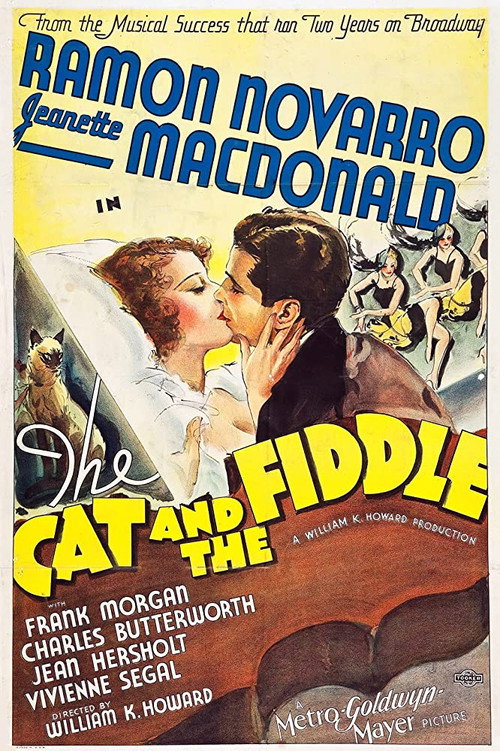
The Cat and the Fiddle1934
Jeanette MacDonald and Ramon Novarro in a lighter, more contemporary operetta about composers in Paris. More intimate in scale than *The Vagabond King*, but captures the same romantic idealism and playful theatricality.
But It's quite slight — barely ninety minutes and less interested in plot than in mood. If you need strong narrative momentum, this won't provide it.
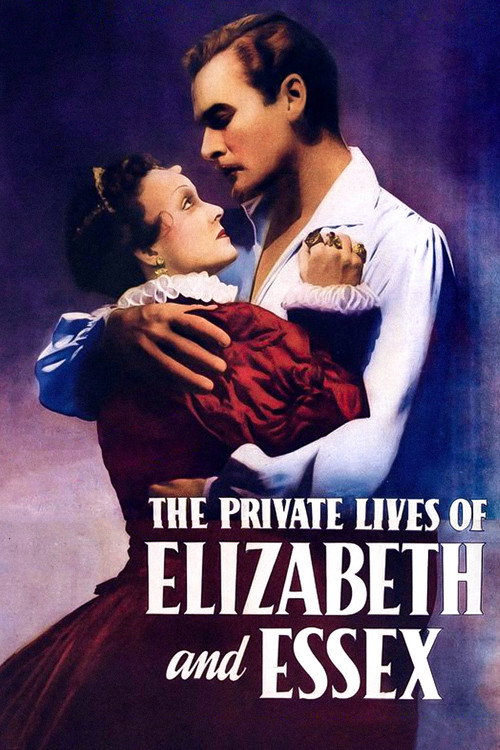
The Private Lives of Elizabeth and Essex1939
A charming scoundrel navigating a dangerous monarch and a woman he can't have, caught between honour and survival. Both films treat history as a backdrop for romantic melodrama rather than documentary accuracy.
Errol Flynn and Bette Davis in a historical romance where a roguish rogue tries to navigate court favour and lost love — gorgeously Technicolored, swashbuckling, with the same theatrical energy but grounded in actual (if wildly reimagined) history.
But Davis and Flynn are wildly mismatched in tone — she's deadly serious, he's playing adventure hero. The film never quite reconciles them, and it shows.
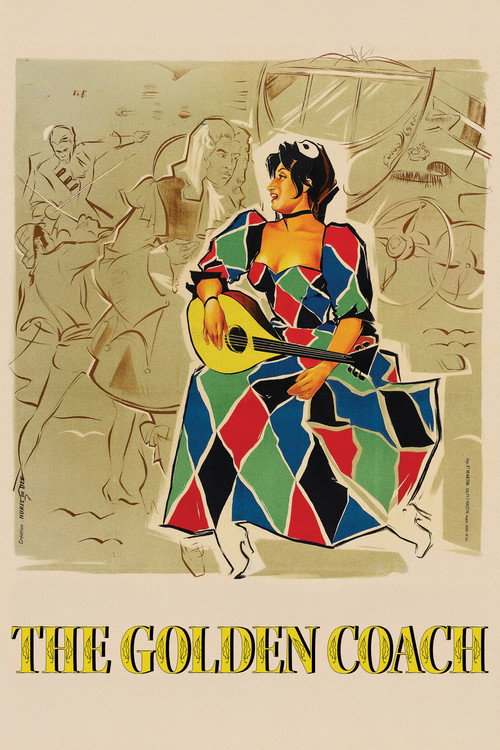
The Golden Coach1952
Both are films *about* theatre and spectacle that refuse to pretend they're not artifice. Both ask us to invest emotionally in romantic fantasy while remaining aware we're watching a performance. Villon the poet and the commedia troupe are both artists surviving in hostile worlds by charm and wit.
Renoir's ravishing film about a commedia dell'arte troupe in 18th-century Peru, where theatre, romance, and politics intertwine. It has the same theatrical artificiality as *The Vagabond King* but pushes it into something strange and philosophically rich.
But It's deliberately theatrical and self-aware in ways that can feel mannered and cold. Renoir's style will perplex you if you're looking for narrative or emotional realism.
People
Cast
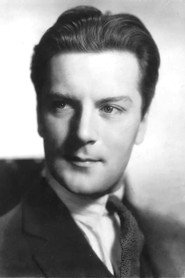 Dennis KingFrancois Villon
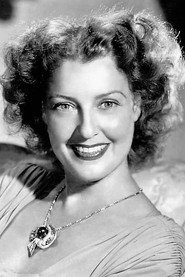 Jeanette MacDonaldKatherine
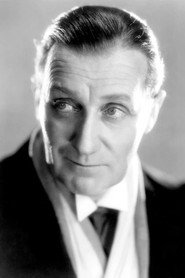 O. P. HeggieKing Louis XI
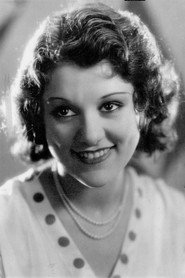 Lillian RothHuguette
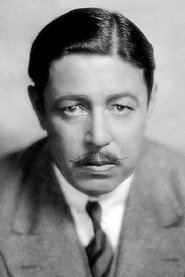 Warner OlandThibault
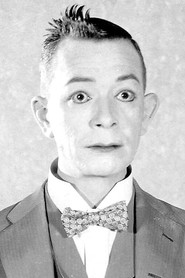 Arthur StoneOliver the barber
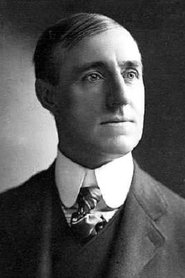 Tom RickettsThe Astrologer
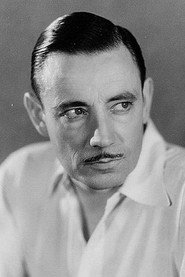 Lawford DavidsonTristan
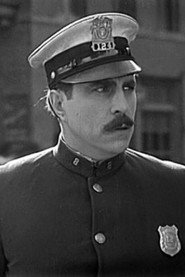 Christian J. FrankExecutioner
- Elda VoelkelGirl
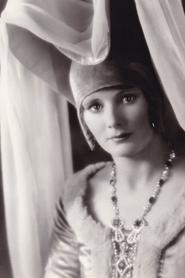 Dorothy DavisBrunette
- Thora WaverlyBrunette
Directing
- Ernst LubitschCo-Director
- Ludwig BergerDirector
Writing
- Brian HookerLyricist
- Herman J. MankiewiczScreenplay
Production
- Adolph ZukorProducer