
Film
A Connecticut Yankee in King Arthur's Court
Other titles called A Connecticut Yankee in King Arthur's Court: the 1949 film.
- Comedy
- Light-hearted
A 1921 silent comedy where a young man dreams himself into King Arthur's court and uses modern gadgetry—motorcycles, explosives—to outwit medieval knights. It's a boisterous, effects-driven adventure that plays Twain's fish-out-of-water premise for slapstick and spectacle. For anyone curious about how early cinema tackled fantasy or who loves silent comedies with genuine ambition.
If you liked this
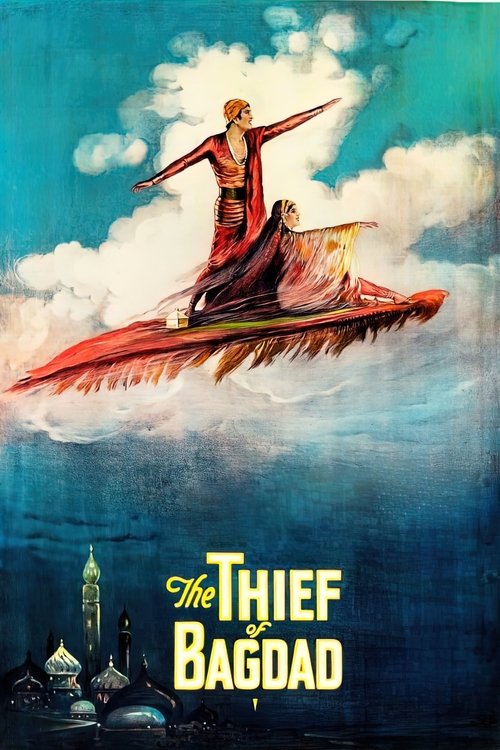
The Thief of Bagdad1924
Douglas Fairbanks in a lavish, effects-heavy fantasy adventure with flying carpets, magic, and impossible stunts. Silent cinema at its most imaginative and thrilling, with practical effects that still dazzle.
But The pacing can feel slow by modern standards, and Fairbanks' mugging occasionally tips into overacting. The racial politics of the setting are dated.
Intolerance: Love's Struggle Throughout the Ages1916
D.W. Griffith's epic four-story montage of love and conflict across history. The scope is staggering—massive sets, thousands of extras, a visual language that still feels revolutionary.
But At three and a half hours with minimal dialogue, it demands patience and active attention. The narrative jumps between eras can be disorienting on first viewing.

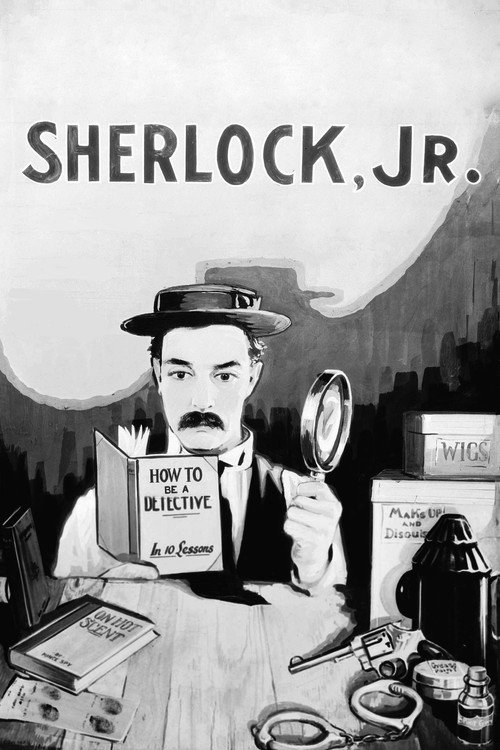
Sherlock Jr.1924
Buster Keaton plays a projectionist who dreams himself into a film noir. Brilliant visual comedy, impossible stunts, and meta-cinema ideas that predate postmodernism by decades.
But The plot is minimal—it's about the gags, not character. If you need emotional stakes, this will feel empty.
Not sure tonight? Get a pick in a minute, starting from A Connecticut Yankee in King Arthur's Court
The wildcard
Something you would not have found on your own.
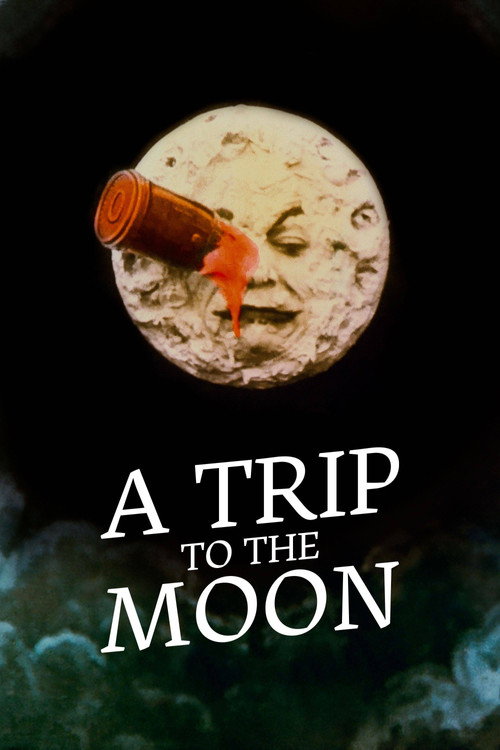
A Trip to the Moon1902
Both use fantastical technology and spectacle as the whole point. Connecticut Yankee owes everything to Méliès' conviction that cinema's job was to show impossible things.
Méliès' 14-minute fantasy about a trip to the moon—hand-coloured, absurdist, crammed with impossible visual tricks. It's the ancestor of all special-effects cinema.
But It's very short and entirely episodic. The 'plot' is an excuse for set pieces; there's no character or emotional arc.
More like this (7)
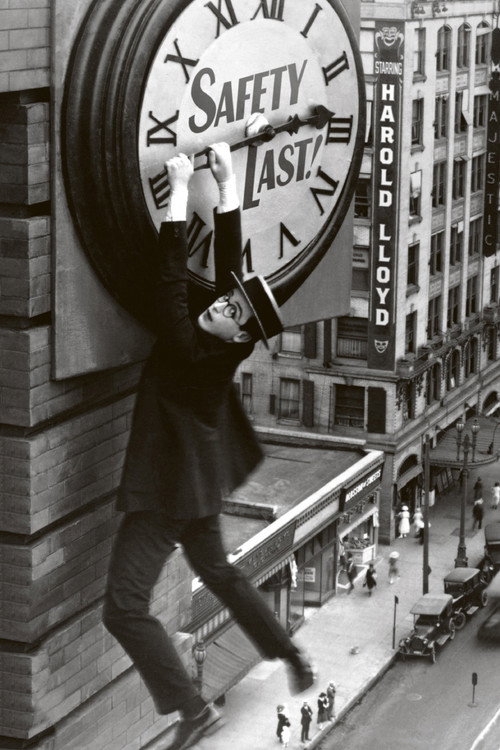
Safety Last!1923
Harold Lloyd hanging from a clock on a skyscraper. Genuinely nail-biting physical comedy with real danger; Lloyd was a stunt performer doing these himself, no tricks.
But The romantic subplot is thin and feels obligatory. Some of the humour depends on dated social attitudes.
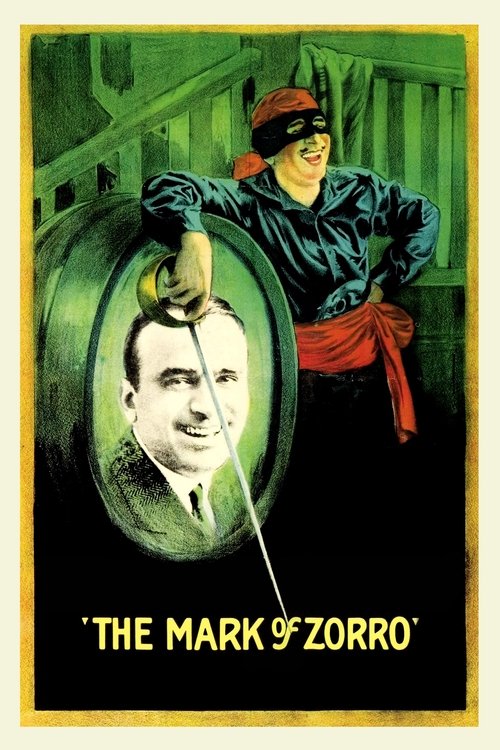
The Mark of Zorro1920
Douglas Fairbanks as a swashbuckling hero in old California. Fast, charming, and endlessly inventive with action choreography. The blueprint for every masked vigilante that followed.
But The love story is perfunctory, and the villainy is one-note. Silent film acting conventions may feel theatrical.
Häxan1922
A Swedish documentary-fantasia about witchcraft across history, part education and part surreal nightmare. Genuinely unsettling, visually baroque, nothing quite like it.
But It's strange and uncomfortable by design. The pacing is deliberate and the mood bleak; there's no comedy to break the tension.

Nosferatu1922
The grandfather of all vampire films. Eerie, atmospheric, with genuine dread—and it's only 90 minutes. The shadow sequences are still haunting.
But The print quality varies wildly depending on which version you find. The storytelling is minimal; it's mood over plot.

The Phantom Carriage1921
A Swedish ghost story about a man who must relive his cruelty on New Year's Eve. Visually inventive, melancholy, with genuine moral weight beneath the supernatural trappings.
But It's slow and meditative rather than gripping. The heavy moralism may feel preachy to modern viewers.

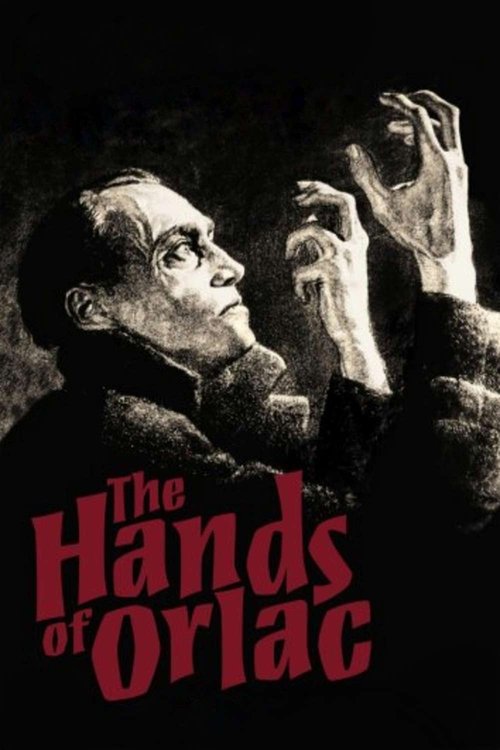
The Hands of Orlac1924
A pianist's hands are transplanted from a murderer's corpse. Eerie German Expressionist psychodrama with a central obsession that spirals into madness and paranoia.
But The plot hinges on pseudoscience that doesn't hold up. The pacing is glacial and the resolution feels unearned.
Metropolis1927
Both are about technology changing everything, but where Connecticut Yankee treats it as comedy and conquest, Metropolis asks what happens when progress serves power. Same fascination with modernity; opposite moral registers.
Fritz Lang's vision of a future dystopia: art deco cities, robot women, and class warfare in stunning geometric compositions. Visually it feels like architecture come alive.
But The restoration is necessary but still patchy, and the ending feels naive about how class struggle resolves. It's slow and the acting is arch by any standard.

People
Cast
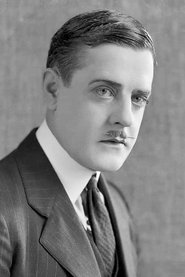 Harry MyersThe Yankee / Martin Cavendish
 Pauline StarkeSandy
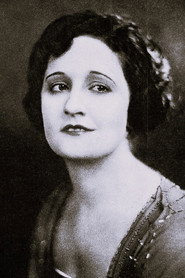 Rosemary ThebyQueen Morgan le Fay
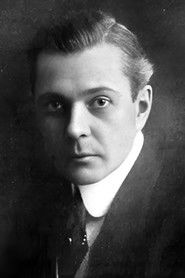 Charles ClaryKing Arthur
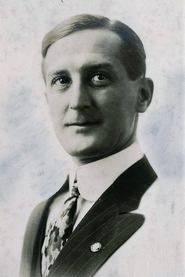 William V. MongMerlin the Magician
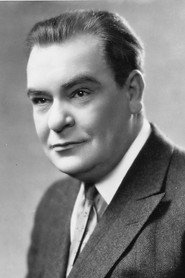 George SiegmannSir Sagramore
- Charles GordonThe Page, Clarence
Directing
- Emmett J. FlynnDirector
Writing
- Bernard McConvilleAdaptation
- Mark TwainNovel