
Film
New Moon
A 1940 operetta where a French aristocrat and a revolutionary fall for each other in colonial Louisiana. Jeanette MacDonald and Nelson Eddy trade witty barbs between soaring musical numbers, all lush orchestration and implausible romance. It's a film that knows exactly what it is: escapist, gorgeously sung, and utterly unconcerned with historical accuracy. For anyone who loves old Hollywood glamour and doesn't mind melodrama.
If you liked this
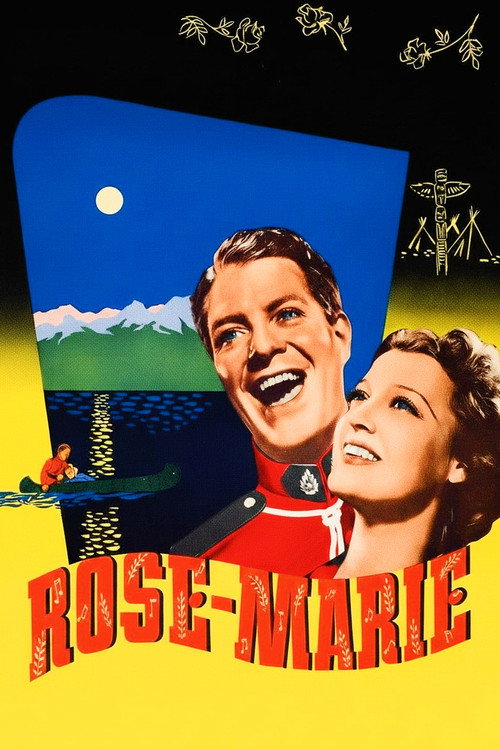
Rose Marie1936
MacDonald and Eddy's first pairing, equally romantic and musical. If New Moon charmed you, this perfects the formula with even better songs and equally ridiculous Mountie adventures in Canada.
But The plot is even thinner than New Moon, and the romance lacks the political intrigue that gives the newer film its slight edge.
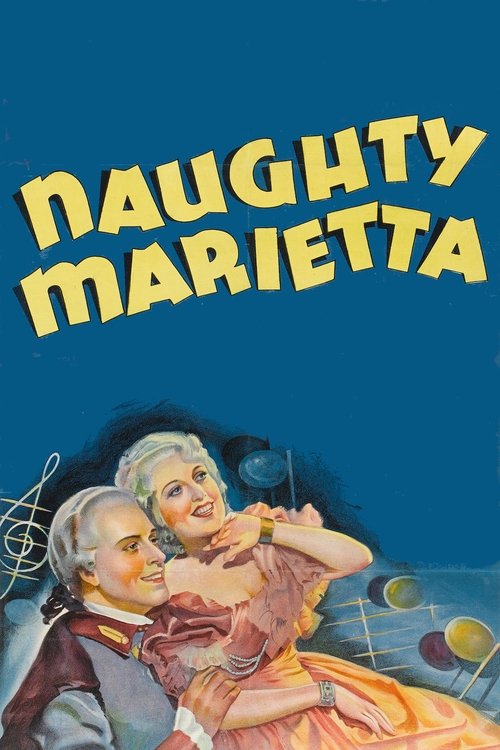
Naughty Marietta1935
The film that made MacDonald a star and proved audiences wanted operetta on screen. It has swagger, humour, and the kind of production design that makes you believe in every gilded frame.
But Eddy isn't in this one; Victor Herbert's score, while lovely, doesn't quite reach the heights of MacDonald's best work with her later partner.
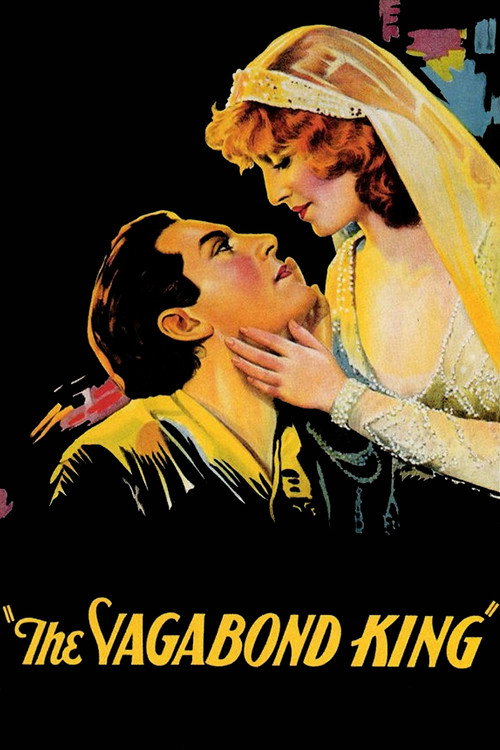
The Vagabond King1930
An earlier Hollywood operetta with genuine swashbuckling energy and a roguish lead who beds aristocrats while singing Friml. The chaos is part of the charm, and the production values are genuinely impressive for 1930.
But The print quality varies wildly, and the pacing stumbles in the second act. It feels more like stage material awkwardly shoved onscreen.
Not sure tonight? Get a pick in a minute, starting from New Moon
The wildcard
Something you would not have found on your own.
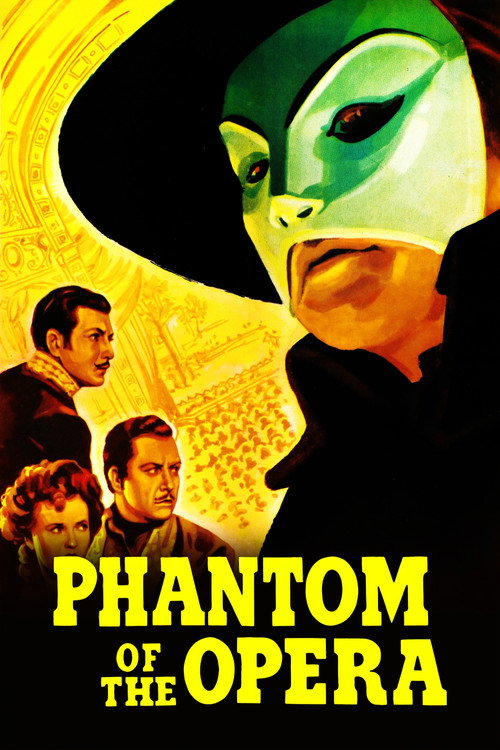
Phantom of the Opera1943
Both are showcases for Eddy's voice in lavish, colour-drenched productions; both treat operatic grandeur as their native language rather than a costume drama can wear.
Nelson Eddy opposite Claude Rains in a Technicolor extravaganza that proves Eddy could hold a dark, complex role. It's operetta as gothic romance rather than romantic adventure—the same theatricality, a completely different emotional register.
But It's a very loose adaptation of the novel, and some find Eddy's casting as the tragic Phantom misguided. The film prioritises spectacle and opera over character depth.
More like this (7)
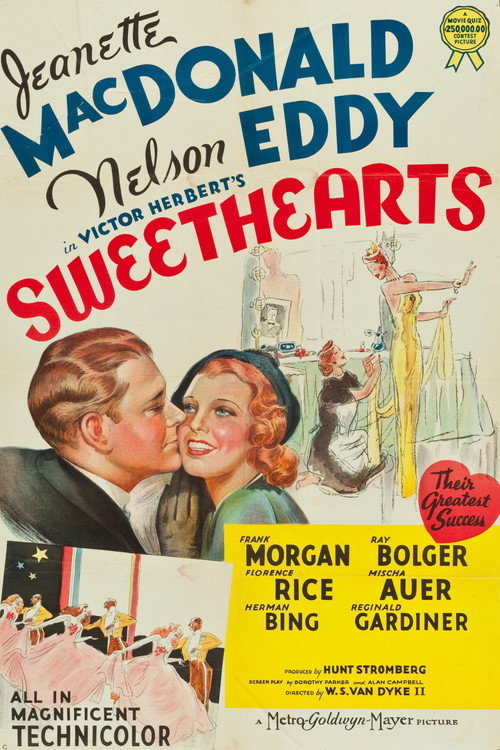
Sweethearts1938
MacDonald and Eddy at their most playful, in Technicolor no less. It's lighter and funnier than New Moon, with better jokes and a theatrical metaplot that lets both leads show their comic timing.
But The story is almost nonexistent—it's more a series of musical numbers stitched together. Some find that exhausting rather than charming.
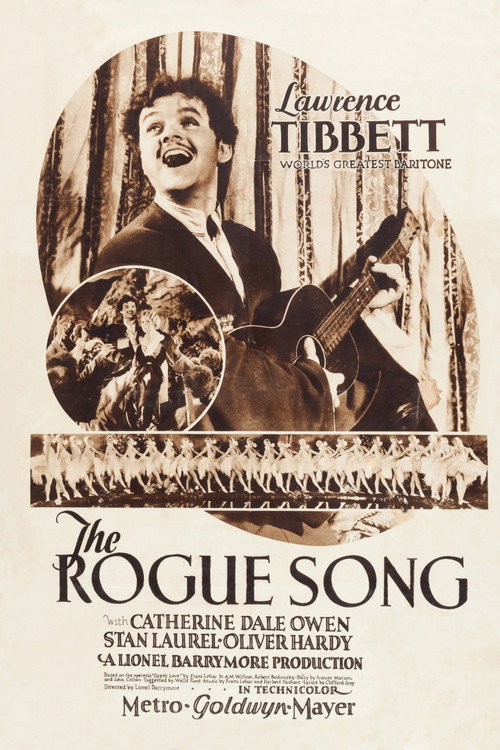
The Rogue Song1930
An early talkie operetta with Laurel and Hardy as comic relief and genuine Caucasian folk music woven through a romance between a bandit and a Russian princess. The novelty alone is worth the evening.
But Being 1930, the sound recording is tinny and difficult, and the film's racial attitudes are genuinely uncomfortable by any standard.
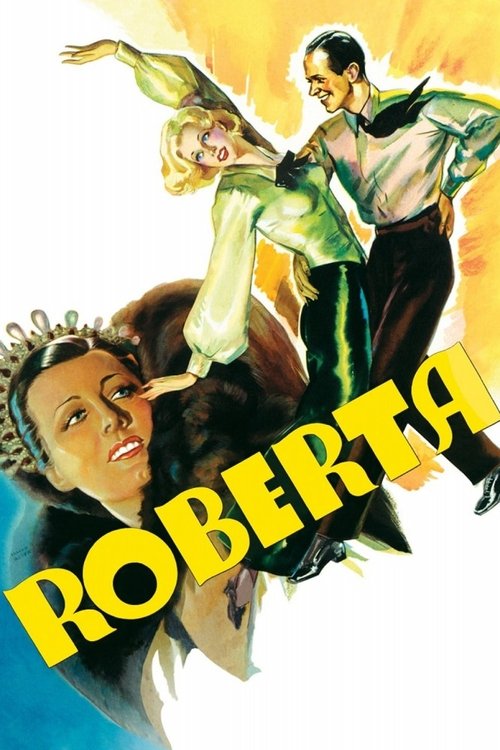
Roberta1935
Fred Astaire and Ginger Rogers in a musical operetta hybrid set in Paris. The dancing is exquisite, the romance is earned, and Jerome Kern's score is one of the finest ever written for American film.
But It's not an operetta in the way New Moon is—it's a dance musical. If you're coming for MacDonald-style vocals and grand romantic gestures, the tone is quite different.
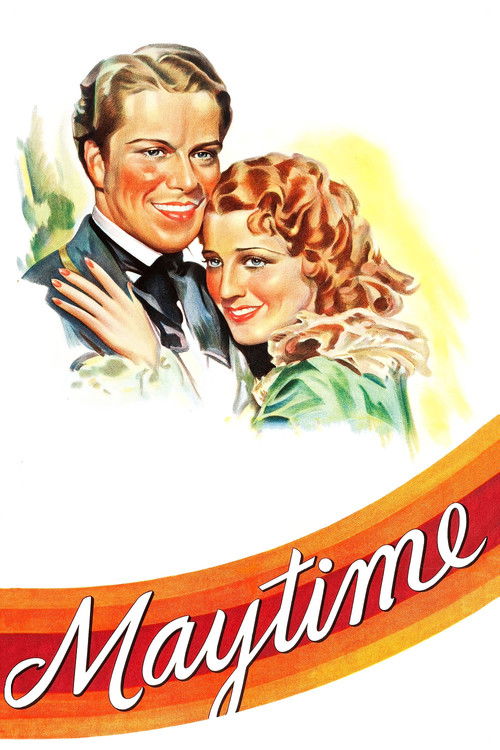
Maytime1937
MacDonald's most ambitious film, spanning decades and including a frame narrative with genuine dramatic weight. Her voice has never sounded better, and the climax has real emotional stakes beneath the operetta trappings.
But Eddy is excellent but plays second fiddle to the vocal showcase. Some scenes drag, and the plot's supernatural element may feel like it's trying too hard.
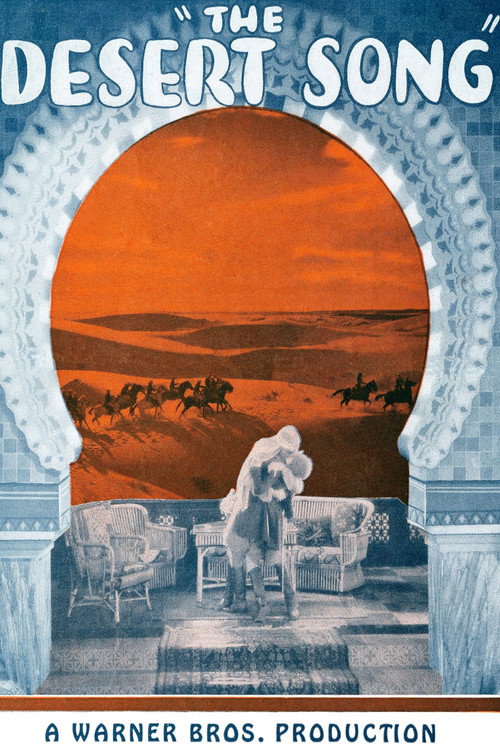
The Desert Song1929
An early operetta that influenced everything after it: a masked hero in Arabia, a rebellion, romance, and songs that still move. It's the template New Moon perfects, but this original has scrappy charm.
But The film is deeply marked by early talkie limitations—tinny sound, static camera, long stretches with no music. It requires patience and goodwill.
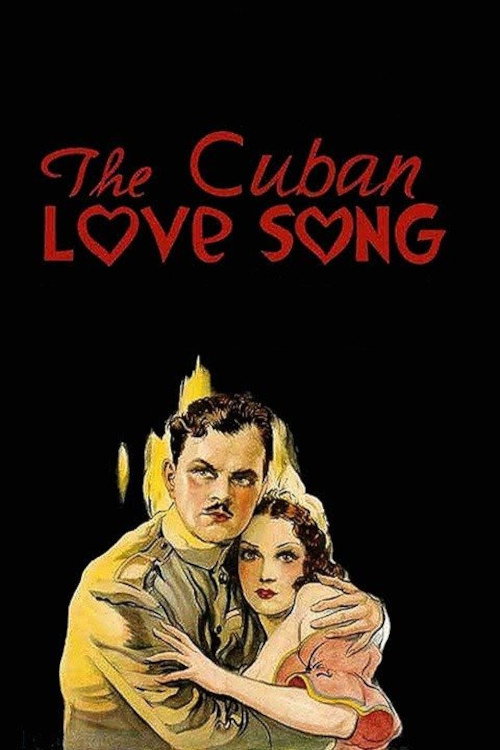
The Cuban Love Song1931
Both marry colonial military adventure, doomed romance, and operatic music; both ask whether grand singing can replace plot in cinema.
Lawrence Tibbett (an actual opera singer, unlike Eddy) in a pre-operetta operetta set in Cuba during the Spanish-American War. It's the proof-of-concept that stage singers could carry film, shot through with genuine cultural texture and a haunting score.
But The film is difficult to find, the print is poor, and Tibbett's acting is stiff. It also moves like it's still onstage—paced for the back row of the theatre.
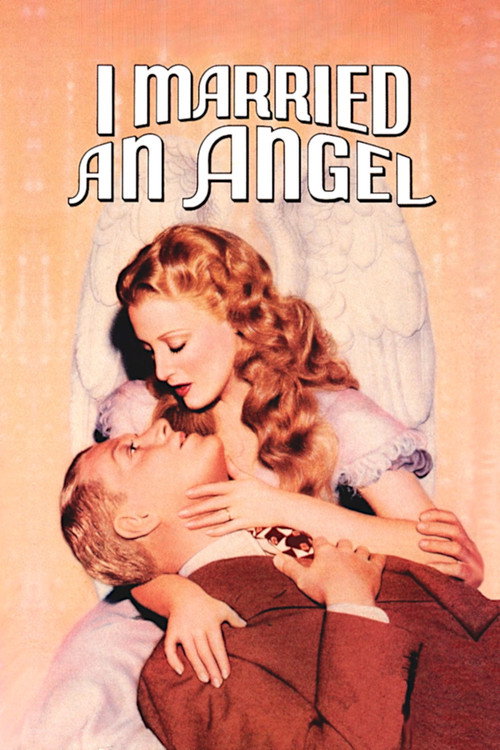
I Married an Angel1942
Both star MacDonald in impossibly romantic scenarios where class and circumstance threaten love; both are pure escapism dressed in Technicolor and orchestration.
Jeanette MacDonald in a Rodgers and Hart operetta where she plays an actual angel who falls in love with a mortal banker. It's whimsical rather than political, but the production is sumptuous and MacDonald has never been funnier or more radiant.
But The metaphysical premise feels thin beneath the musical numbers. After 1942, audiences had little patience for fantasy operetta; it bombed.
People
Cast
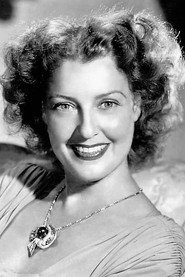 Jeanette MacDonaldMarianne de Beaumanoir
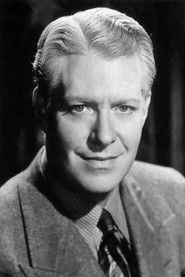 Nelson EddyCharles
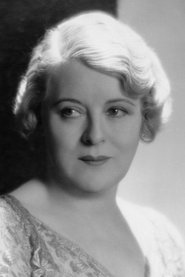 Mary BolandValerie de Rossac
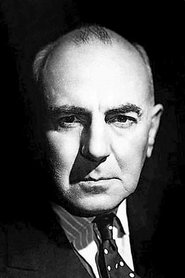 George ZuccoVicomte Ribaud
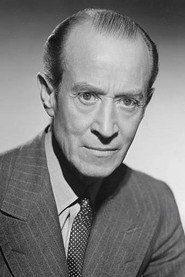 H.B. WarnerFather Michel
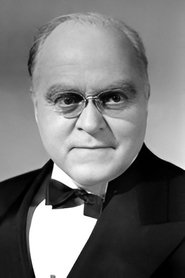 Grant MitchellGovernor of New Orleans
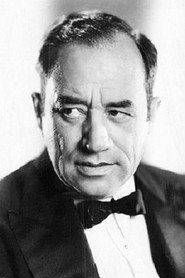 Stanley FieldsTambour
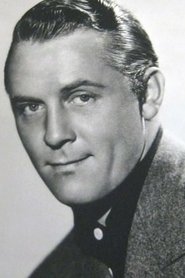 Dick PurcellAlexander
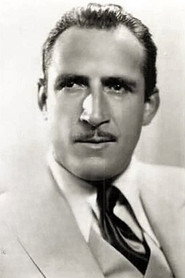 John MiljanPierre Brugnon
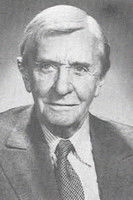 Ivan F. SimpsonGuizot
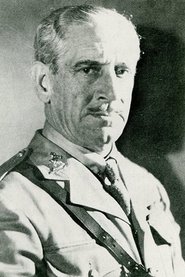 Claude KingMonsieur Dubois
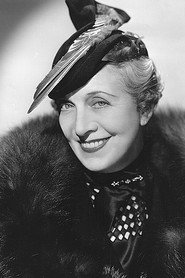 Cecil CunninghamGovernor's Wife
Directing
- Robert Z. LeonardDirector
Writing
- Oscar Hammerstein IILyricist
- Jacques DevalScreenplay
- Robert ArthurScreenplay
- Oscar Hammerstein IIWriter
Production
- Robert Z. LeonardProducer