
Film
The Cuban Love Song
A 1931 musical romance about an American Marine who returns to Cuba seeking the woman he abandoned years before. It's a charming, sentimental operetta with genuine melancholy beneath the songs—the kind of pre-Code Hollywood that felt free to be both frivolous and emotionally honest. For anyone drawn to early musicals or the particular magic of Lawrence Tibbett's voice.
If you liked this
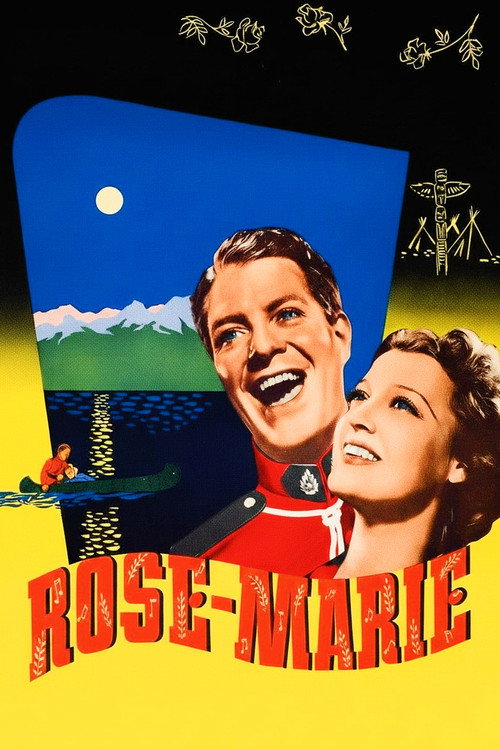
Rose Marie1936
Nelson Eddy and Jeanette MacDonald in a lavish operetta with sweeping romance and production values that justify the genre's excesses. The vocal performances are genuinely thrilling.
But Operetta can feel stagey and static to modern viewers; long stretches of pure singing with minimal plot movement test patience.
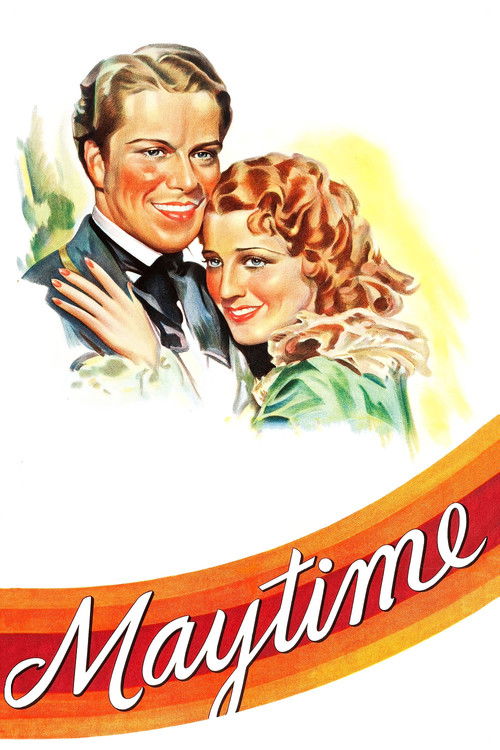
Maytime1937
Another Jeanette MacDonald vehicle with spine-tingling vocal harmonies and a bittersweet story about love across decades. The music is glorious, the emotion real.
But The production numbers interrupt narrative momentum relentlessly, and the romanticism may feel cloying if you're not in the mood to surrender to it.
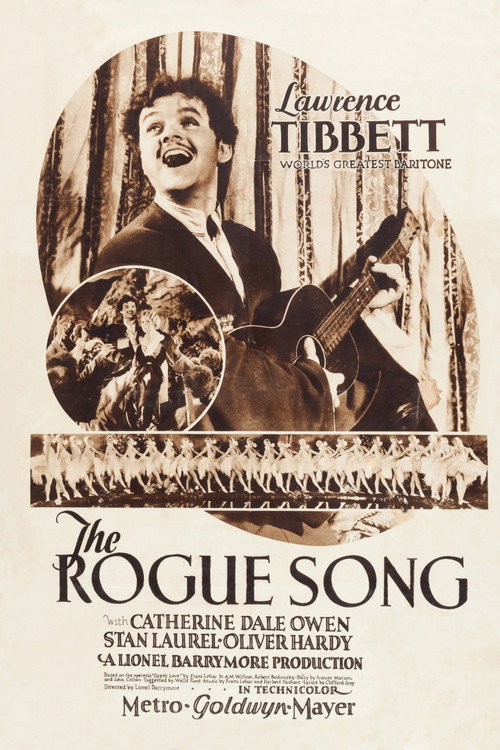
The Rogue Song1930
Lawrence Tibbett in another early talkie musical, showcasing his magnificent baritone in a story of Caucasian bandits and romance. An immediate peer to Cuban Love Song.
But Sound recording in 1930 was primitive; technical quality can be distracting, and the Orientalism dates badly.
Not sure tonight? Get a pick in a minute, starting from The Cuban Love Song
The wildcard
Something you would not have found on your own.
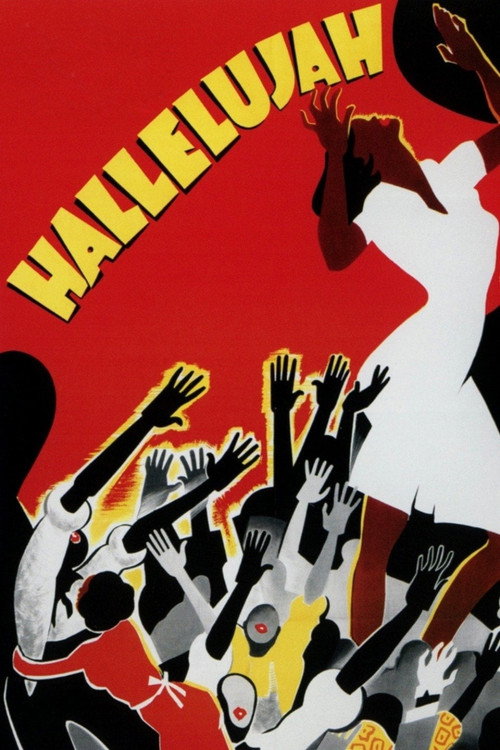
Hallelujah1929
Both are early sound films using music and ethnicity as their central engine, torn between genuine emotion and the era's worst impulses. Both ask music to carry meaning that dialogue cannot.
King Vidor's audacious early talkie uses African-American performers and genuine spirituals to create something that feels alive in a way most early musicals don't. It's urgent and emotionally raw.
But It's deeply problematic in its representation and contains racial slurs; its artistic ambition doesn't erase the harm in how it was made and marketed.
More like this (8)
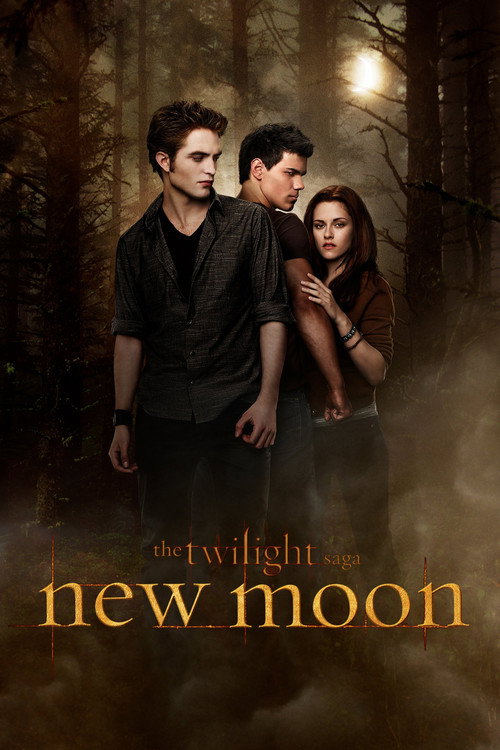
The Twilight Saga: New Moon2009
Operetta set on a ship with Sigmund Romberg's gorgeous melodies and genuine romantic chemistry. It captures the dreaminess of early musical cinema.
But Plot is gossamer-thin and exists mainly as scaffolding for songs; some will find that exhausting.
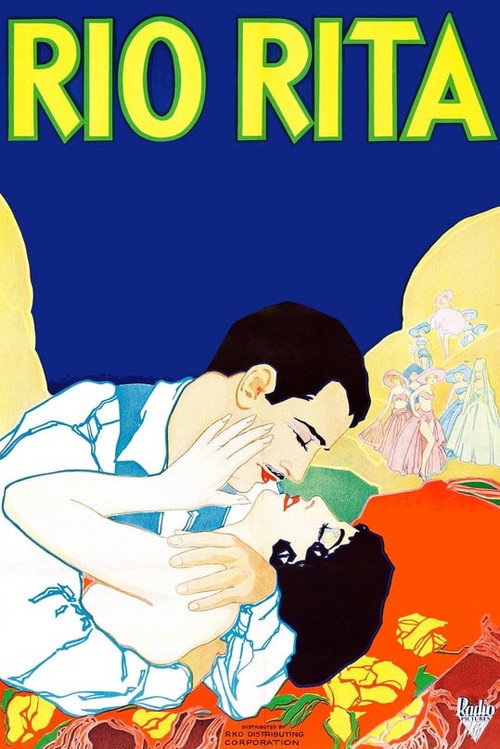
Rio Rita1929
Early talkie musical romance set on the Texas-Mexico border with Bebe Daniels and John Boles. The spectacle and energy show why these films mesmerized audiences.
But The pacing is sluggish by modern standards, and the supporting comedy (including racial caricature) feels very much of its era and worst moments.
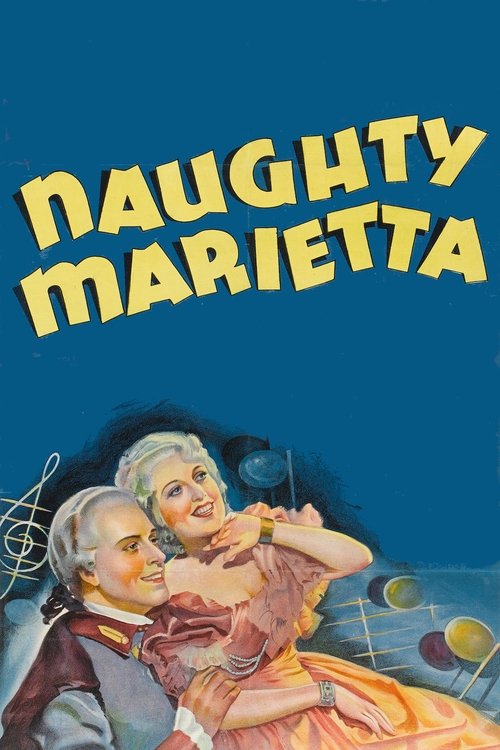
Naughty Marietta1935
MacDonald and Nelson Eddy's first pairing, with Victor Herbert's gorgeous score and genuine comic lightness alongside the romance. It proved audiences wanted more of this team.
But The plot (operetta in New Orleans) is ridiculous even by the genre's standards, and the pacing glacial.
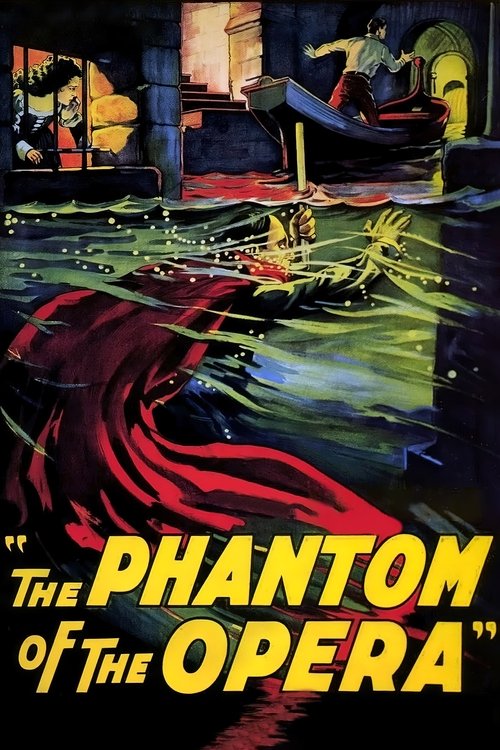
The Phantom of the Opera1925
Lon Chaney in the silent original is a masterpiece of atmosphere and emotion. The organ music and production design create a world you can't look away from.
But It's silent, which requires a different kind of attention; some find it harder to sustain engagement without dialogue.
Showboat
Lavish Jerome Kern adaptation with genuine charm, romance, and the iconic 'Ol' Man River.' It has real heart beneath the production gloss.
But The racial politics are indefensible even by 1930s standards, and will be genuinely distressing to many viewers.
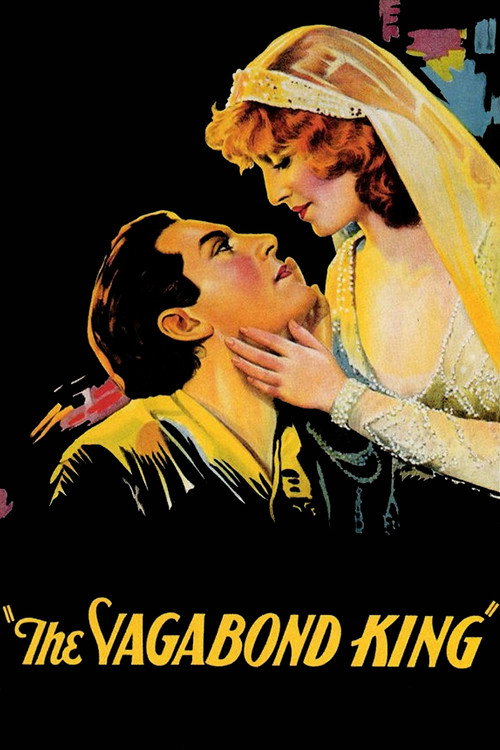
The Vagabond King1930
Dennis King in an early sound operetta with Rudolph Friml's spirited score and swashbuckling romance. It's fun in a way many of these films forgot to be.
But The dialogue and comedy feel creaky; the film prioritizes spectacle over coherence, which can feel scattered.
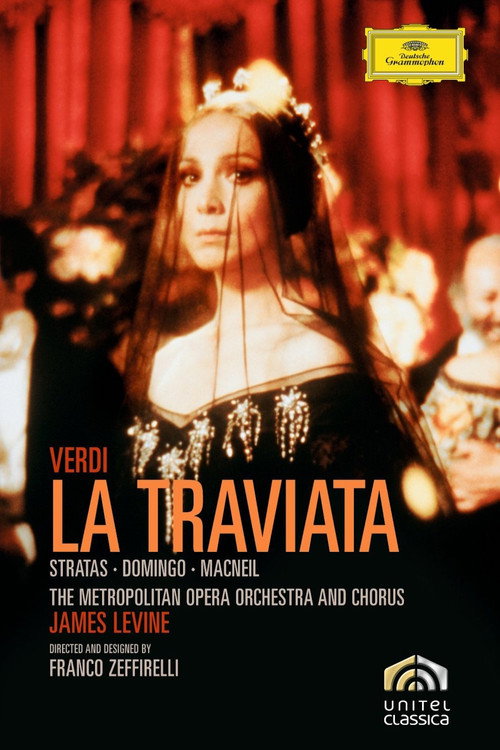
La traviata1982
Both center on romantic love as a doomed force, told through soaring vocal performance. Both ask: what does it cost to love across a gulf society won't allow you to cross?
Franco Zeffirelli's filmed opera with Placido Domingo and Teresa Stratas is operatic melodrama distilled to its essence—heartbreak, sacrifice, beauty, and the cruelty of circumstance. It moves like nothing else.
But It's an opera, which means no plot surprises and complete emotional surrender required; if you're not ready to feel things operatically, it will frustrate you.
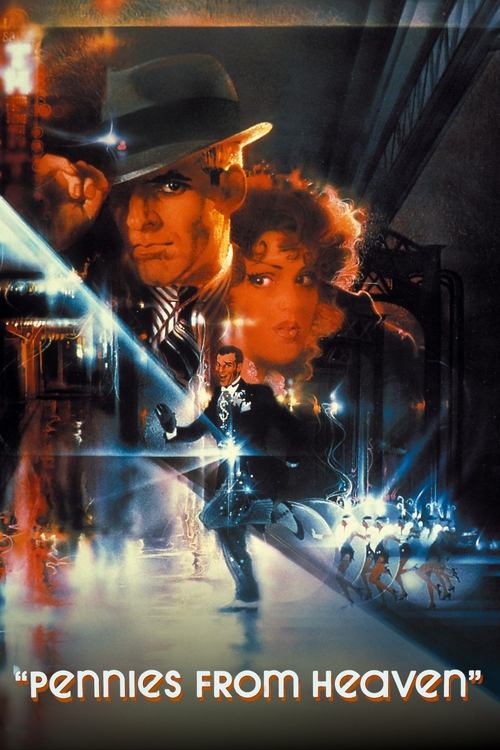
Pennies from Heaven1981
Both use the musical as a form of emotional confession. Where Cuban Love Song sings to overcome absence, Pennies from Heaven sings to acknowledge that song cannot fix anything. Same mechanism, opposite philosophies.
Steve Martin as a Depression-era sheet music salesman whose fantasy life plays out in elaborate musical numbers. It's heartbreaking, erotic, and utterly original—musicals as desperate yearning rather than escapism.
But It's cynical and sad in ways musicals rarely allow themselves; the tonal shifts between reality and fantasy jarring; the ending uncompromising.
People
Cast
 Lawrence TibbettTerry
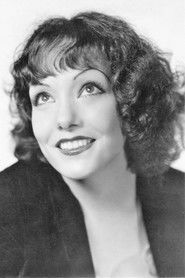 Lupe VélezNenita
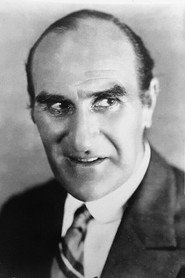 Ernest TorrenceRomance
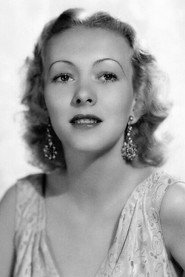 Karen MorleyCrystal
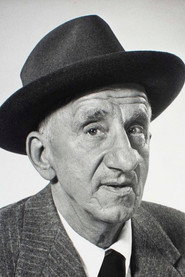 Jimmy DuranteO.O. Jones
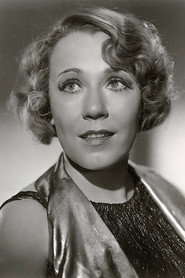 Louise FazendaElvira
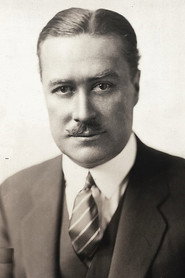 Hale HamiltonJohn
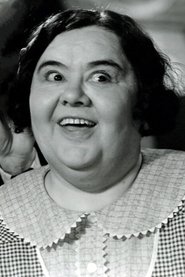 Mathilde ComontAunt Rosa
- Philip CooperTerry Jr.
- Agostino BorgatoMan Telling Terry Nenita Was Gone (uncredited)
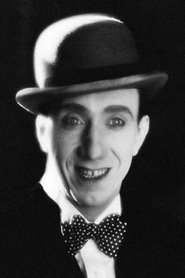 George DavisSoda Jerk (uncredited)
- George KumaJapanese Tattoo Artist (uncredited)
Directing
- Jack MintzAssistant Director
- W.S. Van DykeDirector
Writing
- John LynchAdaptation
- Herbert StothartMusical
- Bess MeredythScreenplay
- C. Gardner SullivanScreenplay
Production
- Albert LewinProducer